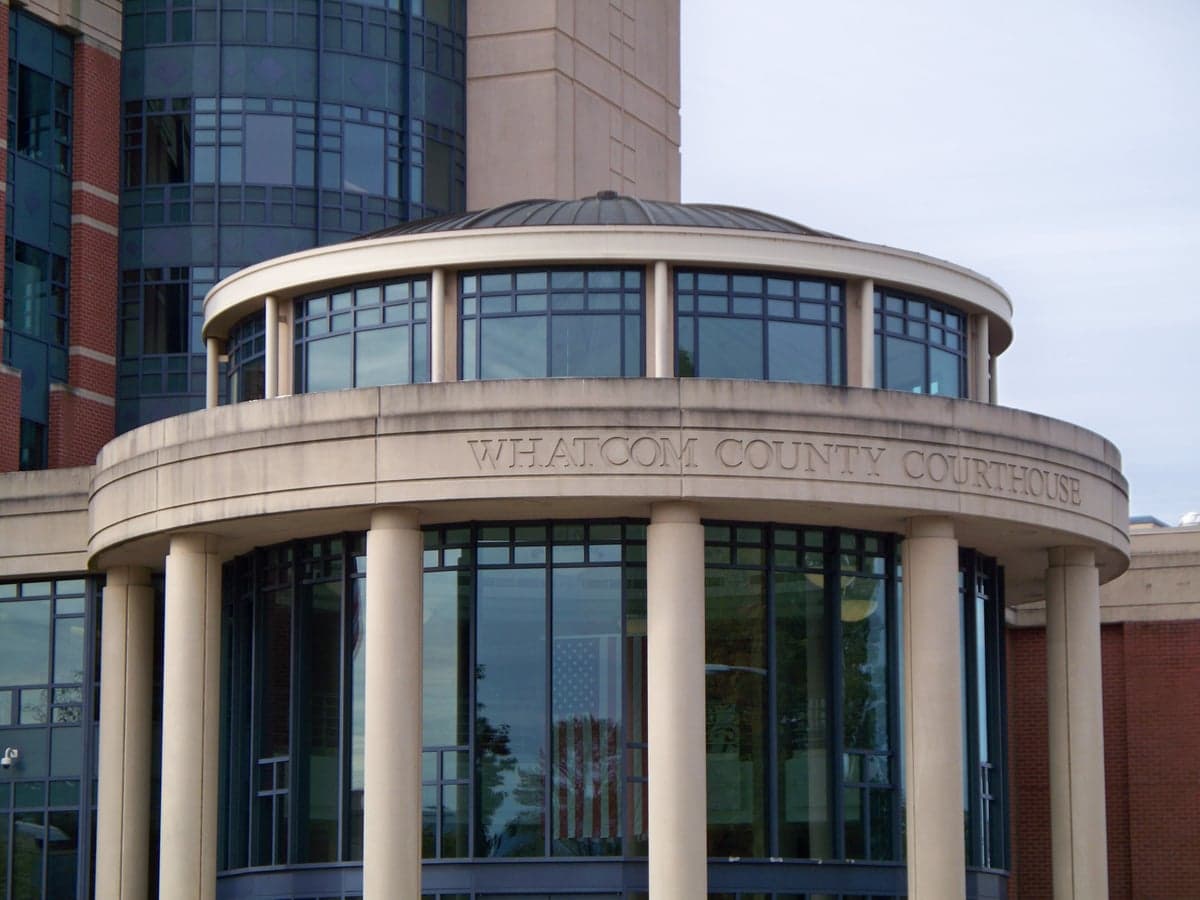
Photo: Wikipedia
Quality of Life in Whatcom County
A livable area that tracks near national norms for affordability, walkability, and neighborhood health.
What does Quality of Life tell us?
Quality of Life measures an area by evaluating factors like cost of living, nearby amenities, country club access, airport proximity, socioeconomic signals and neighborhood character. For large states, this is a general average — quality of life can vary dramatically between metro areas, suburbs, and rural communities within the same state.
What does this tell us?
Quality of Life measures an area by evaluating factors like cost of living, nearby amenities, country club access, airport proximity, socioeconomic signals and neighborhood character. For large states, this is a general average — quality of life can vary dramatically between metro areas, suburbs, and rural communities within the same state.
Cost of Living
52% above national average
57%
The Real Cost of Living in Whatcom County for 2026
| Tier | Individual | Family (4) |
|---|---|---|
| Survival | $23k | $44k |
| Comfortable | $97k | $142k |
| Luxury | $142k+ | $220k+ |
| Elite (Top 5%) | $167k+ | $259k+ |
Quality-of-Life Analysis
Whatcom County, Washington, offers a broad spectrum of quality-of-life options, from the dense, walkable college town of Bellingham to remote, off-grid homesteads in the North Cascades foothills. The county’s character shifts dramatically across its geography, drawing outdoor enthusiasts, academics, and commuters to different niches. Bellingham anchors the urban core with its arts scene and waterfront, while smaller communities like Lynden and Ferndale provide family-oriented suburbs, and unincorporated areas such as Glacier and Maple Falls serve as gateways to Mount Baker’s recreation.
Largest town(s) & population centers
Bellingham is the county’s undisputed hub, home to roughly 93,000 residents and Western Washington University. Daily life here revolves around a compact downtown with breweries, independent bookstores, and the Bellingham Farmers Market. The city’s Fairhaven district offers a historic, pedestrian-friendly waterfront with access to the San Juan Islands ferry. Bellingham’s cost of living is high — the county’s overall COL index sits at 152 (100 = US average) — driven by a median home value of $536,100 and median rent of $1,465. The average commute of 22 minutes is notably short for a metro area of this size, a perk for those working locally. Just south, the city of Ferndale (pop. ~16,000) offers a more suburban feel with newer housing developments and a growing industrial base along the I-5 corridor, while Lynden (pop. ~16,000) retains a distinct Dutch-heritage character with its windmills, strict local ordinances, and a quieter, family-centric pace.
Smaller towns & rural pockets
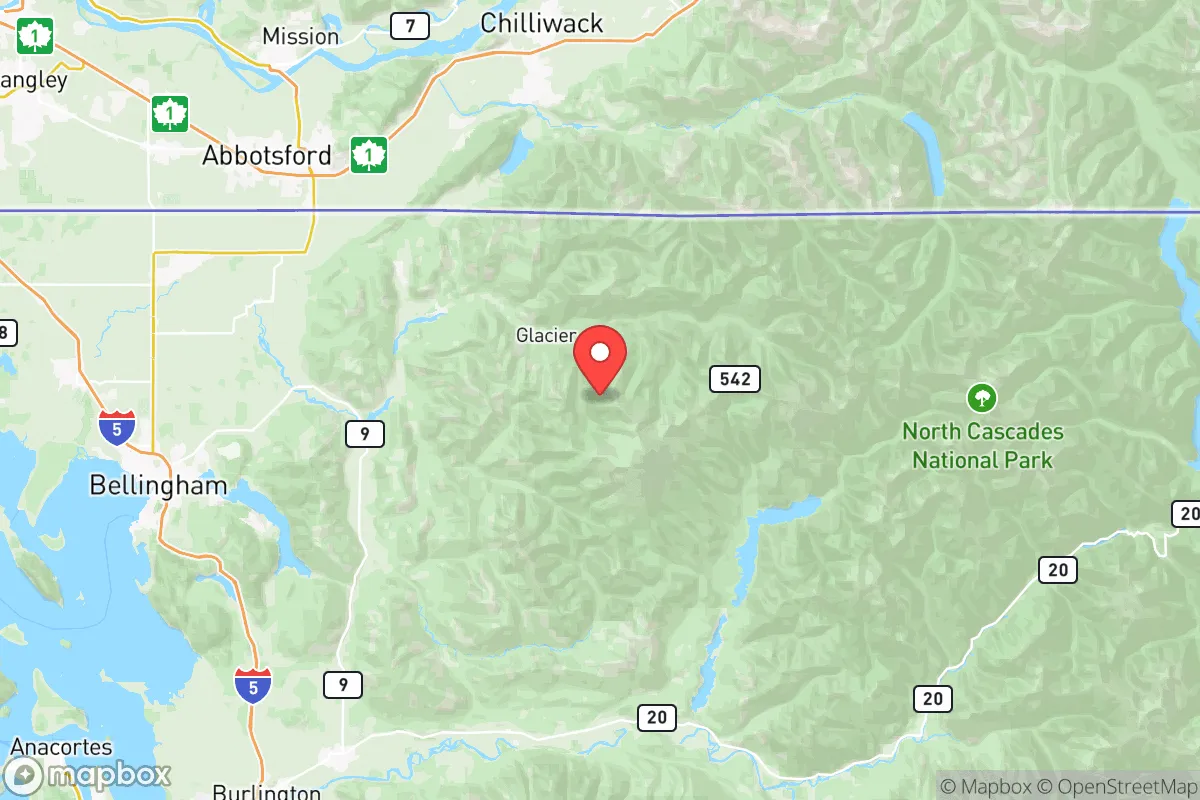
Outside the I-5 corridor, Whatcom County’s smaller towns and unincorporated areas cater to those seeking space and solitude. The Nooksack Valley communities of Everson and Nooksack are agricultural hubs surrounded by dairy farms and berry fields, with a slower rhythm and lower housing costs than Bellingham. Further east, the unincorporated areas of Deming and Kendall serve as bedroom communities for Bellingham commuters willing to trade a longer drive for acreage. At the county’s far eastern edge, the tiny towns of Glacier and Maple Falls sit at the base of Mount Baker, drawing skiers, hikers, and remote workers who prioritize wilderness access over urban amenities. These areas lack full-service grocery stores and rely on Bellingham for major shopping and healthcare, but offer unmatched proximity to the Mount Baker Ski Area and the North Cascades National Park.
Cost & lifestyle range
The cost of living and lifestyle options in Whatcom County span a wide arc. At the high end, Bellingham’s waterfront neighborhoods like Fairhaven and the South Hill command prices well above the county median, with many homes exceeding $700,000. Renters in Bellingham face a tight market where the median rent of $1,465 often requires a roommate or dual income. In contrast, rural properties in the Nooksack Valley or near Sumas can still be found for under $400,000, though they may require well water and septic systems. The lifestyle trade-off is clear: Bellingham offers walkability, cultural events, and the university’s amenities, while rural areas provide land, privacy, and lower property taxes but demand longer drives for groceries, schools, and employment. The average commute of 22 minutes masks this split — Bellingham residents often commute under 15 minutes, while those in Glacier or Maple Falls may drive 45 minutes to an hour each way.
Who thrives in Whatcom County? The county suits people who value outdoor recreation and are willing to accept a high cost of living in exchange for proximity to mountains, water, and trails. Remote workers and retirees with flexible incomes gravitate to Bellingham’s urban amenities, while families and tradespeople often settle in Ferndale or Lynden for better housing value and school systems. The rural eastern towns attract self-sufficient homesteaders and adventure-seekers who prioritize wilderness over convenience. Whatcom County is not a place for those seeking cheap housing or a warm, dry climate — but for those who align with its Pacific Northwest identity, it offers a rare diversity of lifestyles within a single county boundary.

Crime in Whatcom County
Crime rates similar to the national median for U.S. locations.
Violent CrimeViolent Crime Analysis
Property CrimeProperty Crime Analysis
Crime Analysis
Whatcom County, Washington, presents a mixed safety picture: its overall violent crime rate of 282.8 per 100,000 residents sits below the national average but above the Washington state median, while its property crime rate of 1,958.4 per 100,000 significantly exceeds both state and national benchmarks. The county's largest city, Bellingham, drives much of the reported crime, while smaller communities like Ferndale, Lynden, and Blaine offer notably lower incident rates. Residents considering relocation should weigh the urban-rural divide carefully, as safety outcomes vary dramatically between the progressive-leaning Bellingham area and the more conservative outlying towns.
Crime in context
Whatcom County's violent crime rate of 282.8 per 100,000 is roughly 20% below the national average of 380 per 100,000, but it runs about 15% higher than the Washington state average of approximately 245 per 100,000. The property crime rate of 1,958.4 per 100,000 is a more serious concern, exceeding the national average of 1,954 per 100,000 and significantly outpacing the Washington state average of roughly 1,700 per 100,000. Bellingham, as the county seat and largest population center, accounts for a disproportionate share of these incidents. The Whatcom County Prosecuting Attorney's office, operating under progressive criminal justice policies common in Western Washington, has faced criticism for plea deals and reduced sentencing that critics argue fail to deter repeat offenders. This ideological approach to prosecution, while well-intentioned, has tangible consequences: property crime rates have remained stubbornly high, and residents in unincorporated areas near Bellingham report increasing concerns about theft and vandalism.
What residents experience
Daily life in Whatcom County differs sharply by location. In Bellingham, residents frequently encounter vehicle break-ins, bicycle theft, and package theft, particularly near Western Washington University and the downtown core. The city's homeless population, concentrated along the waterfront and in certain parks, contributes to visible disorder that many residents find unsettling. Ferndale and Lynden, by contrast, report far fewer incidents; Lynden's tight-knit Dutch-heritage community maintains low crime through strong neighborhood watch programs and conservative local governance. Blaine, near the Canadian border, experiences occasional cross-border property crime but remains generally safe. The county's rural areas, including communities like Everson and Sumas, see very low violent crime but are not immune to agricultural theft and occasional domestic incidents. Residents consistently report that property crime is the primary quality-of-life concern, with many investing in security cameras and alarm systems even in relatively safe neighborhoods.
Neighborhood-level variation
Within Bellingham, the safest neighborhoods include the South Hill and Edgemoor areas, where single-family homes and higher property values correlate with lower incident rates. The Lettered Streets neighborhood and York District see moderate property crime but remain popular with families. The downtown core and the Samish Way corridor near the university experience the highest concentration of both violent and property crimes. Outside Bellingham, Lynden consistently reports the lowest crime rates in the county, followed by Ferndale and Blaine. Prospective residents should note that Whatcom County's progressive district attorney policies, including diversion programs and reduced sentencing for property crimes, have drawn criticism from law enforcement and conservative community members who argue these approaches embolden criminals. For families and retirees seeking safety, the outlying towns offer a meaningful reduction in risk compared to Bellingham, though they come with longer commutes and fewer urban amenities.
* Values derived from national, state, county, city and local statistics and may differ in a specific area. Last updated: 2026-06-21T02:04:14.000Z
Narrative content on this page is AI-generated and may contain mistakes. Verify any details that matter before acting on them.
ReloMaps may earn a commission from affiliate links at no extra cost to you.

