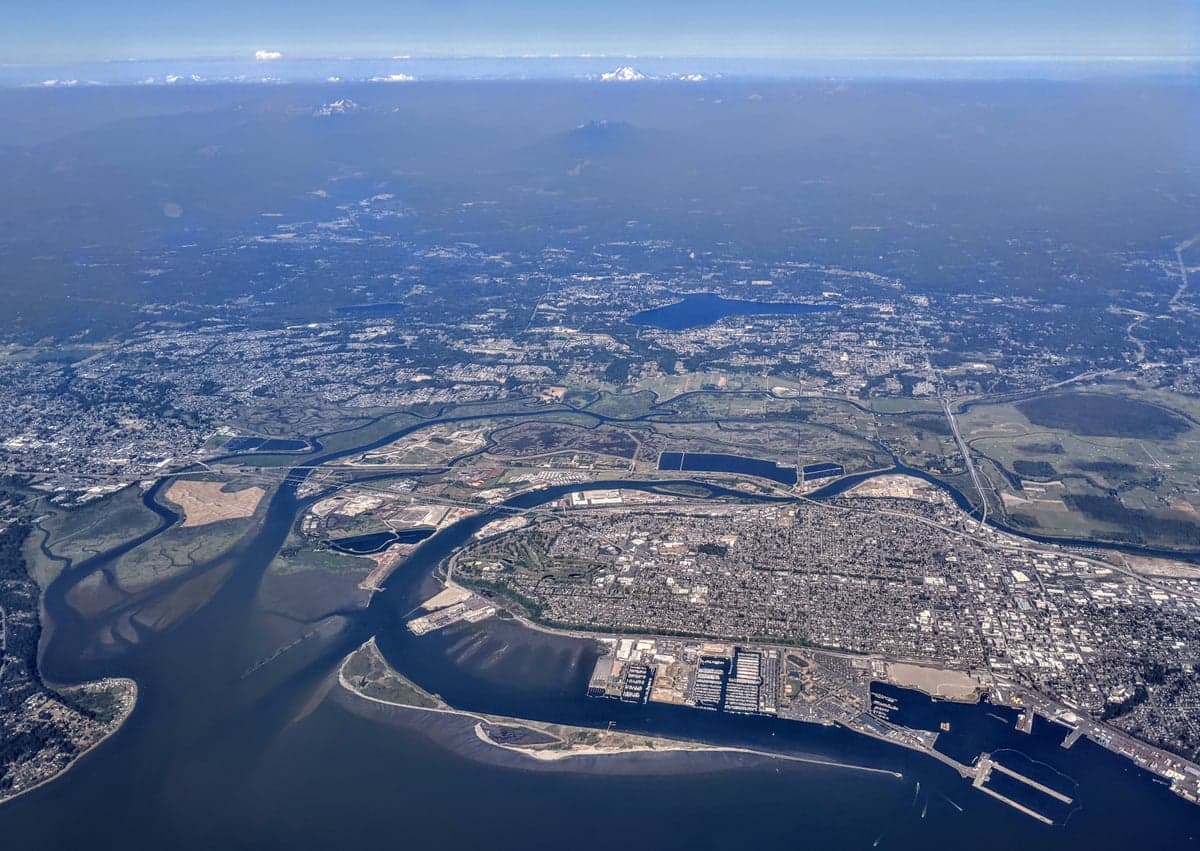
Photo: Wikipedia
Quality of Life in Snohomish County
A livable area that tracks near national norms for affordability, walkability, and neighborhood health.
What does Quality of Life tell us?
Quality of Life measures an area by evaluating factors like cost of living, nearby amenities, country club access, airport proximity, socioeconomic signals and neighborhood character. For large states, this is a general average — quality of life can vary dramatically between metro areas, suburbs, and rural communities within the same state.
What does this tell us?
Quality of Life measures an area by evaluating factors like cost of living, nearby amenities, country club access, airport proximity, socioeconomic signals and neighborhood character. For large states, this is a general average — quality of life can vary dramatically between metro areas, suburbs, and rural communities within the same state.
Cost of Living
88% above national average
62%
The Real Cost of Living in Snohomish County for 2026
| Tier | Individual | Family (4) |
|---|---|---|
| Survival | $30k | $56k |
| Comfortable | $118k | $174k |
| Luxury | $173k+ | $268k+ |
| Elite (Top 5%) | $204k+ | $316k+ |
Quality-of-Life Analysis
Snohomish County, Washington, offers a broad quality-of-life spectrum that ranges from dense, amenity-rich urban centers to quiet, unincorporated rural valleys, drawing everyone from tech commuters to small-town entrepreneurs and homesteaders. The county’s character shifts dramatically as you move west to east: the I-5 corridor hosts the largest towns with rapid growth and high demand, while the foothills and agricultural flats of the Skykomish and Stillaguamish river valleys preserve a slower, more independent pace. With a cost-of-living index of 188 (nearly double the U.S. average) and a median home value of $644,600, the trade-offs between convenience, space, and affordability are sharply defined by location.
Largest towns & population centers
Everett, the county seat and largest city (pop. ~112,000), anchors the western urban core with a working waterfront, Boeing’s Paine Field assembly plant, and a growing downtown arts district. Daily life here revolves around a mix of blue-collar manufacturing and white-collar aerospace engineering, with a median rent of $1,866 and commute times averaging 31 minutes. Lynnwood and Edmonds form a contiguous suburban zone along the Sound, offering frequent bus and light-rail connections to Seattle (via the new Lynnwood Link Extension) and a concentration of retail, dining, and waterfront parks. Marysville and Lake Stevens, farther north, have seen rapid single-family home construction and serve as bedroom communities for commuters willing to trade a longer drive for newer housing stock. These population centers provide the highest density of jobs, schools, and services, but also the highest traffic congestion and property prices—median home values in Edmonds and Lynnwood often exceed $700,000.
Smaller towns & rural pockets
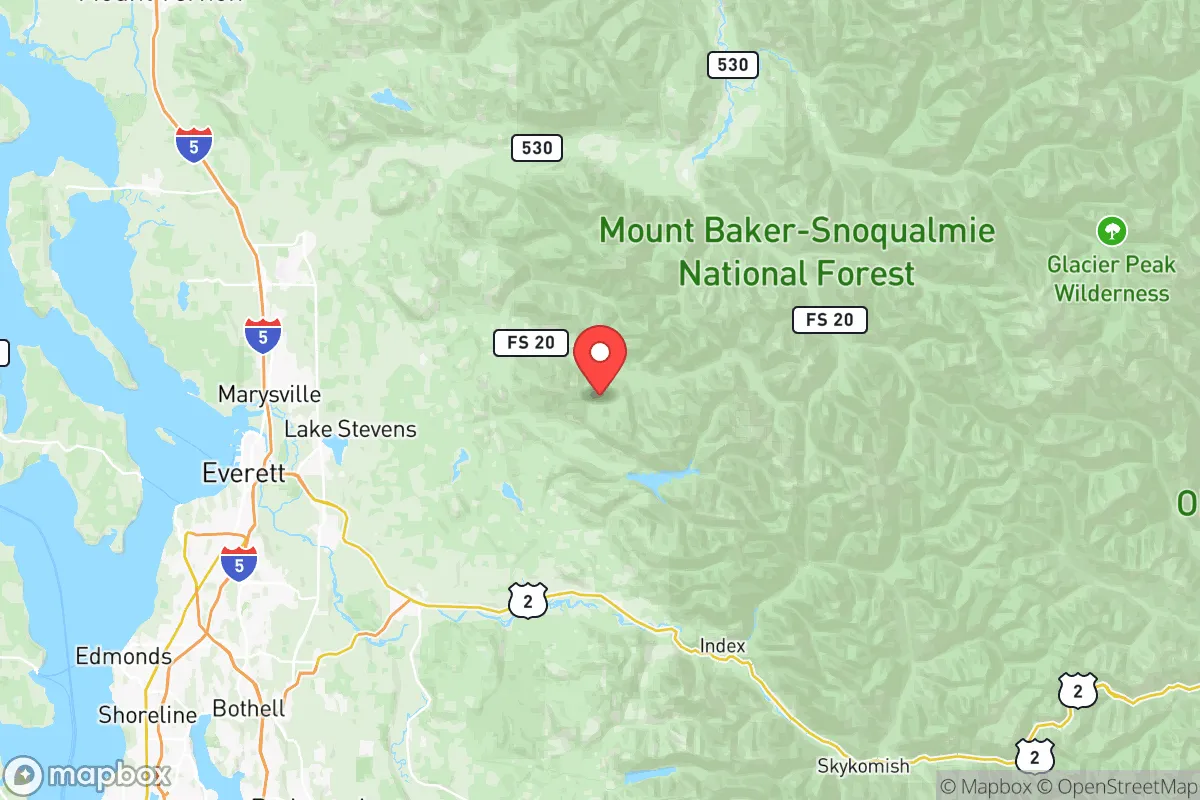
East of the I-5 corridor, the county opens into distinct small towns and unincorporated areas. Snohomish (the historic river town, pop. ~10,000) retains a walkable antique district and a slower pace, with access to the Snohomish River Valley’s farmland. Monroe, home to the Evergreen State Fairgrounds, blends agricultural roots with growing subdivisions. Sultan and Gold Bar, deeper in the Skykomish Valley, are unincorporated communities where logging and recreation (hiking, fishing, whitewater) define daily life; housing here is often older and more affordable, with some properties under $500,000. Darrington, at the county’s far eastern edge, is a remote mountain town (pop. ~1,400) surrounded by the Mount Baker-Snoqualmie National Forest, offering extreme seclusion and a strong back-to-the-land ethos. Granite Falls and Arlington sit at the transition zone, with Arlington’s small airport and industrial park providing local employment that reduces commute pressure.
Cost & lifestyle range
The cost-of-living spread across Snohomish County is stark. At the high end, Edmonds and Mukilteo (median home values above $800,000) offer waterfront living, top-rated schools, and direct ferry access to Whidbey Island, attracting professionals and families who prioritize walkable downtowns and Puget Sound views. At the low end, Darrington and parts of Sultan and Gold Bar have median home values closer to $400,000–$500,000, but with limited retail, no public transit, and longer emergency service response times. Renters face a similar gradient: a two-bedroom apartment in Lynnwood averages $2,100, while a similar unit in Monroe or Arlington may rent for $1,600–$1,800. Amenities also vary: Everett and Lynnwood have major hospitals, community colleges, and entertainment venues, while rural residents rely on Monroe’s Valley General Hospital or drive 45+ minutes to Everett for specialty care. The average commute of 31 minutes masks a wide range—Edmonds commuters can reach downtown Seattle in 25 minutes by train, while Darrington residents face a 70-minute drive to Everett.
Who thrives in Snohomish County depends heavily on tolerance for trade-offs. Commuters who work in Seattle or Bellevue and value urban amenities will find the I-5 corridor towns convenient but expensive. Families seeking space and a lower home price will gravitate to Monroe, Lake Stevens, or Arlington, accepting longer drives and fewer walkable options. Homesteaders, outdoor enthusiasts, and remote workers willing to sacrifice services for solitude will feel at home in the Skykomish Valley or Darrington. The county’s strength is its diversity of settings—but the key to a successful move is matching your lifestyle expectations to the specific subregion, not the county as a whole.

Crime in Snohomish County
Crime rates similar to the national median for U.S. locations.
Violent CrimeViolent Crime Analysis
Property CrimeProperty Crime Analysis
Crime Analysis
Snohomish County presents a mixed safety picture for prospective residents. The county’s violent crime rate of 282.8 incidents per 100,000 residents sits slightly below the national average but above the Washington state average, while its property crime rate of 1,958.4 per 100,000 significantly exceeds both state and national benchmarks. These figures, however, mask stark differences between the county’s urban core and its more rural and suburban communities, making neighborhood-level research essential for anyone considering a move here.
Crime in context
Snohomish County’s violent crime rate of 282.8 per 100,000 is roughly 20% lower than the national average of about 380 per 100,000, but it is approximately 15% higher than the Washington state average of roughly 245 per 100,000. Property crime tells a more concerning story: the county’s rate of 1,958.4 per 100,000 is nearly 40% higher than the national average and well above the state average of roughly 1,600 per 100,000. These numbers are heavily influenced by the county’s largest city, Everett, which reports higher crime rates than the county as a whole. The county’s progressive prosecutorial policies, particularly under the current Snohomish County Prosecutor’s Office, have drawn criticism for prioritizing diversion programs and reduced sentencing for property and drug offenses. Critics argue this approach, while well-intentioned, has contributed to repeat offending and a perception that property crime carries minimal consequences, especially in areas like Everett and Lynnwood where auto thefts and vehicle break-ins are most concentrated.
What residents experience
For residents, the most tangible safety concern is property crime. Vehicle theft and break-ins are the most frequently reported offenses, particularly in commercial corridors and transit hubs. Cities like Everett, Lynnwood, and Edmonds see the highest volumes of property crime, with car prowls and package thefts being daily nuisances. Violent crime, while less common, is not evenly distributed. Everett’s downtown core and areas near the Everett Transit Center report higher rates of aggravated assault and robbery, often linked to drug activity and homelessness. In contrast, Mill Creek, Bothell (the Snohomish County portion), and Lake Stevens consistently report violent crime rates well below the county average, often by 50% or more. These communities benefit from well-funded local police departments and lower population density. The county’s approach to drug-related crime—emphasizing treatment over incarceration—has been a point of contention. While supporters point to reduced jail overcrowding, many residents in higher-crime areas express frustration that repeat property offenders cycle through the system without meaningful accountability.
Neighborhood-level variation is dramatic. In south Snohomish County, near the King County line, areas like Mountlake Terrace and parts of Lynnwood experience spillover crime from Seattle and Shoreline, particularly auto thefts and burglaries. Moving north, Marysville and Arlington have moderate crime rates, with property crime being the primary concern. The most rural areas—Granite Falls, Darrington, and the Skykomish Valley—report very low violent crime but still face occasional property thefts, often tied to transient populations. For families and professionals, the safest bets are Mill Creek, Bothell, and Lake Stevens, where crime rates are a fraction of the county average and police response times are faster. Anyone considering Snohomish County should prioritize neighborhoods with strong homeowners’ associations, active neighborhood watch programs, and local police substations, as these factors correlate strongly with lower crime rates in the county’s suburban areas.
* Values derived from national, state, county, city and local statistics and may differ in a specific area. Last updated: 2026-06-16T00:29:23.000Z
Narrative content on this page is AI-generated and may contain mistakes. Verify any details that matter before acting on them.
ReloMaps may earn a commission from affiliate links at no extra cost to you.

