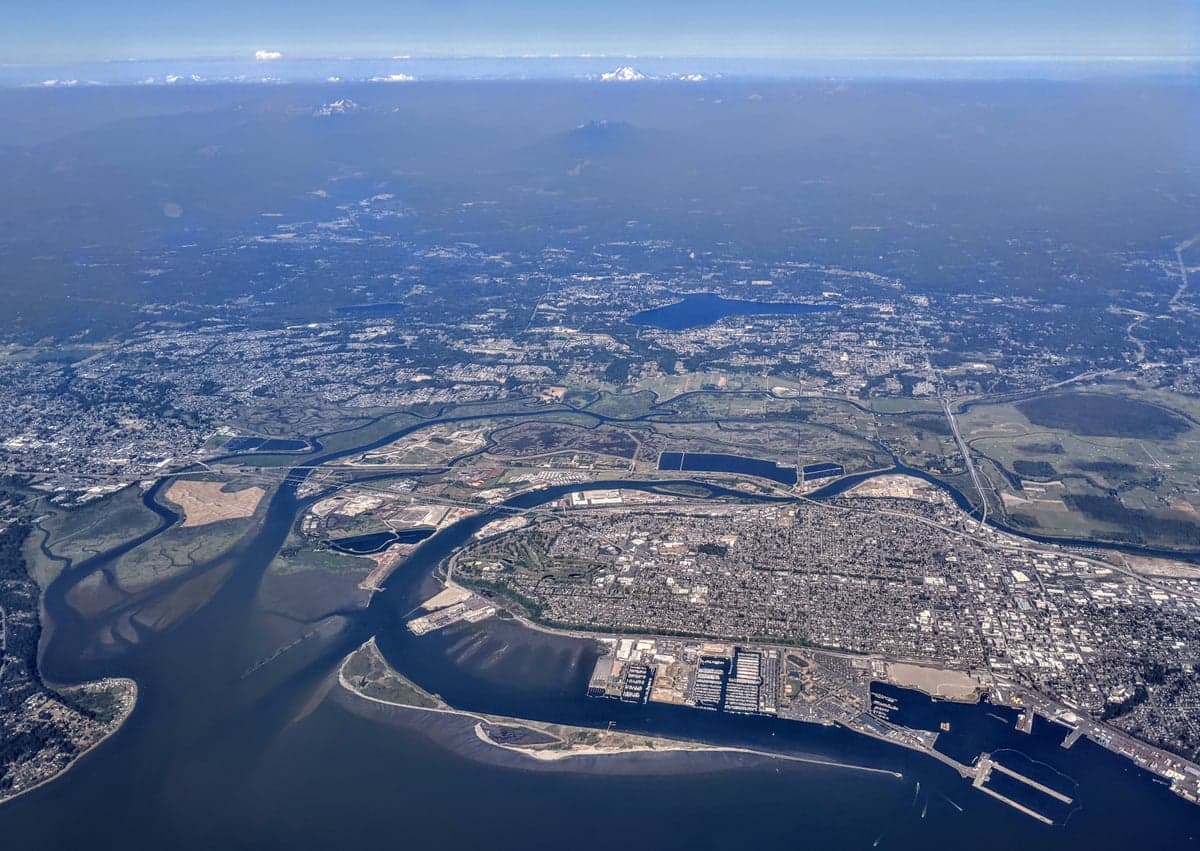
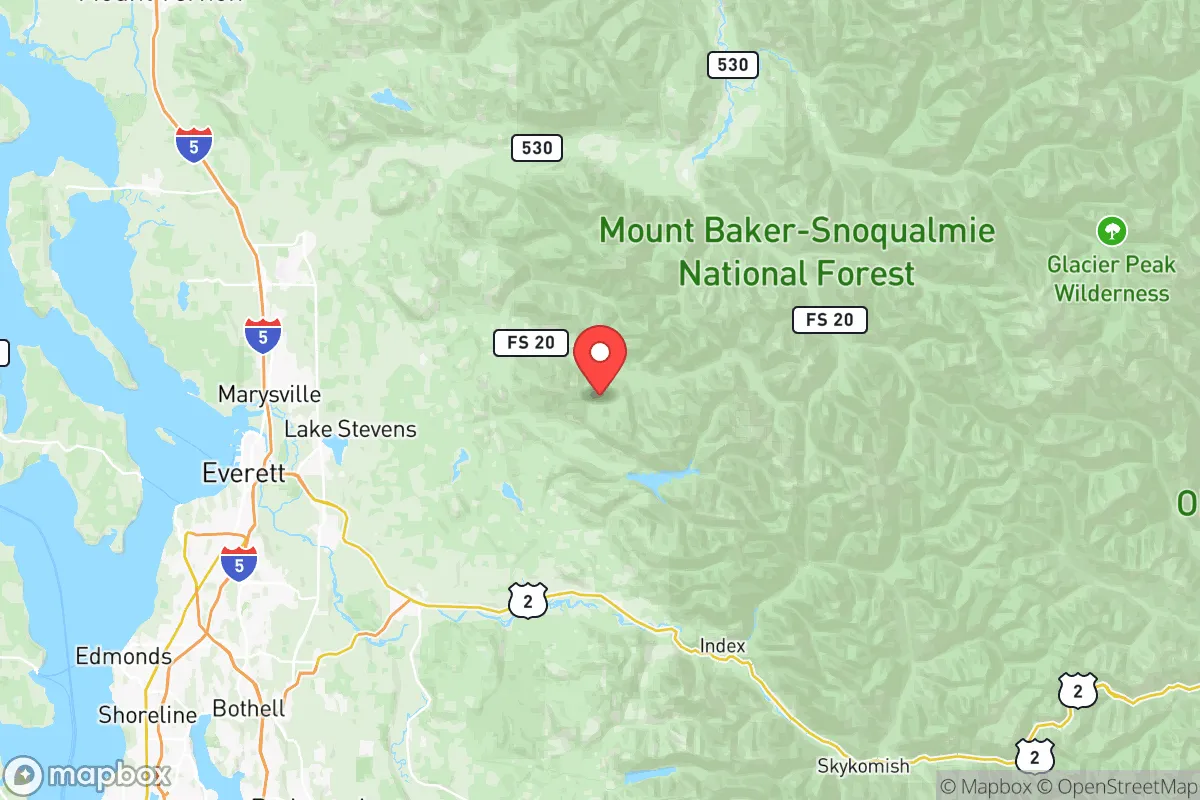
Photo: Wikipedia
Find The Best Places To Live in Snohomish County
PRO TIP! You can paste a Zillow or Redfin link to get info on that property.
Best Places to Live in Snohomish County
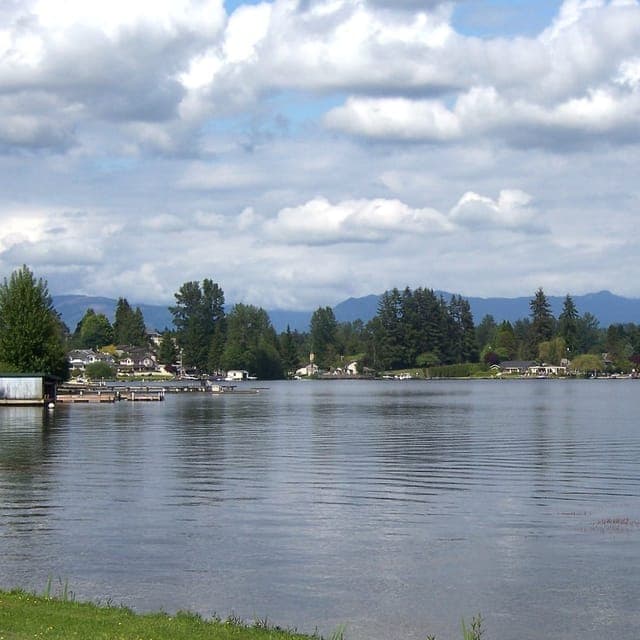
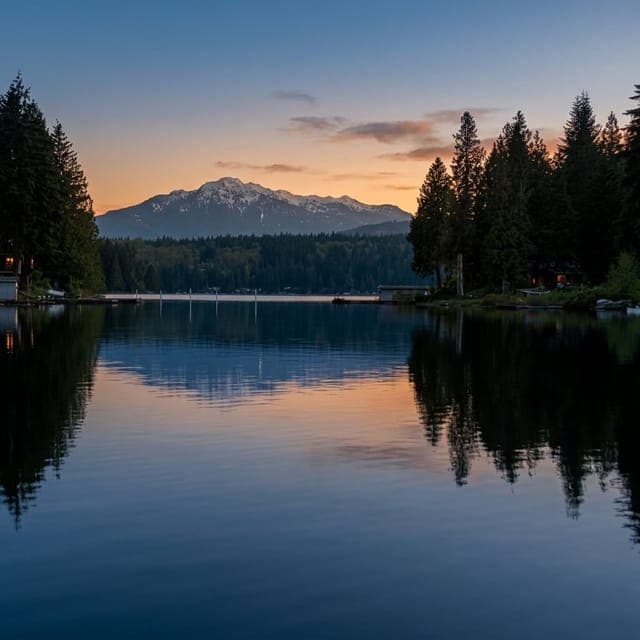
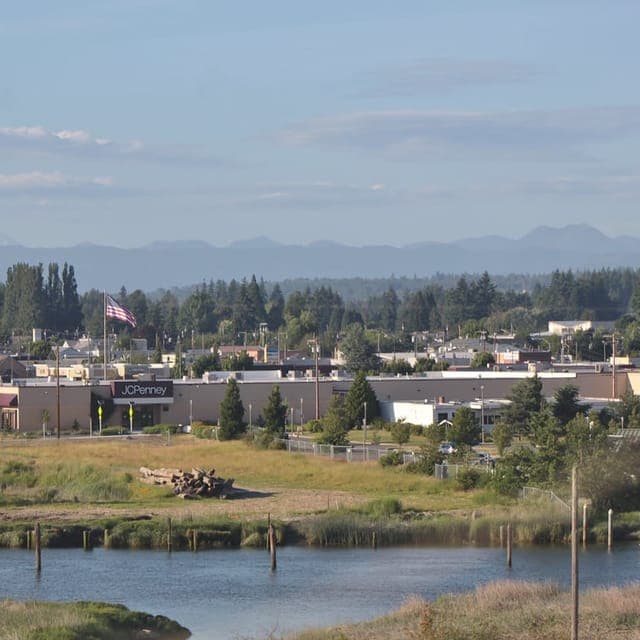
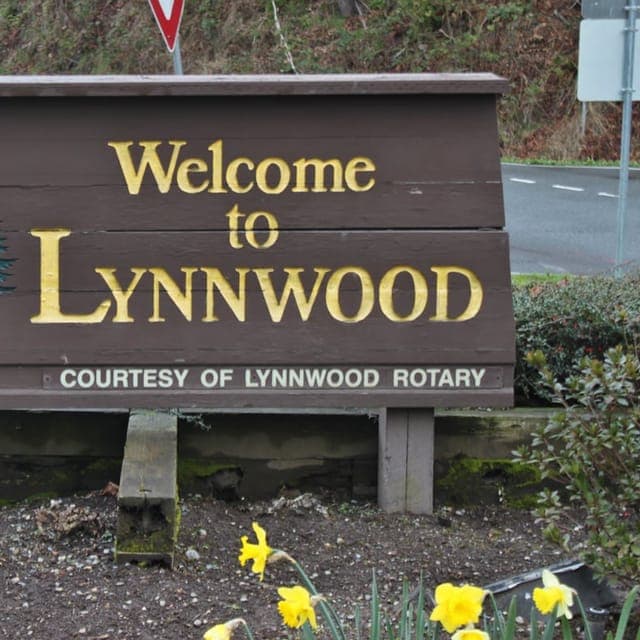
Cities & Towns in Snohomish County
Cities in Snohomish County
What It's Like Living in Snohomish County, WA
Snohomish County is a place where the Cascade foothills meet the Puget Sound, and the daily rhythm shifts dramatically depending on whether you're in a bustling city like Everett or a quiet rural stretch near Granite Falls. It’s a region of stark contrasts—home to Boeing’s massive assembly lines and tiny farm stands selling berries, where a Microsoft engineer might live next door to a third-generation logger. For the conservative-leaning individual or family, the appeal often lies in the balance: access to high-paying aerospace and tech jobs without the relentless pace and cost of Seattle, paired with a landscape that rewards outdoor ambition.
Daily Rhythm: From Everett’s Waterfront to Sultan’s Backroads
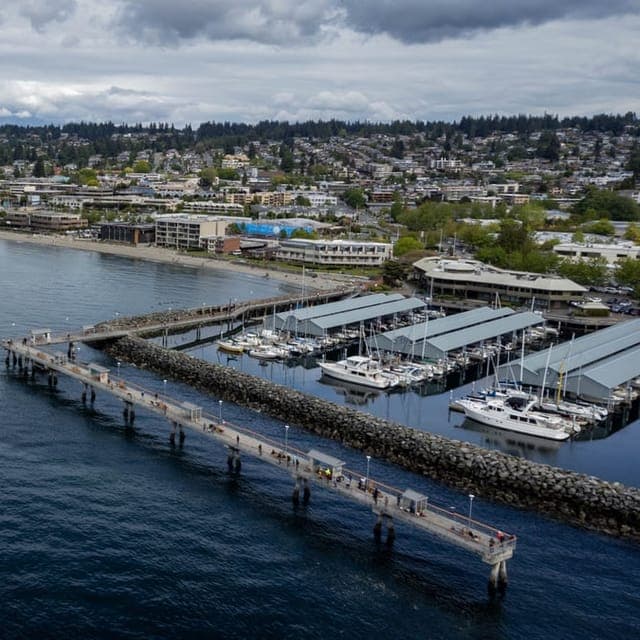
For most residents, life revolves around work and the commute. The average commute clocks in at just over 31 minutes, a number that feels longer when you’re sitting on I-5 through Everett or crawling along Highway 9 toward Marysville. Many people work at the Boeing Everett Factory, the world’s largest building by volume, or commute south to tech hubs in Redmond and Bellevue. Those who stay local spend weekends differently depending on their zip code. In Edmonds, you’ll find families strolling the waterfront, grabbing fish and chips at Arnies, or catching a ferry to Kingston. In Lake Stevens, weekends mean wakeboarding on the lake or grabbing a beer at the Lake Stevens Brewing Company. Further east, in Sultan or Granite Falls, life slows down—people hunt, fish, and ride dirt bikes on logging roads, and the nearest grocery store might be a 20-minute drive.
The kind of person who fits in here values self-reliance. It’s a county where owning a truck and a boat is common, where the local hardware store still knows your name, and where high school football on Friday nights is a genuine community event. The median household income of $107,982 reflects the presence of well-paying blue-collar and white-collar jobs, but the cost of living index of 188 means that money doesn’t stretch as far as it would in Texas or Idaho. Housing is the biggest squeeze—the median home value of $644,600 puts homeownership out of reach for many younger families, pushing them toward towns like Arlington or Stanwood, where prices are slightly more forgiving.
Sports & Community: Friday Night Lights and the Silvertips
Sports here are a serious matter, but not in the Seahawks-obsessed way you see in Seattle proper. High school football is king in towns like Lake Stevens, where the Vikings regularly contend for state titles, and the stands are packed with parents, grandparents, and former players. In Everett, the Everett Silvertips of the WHL draw passionate crowds for junior hockey—a sport that resonates deeply in a region with Scandinavian roots. The Everett AquaSox, a Mariners affiliate, offer affordable summer baseball with a view of the Snohomish River. For the college crowd, the University of Washington in Seattle is a 40-minute drive, but many locals are just as invested in the local community college sports scene at Everett Community College.
Beyond organized sports, the real competition happens outdoors. The Mountain Loop Highway is a weekend magnet for hikers headed to Big Four Mountain or the Ice Caves, and the Centennial Trail—a 30-mile paved path from Snohomish to Arlington—is packed with cyclists, runners, and dog walkers. Fishing is a year-round pursuit, with salmon runs in the Snohomish and Skykomish rivers drawing anglers from across the state.
What’s There to Do: Festivals, Breweries, and the Great Outdoors
Entertainment here leans heavily on community festivals and natural attractions. The Everett Waterfront has been revitalized with the new Angel of the Winds Arena, hosting concerts and the Silvertips, while the Snohomish Farmers Market on Saturdays is a gathering spot for local produce and artisan bread. The Stanwood Camano Island Fair in August is a classic small-town affair with 4-H exhibits and demolition derbies. For a night out, Marysville has a growing brewery scene—try Brews Almighty for a hazy IPA—while Edmonds offers upscale dining like Salt & Iron for date nights.
The biggest cultural quirk? The Snohomish County PUD is a publicly owned utility, and locals are fiercely proud of it—it keeps rates low and power reliable. Another quirk: the Everett Gospel Mission and a strong network of churches anchor community life in a way that feels more prominent than in King County to the south. This is a place where the 4-H and Future Farmers of America still have active chapters, especially in the eastern parts of the county.
Pros and Cons of Living Here
What longtime residents love:
- Access to nature without isolation—you can be skiing at Stevens Pass or hiking the Pacific Crest Trail within 90 minutes, yet still have a Costco and a Target within 15.
- Strong sense of local identity—each town has its own character, from the historic downtown of Snohomish (antique shops and a riverfront park) to the working-class grit of Everett.
- Good schools in the suburbs—districts like Lake Stevens and Edmonds are well-regarded, and the violent crime rate of 282.8 per 100,000 is lower than Seattle’s, though higher than the national average.
What frustrates them:
- Traffic that defies logic—the 31-minute average commute hides the reality that a 20-mile drive from Lake Stevens to Everett can take an hour during peak times, especially when a wreck shuts down I-5.
- Housing costs that keep climbing—the median home value has risen 40% in five years, and rent for a two-bedroom in Marysville now averages $2,000.
- Gray skies from October to June—the seasonal affective disorder is real, and the 36.8% college-educated population includes many who moved here for tech jobs but struggle with the lack of sunlight.
For the conservative-leaning family, Snohomish County offers a middle ground: you can own a home with a yard, send your kids to decent schools, and enjoy the outdoors without the urban chaos of Seattle. But you’ll pay for it—in commute time, in housing costs, and in the patience required to live with 200 days of overcast skies. It’s a trade-off that works best for those who value space, community, and a slower pace over convenience and sunshine.

* Values derived from national, state, county, city and local statistics and may differ in a specific area. Last updated: 2026-06-16T00:29:23.000Z
Narrative content on this page is AI-generated and may contain mistakes. Verify any details that matter before acting on them.
ReloMaps may earn a commission from affiliate links at no extra cost to you.

