Photo: Wikipedia
Quality of Life in Skagit County
A livable area that tracks near national norms for affordability, walkability, and neighborhood health.
What does Quality of Life tell us?
Quality of Life measures an area by evaluating factors like cost of living, nearby amenities, country club access, airport proximity, socioeconomic signals and neighborhood character. For large states, this is a general average — quality of life can vary dramatically between metro areas, suburbs, and rural communities within the same state.
What does this tell us?
Quality of Life measures an area by evaluating factors like cost of living, nearby amenities, country club access, airport proximity, socioeconomic signals and neighborhood character. For large states, this is a general average — quality of life can vary dramatically between metro areas, suburbs, and rural communities within the same state.
Cost of Living
43% above national average
62%
The Real Cost of Living in Skagit County for 2026
| Tier | Individual | Family (4) |
|---|---|---|
| Survival | $23k | $43k |
| Comfortable | $94k | $139k |
| Luxury | $139k+ | $216k+ |
| Elite (Top 5%) | $164k+ | $254k+ |
Quality-of-Life Analysis
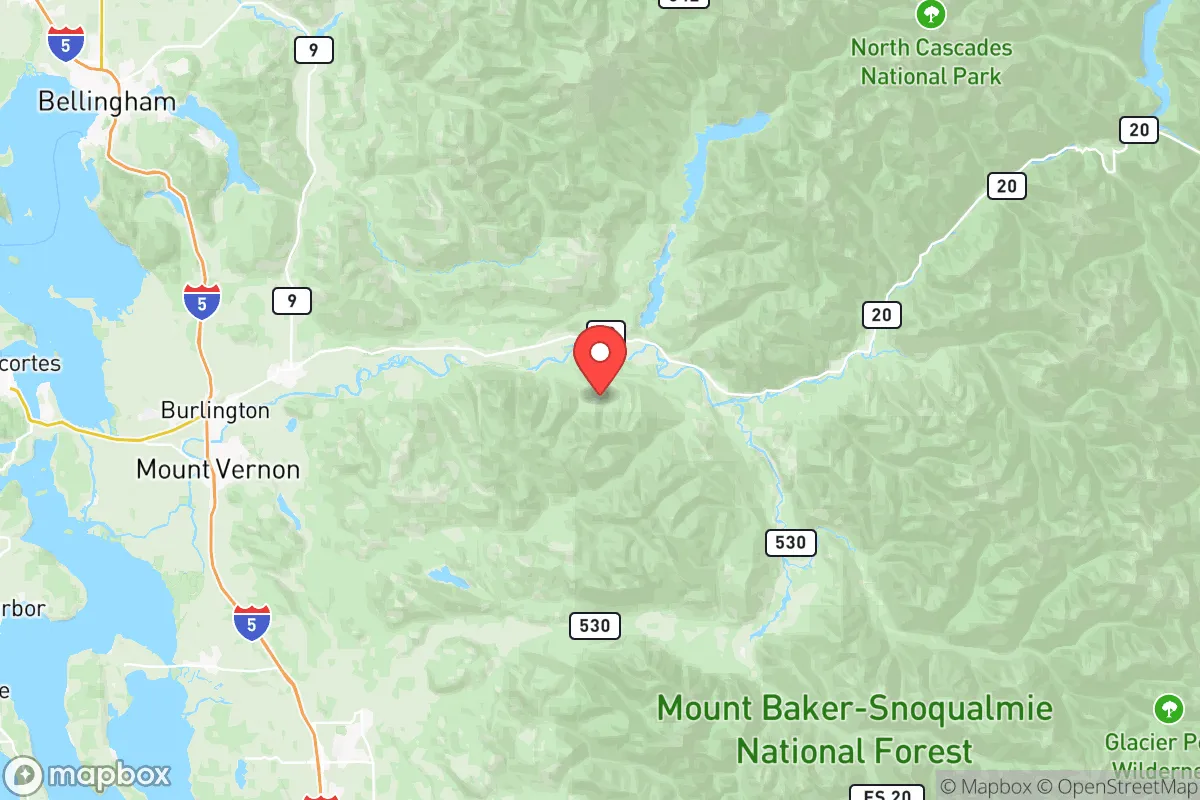
Skagit County, Washington, offers a broad quality-of-life spectrum that ranges from the walkable, amenity-rich city of Mount Vernon to the quiet, agricultural unincorporated areas of Conway and the island community of La Conner, drawing everyone from Seattle-commuting professionals to farmers and retirees. The county’s character is defined by its dramatic geography—the Skagit River delta, the Cascade foothills, and the San Juan Islands shoreline—which creates distinct lifestyles within a 30-minute drive. With a cost-of-living index of 143 (43% above the U.S. average) and a median home value of $486,200, Skagit County sits at a notable midpoint: more affordable than King County to the south but significantly pricier than rural counties to the north.
Largest town(s) & population centers
Mount Vernon, the county seat and largest city (pop. ~35,000), anchors daily life with a compact, walkable downtown along the Skagit River. Residents here have access to the Skagit Valley Hospital, the Skagit Transit bus system, and a growing food scene centered on farm-to-table restaurants. The city’s median rent of $1,439 is the county’s highest, reflecting demand from workers at the nearby Burlington-Edison industrial corridor and from commuters who endure the average 26-minute drive to jobs in Everett or Bellingham. Burlington (pop. ~9,000), just north of Mount Vernon, functions as the county’s retail hub, anchored by the Cascade Mall and big-box stores along Highway 20; its lifestyle is more car-dependent and suburban, appealing to families seeking newer housing stock and shorter commutes to the Skagit Regional Airport industrial zone. Sedro-Woolley (pop. ~12,000), east of Mount Vernon, offers a grittier, more affordable alternative with a historic downtown and direct access to the North Cascades National Park gateway, drawing outdoor enthusiasts and tradespeople who work in the area’s timber and aggregate industries.
Smaller towns & rural pockets
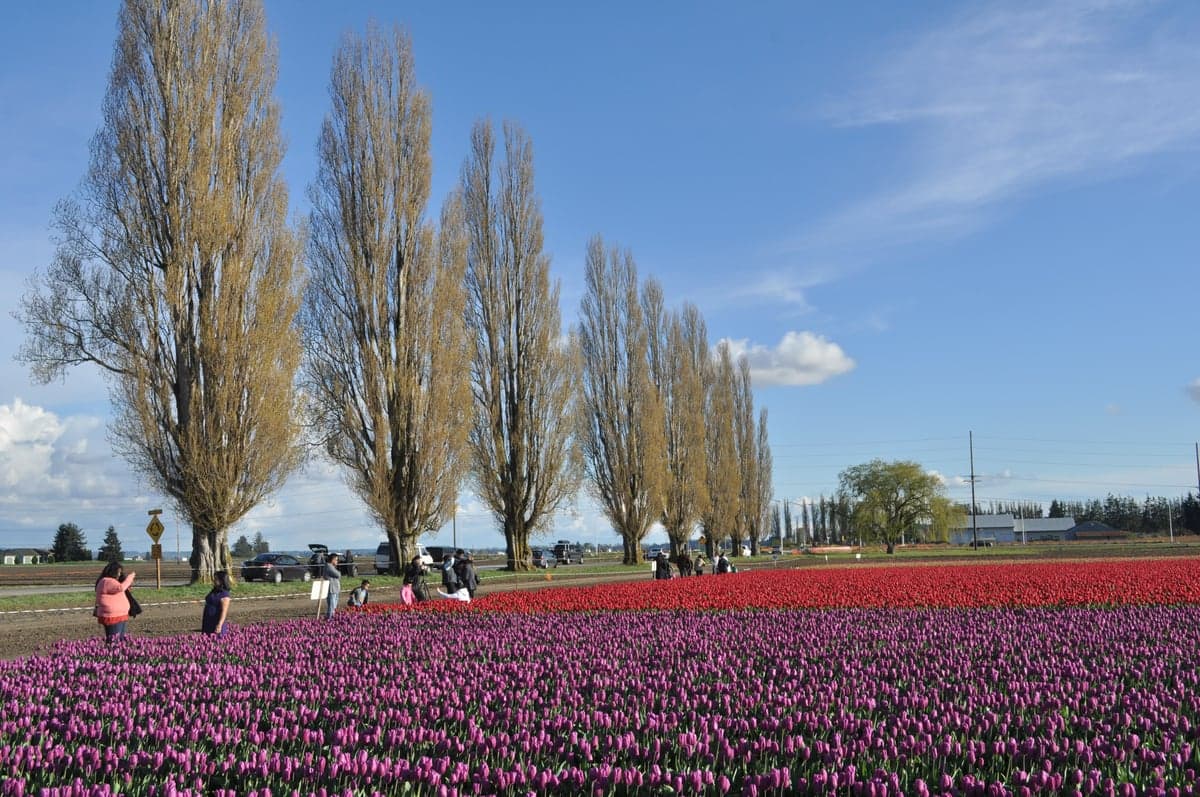
La Conner, a waterfront village of about 900 residents on Swinomish Channel, is the county’s most distinctive small town, known for its art galleries, the annual Skagit Valley Tulip Festival, and a high concentration of second homes owned by Seattleites. Daily life here is slow-paced and scenic, but grocery and healthcare options are limited, requiring a 15-minute drive to Mount Vernon. Conway, an unincorporated community of roughly 100 people south of Mount Vernon, is a true rural pocket defined by dairy farms and the Conway School District’s small K-8 campus; housing here consists almost entirely of single-family homes on acreage, with no commercial core beyond a feed store and a gas station. Hamilton (pop. ~300), east of Sedro-Woolley, sits along the Skagit River and offers the county’s lowest home prices—often below $350,000—but lacks municipal water and sewer in many parcels, appealing to buyers willing to invest in well and septic systems. Bow and Edison, two unincorporated hamlets near the Samish Bay shoreline, have become magnets for organic farmers and artisan food producers, with the Edison Slough Road area hosting a cluster of farm stands and the popular Breadfarm bakery.
Cost & lifestyle range
The cost-of-living spread across Skagit County is wider than the countywide index of 143 suggests. At the high end, La Conner and waterfront properties along Samish Island push home values above $700,000, with many homes exceeding $1 million, driven by limited inventory and second-home demand. The lifestyle here is recreational—kayaking, crabbing, and weekend farmers markets—but residents pay a premium for isolation and views. At the low end, Hamilton and the unincorporated areas east of Concrete (pop. ~700) offer median home values around $350,000 to $400,000, where the trade-off is longer commutes (often 35–40 minutes to Mount Vernon) and minimal services. The county’s median rent of $1,439 is relatively uniform across the larger towns, but rental availability is tight in Sedro-Woolley and Burlington, where vacancy rates hover near 3%. Property taxes vary by school district: the Burlington-Edison district levies a higher rate than the Conway district, reflecting differences in local funding for schools and infrastructure.
Skagit County best suits people who value geographic diversity and are willing to trade urban density for a mix of agricultural, coastal, and mountain access. Professionals who work in Everett or Bellingham find the 26-minute average commute manageable, while retirees and remote workers gravitate to La Conner or Edison for the slower pace and natural beauty. Families on a budget should target Sedro-Woolley or Hamilton for lower housing costs, but should verify school district boundaries and commute times carefully. The county’s political and cultural divide—progressive enclaves in Mount Vernon and La Conner versus conservative farming communities in Conway and Bow—means that newcomers should visit multiple sub-areas before choosing a base, as the daily experience in each pocket differs sharply despite the short distances between them.

Crime in Skagit County
Crime rates similar to the national median for U.S. locations.
Violent CrimeViolent Crime Analysis
Property CrimeProperty Crime Analysis
Crime Analysis
Skagit County, Washington, presents a mixed safety picture for potential residents. The county’s overall violent crime rate of 283.3 incidents per 100,000 residents sits slightly above the national average, while its property crime rate of 1,959.4 per 100,000 is notably higher than both state and national benchmarks. These figures, drawn from recent FBI data, indicate that while the risk of violent confrontation is moderate, property-related offenses like theft and burglary are a more pressing concern across the region.
Crime in context
When compared to Washington State’s overall violent crime rate of roughly 290 per 100,000, Skagit County aligns closely, but its property crime rate significantly exceeds the state average of approximately 1,700 per 100,000. This places Skagit in a higher-risk tier for theft and vehicle break-ins than many neighboring counties. The county’s largest city, Mount Vernon, and the city of Burlington tend to report higher concentrations of property crime, driven in part by their roles as commercial hubs and access points along the I-5 corridor. In contrast, smaller communities like La Conner and Concrete typically see lower overall crime volumes, though their rural nature can mean slower law enforcement response times. The presence of a progressive prosecutorial philosophy in the Skagit County Prosecutor’s Office, which has emphasized diversion programs and reduced sentencing for non-violent offenders, is a factor that concerns some residents. Critics argue that such an approach, while well-intentioned, can lead to a revolving-door effect for repeat property offenders, undermining deterrence and public confidence in the justice system.
What residents experience
For those living in Skagit County, the most tangible safety issue is property crime. Vehicle prowls, package thefts, and burglaries are the most frequently reported incidents, particularly in the more densely populated areas of Mount Vernon and Sedro-Woolley. Violent crime, while less common, is not absent; aggravated assaults make up the majority of violent incidents, often tied to domestic disputes or alcohol-related altercations. The county’s geography also plays a role—remote areas near the Cascade foothills and the Skagit River delta can experience isolated incidents of trespassing and theft from outbuildings. Residents in unincorporated areas often rely on the Skagit County Sheriff’s Office, which has faced staffing challenges in recent years, leading to longer response times for non-emergency calls. The judicial environment in Skagit County, influenced by state-level progressive reforms and local district court policies, has seen a trend toward lower bail amounts and reduced jail sentences for property crimes. This has created a perception among some long-term residents that the system prioritizes offender rehabilitation over victim restitution, contributing to a sense of frustration with repeat offenders cycling through the courts.
Neighborhood-level variation is significant. The historic waterfront district of La Conner and the more affluent hillside areas of Mount Vernon report far fewer incidents than the commercial strips and lower-income neighborhoods near the I-5 exits in Burlington and central Mount Vernon. Prospective residents should research specific census tracts and consider proximity to major highways, as properties near transit corridors face higher risks of opportunistic theft. Overall, Skagit County requires a proactive approach to personal and property security, with an awareness that the local justice system’s progressive leanings may not always align with traditional expectations of accountability.
* Values derived from national, state, county, city and local statistics and may differ in a specific area. Last updated: 2026-07-29T12:57:21.000Z
Narrative content on this page is AI-generated and may contain mistakes. Verify any details that matter before acting on them.
ReloMaps may earn a commission from affiliate links at no extra cost to you.

