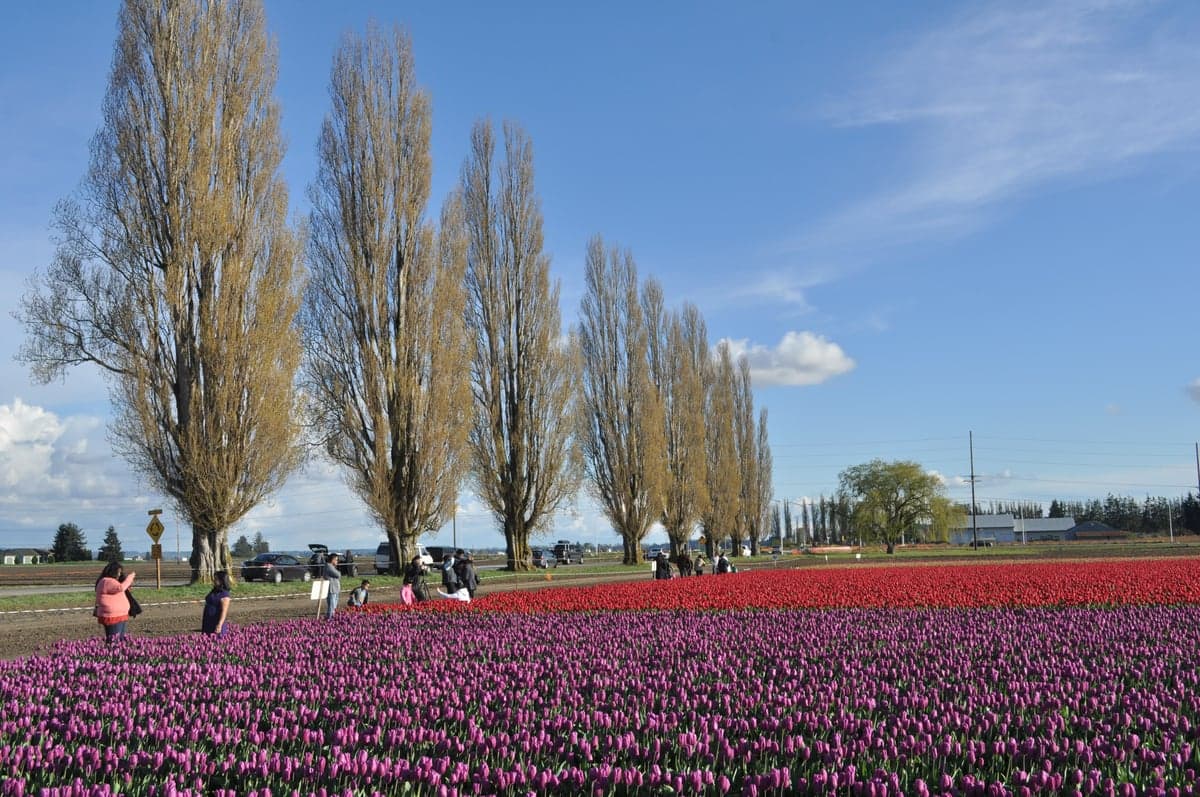
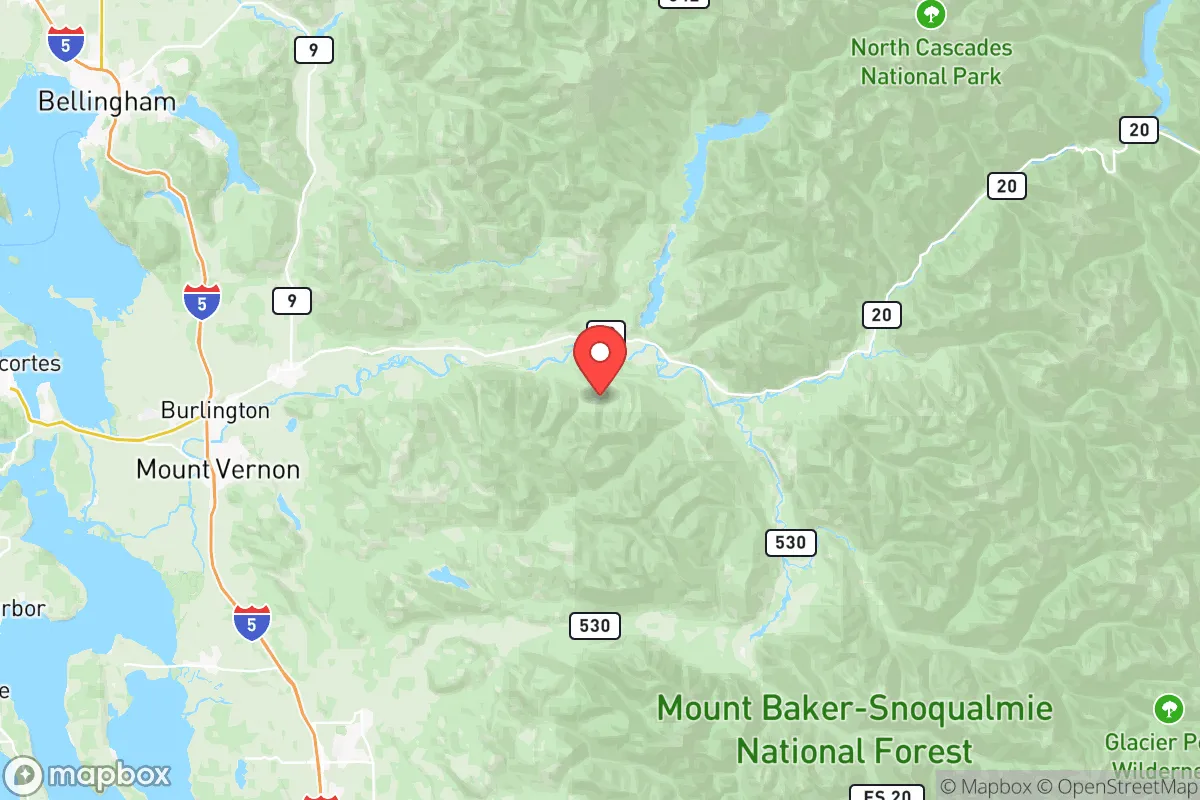
Photo: Wikipedia
Personal Sovereignty in Skagit County
Moderate friction. Expect trade-offs in some aspect of personal liberty and independence.
What does Personal Sovereignty tell us?
Personal Sovereignty measures your capacity for self-reliance and independence with minimal government friction. Higher scores mean fewer barriers between you and the way you want to live... but it assumes you have the space you need and good neighbors.
What does this tell us?
Personal Sovereignty measures your capacity for self-reliance and independence with minimal government friction. Higher scores mean fewer barriers between you and the way you want to live... but it assumes you have the space you need and good neighbors.
State Policy
Energy independence: Importer (55% of energy produced in-state)
Personal Liberty
Homesteading

Personal Liberty Analysis
Skagit County, Washington, offers a nuanced personal sovereignty environment that balances the state's progressive regulatory framework with a deeply rooted rural independence culture, making it a study in contrasts for freedom-oriented relocators. While Washington State imposes a notable tax and regulatory burden through its income-tax-free but high-sales-tax structure and stringent land-use laws, Skagit County's local governance in towns like Concrete, Hamilton, and Sedro-Woolley tends to be more permissive than in the county seat of Mount Vernon or the coastal enclave of Anacortes. For individuals and families prioritizing self-reliance, the key is understanding where within the county the practical autonomy—from gun rights to off-grid living—aligns with their personal sovereignty goals.
Tax burden and regulatory posture in Skagit County versus Washington State
Washington State has no personal income tax, which directly benefits Skagit County residents, but it compensates with a combined state and local sales tax rate of 8.7% in most of the county (higher in Mount Vernon and Burlington due to local transit districts). Property taxes are moderate, with an effective rate around 0.93% of assessed value, though annual reassessments in growing areas like Sedro-Woolley can increase bills. The regulatory posture is mixed: the state's Growth Management Act forces strict urban growth boundaries, meaning rural parcels outside designated areas—like those near Hamilton or Concrete—face tighter limits on subdivision and development. However, Skagit County's planning department is generally pragmatic, and unincorporated areas east of Interstate 5, such as the Skagit River Valley near Lyman, offer lighter touch zoning compared to the more restrictive coastal and urban zones. The county's building codes follow state energy standards, but enforcement is less aggressive in remote areas, giving DIY builders more leeway.
Self-defense and gun law specifics in Skagit County
Washington State's gun laws are among the stricter in the Pacific Northwest, including a 2023 ban on many semi-automatic rifles, a 10-day waiting period for all firearm purchases, and a requirement for a state-issued permit to purchase handguns. Skagit County, however, has a strong gun-owning culture, particularly in the rural eastern and northern parts of the county. Towns like Concrete and Hamilton have a visible firearms presence, and the county's sheriff's office has publicly stated it will not enforce certain state firearm restrictions it deems unconstitutional, creating a de facto buffer for residents. Open carry is legal without a permit, though concealed carry requires a license. The county has no local ordinances restricting firearms beyond state law, and the Skagit Valley Gun Club near Mount Vernon provides training and ranges. For self-defense-minded relocators, living outside city limits—especially in areas like Birdsview or Marblemount—offers the most practical autonomy, as local law enforcement response times can exceed 30 minutes, making personal preparedness a necessity.
Self-reliance and homesteading viability: lot sizes, zoning, and off-grid feasibility
Skagit County is one of Washington's most viable areas for homesteading, with rural zoning allowing parcels as small as 5 acres for agricultural use in the Agricultural-Natural Resource (ANR) zone, though 10- to 20-acre parcels are more common for true self-sufficiency. Unincorporated areas near Concrete, Hamilton, and Lyman offer the most permissive environment for off-grid living: rainwater catchment is legal for outdoor use (though potable water requires a well permit), and composting toilets are allowed with a county health department review. Solar panels face no county-level restrictions, though net metering requires utility coordination with Puget Sound Energy or the Skagit Public Utility District. Off-grid feasibility is highest in the eastern Skagit Valley and the Cascade foothills around Marblemount, where well water is abundant and neighbors are sparse. However, the state's Shoreline Management Act restricts development near the Skagit River and its tributaries, so parcels with waterfront require additional permitting. The county's Right to Farm Act protects agricultural activities, meaning livestock, beekeeping, and crop production are generally unrestricted on appropriately zoned land.
Personal liberties: parental rights, medical autonomy, speech, and property
Washington State's strong preemption laws limit local control over many personal liberty issues, but Skagit County's conservative-leaning rural areas offer a more traditional environment. Parental rights in education are a live issue: the Mount Vernon and Burlington-Edison school districts have adopted state-mandated LGBTQ+ inclusive curricula, while smaller districts like Concrete and Sedro-Woolley have seen more parental pushback and opt-out flexibility. Medical autonomy is constrained by state law—Washington has no religious or philosophical exemptions for childhood vaccine mandates in schools—but the county has a robust network of alternative healthcare providers, including naturopaths and midwives, particularly in the Skagit Valley. Free speech protections are standard under the First Amendment, and the county's public meetings and library boards have seen active citizen engagement. Property rights are strong in unincorporated areas, with no countywide rent control or short-term rental bans outside of Anacortes and Mount Vernon. The county's critical areas ordinances protect wetlands and salmon habitat, which can restrict development on certain parcels, so title review is essential before purchase.
Overall, Skagit County offers a higher degree of personal sovereignty than the Puget Sound urban core, but it is not a libertarian haven like rural Idaho or eastern Oregon. For the freedom-oriented relocator, the county's eastern and northern towns—Concrete, Hamilton, Lyman, and Marblemount—provide the best balance of low regulatory friction, gun-friendly culture, and homesteading viability, while Mount Vernon and Anacortes lean more toward state-aligned governance. The trade-off is access to the region's natural beauty and agricultural economy versus the state's increasing regulatory reach, making Skagit County a strategic choice for those who want to live independently without leaving Washington entirely.

* Values derived from national, state, county, city and local statistics and may differ in a specific area. Last updated: 2026-07-29T12:57:21.000Z
Narrative content on this page is AI-generated and may contain mistakes. Verify any details that matter before acting on them.
ReloMaps may earn a commission from affiliate links at no extra cost to you.

