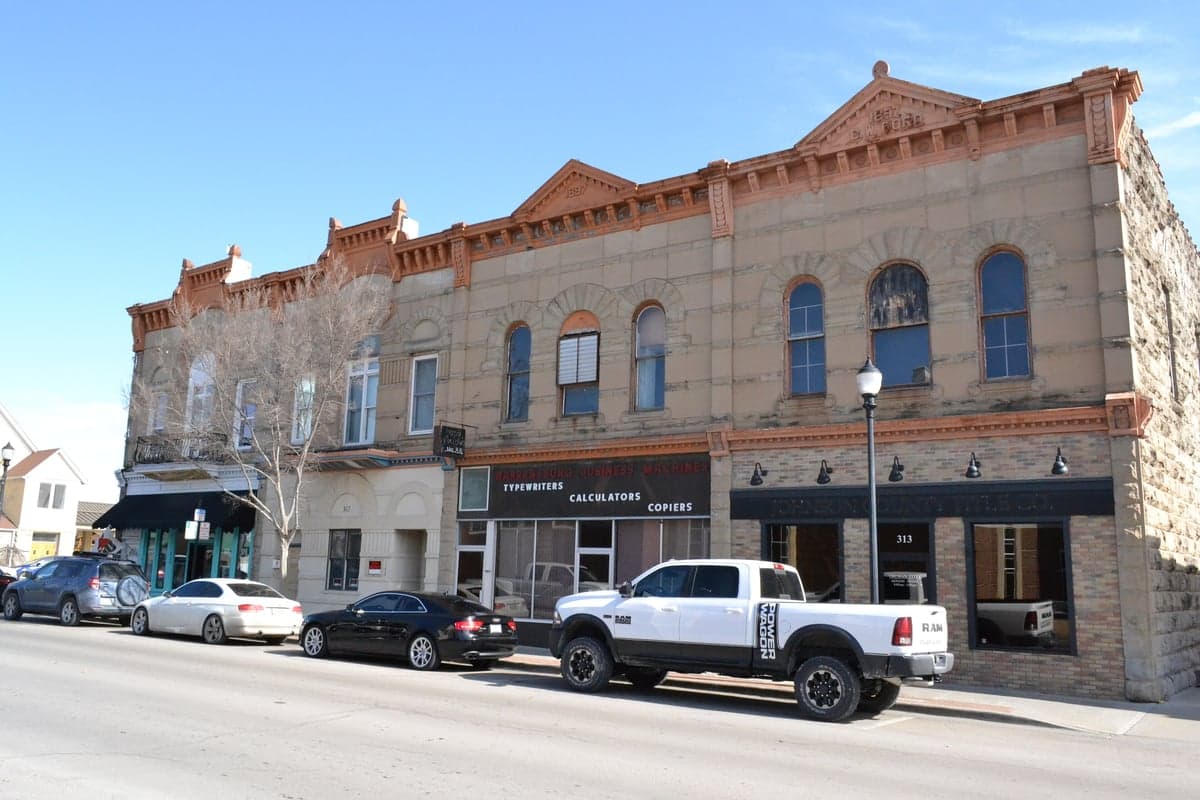
Photo: Wikipedia
Quality of Life in Warrensburg, MO
A high quality of life with strong walkability, manageable living costs, healthy neighborhood signals, and solid amenity access.
What does Quality of Life tell us?
Quality of Life blends cost of living, nearby amenities, socioeconomic signals, and neighborhood character. City-level scores represent the whole municipality; individual neighborhoods can differ.
What does this tell us?
Quality of Life blends cost of living, nearby amenities, socioeconomic signals, and neighborhood character. City-level scores represent the whole municipality; individual neighborhoods can differ.
Cost of Living
23% below national average
The Real Cost of Living in Warrensburg, MO for 2026
| Tier | Individual | Family (4) |
|---|---|---|
| Survival | $14k | $27k |
| Comfortable | $42k | $62k |
| Luxury | $103k+ | $160k+ |
| Elite (Top 5%) | $126k+ | $196k+ |
92%
The Area Signal
A metric tracking the socioeconomic signals of the area.
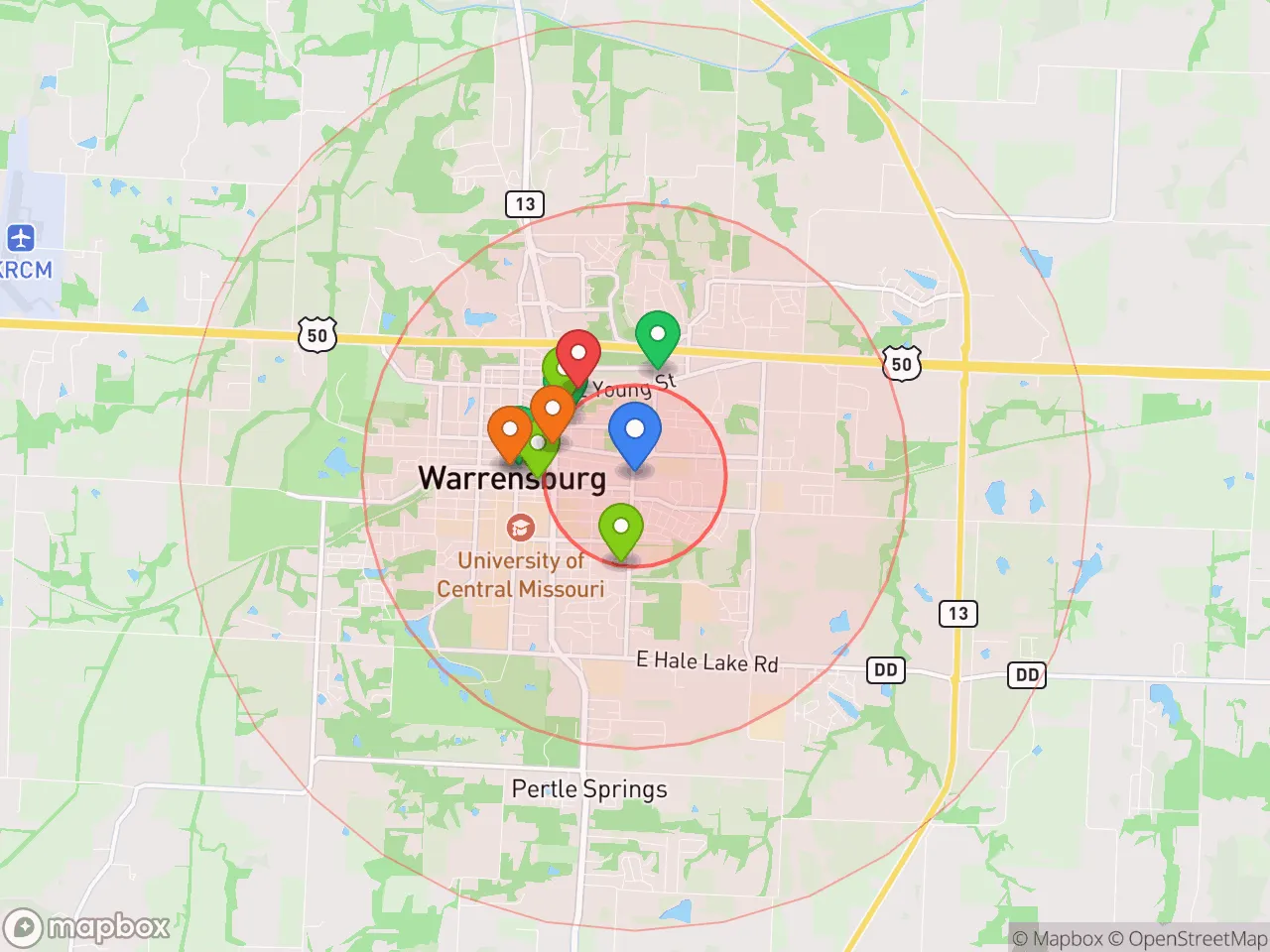
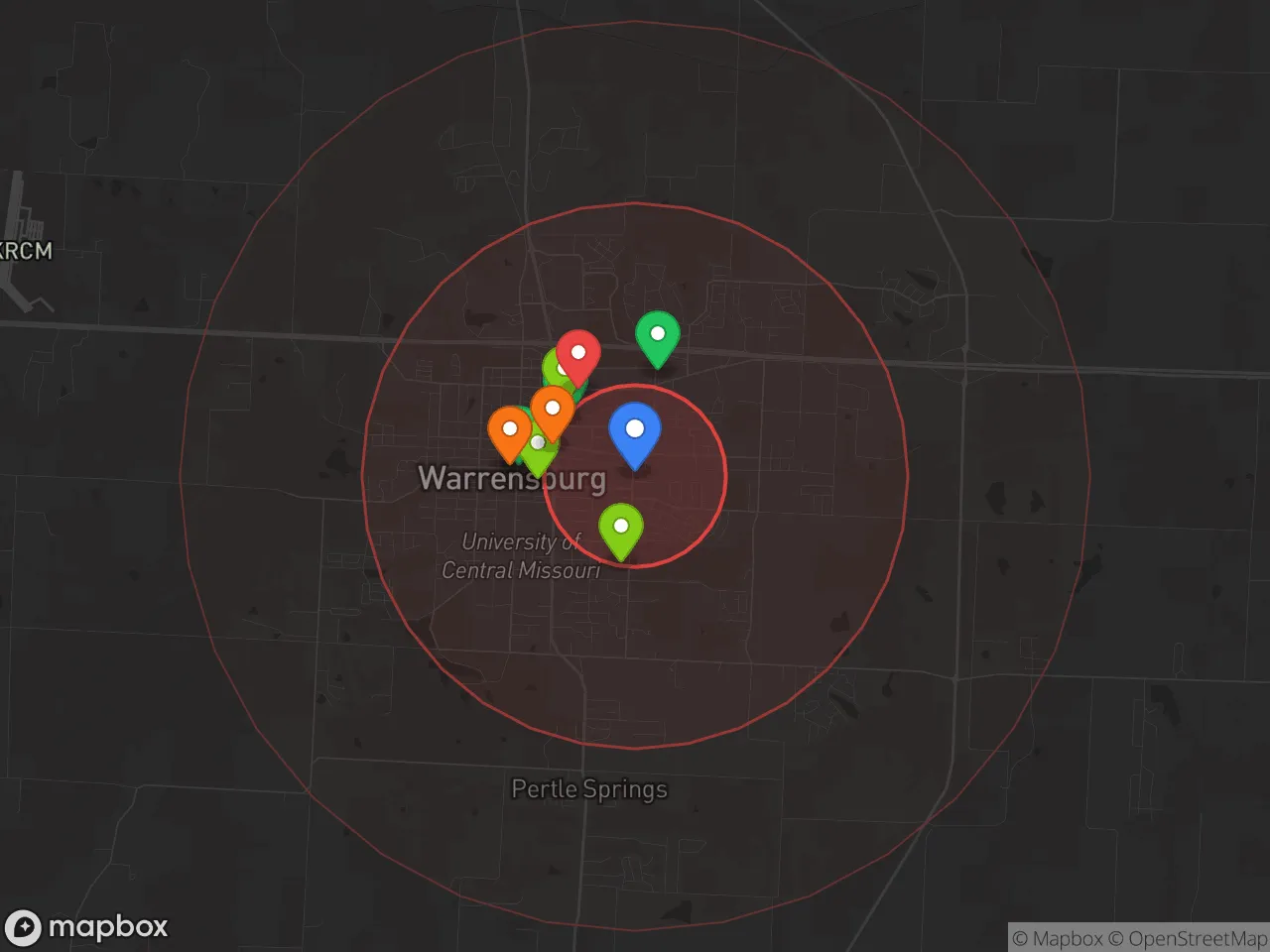
Hobbies
Explore the areaGroceries
2 within 10 miles
Gas
14 within 10 miles
Hospital
3 within 20 miles
Airport
MCI — Kansas City International
Post Office
USPS — Warrensburg, MO
Critical Amenities
Quality-of-Life Analysis
Warrensburg, Missouri, offers a quality of life defined by small-town affordability and a strong sense of community, attracting a mix of university faculty, military-affiliated families, and remote workers seeking a lower cost of living. With a cost-of-living index of 77—well below the national average of 100—the city provides a financial cushion that allows residents to prioritize homeownership, education, and leisure. The median household income of roughly $52,000 supports a comfortable, if modest, lifestyle, and the population of about 20,000 leans toward middle-class stability rather than high affluence.
How housing costs and affordability compare to nearby Kansas City
Warrensburg’s housing market is a primary draw for budget-conscious buyers and renters. The median home value sits at $216,900, significantly lower than the Kansas City metro median of roughly $290,000, while the median rent of $887 undercuts the regional average by about 30%. This affordability gap is especially pronounced for first-time buyers; a household earning the area median income can afford a mortgage on a median-priced home with a conventional loan, a scenario increasingly rare in larger Missouri cities. The average commute of just under 20 minutes further enhances value, as residents spend less time and money on transportation compared to suburban commuters in Lee’s Summit or Blue Springs. Property taxes in Johnson County (Missouri) remain low, averaging around 0.8% of assessed value, which keeps monthly carrying costs manageable.
What daily life is like for families, students, and retirees
Daily life in Warrensburg revolves around the University of Central Missouri (UCM), which anchors the local economy and cultural calendar. The university’s 10,000 students bring a youthful energy, but the town also supports a quieter rhythm for families and retirees. The Warrensburg R-VI School District is well-regarded, with a graduation rate above 90% and strong extracurricular programs in music and athletics. For amenities, residents rely on a compact downtown with locally owned restaurants like The Brickhouse and The Cellar, plus big-box retail along Maguire Street. Outdoor recreation centers on Pertle Springs, a 200-acre park with walking trails and a lake, and the Katy Trail State Park, accessible via a 15-minute drive. Healthcare is served by Western Missouri Medical Center, a critical-access hospital with 25 beds and a Level III trauma center. The city lacks a major performing arts venue or upscale shopping, but proximity to Kansas City (50 miles east) fills those gaps for weekend trips.
Warrensburg is best suited for those who prioritize financial breathing room over urban excitement. Remote workers, UCM faculty, and employees of Whiteman Air Force Base (10 miles east) form the core of the population, drawn by the low cost of living and short commutes. Retirees on fixed incomes also find the area appealing, as the median rent of $887 leaves ample room for healthcare and leisure budgets. However, those seeking dense nightlife, high-end dining, or rapid career growth in specialized fields may find the town limiting. For anyone valuing a quiet, affordable base with solid schools and easy access to a major metro, Warrensburg delivers a practical and comfortable quality of life.

Crime in Warrensburg, MO
Generally safer than 61% of comparable U.S. locations.
Violent CrimeViolent Crime Analysis
Property CrimeProperty Crime Analysis
Crime Analysis
Warrensburg, Missouri, presents a mixed safety profile that demands careful consideration from potential residents. The city’s violent crime rate of 248 incidents per 100,000 residents is notably lower than the national average, but its property crime rate of 1,810.2 per 100,000 exceeds both state and national benchmarks, indicating a heightened risk for theft and burglary. This combination of below-average violent crime and above-average property crime places Warrensburg in a category where personal safety is generally secure, but vigilance regarding property security is essential.
Crime in context
When compared to broader trends, Warrensburg’s violent crime rate sits roughly 30% below the U.S. average, a positive sign for those concerned about assault, robbery, or homicide. However, the property crime rate is approximately 25% higher than the national figure, driven largely by larceny-theft and vehicle break-ins. Missouri’s statewide property crime rate is already elevated, and Warrensburg’s numbers align with this pattern, reflecting challenges common to many college towns and regional hubs. The city’s proximity to the Kansas City metropolitan area—a large metro with progressive prosecutors and liberal judicial policies—adds a layer of concern. In such jurisdictions, lenient sentencing and reduced enforcement of property crimes can embolden offenders, potentially spilling over into nearby communities like Warrensburg. Readers should weigh this regional dynamic, as it may contribute to the elevated property crime figures.
What residents experience
Daily life in Warrensburg for most residents involves a low likelihood of violent encounters, but property crimes are a routine nuisance. Vehicle break-ins and package thefts are the most commonly reported incidents, particularly near the University of Central Missouri campus and apartment complexes. Residents often report that unlocked cars and visible valuables are frequent targets. The city’s police department maintains a visible presence, but response times can vary during peak hours. Neighborhood watch programs are active in several subdivisions, and the university provides its own campus security, which helps mitigate risks for students and staff. For families and retirees, the primary safety concern is not personal harm but the financial and emotional toll of recurring theft.
Neighborhood-level variation is notable in Warrensburg. Areas west of U.S. Route 65, including the historic downtown district, generally report lower crime rates, with fewer incidents per capita. In contrast, neighborhoods east of the railroad tracks and near the university’s southern edge see higher property crime volumes, driven by transient populations and rental properties. The city’s overall crime map shows a concentration of incidents along the commercial corridors of Maguire Street and Pine Street, where foot traffic and parking lots create opportunities for theft. Prospective renters or buyers should consult local crime maps and consider properties in established, owner-occupied neighborhoods to minimize risk. While Warrensburg is not a high-danger city, the property crime rate and its connection to broader metropolitan justice policies warrant a cautious, informed approach to relocation.
* Values derived from national, state, county, city and local statistics and may differ in a specific area. Last updated: 2026-04-29T21:00:24.000Z
Narrative content on this page is AI-generated and may contain mistakes. Verify any details that matter before acting on them.
ReloMaps may earn a commission from affiliate links at no extra cost to you.

