Strategic Assessment of Radford City County
Meaningful friction. Expect exposure to either population pressure, blast zones, or natural disaster risk. Consider buying a retreat property.
What does the Strategic Assessment tell us?
Our Strategic Assessment grades tactical survivability of an area. Major population centers, military targets, fallout zones, natural disasters, and border exposure all drive risk — lower exposure means a more defensible position in a crisis.
This is heavily inspired by Joel Skousen's Strategic Relocation book. Highly recommended you checkout the book ($)What does this tell us?
Our Strategic Assessment grades tactical survivability of an area. Major population centers, military targets, fallout zones, natural disasters, and border exposure all drive risk — lower exposure means a more defensible position in a crisis.
This is heavily inspired by Joel Skousen's Strategic Relocation book. Highly recommended you checkout the book ($)Strategic Pillars

Key Distances
Strategic Assessment Analysis
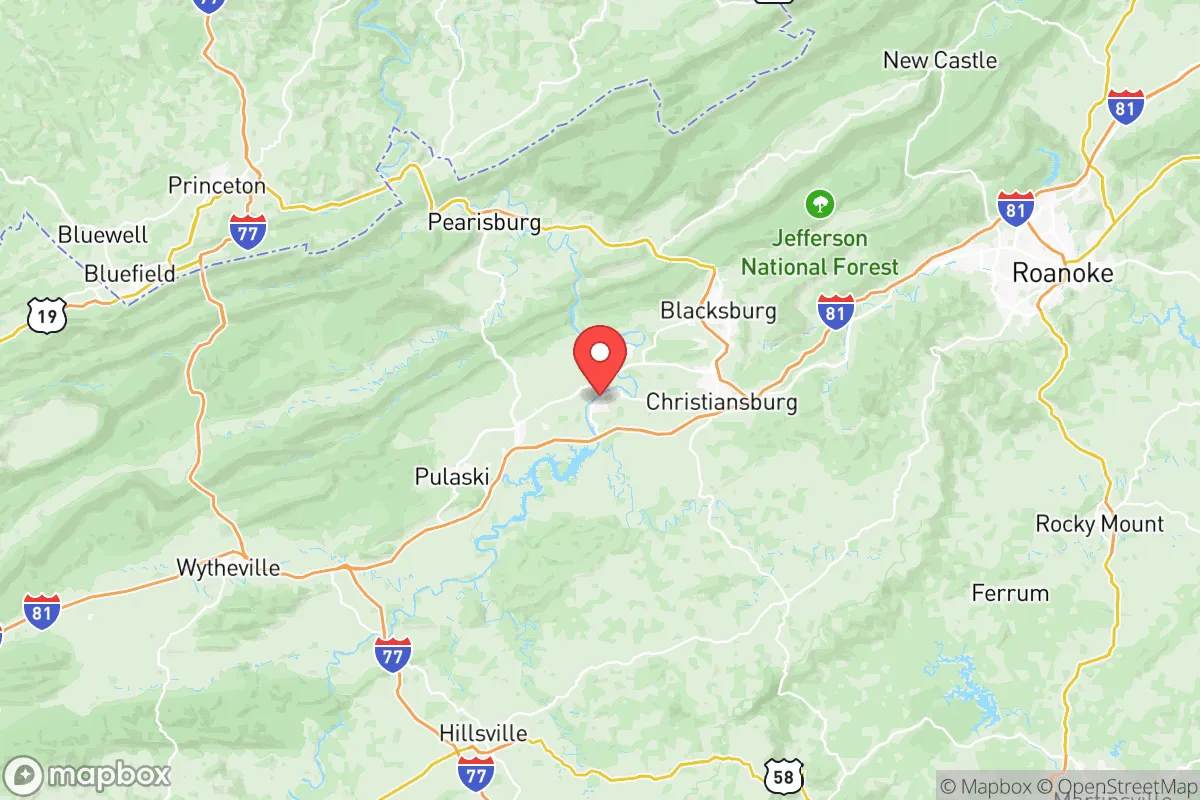
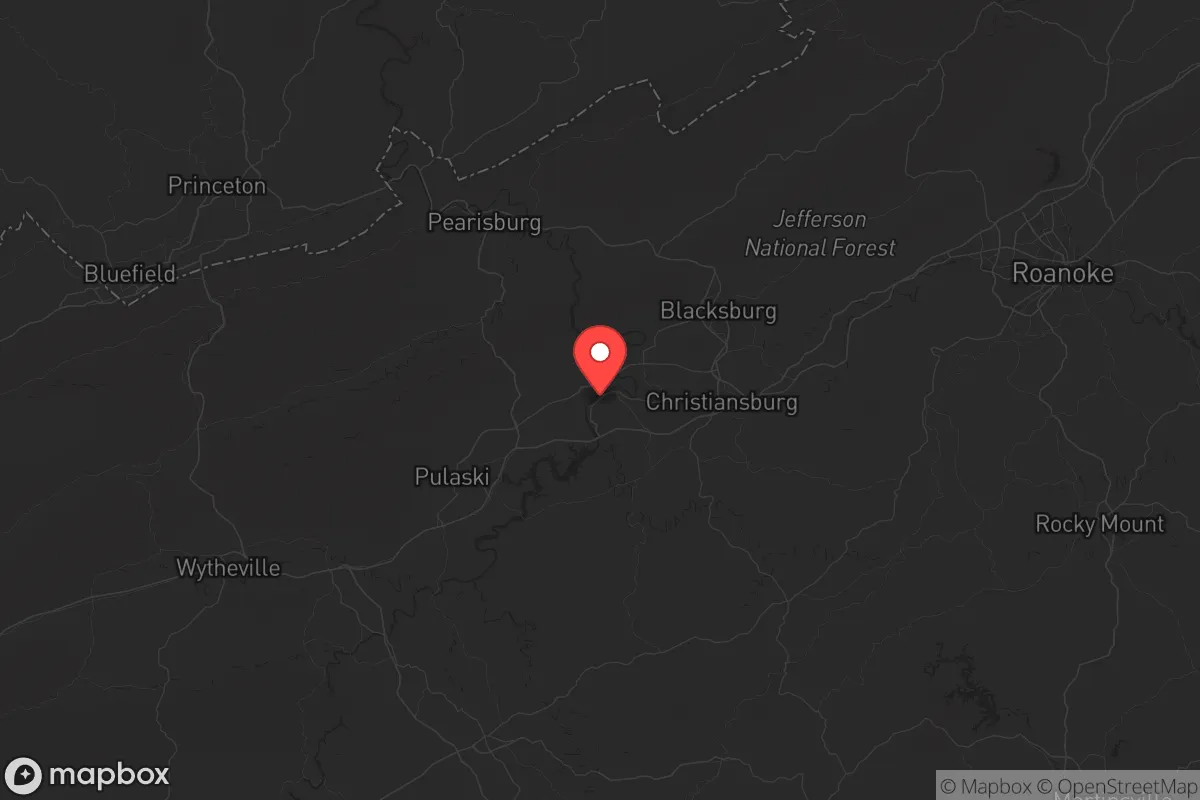
Radford City County, Virginia, occupies a unique strategic position in the Blue Ridge Highlands, offering a blend of geographic isolation and practical self-sufficiency that appeals to relocation-minded individuals and families with a conservative, preparedness-oriented outlook. The city itself, a small independent enclave of roughly 17,000 residents, sits along the New River and is flanked by the Jefferson National Forest and the Appalachian Trail, providing a natural buffer from the urban sprawl of Roanoke (about 40 miles east) and Blacksburg (just 10 miles west). This location grants residents access to the amenities of a university town—Virginia Tech’s campus is a short drive—while maintaining a distinct, small-town character that values independence and community resilience. The area’s economy is anchored by manufacturing, education, and healthcare, with major employers like Radford University and the Radford Army Ammunition Plant providing stable, non-speculative employment. For a relocator assessing long-term viability, Radford’s combination of defensible terrain, moderate climate, and low population density makes it a compelling candidate for those prioritizing security and self-reliance over metropolitan convenience.
Geographic position and natural advantages for self-sufficiency
Radford’s geography is its strongest asset for resilience. The city lies in a valley carved by the New River, one of the oldest rivers in North America, which provides a reliable, year-round water source that is less prone to drought than many other regions in the state. The surrounding mountains—Pilot Mountain and the ridges of the Jefferson National Forest—offer natural barriers that slow the spread of wildfires, limit noise and light pollution, and create microclimates that support diverse agriculture. The area’s elevation, around 2,000 feet, keeps summer temperatures moderate and reduces the risk of extreme heat events, while winter snowfall is manageable (typically 10-15 inches annually) and rarely disrupts infrastructure for more than a day. The proximity to the Appalachian Trail and the George Washington and Jefferson National Forests means that residents have immediate access to hundreds of thousands of acres of public land for hunting, foraging, and timber, which are critical for long-term self-sufficiency. Unlike the flat, exposed terrain of the Piedmont or the coastal plains, Radford’s hills and valleys provide natural cover and defensible positions, a factor that historically made the area a strategic crossroads during the Civil War and remains relevant for modern preparedness planning.
Risks, exposures, and proximity to fallout-relevant landmarks
While Radford’s isolation is a strength, it is not without vulnerabilities. The most significant man-made risk is the Radford Army Ammunition Plant, a sprawling 7,000-acre facility that produces propellants and explosives for the U.S. military. This plant is a clear target in any major conflict scenario, and its presence means that residents within a 5-10 mile radius could face immediate danger from an accidental explosion or a deliberate strike. The plant’s operations also involve the transport of hazardous materials via rail and truck through the city center, increasing the risk of industrial accidents. Additionally, Radford is located roughly 40 miles from the Pittsylvania County uranium deposit—a controversial, undeveloped resource that, if mined, could create long-term environmental and health concerns. On the natural disaster front, the region is seismically stable, but the New River Valley is prone to flash flooding, particularly in low-lying areas near the river and its tributaries like Connelly’s Run. The 2021 flooding in nearby Giles County serves as a reminder that even modest rainfall can overwhelm local drainage. For a relocator, the key takeaway is that Radford’s risks are localized and manageable—there are no major refineries, nuclear power plants, or large ports within 100 miles—but the ammunition plant is a non-negotiable factor that requires careful consideration of one’s proximity to the facility.
Practical resilience for a relocator: food, water, energy, and defensibility
For a family or individual serious about self-sufficiency, Radford offers a strong foundation. The New River is a reliable water source, but municipal water comes from the Radford Water Treatment Plant, which draws from the river and is vulnerable to contamination from upstream industrial sites or a plant incident. A well on private property is a wise investment, and the area’s groundwater is generally good, though testing for heavy metals is recommended due to historical mining in the region. Food security is bolstered by the Radford Farmers Market (operating April through November) and a growing network of local farms, such as Spout Run Farm in nearby Floyd County, which offers pasture-raised meats and produce. The growing season is about 150 days, suitable for cold-hardy crops like kale, potatoes, and apples, and the surrounding forests are rich in deer, turkey, and small game. Energy resilience is mixed: Appalachian Power provides electricity, but outages from winter storms or summer thunderstorms are common, lasting a few hours to a day. Solar panel installation is viable, with average annual sunlight of 4.5 peak hours per day, and the hilly terrain allows for passive solar heating. For defensibility, Radford’s layout—a compact city surrounded by rural land—means that a relocator can choose a property on the outskirts with clear sightlines and limited access points. The local sheriff’s office and Radford City Police maintain a visible presence, but the area’s low crime rate (violent crime is roughly half the national average) means that most residents rely on community networks rather than formal security. The Radford Arsenal (the ammunition plant) also employs a private security force that patrols the perimeter, adding an extra layer of surveillance to the area’s eastern edge.
In the broader strategic picture, Radford City County represents a balanced option for the conservative relocator who values preparedness without embracing extreme isolation. The city’s proximity to Virginia Tech and the New River Valley Regional Hospital ensures access to advanced medical care and education, while the surrounding national forests provide a buffer against the chaos of urban collapse. The ammunition plant is a double-edged sword—it brings economic stability and a skilled workforce, but it also introduces a single point of failure that could render the area uninhabitable in a worst-case scenario. For those willing to accept that risk, Radford offers a defensible, resource-rich environment where a family can establish a self-sufficient homestead within a 30-minute drive of a major university and its associated resources. The area’s conservative political leanings (Radford City voted +12 for Trump in 2020) align with the values of the target audience, and the local culture emphasizes neighborly cooperation and gun ownership, both of which are assets in a crisis. Ultimately, Radford is not a bug-out location for the paranoid—it is a livable, working-class community where resilience is built into the landscape, not just the mindset.

* Values derived from national, state, county, city and local statistics and may differ in a specific area. Last updated: 2026-07-27T01:02:05.000Z
Narrative content on this page is AI-generated and may contain mistakes. Verify any details that matter before acting on them.
ReloMaps may earn a commission from affiliate links at no extra cost to you.

