Quality of Life in Radford City County
A livable area that tracks near national norms for affordability, walkability, and neighborhood health.
What does Quality of Life tell us?
Quality of Life measures an area by evaluating factors like cost of living, nearby amenities, country club access, airport proximity, socioeconomic signals and neighborhood character. For large states, this is a general average — quality of life can vary dramatically between metro areas, suburbs, and rural communities within the same state.
What does this tell us?
Quality of Life measures an area by evaluating factors like cost of living, nearby amenities, country club access, airport proximity, socioeconomic signals and neighborhood character. For large states, this is a general average — quality of life can vary dramatically between metro areas, suburbs, and rural communities within the same state.
Cost of Living
20% below national average
87%
The Real Cost of Living in Radford City County for 2026
| Tier | Individual | Family (4) |
|---|---|---|
| Survival | $15k | $29k |
| Comfortable | $41k | $60k |
| Luxury | $95k+ | $148k+ |
| Elite (Top 5%) | $117k+ | $181k+ |
Quality-of-Life Analysis
Radford City County, Virginia, offers a compact but varied quality-of-life spectrum, blending a small university town with quiet rural pockets and suburban-style neighborhoods. The county’s character is defined by its dual identity as both the home of Radford University and a historically industrial community along the New River, attracting students, faculty, young professionals, and families seeking affordable living within commuting distance of the New River Valley’s larger employment hubs. With a cost of living index of 80—20% below the national average—and a median home value of $211,700, the county provides a tangible range of housing and lifestyle options across its distinct areas.
Largest town(s) & population centers
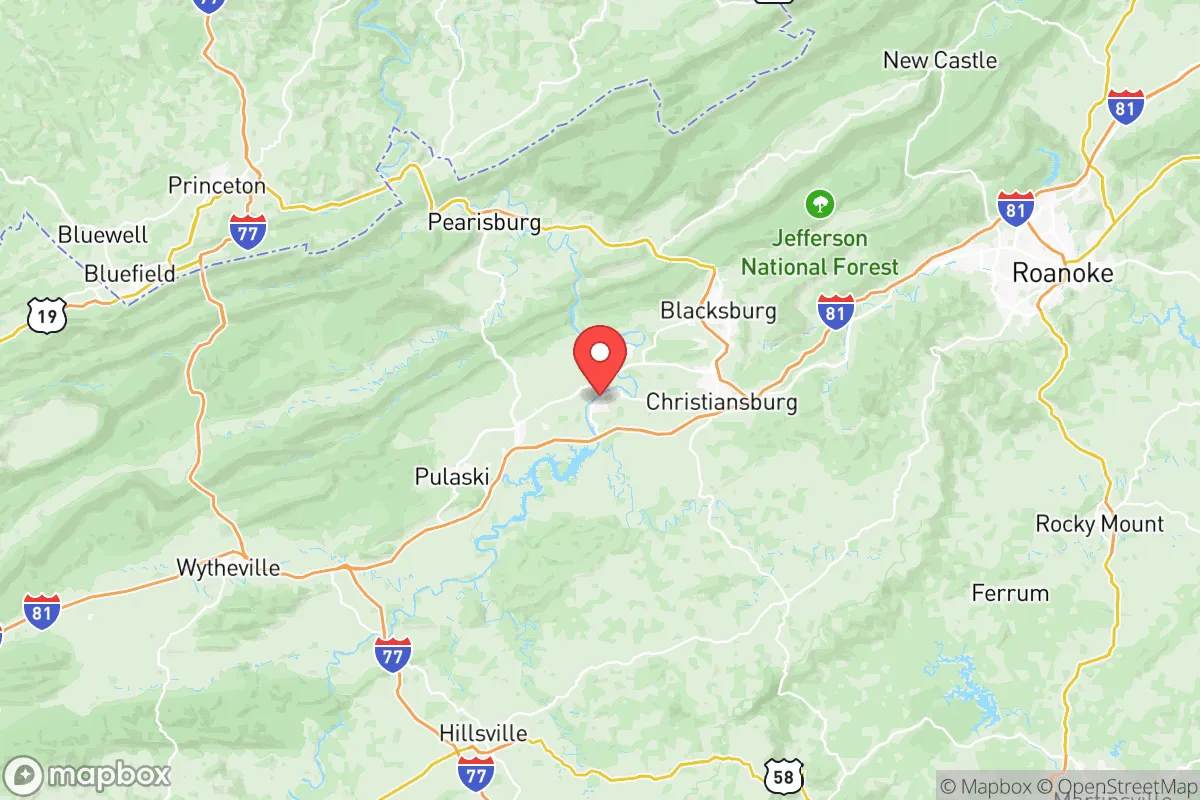
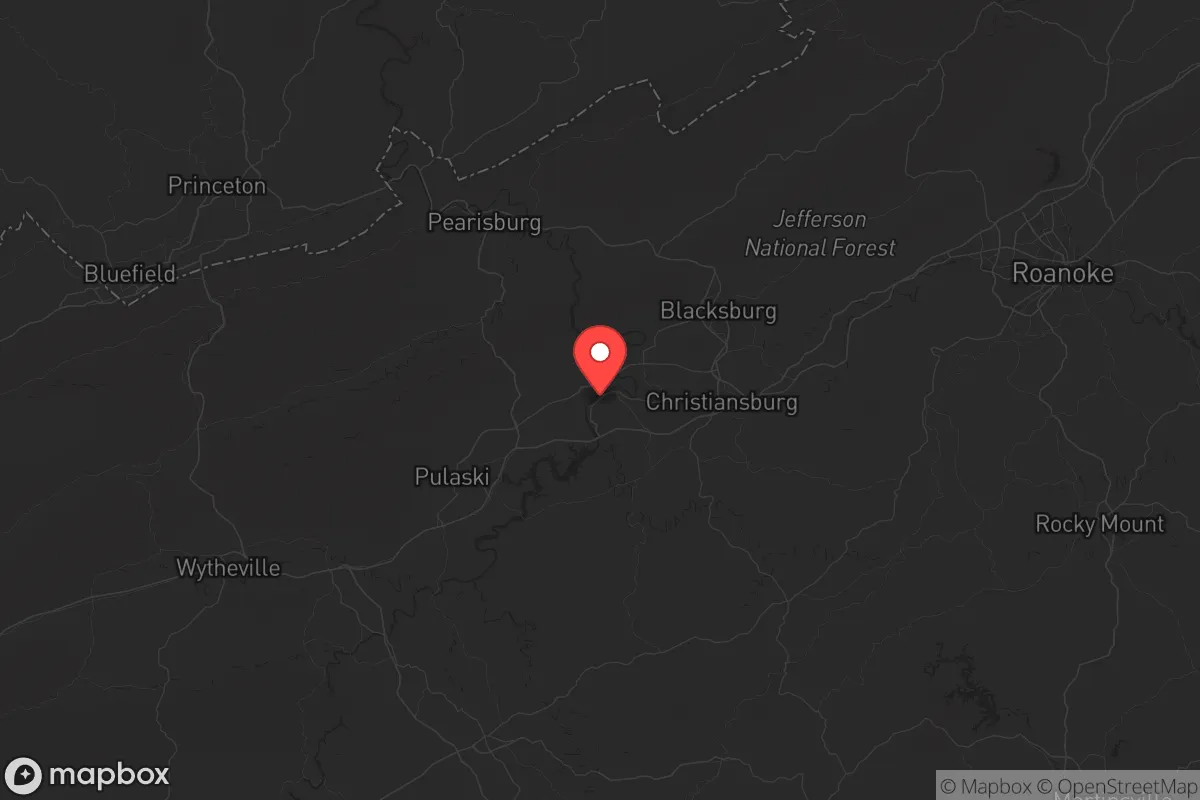
The city of Radford itself is the county’s sole incorporated municipality and its undisputed population center, home to roughly 17,000 residents. Daily life here revolves around the university, which anchors the downtown area with student-oriented businesses, coffee shops, and seasonal events like the Radford Highlanders Festival. The historic district near the university features older homes and walkable streets, while the eastern side of the city along Route 11 and near the New River offers newer subdivisions and apartment complexes catering to families and commuters. The average commute of just under 17 minutes is among the shortest in Virginia, making it feasible to live in Radford and work in nearby Christiansburg or Blacksburg without significant travel time. The median rent of $966 reflects the student housing market, though many rental units are also occupied by young professionals and retirees.
Smaller towns & rural pockets
Beyond the city limits, Radford City County includes several unincorporated communities and rural areas that offer a quieter, more land-based lifestyle. The community of Ingleside, located along the New River southeast of downtown, is a small residential area with a mix of older farmhouses and newer single-family homes on larger lots. To the west, the area around Peppers Ferry Road and Wildwood Road transitions into rolling farmland and wooded hillsides, with properties often sitting on one to five acres. The Fairlawn area, straddling the county line with Pulaski County, is a small crossroads community with a few churches, a volunteer fire department, and a scattering of homes that appeal to those seeking a rural feel while remaining within 10 minutes of Radford’s grocery stores and medical facilities. These pockets lack municipal services like public water and sewer in many cases, which keeps property taxes lower but requires well and septic maintenance.
Cost & lifestyle range
The cost and lifestyle spread across Radford City County is relatively narrow compared to larger metro areas, but meaningful differences exist. At the lower end of the spectrum, older homes near the university or in the central city core can be found for under $150,000, often as fixer-uppers or smaller bungalows, with monthly costs well below the county median. The median home value of $211,700 places the typical single-family home in the middle of the range, with newer construction in subdivisions like New River Estates or Highland Park commanding $250,000 to $300,000. At the upper end, riverfront properties along the New River in the Ingleside and Peppers Ferry areas can exceed $350,000, offering water access, larger acreage, and privacy. Renters face a tight market, with the median $966 rent often covering two-bedroom apartments in newer complexes near the university, while older units in the city core can rent for under $800. The overall cost of living index of 80 means that even the priciest homes in the county remain affordable relative to national averages, and property taxes are among the lowest in the New River Valley.
This county is best suited for those who value affordability, short commutes, and a mix of small-town energy and rural quiet. Students and university staff thrive in the walkable core of Radford, while families and remote workers gravitate toward the subdivisions and rural pockets for space and lower costs. Retirees and outdoor enthusiasts appreciate the New River access and proximity to the Blue Ridge Parkway, though those seeking a vibrant nightlife or extensive shopping will find more options in neighboring Blacksburg or Christiansburg. Radford City County’s range of quality-of-life options is modest but genuine, offering a clear trade-off between urban convenience and rural tranquility within a single, manageable geography.

Crime in Radford City County
Generally safer than 60% of comparable U.S. locations.
Violent CrimeViolent Crime Analysis
Property CrimeProperty Crime Analysis
Crime Analysis
Radford City, an independent city in Virginia's New River Valley, reports a violent crime rate of 209.3 per 100,000 residents and a property crime rate of 1,392 per 100,000. These figures place Radford in a middle tier for safety within the region, significantly safer than larger nearby cities like Roanoke but notably higher than the surrounding, more rural counties of Montgomery and Pulaski. The presence of Radford University creates a unique dynamic, with student-populated areas experiencing different crime patterns than the city's residential neighborhoods.
Crime in context
Radford's violent crime rate of 209.3 per 100,000 is roughly 40% lower than the national average of approximately 370 per 100,000 and well below the Virginia state average of about 240 per 100,000. Property crime, however, tells a different story: at 1,392 per 100,000, Radford's rate exceeds both the national average (1,954) and the Virginia average (1,150). This property crime figure is driven largely by larceny and theft, much of it concentrated around the university campus and the city's commercial corridors along Main Street and Tyler Avenue. For comparison, the neighboring town of Blacksburg (home to Virginia Tech) reports a property crime rate near 1,100 per 100,000, while the more rural town of Dublin in Pulaski County sits around 800 per 100,000. The progressive-leaning judicial philosophy in the New River Valley's 27th Judicial Circuit, which includes Radford, has been a point of concern for some residents who feel that lenient sentencing for property offenders contributes to repeat offenses and a revolving-door effect in the local jail system.
What residents experience
Daily life in Radford is generally safe, but residents adjust their habits based on location and time of day. The university area, particularly the neighborhoods around Norwood Street and Jefferson Street, sees higher rates of bicycle theft, vehicle break-ins, and alcohol-related disturbances, especially during the academic year. The city's West End, near the Radford Arsenal and the New River, is considered one of the safer residential zones, with lower reported crime and a more family-oriented atmosphere. The East Main Street corridor, stretching toward the Fairlawn community, experiences a disproportionate share of the city's property crime, including shoplifting and vehicle larceny. Violent crime in Radford is rare but not absent; incidents are typically isolated and often involve individuals known to each other, with the city's homicide rate averaging less than one per year over the past decade. The Radford City Police Department maintains a visible presence, particularly during university events, and operates a community policing program that has been effective in building trust in the city's quieter neighborhoods.
Neighborhood-level variation is significant in Radford. The area around Bisset Park and the Wildwood Park neighborhood consistently reports the lowest crime rates, with many residents leaving doors unlocked during the day. Conversely, the apartment complexes near the intersection of Route 11 and Route 177, including the Radford Village and University Terrace areas, see higher call volumes for noise complaints, domestic disturbances, and theft. The city's proximity to the larger Roanoke metro area (about 40 miles east) means that some property crime is linked to transient offenders traveling between cities. For those considering relocation, the safest bets are the single-family home neighborhoods west of the university and south of the New River, where crime rates are comparable to the safest parts of Pulaski County. The progressive policies of the local judiciary, while well-intentioned, have created a perception among long-term residents that property crime is not taken seriously enough, a factor worth weighing when choosing a specific street or block.
* Values derived from national, state, county, city and local statistics and may differ in a specific area. Last updated: 2026-07-27T01:02:05.000Z
Narrative content on this page is AI-generated and may contain mistakes. Verify any details that matter before acting on them.
ReloMaps may earn a commission from affiliate links at no extra cost to you.

