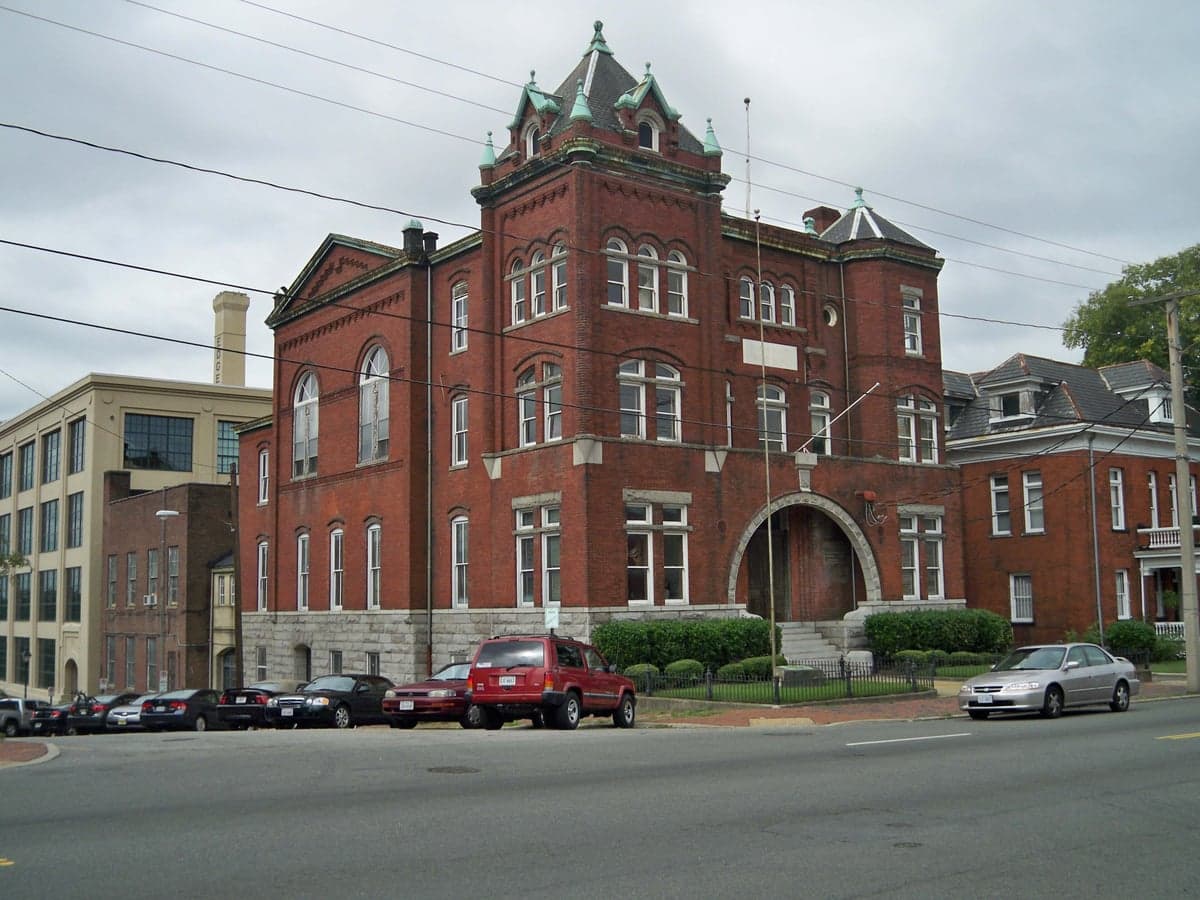
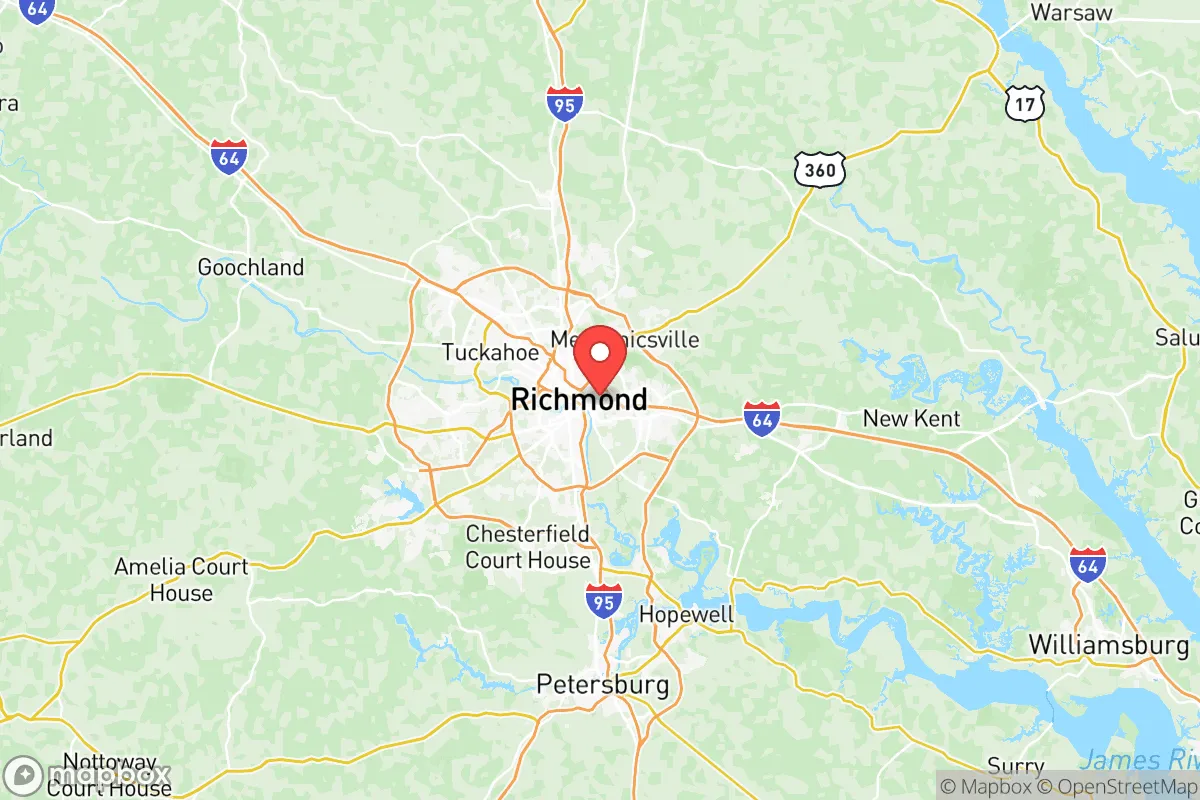
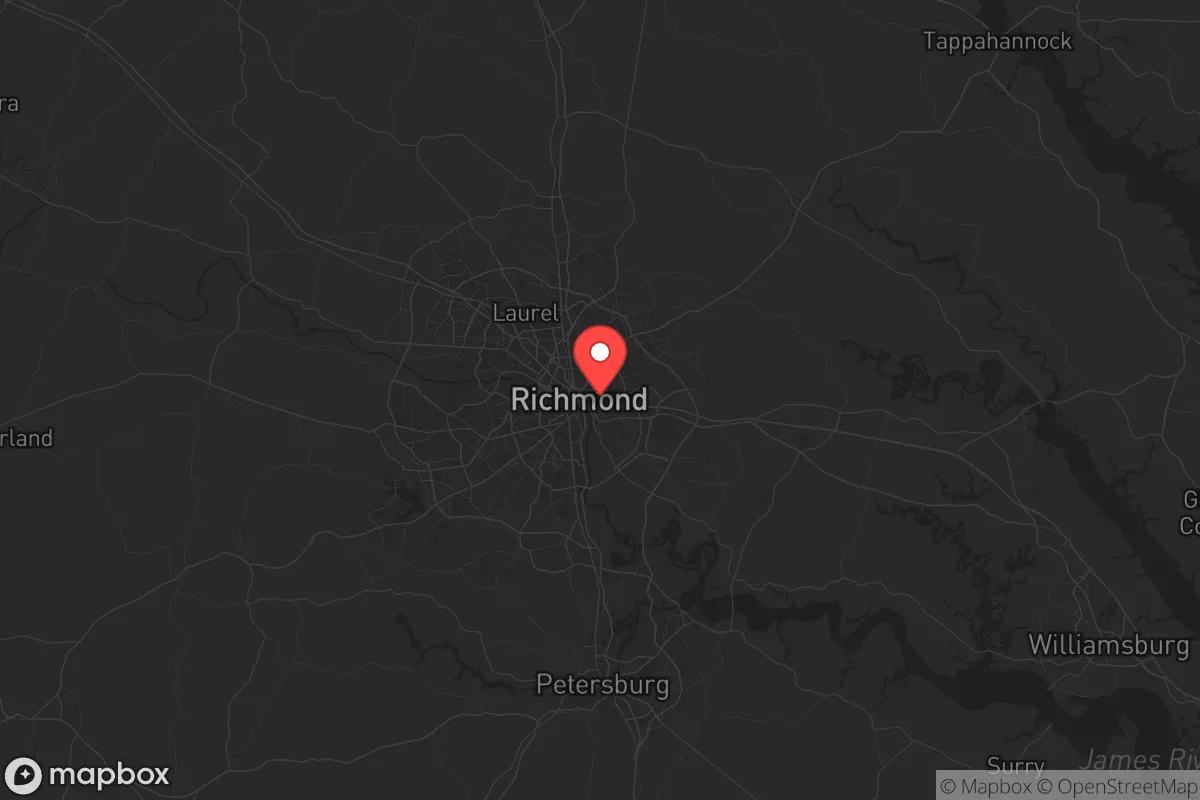
Photo: Wikipedia
Find The Best Places To Live in Henrico County
PRO TIP! You can paste a Zillow or Redfin link to get info on that property.
Best Places to Live in Henrico County
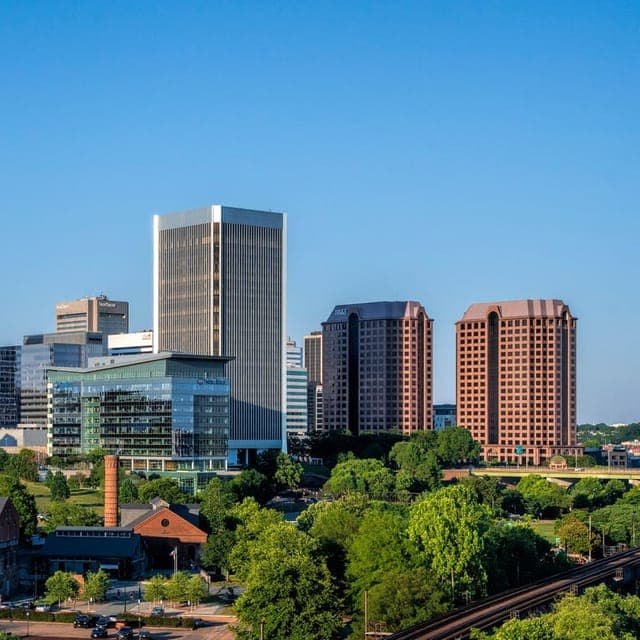
Cities & Towns in Henrico County
Cities in Henrico County
What It's Like Living in Henrico County, VA
Living in Henrico County means you’re part of a sprawling, unassuming suburban powerhouse that wraps around Richmond like a comfortable, well-worn jacket. It’s not a single city or town, but a collection of distinct communities—from the bustling commercial corridors of Short Pump to the quiet, leafy streets of Tuckahoe and the more rural, spread-out feel of eastern Henrico near Varina. People here tend to be practical, family-focused, and value a good school system and a short commute over urban nightlife. The vibe is less “keeping up with the Joneses” and more “making sure the kids’ soccer practice is only 10 minutes away.”
The Daily Rhythm: Strip Malls, Schools, and Short Commutes
Most days in Henrico revolve around a few predictable anchors: work, school, and errands. The average commute clocks in at just over 22 minutes, which feels almost luxurious compared to Northern Virginia or Hampton Roads. You’ll see a lot of people driving practical SUVs between the sprawling shopping centers of Short Pump—where Wegmans and West Broad Village draw crowds on weekends—and the older, more established neighborhoods of Glen Allen. The county’s median age of 34.5 reflects a population heavy on young families and early-to-mid-career professionals. With a median household income of $62,671, it’s a comfortably middle-class place where two-income households are the norm. The schools are a major focal point: Henrico County Public Schools are consistently well-regarded, and conversations at local coffee shops like Lamplighter Roasting Company in the West End often turn to boundary lines and teacher assignments. For many, the quality of the local elementary school is the single biggest factor in choosing a neighborhood.
Sports, Community, and Where People Actually Hang Out
Sports fandom here is a layered thing. There’s no major pro team in the county itself, but the Richmond Flying Squirrels (the Giants’ Double-A affiliate) draw a loyal, family-friendly crowd to The Diamond just across the city line. High school football is a genuine event, especially at schools like Hermitage High School and Deep Run High School, where Friday-night games are community gatherings that pack the bleachers. For college sports, University of Richmond and VCU are both a short drive away, and you’ll see plenty of UVA and Virginia Tech flags on porches. On weekends, the outdoor life is a big draw. Deep Run Park in the West End is a favorite for jogging trails and pond-side picnics, while the James River offers kayaking and tubing for those willing to drive 15 minutes into Richmond proper. The county’s own Henrico Theatre in Highland Springs hosts classic movies and live performances, giving a nod to the area’s older, more traditional roots. For food, you’ll find everything from the upscale Italian at Edo’s Squid (technically in Richmond but a regular haunt for Henrico residents) to the no-frills barbecue at Q Barbeque in Glen Allen. The Short Pump Town Center is the de facto social hub for many—a dense mix of chain restaurants, a movie theater, and the kind of outdoor mall where you’ll inevitably run into someone you know.
What It Costs: The Trade-Offs of Suburban Comfort
The cost of living index sits at 114, meaning it’s about 14% above the national average. That’s not cheap, but it’s a bargain compared to D.C. or even parts of Northern Virginia. The median home value of $328,100 gets you a solid, 3-4 bedroom house in a good school district—think brick colonials in Tuckahoe or newer construction in the Short Pump area. The catch is that property taxes, while not outrageous, are a common gripe among longtime residents. The other frustration is traffic: while the commute is short on paper, the congestion on West Broad Street and Interstate 64 during rush hour is a daily grind that can turn a 22-minute drive into a 40-minute slog. The violent crime rate of 211.1 per 100,000 is lower than the national average, but residents in eastern Henrico (near Sandston and Varina) will tell you that property crime—especially package theft and car break-ins—is a persistent annoyance. The weather is a four-season affair: humid summers that make you grateful for central air, mild autumns perfect for the State Fair of Virginia at Meadow Event Park, and winters that are mostly gray and damp with the occasional snow day that shuts everything down for 24 hours.
Pros and Cons of Living in Henrico County
- Pro: Excellent public schools that are a genuine community anchor, especially in the West End and Glen Allen.
- Pro: A short, manageable commute to Richmond’s jobs, plus easy access to I-64 for weekend trips to Williamsburg or the mountains.
- Pro: A wide range of housing options, from historic homes in Tuckahoe to new subdivisions in the eastern part of the county.
- Con: Traffic on West Broad Street and I-64 is a daily frustration that only gets worse with new development.
- Con: The cost of living is noticeably higher than the rest of Virginia outside of Northern Virginia, and property taxes are a common complaint.
- Con: The cultural scene is thin compared to Richmond proper—most nightlife and live music requires a short drive into the city.
Henrico County works best for people who want a stable, predictable suburban life with good schools and a reasonable commute, and who are willing to trade urban energy for a backyard and a short drive to the grocery store. It’s not flashy, but it’s reliable—and for the families and professionals who settle here, that’s exactly the point.

* Values derived from national, state, county, city and local statistics and may differ in a specific area. Last updated: 2026-11-16T15:20:58.000Z
Narrative content on this page is AI-generated and may contain mistakes. Verify any details that matter before acting on them.
ReloMaps may earn a commission from affiliate links at no extra cost to you.

