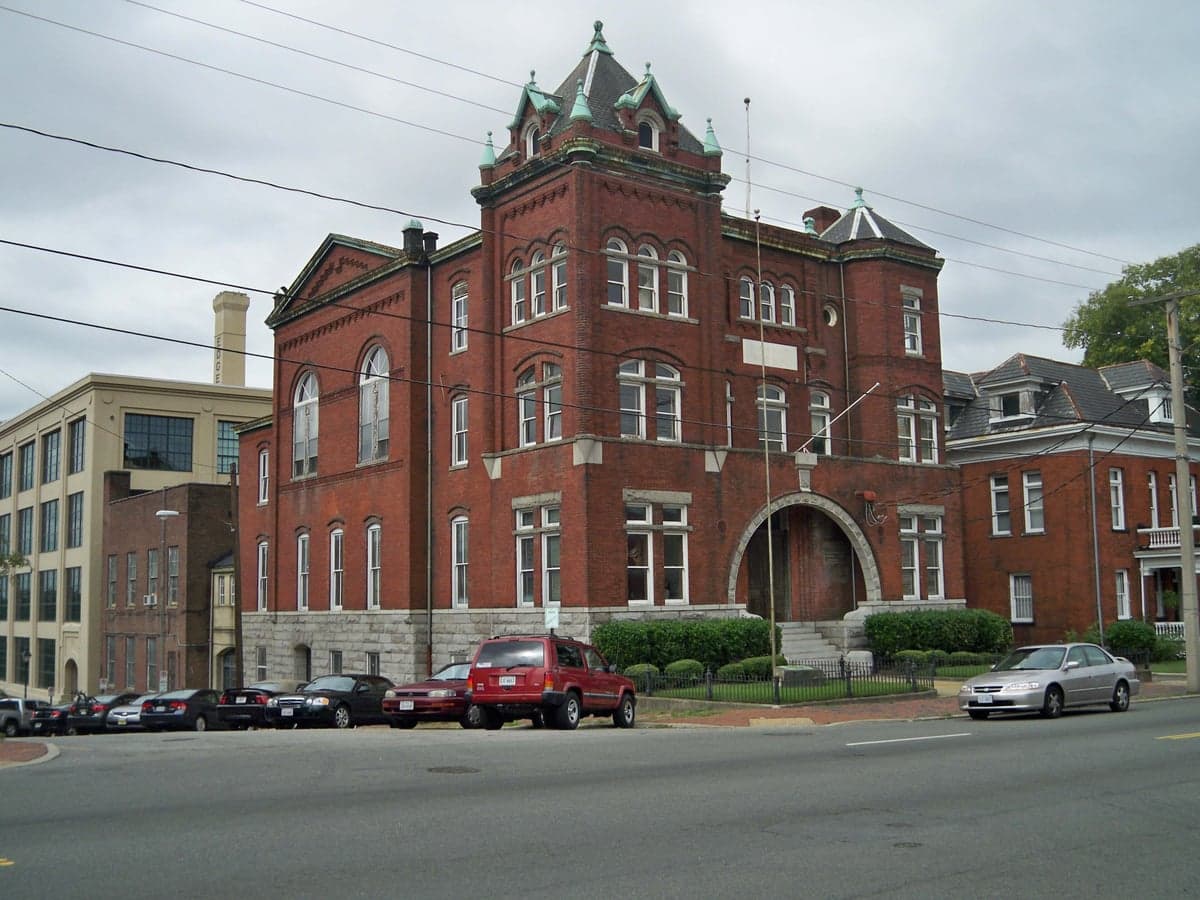
Photo: Wikipedia
Quality of Life in Henrico County
A livable area that tracks near national norms for affordability, walkability, and neighborhood health.
What does Quality of Life tell us?
Quality of Life measures an area by evaluating factors like cost of living, nearby amenities, country club access, airport proximity, socioeconomic signals and neighborhood character. For large states, this is a general average — quality of life can vary dramatically between metro areas, suburbs, and rural communities within the same state.
What does this tell us?
Quality of Life measures an area by evaluating factors like cost of living, nearby amenities, country club access, airport proximity, socioeconomic signals and neighborhood character. For large states, this is a general average — quality of life can vary dramatically between metro areas, suburbs, and rural communities within the same state.
Cost of Living
14% above national average
67%
The Real Cost of Living in Henrico County for 2026
| Tier | Individual | Family (4) |
|---|---|---|
| Survival | $21k | $39k |
| Comfortable | $64k | $94k |
| Luxury | $113k+ | $175k+ |
| Elite (Top 5%) | $169k+ | $262k+ |
Quality-of-Life Analysis
Henrico County, Virginia, offers a remarkably broad spectrum of living environments, from dense, walkable suburbs in the eastern and western corridors to quiet, semi-rural pockets in the northern and central reaches. This diversity means the county attracts a wide range of residents: young professionals and families seeking the convenience of the Short Pump town center, longtime locals who prefer the slower pace of communities like Glen Allen or Sandston, and those who want acreage without sacrificing proximity to Richmond. The county’s character is defined less by a single identity and more by the distinct personalities of its five magisterial districts, each offering a different balance of urban energy, suburban comfort, and rural tranquility.
Largest town(s) & population centers
The most prominent population center in Henrico is Short Pump, a high-growth, master-planned area in the western part of the county. Daily life here revolves around the Short Pump Town Center, a dense, pedestrian-friendly hub of retail, dining, and entertainment, and the adjacent West Broad Village. This area is a magnet for professionals and families who want a suburban lifestyle with urban amenities—think high-end grocery stores, boutique fitness studios, and a calendar of community events. The average commute from Short Pump to downtown Richmond is roughly 22 minutes, aligning closely with the county’s overall average of 22.1 minutes. Further east, the Innsbrook area serves as a major employment node, hosting a dense cluster of corporate offices and tech firms, which draws a daytime population of commuters from across the region. While not a traditional town, the East End (including the communities of Highland Springs and Sandston) offers a more established, older suburban feel, with a mix of single-family homes and a stronger connection to Richmond’s history and the Richmond International Airport.
Smaller towns & rural pockets
Beyond the major commercial corridors, Henrico retains several smaller communities and genuinely rural areas. Glen Allen, while now largely suburbanized, still has a historic core around the intersection of Mountain and Pouncey Tract roads, with older homes and a village-like atmosphere. Sandston, located near the airport, is a classic unincorporated community with a strong sense of place, featuring modest mid-century homes, local diners, and a quieter pace. For a taste of true rural Henrico, head to the Varina District in the eastern part of the county. Here, along the James River, you’ll find large-lot subdivisions, horse farms, and agricultural land, particularly around the communities of Varina and Curles Neck. This area offers a distinctly different lifestyle—more space, less traffic, and a connection to the county’s agricultural roots—while still being within a 30-minute drive of downtown Richmond. The Fairfield District in the northeast also contains significant rural stretches, with winding roads and wooded lots that feel far removed from the Short Pump bustle.
Cost & lifestyle range
The cost of living and available amenities vary dramatically across Henrico. The county’s overall Cost of Living Index is 114 (100 is the U.S. average), but this figure masks significant internal variation. At the high end, Short Pump and the West End (near Innsbrook) command premium prices. The median home value in Henrico is $328,100, but in Short Pump, that figure can easily exceed $450,000, with many new construction homes and townhomes priced well above $500,000. Median rent countywide is $1,314, but a one-bedroom apartment in a Short Pump complex often rents for $1,500 or more. At the lower end of the cost spectrum, the East End (Highland Springs, Sandston) and parts of the Varina District offer more affordable housing. Here, median home values can be $50,000 to $100,000 below the county average, and rental options are more plentiful under $1,200. The trade-off is clear: Short Pump offers the highest concentration of retail, dining, and entertainment, while the East End and Varina offer more space, lower costs, and a quieter, more community-oriented lifestyle. The average commute of 22.1 minutes is a countywide figure, but residents in the West End often face longer drives to downtown, while those in the East End may have a shorter, more direct route.
Henrico County is a place where a young professional can live in a walkable apartment complex near Short Pump, a family can find a spacious home on a half-acre lot in Glen Allen, and a retiree can enjoy a quiet, rural property in Varina—all within the same county. The diversity of options means that the key to thriving here is matching your lifestyle priorities to the right district. Those who value convenience, amenities, and a bustling social scene will gravitate to the West End, while those who prioritize space, lower costs, and a slower pace will find their fit in the East End or northern rural pockets. Henrico’s strength is that it offers both, without forcing a compromise on access to Richmond’s job market and cultural attractions.

Crime in Henrico County
Generally safer than 60% of comparable U.S. locations.
Violent CrimeViolent Crime Analysis
Property CrimeProperty Crime Analysis
Crime Analysis
Henrico County, Virginia, presents a mixed safety profile for prospective residents. With a violent crime rate of 211.1 per 100,000 residents, the county is safer than nearby Richmond but still faces property crime challenges at 1,395.4 per 100,000. Understanding how these numbers compare to state and national averages, and how they vary across specific communities like Short Pump, Glen Allen, and Sandston, is essential for anyone considering a move to this suburban Richmond area.
Crime in context
Henrico County's violent crime rate of 211.1 per 100,000 is notably lower than Virginia's statewide average of roughly 240 per 100,000 and well below the national rate of about 380 per 100,000. This places Henrico in a relatively favorable position among Virginia's suburban counties. However, the property crime rate of 1,395.4 per 100,000 is slightly above the state average of approximately 1,300 per 100,000, driven largely by theft and vehicle break-ins in commercial corridors. The county's proximity to Richmond, which has a violent crime rate exceeding 600 per 100,000, means that some spillover crime occurs, particularly along the I-64 and I-95 corridors that connect Henrico's western and eastern ends to the city. The county's own police department, rather than the Richmond Police, handles law enforcement, and its approach has historically been more conservative than that of the city's progressive prosecutor's office. This distinction matters: Richmond's elected Commonwealth's Attorney has pursued policies like declining to prosecute certain low-level offenses, which critics argue has contributed to a rise in property crime and recidivism in the city. Henrico's prosecutor, while not as aggressive as some rural counterparts, has maintained a more traditional stance, though residents in areas like Sandston and Highland Springs near the city line report feeling the effects of Richmond's lenient policies more acutely.
What residents experience
Daily life in Henrico County varies sharply by neighborhood. In Short Pump and Glen Allen, the western suburbs anchored by upscale shopping centers and new housing developments, residents typically experience very low violent crime and property crime rates well below the county average. These areas benefit from higher property values, active homeowners' associations, and a strong police presence. In contrast, the eastern part of the county—including Sandston, Highland Springs, and parts of Varina—sees higher rates of both violent and property crime. These communities are older, with more rental housing and closer proximity to Richmond's higher-crime neighborhoods. Residents in these areas report more frequent car break-ins, package thefts, and occasional burglaries. The county's data shows that property crime is concentrated along commercial strips like Williamsburg Road and Nine Mile Road, where retail theft and vehicle larceny are common. For families, the safest bets are the western subdivisions, while those considering eastern Henrico should research specific block-level crime maps and talk to local police precincts.
Neighborhood-level variation is significant enough that a single county-wide statistic can be misleading. The safest pockets—like the West End communities of Tuckahoe and Wyndham—have violent crime rates below 100 per 100,000, while some eastern precincts near the Richmond line approach 300 per 100,000. Property crime follows a similar pattern, with western areas seeing rates under 1,000 per 100,000 and eastern areas exceeding 1,800. The county's progressive prosecutor in Richmond does not directly influence Henrico's courts, but the proximity means that offenders arrested in Henrico but with ties to Richmond may face different outcomes if their cases involve cross-jurisdictional issues. For readers concerned about the impact of liberal justice policies, Henrico's eastern edge is where the effects are most visible, while western Henrico remains insulated. Prospective residents should prioritize visiting specific neighborhoods at different times of day and reviewing the Henrico Police Department's annual crime reports for their target area.
* Values derived from national, state, county, city and local statistics and may differ in a specific area. Last updated: 2026-11-16T15:20:58.000Z
Narrative content on this page is AI-generated and may contain mistakes. Verify any details that matter before acting on them.
ReloMaps may earn a commission from affiliate links at no extra cost to you.

