Quality of Life in Bristol City County
A livable area that tracks near national norms for affordability, walkability, and neighborhood health.
What does Quality of Life tell us?
Quality of Life measures an area by evaluating factors like cost of living, nearby amenities, country club access, airport proximity, socioeconomic signals and neighborhood character. For large states, this is a general average — quality of life can vary dramatically between metro areas, suburbs, and rural communities within the same state.
What does this tell us?
Quality of Life measures an area by evaluating factors like cost of living, nearby amenities, country club access, airport proximity, socioeconomic signals and neighborhood character. For large states, this is a general average — quality of life can vary dramatically between metro areas, suburbs, and rural communities within the same state.
Cost of Living
36% below national average
93%
The Real Cost of Living in Bristol City County for 2026
| Tier | Individual | Family (4) |
|---|---|---|
| Survival | $12k | $23k |
| Comfortable | $33k | $48k |
| Luxury | $81k+ | $125k+ |
| Elite (Top 5%) | $100k+ | $155k+ |
Quality-of-Life Analysis
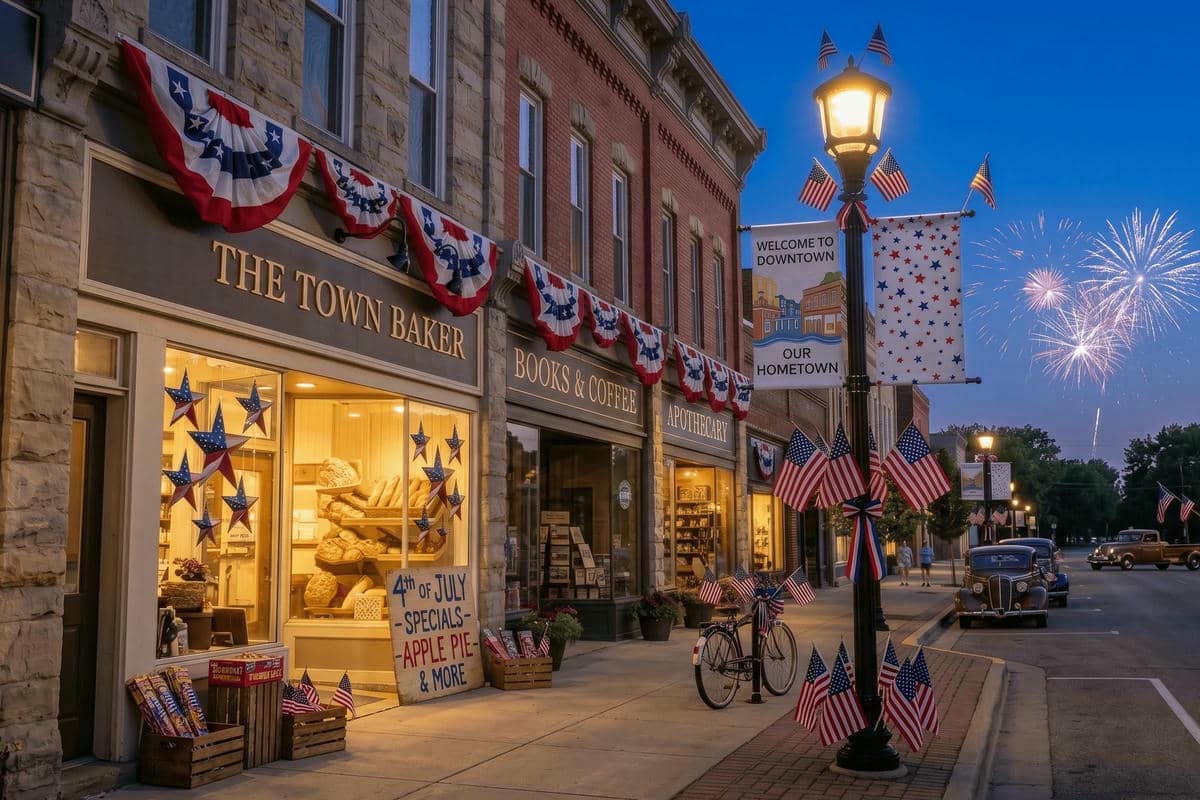
Bristol City County, Virginia, offers a spectrum of living environments that range from the walkable, historic core of its only incorporated city to the quiet, wooded subdivisions and farmland of its unincorporated periphery. This compact county, entirely surrounding the independent city of Bristol, draws a mix of downtown professionals, families seeking affordable suburban lots, and rural residents who value space and proximity to the Appalachian foothills. The county’s character shifts noticeably within a few miles, from the brick sidewalks and regional retail of the city center to the gravel roads and creek-side properties of its outer edges.
Largest town(s) & population centers
The county’s sole incorporated municipality is the independent city of Bristol, VA, which functions as the region’s commercial and cultural hub. Daily life here centers on the historic downtown district along State Street, where locally owned coffee shops, restaurants, and the Paramount Center for the Arts anchor a walkable core. The city also hosts the Bristol Mall and big-box retail along Gate City Highway, serving both county residents and visitors from neighboring Tennessee. Housing in the city proper is a mix of early-20th-century bungalows, newer townhomes near the Virginia Intermont College campus, and apartment complexes along Lee Highway. Commute times average just 18.4 minutes, making it feasible to live in the city and work at major employers like Bristol Regional Medical Center or the Bristol, VA City Schools system.
Smaller towns & rural pockets
Outside the city limits, the county’s unincorporated communities offer distinctly quieter lifestyles. Goodson, a small crossroads settlement near the Washington County line, features a handful of historic homes and a volunteer fire station, with residents relying on Bristol for most services. Widener Valley, along Route 80, is a rural cluster of single-family homes on one- to five-acre lots, popular with families who want land without a long commute. Further south, the area around Bristol Caverns and the South Holston River is almost entirely agricultural, with working cattle farms and seasonal vegetable stands. These pockets lack sidewalks and streetlights, and most homes use well water and septic systems. The county’s rural zoning allows for hobby farms and small-scale livestock, a draw for those seeking a self-sufficient lifestyle within 20 minutes of a hospital and grocery store.
Cost & lifestyle range
The cost of living across Bristol City County is uniformly low, with a composite index of 64 (100 is the U.S. average), but the trade-offs between areas are significant. At the affordable end, the Lee Highway corridor near the Tennessee border offers older ranch homes and duplexes with median rents around $775 and median home values of $168,700. These properties often sit on smaller lots and are closer to traffic noise but provide the shortest commutes to downtown Bristol. At the higher end, the Bristol Caverns Road and Widener Valley areas feature newer custom homes on two to ten acres, with values reaching the mid-$200,000s. These properties offer privacy, mountain views, and direct access to the Appalachian Trail and South Holston Lake for recreation. The trade-off is longer drives to schools and shopping — typically 15 to 20 minutes versus 5 to 10 minutes in the city. Property taxes remain low countywide, and no locality-specific income tax exists beyond Virginia’s state rate, keeping overall carrying costs manageable for both renters and owners.
This county best suits people who want a low-cost, low-stress base with genuine variety in daily surroundings. Retirees on fixed incomes often choose the city’s walkable downtown for its medical access and social opportunities, while remote workers and young families gravitate toward the rural pockets for space and lower housing costs. Commuters who work in Bristol, VA or Bristol, TN benefit from the short average commute, and outdoor enthusiasts find the county’s proximity to the Jefferson National Forest and South Holston River a major asset. The county lacks high-end shopping, nightlife, and dense urban amenities, but for those who prioritize affordability, space, and a relaxed pace, it offers a practical and pleasant range of choices.

Crime in Bristol City County
Generally safer than 60% of comparable U.S. locations.
Violent CrimeViolent Crime Analysis
Property CrimeProperty Crime Analysis
Crime Analysis
Bristol City County, VA, presents a mixed safety profile for potential residents, with property crime rates notably higher than both state and national averages while violent crime remains below the national benchmark. The city recorded a violent crime rate of 209.3 per 100,000 residents and a property crime rate of 1,392 per 100,000 in the most recent reporting period. These figures place Bristol in a middle tier for safety among Southwest Virginia communities, though specific neighborhood conditions vary considerably across the city’s distinct districts.
Crime in context
Bristol’s violent crime rate of 209.3 per 100,000 is roughly 40% lower than the national average of approximately 370 per 100,000, but it sits slightly above the Virginia state average of about 200 per 100,000. The property crime rate of 1,392 per 100,000, however, exceeds both the national average (around 1,950) and the Virginia average (approximately 1,100), indicating a higher risk of theft, burglary, and vehicle break-ins. Compared to nearby communities, Bristol’s property crime rate is higher than in Abingdon (roughly 1,100 per 100,000) and Lebanon (around 950 per 100,000), but lower than in Marion (approximately 1,600 per 100,000). The city’s violent crime rate is comparable to Johnson City, TN just across the state line, which reports around 220 per 100,000. These comparisons suggest that while Bristol is not a high-violence area, property crime is a more pressing concern that residents should factor into their housing and security decisions.
What residents experience
Daily life in Bristol involves a tangible awareness of property crime, particularly in the downtown commercial corridor along State Street and the Lee Highway area near the intersection with Interstate 81. Vehicle break-ins and package thefts are the most commonly reported incidents, with police data showing a concentration of these crimes in parking lots of shopping centers and near apartment complexes. Violent crime, by contrast, is largely concentrated in a few specific blocks rather than spread across the city. The Fairmount and Euclid Avenue neighborhoods have historically seen higher rates of assault and robbery, while the Virginia Avenue corridor near the Tennessee border also reports elevated incidents. Residents in the West End and King Mill Pike areas generally experience lower crime rates, with many families choosing these neighborhoods for their quieter, more suburban feel. The Bristol Police Department maintains a visible presence with community policing initiatives, but response times can vary—averaging 8 to 12 minutes in most residential areas versus 5 to 7 minutes in the downtown core.
Neighborhood-level variation and judicial context
Neighborhood safety in Bristol is not uniform. The Bristol Mall area and surrounding commercial zones see the highest property crime volumes, while residential streets off Moore Street and Goodson Street report fewer incidents. The Washington County side of the city (Bristol, VA) falls under the jurisdiction of the 28th Judicial Circuit, which has maintained a generally conservative approach to sentencing, with prosecutors prioritizing property crime cases. However, the Bristol City side operates under its own city court system, where some observers note a more lenient posture toward non-violent offenders, particularly in drug-related property crimes. This judicial philosophy, while intended to reduce incarceration rates, can result in repeat offenders cycling through the system more quickly, potentially contributing to the elevated property crime numbers. Residents in the East Hill and South Bristol neighborhoods report feeling this effect most acutely, as these areas see higher rates of recidivism among property crime suspects. For those considering a move, the West End and King Mill Pike areas remain the safest bets, while the downtown and Lee Highway corridors require more vigilance, especially regarding vehicle security and package delivery.
* Values derived from national, state, county, city and local statistics and may differ in a specific area. Last updated: 2026-07-16T01:25:42.000Z
Narrative content on this page is AI-generated and may contain mistakes. Verify any details that matter before acting on them.
ReloMaps may earn a commission from affiliate links at no extra cost to you.

