Personal Sovereignty in Bristol City County
Viable for self-reliance. Generally workable, though some barriers may limit total independence.
What does Personal Sovereignty tell us?
Personal Sovereignty measures your capacity for self-reliance and independence with minimal government friction. Higher scores mean fewer barriers between you and the way you want to live... but it assumes you have the space you need and good neighbors.
What does this tell us?
Personal Sovereignty measures your capacity for self-reliance and independence with minimal government friction. Higher scores mean fewer barriers between you and the way you want to live... but it assumes you have the space you need and good neighbors.
State Policy
Energy independence: Importer (20% of energy produced in-state)
Personal Liberty
Homesteading

Personal Liberty Analysis
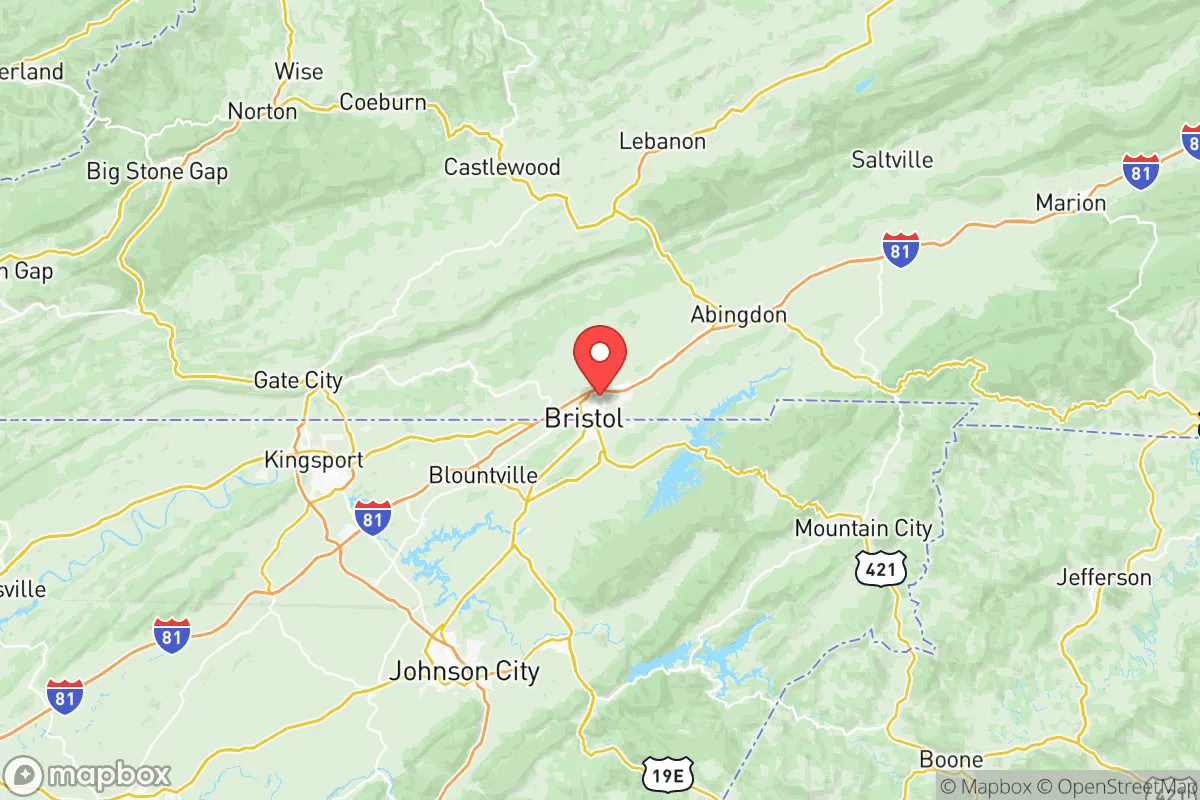
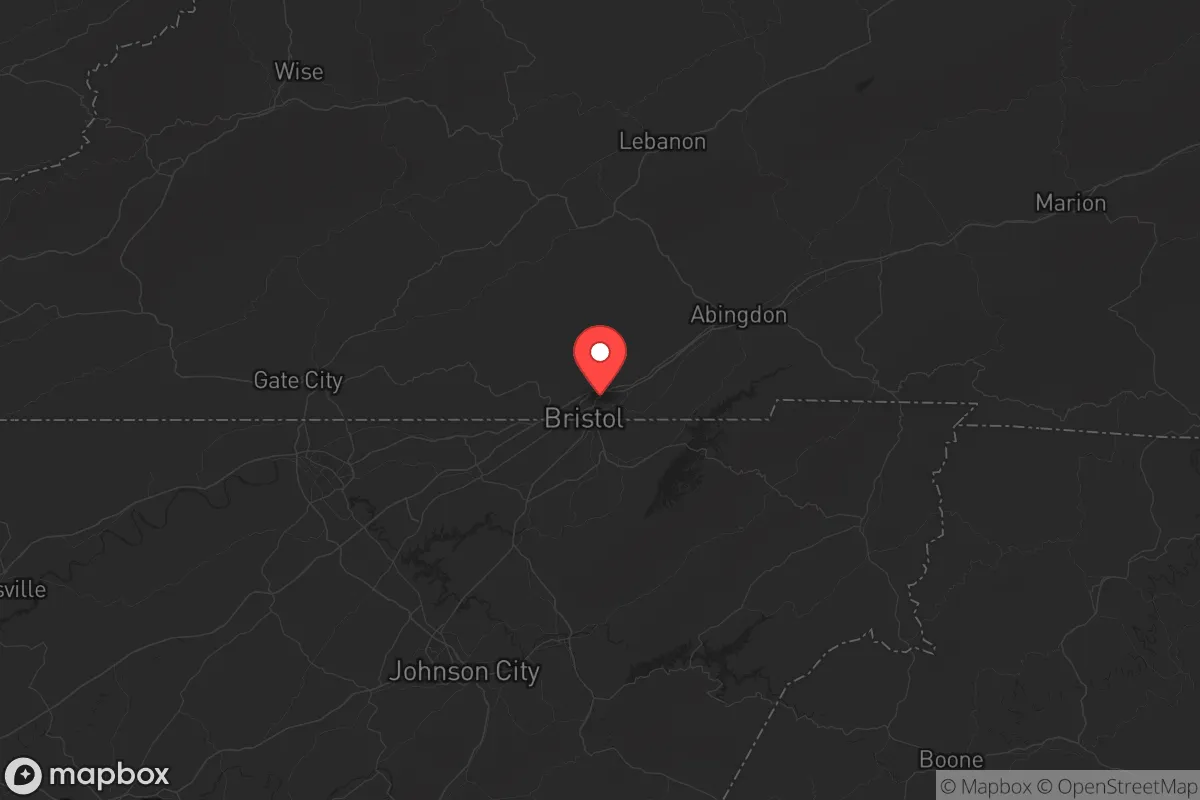
Bristol City County, Virginia, offers a notably high degree of personal sovereignty compared to many urbanized areas of the Mid-Atlantic, with a regulatory environment that generally favors individual autonomy over collective mandates. The city of Bristol itself, along with the surrounding unincorporated areas like Washington County and the towns of Abingdon and Damascus, operate under a framework where local governance tends to be light-touch, particularly on matters of property use and self-defense. This is not a jurisdiction where residents face heavy-handed oversight from county or city officials; instead, the prevailing culture emphasizes self-reliance, with local law enforcement and administrative bodies typically deferring to individual judgment unless public safety is clearly at risk.
Tax burden and regulatory posture: How light is the government footprint?
Virginia’s state-level tax structure is moderate, but Bristol City County benefits from a notably low local tax burden. The combined state and local sales tax rate in Bristol City is 5.3%, one of the lowest in the state, and property taxes are similarly restrained—the city’s real estate tax rate hovers around $1.20 per $100 of assessed value, while surrounding Washington County’s rate is even lower, near $0.58 per $100. This creates a meaningful cost advantage for homeowners and landowners. Regulatory posture is equally permissive: there is no county-wide zoning in the unincorporated areas of Washington County, meaning property owners in places like Glade Spring or Meadowview can build, fence, or operate small-scale agricultural enterprises without navigating a thicket of permits. The city of Bristol does have zoning, but it is applied with a practical, business-friendly bent—permits for home-based businesses or minor renovations are typically processed quickly, and the city’s planning department is known for working with residents rather than against them. For a reader prioritizing low overhead and minimal government interference, this area’s fiscal and regulatory climate is among the most favorable in Southwest Virginia.
Self-defense and gun law specifics: What you can and cannot do
Virginia is a shall-issue state for concealed carry permits, and Bristol City County fully reflects that framework. Residents can obtain a concealed handgun permit from the circuit court with a straightforward application and a background check; there is no requirement for a permit to open carry in most public spaces. The city of Bristol and the surrounding county have no local ordinances that restrict firearm possession beyond state law—no magazine capacity bans, no assault weapon restrictions, and no waiting periods for purchases. Stand-your-ground principles apply under Virginia law, meaning individuals have no duty to retreat before using deadly force in self-defense if they are lawfully present. The gun culture here is deeply ingrained: ranges like the Bristol Shooting Range in nearby Blountville, TN (just across the state line) are popular, and local gun shops in Abingdon and Bristol report steady business. For a conservative-leaning individual or family, the legal environment for self-defense is unambiguous and supportive—there are no hidden local traps or progressive city council overrides that complicate firearm ownership or carry.
Self-reliance and homesteading viability: Lot sizes, zoning, and off-grid feasibility
For those seeking to live off-grid or pursue a homesteading lifestyle, Bristol City County offers substantial opportunities, though the terrain varies by location. In the unincorporated areas of Washington County, minimum lot sizes are typically 1 to 5 acres depending on the subdivision, and there is no county-wide zoning that restricts livestock, gardens, or alternative energy systems. Properties in Mendota and Hayters Gap routinely feature solar panels, rainwater collection, and small-scale farming without pushback from county officials. The city of Bristol itself is more constrained—lots are smaller (often under 0.25 acres), and city code requires connection to municipal water and sewer, making true off-grid living impractical within city limits. However, the county’s rural character means that a 10-minute drive from downtown Bristol places you in areas where building codes are minimal and enforcement is complaint-driven rather than proactive. Septic systems and well permits are required, but the health department processes them efficiently, and there is no county ban on composting toilets or graywater systems for non-potable uses. For a family wanting to raise chickens, keep goats, or install a small wind turbine, the regulatory path is clear and unobstructed—especially compared to the strictures found in Northern Virginia or the Shenandoah Valley.
Personal liberties: Parental rights, medical autonomy, speech, and property
Virginia law generally respects parental rights in education and healthcare, and Bristol City County’s local school boards and health departments align with that posture. Parents in the Washington County Public Schools system and Bristol City Public Schools have broad latitude to opt children out of specific curriculum elements, and there is no local push for vaccine mandates beyond state requirements. Medical autonomy is similarly respected: the region has a strong culture of informed consent, and local pharmacies in Abingdon and Bristol do not impose restrictions beyond state law on over-the-counter medications or supplements. Free speech protections are robust; public meetings in both the city and county are generally open, and there is no history of local officials suppressing political expression or signage. Property rights are the bedrock of the area’s sovereignty ethos: eminent domain is rarely used, and the county assessor’s office is known for reasonable valuations. For a reader who values the ability to make decisions about their own health, their children’s education, and their property without bureaucratic interference, Bristol City County presents a legal landscape that is permissive and predictable.
Overall, Bristol City County ranks among the more sovereignty-friendly areas in Virginia, particularly when compared to the heavily regulated corridors of Northern Virginia or the progressive enclaves of Richmond and Charlottesville. The combination of low taxes, minimal zoning in rural areas, unambiguous self-defense laws, and a culture that prizes individual judgment creates an environment where personal freedom is the default rather than the exception. For a single individual or family seeking to relocate to a place where the government’s footprint is light and the expectation of self-reliance is high, this region offers a compelling balance of legal clarity and practical autonomy.

* Values derived from national, state, county, city and local statistics and may differ in a specific area. Last updated: 2026-07-16T01:25:42.000Z
Narrative content on this page is AI-generated and may contain mistakes. Verify any details that matter before acting on them.
ReloMaps may earn a commission from affiliate links at no extra cost to you.

