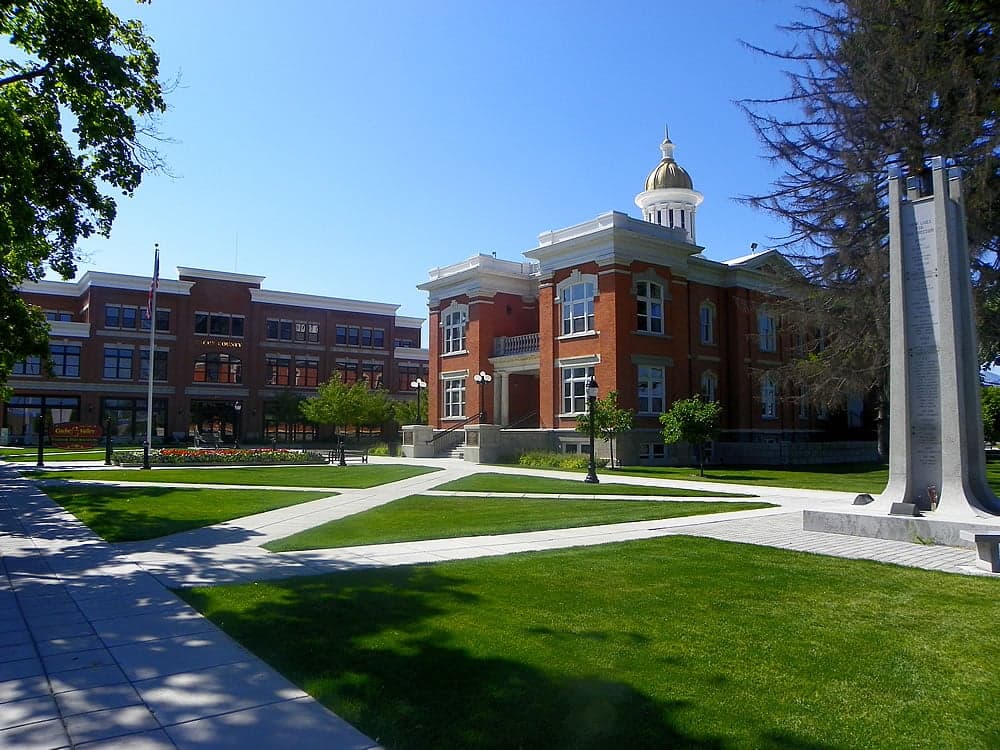
Photo: Wikipedia
Quality of Life in Cache County
A livable area that tracks near national norms for affordability, walkability, and neighborhood health.
What does Quality of Life tell us?
Quality of Life measures an area by evaluating factors like cost of living, nearby amenities, country club access, airport proximity, socioeconomic signals and neighborhood character. For large states, this is a general average — quality of life can vary dramatically between metro areas, suburbs, and rural communities within the same state.
What does this tell us?
Quality of Life measures an area by evaluating factors like cost of living, nearby amenities, country club access, airport proximity, socioeconomic signals and neighborhood character. For large states, this is a general average — quality of life can vary dramatically between metro areas, suburbs, and rural communities within the same state.
Cost of Living
14% above national average
70%
The Real Cost of Living in Cache County for 2026
| Tier | Individual | Family (4) |
|---|---|---|
| Survival | $18k | $34k |
| Comfortable | $76k | $112k |
| Luxury | $132k+ | $205k+ |
| Elite (Top 5%) | $156k+ | $241k+ |
Quality-of-Life Analysis
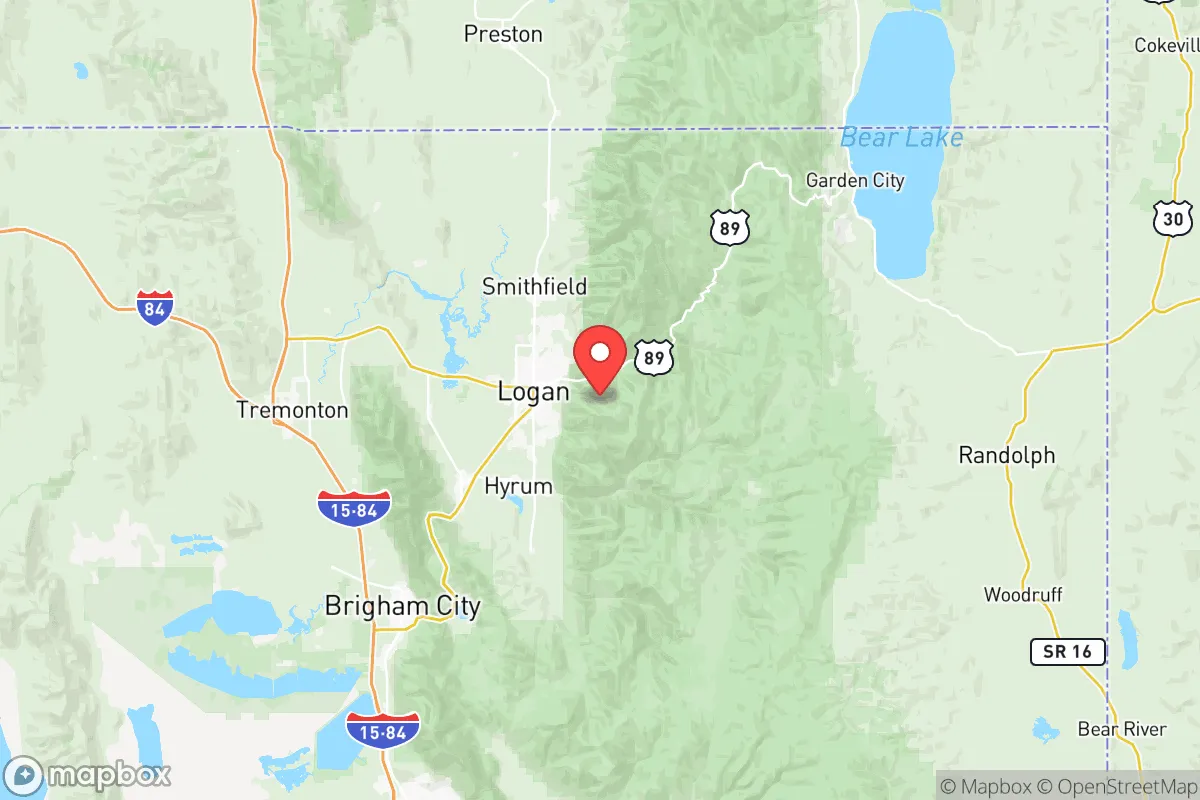
Cache County, Utah, offers a spectrum of living environments that range from the dense, amenity-rich college town of Logan to quiet, unincorporated farming communities and mountain-adjacent subdivisions. The county’s character is shaped by its position in the Cache Valley, framed by the Bear River and Wellsville mountain ranges, and by the dominant presence of Utah State University. People are drawn to different parts of the county based on whether they prioritize walkable urban energy, small-town affordability, or rural seclusion with quick access to outdoor recreation.
Largest town(s) & population centers
Logan is the county seat and by far the largest population center, home to roughly 55,000 residents. Daily life here revolves around the university, which anchors a lively downtown with independent coffee shops, the historic Utah Theatre, and a robust farmers market. The city has a compact, bikeable grid and a strong sense of community tied to USU events and local sports. North Logan and Providence function as contiguous suburban extensions, offering newer housing developments and strip-mall retail while still feeding into Logan’s employment and cultural core. Commute times across the county average just over 17 minutes, making even cross-county travel relatively quick compared to Utah’s Wasatch Front cities.
Smaller towns & rural pockets
South of Logan, Hyrum (pop. ~9,000) sits at the base of the Wasatch-Cache National Forest and feels distinctly quieter, with a historic Main Street and direct access to Hyrum Lake State Park. Wellsville and Mendon are smaller, unincorporated-style communities where large lots and agricultural views dominate; Mendon in particular is known for its annual sheep parade and a slower pace of life. Paradise, Avon, and Clarkston are true rural pockets, often with unpaved side roads and homes set on acreage. These areas attract residents who want space, privacy, and a direct connection to farming or equestrian life, though they require longer drives for groceries and medical care.
Cost & lifestyle range
The county’s overall cost-of-living index stands at 114 (14% above the U.S. average), but that figure masks significant internal variation. In Logan and North Logan, the median home value of $392,800 and median rent of $1,137 reflect demand driven by university employees and students; newer subdivisions in Providence and River Heights push prices higher. At the lower end of the cost spectrum, smaller towns like Hyrum and Wellsville offer older homes and larger lots at prices often 10–15% below the county median. At the upper end, custom homes in the foothills near Green Canyon or along the bench areas of South Logan can exceed $600,000, trading square footage and views for a longer commute into town. Amenities follow the same gradient: Logan has full-service grocery chains, a regional hospital, and USU’s cultural offerings, while rural residents rely on smaller local markets and drive 20–30 minutes for specialized shopping or healthcare.
Families seeking strong schools, young professionals tied to the university, and retirees who want mountain views without isolation all find a niche in Cache County. The key trade-off is between convenience and space: Logan and its immediate suburbs deliver walkability and amenities at a premium, while the outlying towns and unincorporated areas reward patience with lower costs and a deeper connection to the valley’s agricultural and outdoor roots.

Crime in Cache County
Generally safer than 67% of comparable U.S. locations.
Violent CrimeViolent Crime Analysis
Property CrimeProperty Crime Analysis
Crime Analysis
Cache County, Utah, is one of the safest large counties in the state, with violent crime rates significantly below national averages and property crime rates that, while higher than the state ideal, remain manageable for most residents. The county's overall safety profile is heavily influenced by the contrast between its largest city, Logan, and the smaller, more rural towns that surround it. For prospective residents, understanding where crime concentrates and how local law enforcement and judicial philosophies differ is critical to choosing a safe neighborhood.
Crime in context
Cache County reports a violent crime rate of 218.1 incidents per 100,000 residents, which is roughly 40% lower than the national average of approximately 380 per 100,000. This places the county among the safer regions in the Intermountain West. Property crime, however, is a more pressing concern at 1,278.4 per 100,000, a figure that sits slightly above the Utah state average and is driven almost entirely by theft and vehicle burglary. The county's largest municipality, Logan, accounts for the majority of these incidents, while smaller towns like Providence, Hyrum, and Smithfield report rates that are often half of Logan's. The Cache County Sheriff's Office and the Logan City Police Department maintain a visible presence, but the county's geography—stretching from the urban Wasatch Front corridor to remote canyon communities—creates natural variation in response times and patrol density.
What residents experience
For most residents, daily life in Cache County feels very safe. Violent crime is rare and typically confined to specific circumstances, such as domestic disputes or incidents involving individuals known to one another. Random stranger-on-stranger violence is uncommon. The primary nuisance is property crime, particularly vehicle burglaries and bicycle thefts near Utah State University and the Logan downtown core. Residents in North Logan and River Heights report fewer incidents, as these areas have lower population density and stronger neighborhood watch participation. A notable concern for families is the increasing prevalence of package theft and unlocked-car prowling in newer subdivisions. The Cache County Attorney's Office has historically taken a moderate-to-conservative approach to prosecution, but the influence of Logan's municipal court and the First District Judicial Court—which covers Cache, Box Elder, and Rich counties—can vary. Readers should be aware that progressive judicial philosophies that prioritize diversion programs and reduced sentencing for property offenders have been adopted in some parts of the district. While these programs aim to reduce recidivism, they can result in repeat property offenders cycling through the system quickly, which frustrates victims and undermines the deterrent effect of prosecution. This is particularly relevant in Logan, where a more liberal city council and court influence have led to softer outcomes for theft and drug-related crimes compared to the stricter approach seen in Cache County's unincorporated areas and towns like Wellsville and Mendon.
Neighborhood-level safety in Cache County is predictable: the further from Logan's downtown and the USU campus, the lower the crime rate. Providence and Nibley consistently rank as the safest incorporated cities, with violent crime rates near zero and property crime rates below 500 per 100,000. Hyrum and Smithfield offer a middle ground, with slightly higher property crime but still very low violent crime. The most significant risk factor for property crime is proximity to major arterial roads like US-89 and US-91, which provide quick escape routes for thieves. For those seeking the safest environment, the rural towns along the county's eastern bench—such as Paradise and Avon—offer the lowest crime rates but require longer commutes to Logan for work and shopping. Overall, Cache County is a safe place to live, but families should prioritize towns with conservative local governance and strong community policing to minimize exposure to property crime and recidivist offenders.
* Values derived from national, state, county, city and local statistics and may differ in a specific area. Last updated: 2026-07-02T19:42:15.000Z
Narrative content on this page is AI-generated and may contain mistakes. Verify any details that matter before acting on them.
ReloMaps may earn a commission from affiliate links at no extra cost to you.

