Photo: Wikipedia
Quality of Life in Troy, ID
Above-average quality of iife. The area offers a reasonable cost of living, decent mobility, and a mix of neighborhood amenities.
What does Quality of Life tell us?
Quality of Life blends cost of living, nearby amenities, socioeconomic signals, and neighborhood character. City-level scores represent the whole municipality; individual neighborhoods can differ.
What does this tell us?
Quality of Life blends cost of living, nearby amenities, socioeconomic signals, and neighborhood character. City-level scores represent the whole municipality; individual neighborhoods can differ.
Cost of Living
12% below national average
The Real Cost of Living in Troy, ID for 2026
| Tier | Individual | Family (4) |
|---|---|---|
| Survival | $15k | $29k |
| Comfortable | $53k | $77k |
| Luxury | $96k+ | $149k+ |
| Elite (Top 5%) | $113k+ | $176k+ |
113%
The Area Signal
A metric tracking the socioeconomic signals of the area.
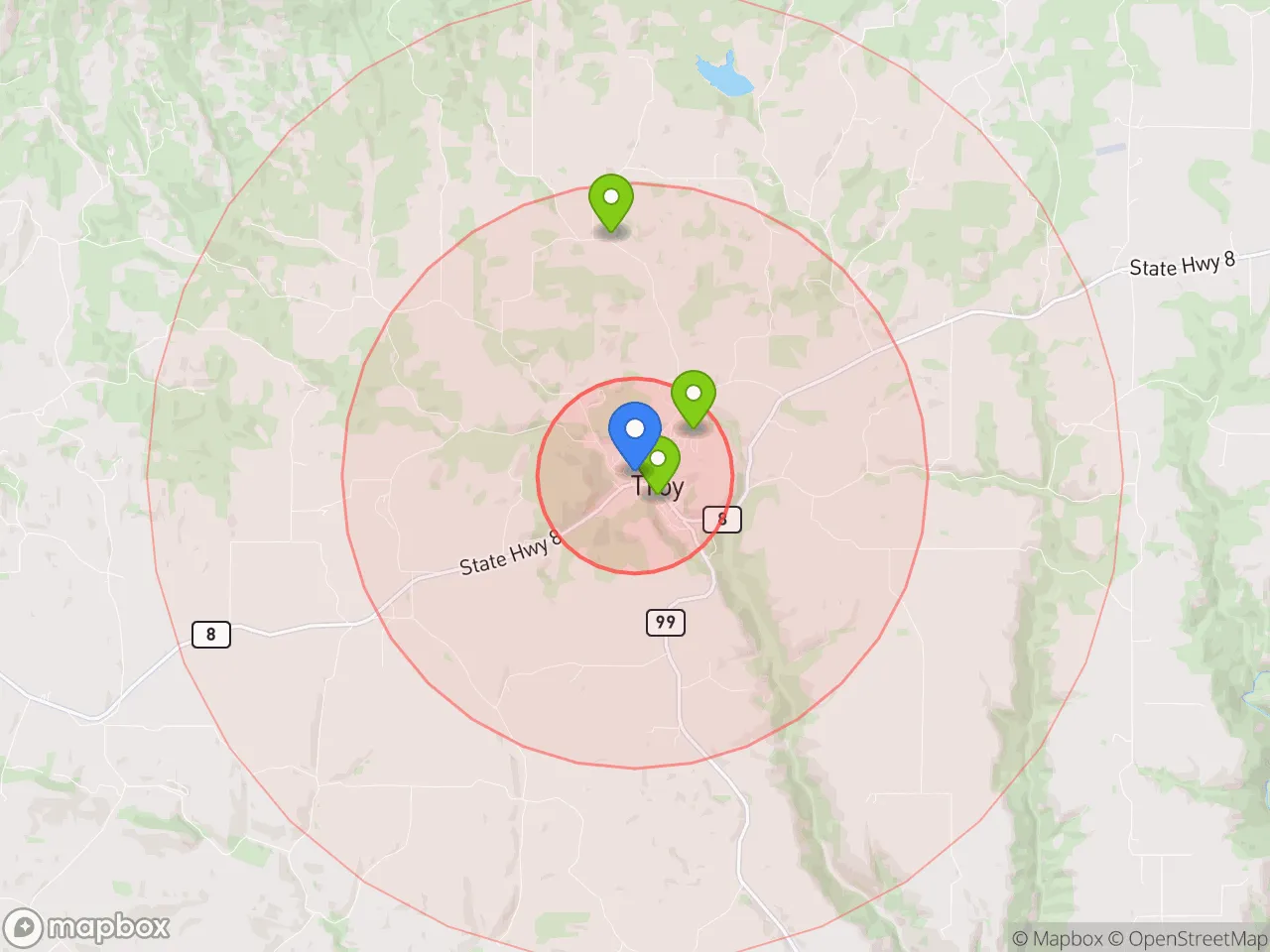
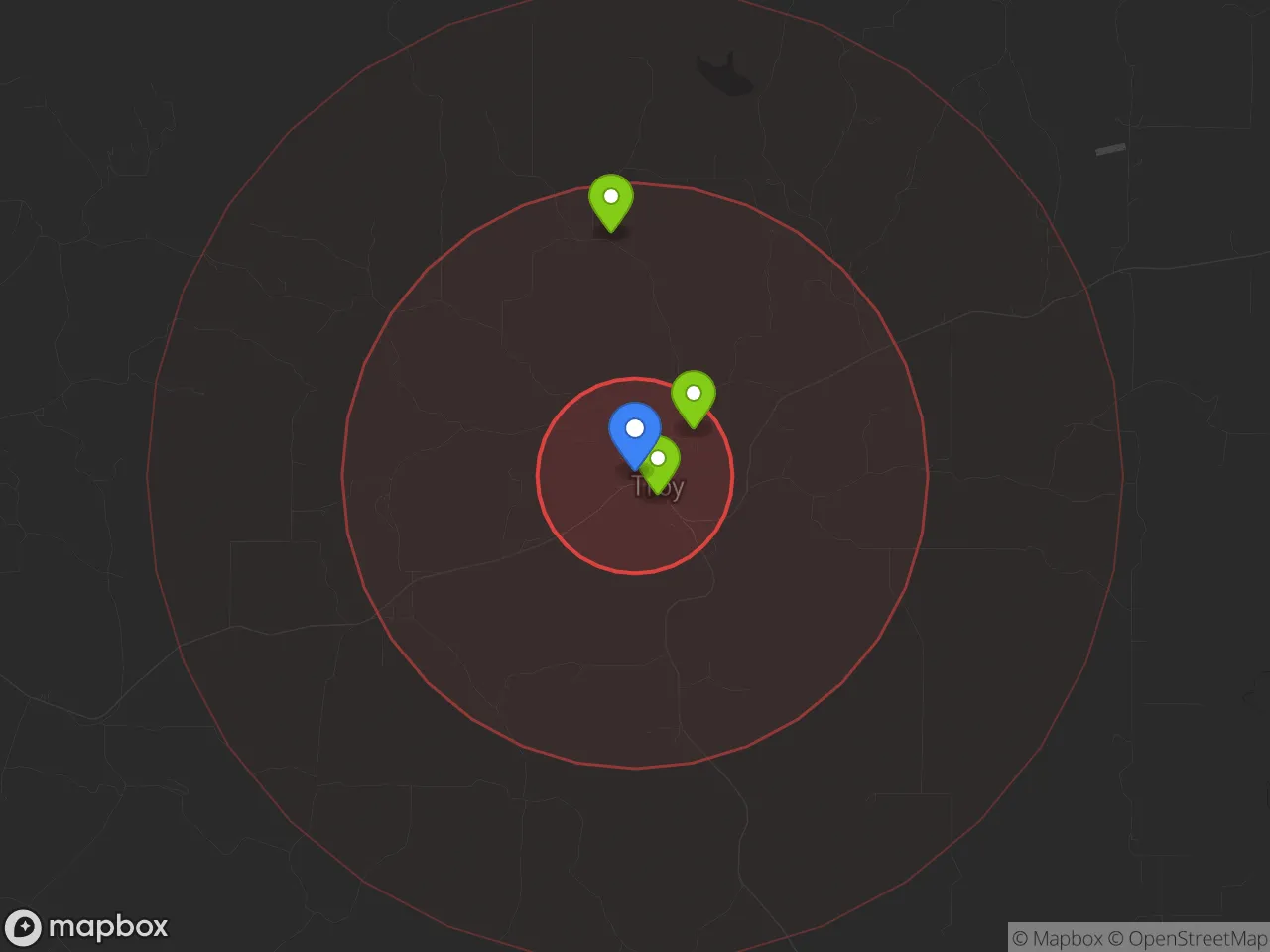
Limited data for this area
Limited data for this area
Hobbies
Explore the areaGroceries
1 within 10 miles
Gas
1 within 10 miles
Hospital
2 within 20 miles
Airport
SEA — Seattle–Tacoma International
Post Office
USPS — Moscow, ID
Critical Amenities
Quality-of-Life Analysis
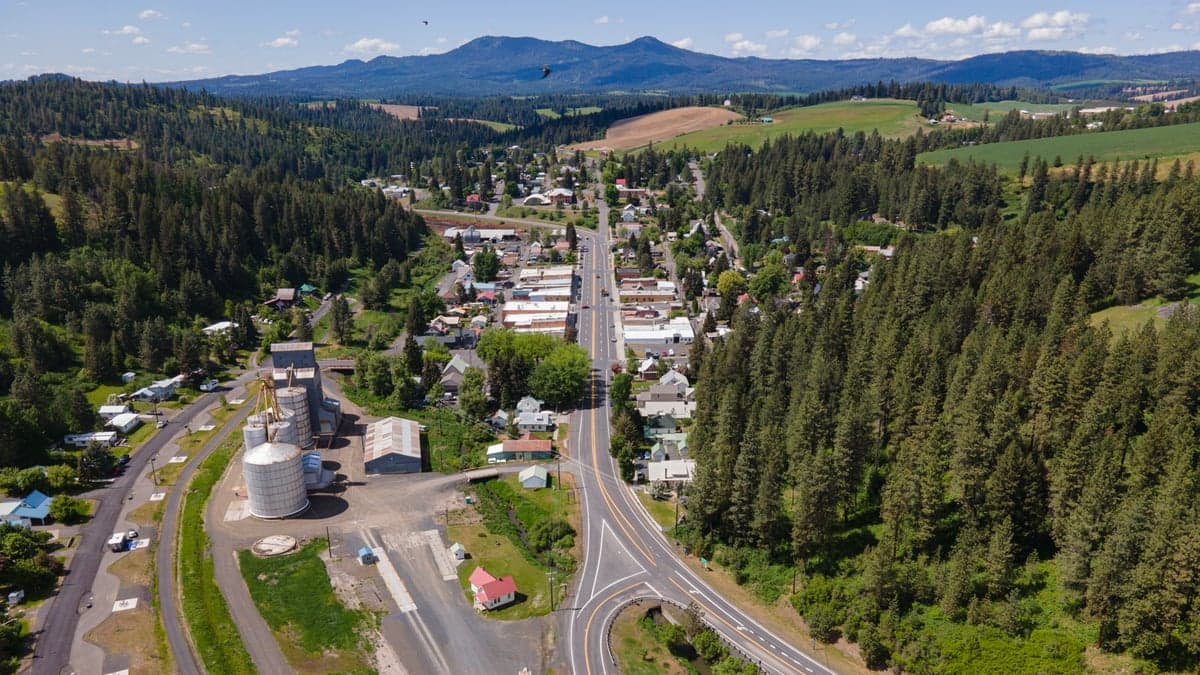
Troy, Idaho, presents a quality of life defined by small-town affordability and a predominantly family-oriented, educated population. With a cost of living index of 88—12% below the national average—the community attracts residents seeking a quieter, more rural lifestyle without sacrificing access to employment hubs. The town’s demographic skews toward homeowners and professionals, many of whom commute to nearby Moscow or Pullman, Washington, for work, creating a stable, civically engaged base.
Cost of living, housing affordability, and how Troy compares to Moscow and Pullman
Troy’s housing market is the primary driver of its affordability advantage. The median home value of $270,800 is roughly 30% lower than in neighboring Moscow (where the median exceeds $380,000) and significantly below Pullman’s median of around $350,000. Median rent in Troy stands at $958, which is approximately $200–$300 less per month than comparable rentals in those larger college towns. This price gap allows residents to achieve homeownership more easily, though it also means a longer average commute of 29 minutes—a trade-off for lower monthly costs. Property taxes in Latah County remain moderate, and the lack of a state sales tax on groceries further stretches household budgets. For remote workers or those employed at the University of Idaho or Washington State University, Troy offers a clear financial incentive to live outside the immediate city limits.
Local amenities, schools, and the daily rhythm of life in Troy
Daily life in Troy centers on a compact, walkable downtown with a handful of essential services: a grocery store, a pharmacy, a post office, and a few locally owned restaurants and cafes. The Troy School District (Troy Jr/Sr High School) serves grades K–12 and consistently posts above-average test scores, making it a draw for families. For broader shopping, dining, and entertainment, residents drive 10–15 minutes east to Moscow, which offers a full range of retailers, medical facilities, and cultural venues like the Kenworthy Performing Arts Centre. Outdoor recreation is immediate: the nearby Latah Trail connects Troy to Moscow via a paved path, and the Palouse region’s rolling hills provide hiking, cycling, and hunting opportunities. The town’s social rhythm is quiet and neighborly, with community events like the Troy Days festival and a strong volunteer presence at the local library and fire department. Internet access is generally reliable, with fiber-optic options available in parts of town, supporting remote work.
Troy is best suited for families, remote workers, and retirees who prioritize low housing costs, safety, and a close-knit community over urban amenities. Professionals commuting to Moscow or Pullman will find the 29-minute drive a reasonable trade-off for a detached home with a yard. Singles or young professionals seeking nightlife or a dense social scene may find Troy too quiet, but for those who value space, affordability, and a slower pace, it offers a high quality of life at a fraction of the cost of larger regional towns.

Crime in Troy, ID
Lower crime rates than 77% of comparable U.S. locations.
Violent CrimeViolent Crime Analysis
Property CrimeProperty Crime Analysis
Crime Analysis
Troy, Idaho, is a small Latah County community where crime rates are notably lower than national averages, offering a generally safe environment for residents. The town’s violent crime rate of 217.1 per 100,000 people and property crime rate of 613.4 per 100,000 both fall well below the U.S. averages of 380 violent crimes and 1,954 property crimes per 100,000. However, Troy’s proximity to Moscow and the broader Pullman-Moscow metro area introduces a dynamic where progressive judicial and prosecutorial policies in the region can influence local safety outcomes, a factor worth considering for those relocating from more conservative jurisdictions.
Crime in context
When compared to Idaho’s statewide violent crime rate of approximately 245 per 100,000, Troy’s 217.1 figure is slightly better, while its property crime rate of 613.4 per 100,000 is significantly lower than the state average of roughly 1,200 per 100,000. These numbers place Troy among the safer small towns in the region. However, the broader Latah County area, including Moscow, has seen a trend toward progressive criminal justice reforms, including the election of district attorneys and judges who prioritize diversion programs and reduced sentencing for property and drug offenses. While these policies aim to reduce incarceration, they can result in higher recidivism rates and a perception that offenders face minimal consequences, potentially emboldening criminal activity in surrounding communities like Troy.
What residents experience
For those living in Troy, daily life is marked by a low likelihood of encountering violent crime, with incidents such as assault or robbery being rare. Property crime, including theft and burglary, is the more common concern, though still infrequent compared to national norms. Residents often report feeling safe walking at night and leaving doors unlocked, a testament to the town’s tight-knit character. Yet, the influence of progressive policies in the nearby metro area—such as Latah County’s emphasis on restorative justice and reduced bail requirements—can lead to a revolving door for repeat property offenders. This means that while Troy itself is quiet, the regional justice system’s leniency may occasionally allow criminals from Moscow or Pullman to filter into smaller towns, undermining the local sense of security.
Neighborhood-level variation
Crime in Troy is not evenly distributed. The core residential areas near Main Street and the University of Idaho’s satellite campus tend to see the lowest incident rates, benefiting from higher foot traffic and community vigilance. In contrast, outlying rural subdivisions and areas along Highway 8, which connects Troy to Moscow, experience slightly higher property crime rates, particularly vehicle break-ins and shed burglaries. These pockets are more vulnerable because they are less monitored and offer easier escape routes for offenders from the metro area. For prospective residents, choosing a home in the central village or a well-lit neighborhood with active neighborhood watch programs can further mitigate the already low risk, while those on the outskirts should invest in security measures like motion-sensor lights and cameras.
* Values derived from national, state, county, city and local statistics and may differ in a specific area. Last updated: 2026-07-30T14:47:14.000Z
Narrative content on this page is AI-generated and may contain mistakes. Verify any details that matter before acting on them.
ReloMaps may earn a commission from affiliate links at no extra cost to you.

