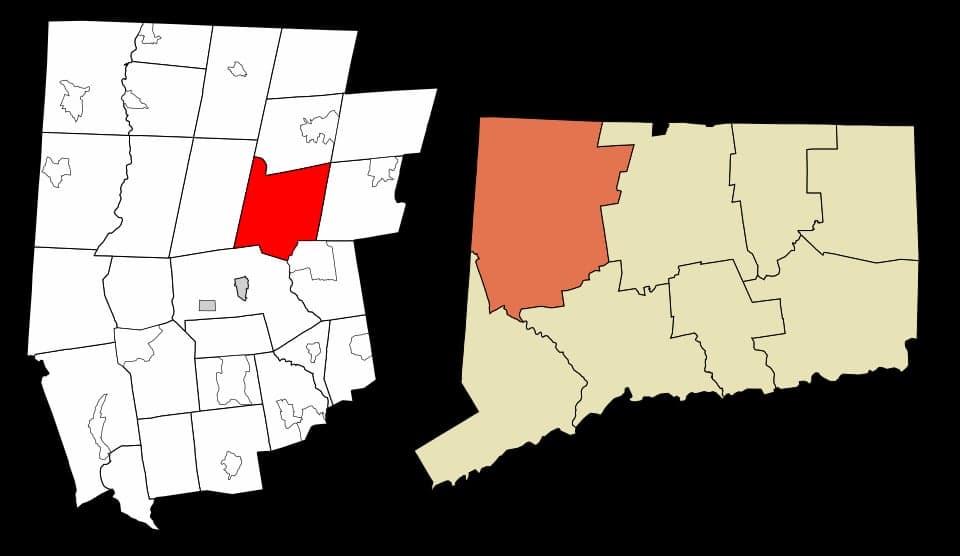
Photo: Wikipedia
Political ClimatePolitical Climate in Torrington, CT
District shown is the primary district for this city’s centroid. Cities may span multiple districts.
Local Political AnalysisPolitical Analysis of Torrington, CT
Torrington’s political climate has shifted noticeably over the past decade, and if you’ve lived here as long as I have, you’ve felt it. The city sits in a Cook PVI of D+3, which means it leans slightly Democratic at the national level, but that number doesn’t tell the full story of what’s happening on the ground. In local elections, Torrington has historically been a place where common-sense, fiscally conservative candidates could win—but the tide is turning, and not in a way that sits well with folks who value personal freedom and limited government. The trajectory is concerning: more progressive policies are creeping into city hall, and the old-school Yankee independence that defined this town is getting crowded out by state-level mandates and a growing reliance on government programs.
How it compares
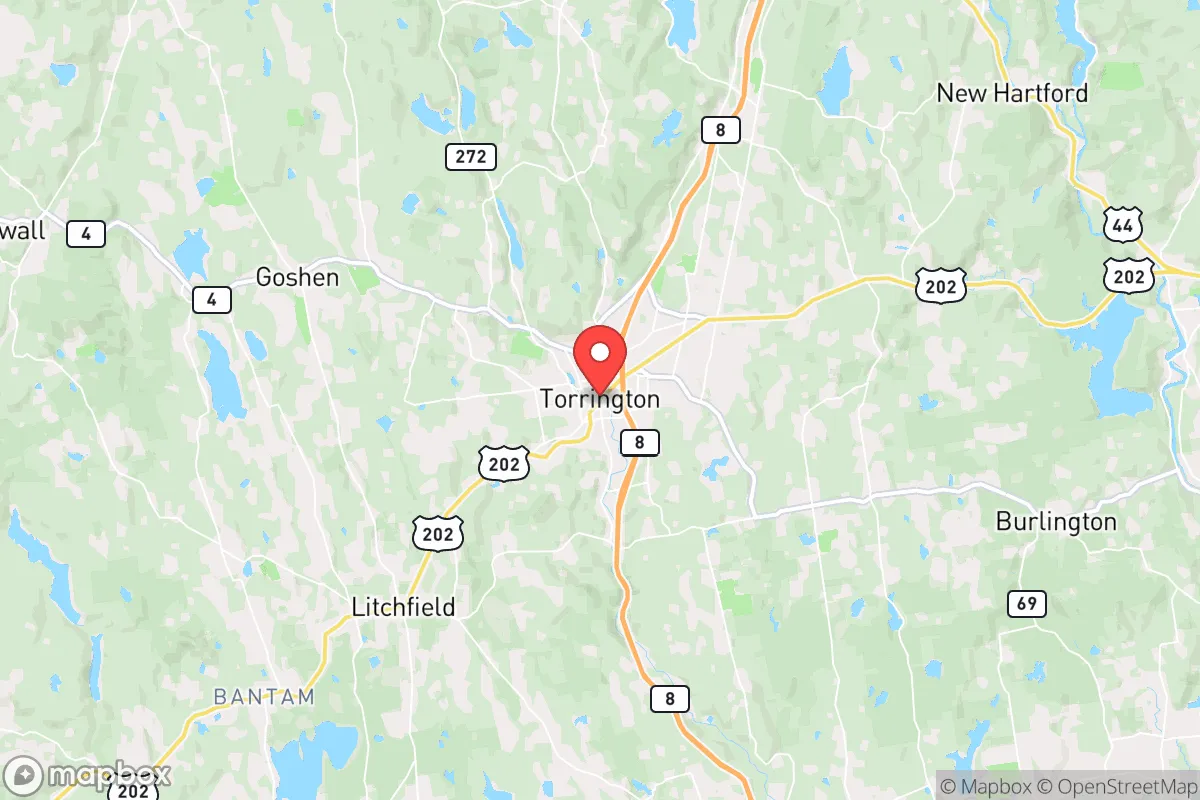
Drive ten minutes east to Winsted or south to Bristol, and you’ll find towns that lean even further left, with Bristol’s city council pushing things like sanctuary city policies and higher local taxes. Head west to Goshen or Norfolk, and you’re in deep-red territory—rural towns where the Second Amendment is still sacred and property taxes are kept in check by a skeptical electorate. Torrington sits right in the middle, but it’s drifting. The contrast is stark: in Goshen, you can still have a conversation about cutting red tape for small businesses; in Torrington, you’re more likely to hear about new zoning restrictions or state-funded social programs that come with strings attached. The D+3 rating masks a real divide—the city’s older, more conservative residents are being outnumbered by newcomers from New York and Fairfield County who bring big-government habits with them.
What this means for residents
For anyone who values personal freedom, the writing is on the wall. Torrington’s local government has been increasingly willing to enforce state-level overreach—things like strict building codes that drive up housing costs and mandates that make it harder to run a home-based business. The school board has also taken a more progressive turn, pushing curriculum changes that prioritize social-emotional learning over core academics, which has parents worried about both educational quality and ideological indoctrination. Property taxes have crept up faster than inflation, and there’s a growing sense that the city is more interested in complying with Hartford’s agenda than in protecting local autonomy. If you’re a small business owner or a tradesperson, you’ve probably noticed more paperwork and fewer straight answers from city hall. The long-term trajectory points to more of the same—unless enough residents wake up and start voting for candidates who remember what limited government actually means.
Culturally, Torrington still has a few bright spots for conservatives. The Torrington Gun Club remains a stronghold for Second Amendment advocates, and the annual Litchfield County Fair draws crowds that lean traditional. But the city’s downtown is being reshaped by state grants that favor bike lanes and public art over parking and small business support—a classic sign of progressive priorities. The biggest policy distinction is in housing: Torrington has adopted inclusionary zoning that forces developers to set aside units for low-income renters, which sounds nice on paper but drives up costs for everyone else and reduces property rights. If you’re looking for a place where your voice still matters and government stays out of your way, keep an eye on the local elections—because right now, Torrington is at a crossroads, and the wrong turn could mean losing the freedom that made this town worth living in.

State Political ClimatePolitical Climate in Connecticut
State Political AnalysisPolitical Environment in the State
Connecticut has shifted from a classic swing state to a solidly blue stronghold over the past two decades, with Democrats now holding every statewide office and supermajorities in both legislative chambers. The state voted for Hillary Clinton by 14 points in 2016 and Joe Biden by 20 points in 2020, a dramatic leftward lurch from 2000 when George W. Bush lost it by just 6 points. For a conservative considering relocation, the political climate here is increasingly defined by one-party rule in Hartford, with policies that often prioritize government solutions over individual liberty.
Urban vs. rural divide
The political map of Connecticut is a tale of two worlds. The southwestern corner, anchored by Stamford, Greenwich, and Bridgeport, is the engine of Democratic dominance — these are wealthy, densely populated suburbs and cities where commuters to New York City drive a progressive, tax-and-spend agenda. Fairfield County alone accounts for nearly a third of the state’s population and votes about 60-40 Democratic. Meanwhile, the eastern half of the state — places like Norwich, Killingly, and Plainfield — leans more conservative, but these rural and exurban areas lack the population heft to counterbalance the metro corridor. The Litchfield Hills in the northwest are a notable exception: towns like Kent and Sharon are reliably red, but they’re small and isolated. The divide isn’t just urban vs. rural; it’s also about proximity to New York. Towns within an hour of Manhattan vote blue; those farther east or north trend redder, but never enough to flip a statewide race.
Policy environment
Hartford’s policy posture is aggressively progressive. The state has one of the highest combined state and local tax burdens in the nation — property taxes routinely exceed 2% of home value, and the income tax tops out at 6.99%. In 2023, the legislature passed a universal paid family and medical leave program funded by a new payroll tax, which kicked in January 2024. Education policy is dominated by teachers’ unions, with school choice limited to a few charter schools in Hartford and New Haven; most districts are assigned by zip code. Healthcare is heavily regulated, with a state-run exchange and mandates that drive up premiums. Election laws are among the most permissive in the country: no-excuse absentee voting, early voting (starting 2024), and same-day voter registration. For a conservative, the policy environment feels like a one-way ratchet toward bigger government, with little room for local opt-outs or tax relief.
Trajectory & freedom
On the freedom front, Connecticut is moving in the wrong direction for conservatives. The 2013 gun control package — passed after Sandy Hook — banned many semi-automatic rifles and limited magazine capacity to 10 rounds, and in 2023 the legislature added a ban on open carry and raised the purchase age to 21. Parental rights took a hit in 2021 when the state passed a law allowing minors 12 and older to consent to mental health and substance abuse treatment without parental knowledge. Medical freedom is constrained: the state has strict vaccine mandates for schoolchildren, and during COVID, it had one of the longest-lasting mask mandates in the country. Property rights are eroded by high property taxes and a statewide rent control law passed in 2023 that caps annual rent increases at 8% plus inflation — well-intentioned but a clear government intervention in private contracts. The trend is unmistakable: Hartford sees its role as expanding, not contracting, the state’s reach into daily life.
Civil unrest & political movements
Connecticut hasn’t seen the large-scale protests of Portland or Seattle, but there are flashpoints. The Black Lives Matter protests in New Haven and Hartford in 2020 were large and occasionally violent, with property damage in downtown New Haven. On the right, the Second Amendment sanctuary movement gained traction after the 2013 gun ban — over 80 towns passed resolutions declaring themselves sanctuaries, though they’re symbolic since state law preempts local enforcement. Immigration politics are tense: Connecticut is a sanctuary state (since 2013), meaning local police cannot cooperate with federal immigration enforcement. This has led to friction in towns like Danbury, where a 2019 ICE raid sparked protests. Election integrity is a live issue — the 2020 election saw widespread use of no-excuse absentee ballots, and a 2022 law made them permanent. Conservatives in Litchfield County have formed local watchdog groups, but they’re swimming against a strong current. The most visible political movement is the Working Families Party, which has pushed Hartford further left on housing, taxes, and labor policy.
Projection
Over the next 5-10 years, Connecticut will likely become even more blue. Demographic trends favor Democrats: the state’s population is aging and shrinking, but the growth is concentrated in Fairfield County’s diverse, college-educated suburbs. In-migration from New York City — accelerated by remote work — brings more progressive voters to towns like Stamford and Norwalk. The rural east and northwest will continue to lose population and political clout. Expect more tax hikes, more regulations on housing and energy (the state has a 2040 zero-carbon electricity mandate), and further erosion of local control. A conservative moving in now should expect to be a permanent minority voter, with little chance of changing the state’s direction. The only wildcard is a potential fiscal crisis — the state’s pension debt is over $40 billion, and if bond markets lose confidence, austerity could force a reckoning. But even then, the political response would likely be more taxes, not less government.
Bottom line for a new resident: If you value low taxes, gun rights, school choice, and local control, Connecticut is a tough place to call home. The state’s political climate is stable but stifling for conservatives — you’ll find like-minded neighbors in the Litchfield Hills or eastern Connecticut, but you’ll be fighting a losing battle at the ballot box. The practical takeaway: come for the job or family, but don’t expect the political winds to shift in your favor anytime soon.
* Values derived from national, state, county, city and local statistics and may differ in a specific area. Last updated: 2026-04-19T08:11:33.000Z
Narrative content on this page is AI-generated and may contain mistakes. Verify any details that matter before acting on them.
ReloMaps may earn a commission from affiliate links at no extra cost to you.

