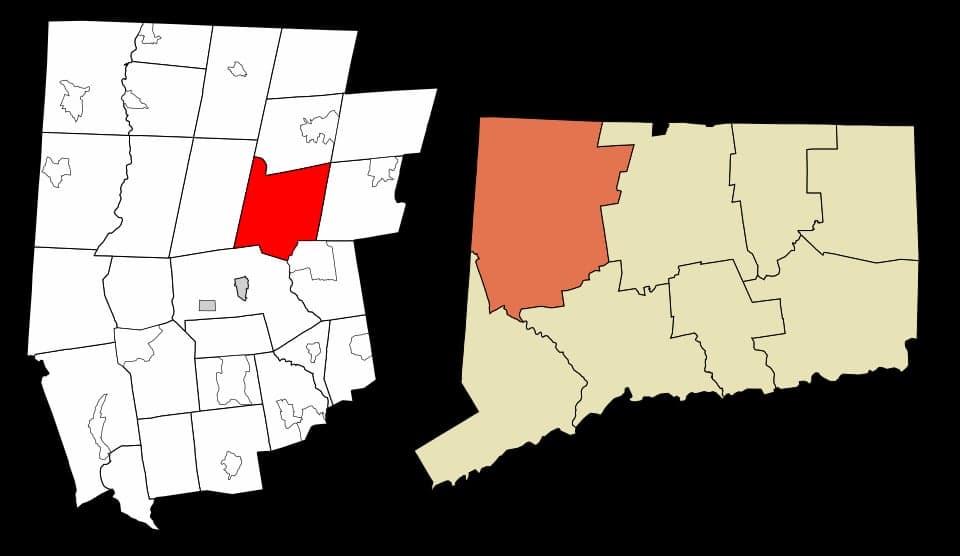
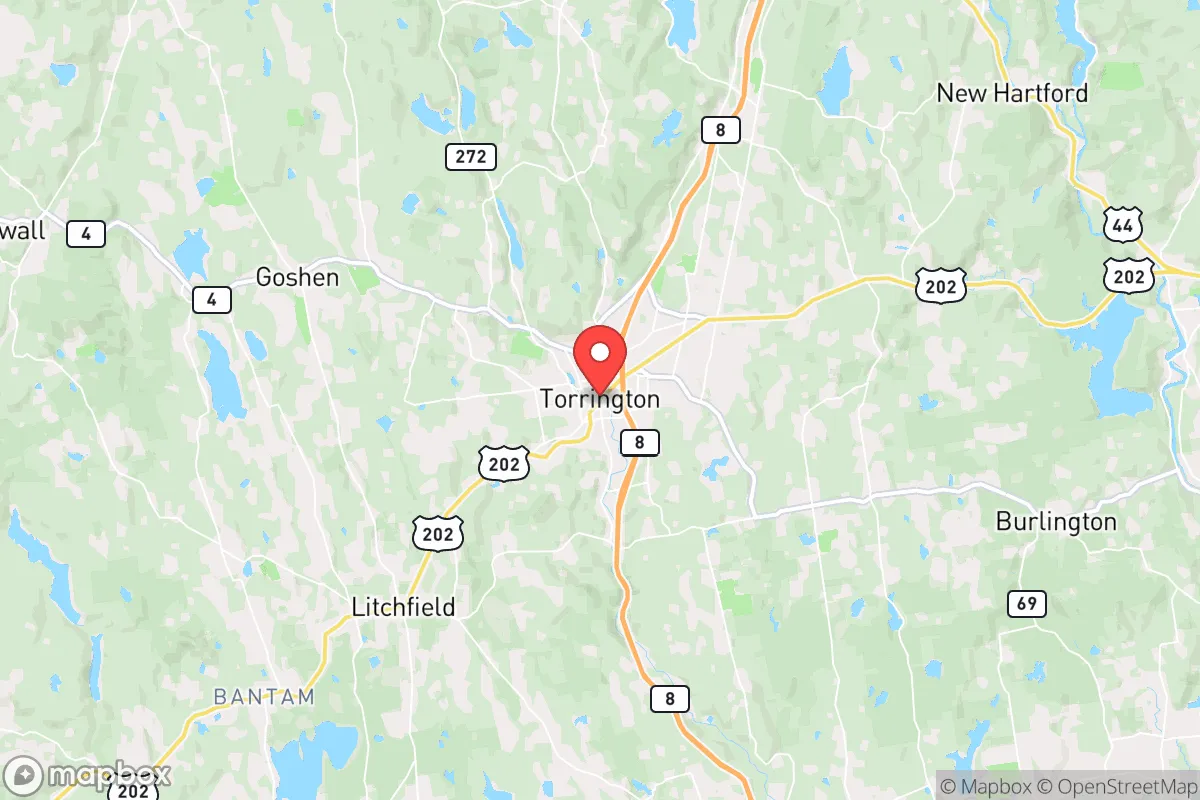
Photo: Wikipedia
Quality of Life in Torrington, CT
Above-average quality of iife. The area offers a reasonable cost of living, decent mobility, and a mix of neighborhood amenities.
What does Quality of Life tell us?
Quality of Life blends cost of living, nearby amenities, socioeconomic signals, and neighborhood character. City-level scores represent the whole municipality; individual neighborhoods can differ.
What does this tell us?
Quality of Life blends cost of living, nearby amenities, socioeconomic signals, and neighborhood character. City-level scores represent the whole municipality; individual neighborhoods can differ.
Cost of Living
15% below national average
The Real Cost of Living in Torrington, CT for 2026
| Tier | Individual | Family (4) |
|---|---|---|
| Survival | $18k | $33k |
| Comfortable | $38k | $56k |
| Luxury | $111k+ | $171k+ |
| Elite (Top 5%) | $130k+ | $202k+ |
124%
The Area Signal
A metric tracking the socioeconomic signals of the area.


Hobbies
Explore the areaGroceries
0 within 10 miles
Gas
0 within 10 miles
Hospital
3 within 20 miles
Airport
JFK — John F. Kennedy International
Post Office
USPS — Waterbury, CT
Critical Amenities
Quality-of-Life Analysis
Torrington, Connecticut, offers a notably lower cost of living than much of the Northeast, with a composite index of 85 (where 100 equals the U.S. average), making it an attractive option for first-time homebuyers, young families, and retirees seeking space and value. The city’s median home value sits at $195,800, a figure roughly half the Connecticut state median, while the median rent of $1,101 is similarly affordable. Residents tend to be a mix of long-standing local families, commuters working in Hartford or Waterbury, and newcomers drawn by the area’s relative quiet and access to the Litchfield Hills.
Cost of living, housing affordability, and how Torrington compares to nearby cities
Torrington’s housing market is one of the most accessible in northwestern Connecticut. The median home value of $195,800 is significantly lower than in neighboring towns like Litchfield (often above $350,000) or Goshen, and it undercuts the Hartford metro area median by roughly $100,000. Renters also benefit: the median rent of $1,101 is about 30% below the state average. The overall cost of living index of 85 reflects savings across groceries, transportation, and utilities. However, property taxes in Torrington are relatively high—around 3.2% of assessed value—which partially offsets the low purchase price. For comparison, a similar home in Winsted or Thomaston might carry a slightly lower tax rate, but Torrington offers more robust municipal services and a larger tax base. The average commute of 26.9 minutes is manageable, with most residents driving to employment hubs in Hartford (40 minutes), Waterbury (25 minutes), or Bristol (30 minutes). Public transit options are limited, so a car is essential.
Amenities, schools, and what daily life is like for families and professionals
Daily life in Torrington centers on a walkable downtown with independent shops, the Warner Theatre for performing arts, and access to outdoor recreation at Burr Pond State Park and the Naugatuck State Forest. The city’s public school system includes Torrington High School, which offers Advanced Placement courses and a strong vocational program at Oliver Wolcott Technical High School. For families, the YMCA and local youth sports leagues are active, while professionals appreciate the relatively short commute and lower housing costs compared to Fairfield County. Healthcare access is solid, with Charlotte Hungerford Hospital providing emergency and specialty care. Dining options lean toward family-style Italian and American fare, with a growing number of farm-to-table restaurants reflecting the Litchfield County influence. The city lacks the nightlife of a larger metro, but weekend trips to the Berkshires or the Connecticut coast are within an hour’s drive.
Torrington is best suited for those who prioritize affordability and space over urban density. First-time homebuyers priced out of Hartford or New Haven will find the most value here, as will remote workers who want a lower cost of living without sacrificing access to nature. Retirees on fixed incomes also benefit from the low rent and home prices, though the property tax burden requires careful budgeting. Families should weigh the school system’s strengths against the higher taxes, while young professionals may find the social scene limited. Overall, Torrington offers a solid, no-frills quality of life for those who value financial breathing room and outdoor recreation over cosmopolitan amenities.

Crime in Torrington, CT
Lower crime rates than 82% of comparable U.S. locations.
Violent CrimeViolent Crime Analysis
Property CrimeProperty Crime Analysis
Crime Analysis
Torrington, Connecticut, reports a violent crime rate of 97.9 incidents per 100,000 residents, which is roughly half the national average, but its property crime rate of 1,200 per 100,000 sits near the national median. While the city is safer than many urban centers in the state, residents should be aware that Torrington falls under the jurisdiction of Litchfield County, which is part of a broader judicial district that has seen progressive criminal justice policies influence prosecution and sentencing. These policies, while intended to reduce incarceration, can result in repeat offenders returning to the streets sooner, directly impacting public safety and victim justice.
Crime in context
Torrington’s violent crime rate of 97.9 per 100,000 is significantly lower than the Connecticut state average of roughly 200 per 100,000 and well below the U.S. average of about 380 per 100,000. Property crime, at 1,200 per 100,000, is slightly above the state average of 1,100 but comparable to national figures. However, these statistics do not capture the effect of local judicial leniency. Connecticut’s criminal justice system, particularly in more progressive districts like those covering Litchfield and New Haven counties, has implemented bail reform and reduced sentencing guidelines. This approach, while sympathetic to offenders, has been linked to higher recidivism rates and a perception among residents that property crimes like theft and burglary are not taken seriously enough to deter repeat offenses.
What residents experience
Daily life in Torrington involves typical small-city concerns: car break-ins, package thefts, and occasional vandalism are the most common complaints. The property crime rate of 1,200 per 100,000 translates to roughly 350 reported incidents per year in a city of 35,000, meaning most residents will know someone affected. Violent crime is rare but not absent—assaults and domestic incidents make up the bulk, with homicides occurring once every few years. A key frustration for locals is the revolving-door effect: offenders arrested for nonviolent property crimes are often released quickly due to progressive bail policies, leading to a sense that the justice system prioritizes offender rehabilitation over victim restitution. This dynamic erodes trust in public safety and encourages residents to invest in home security systems and neighborhood watch programs.
Neighborhood-level variation is notable. The downtown area and the East Main Street corridor see higher concentrations of property crime, while residential areas like Torringford and the west side near Burr Pond State Park report fewer incidents. The city’s proximity to larger metro areas like Hartford and Waterbury means it absorbs some spillover crime from those regions, particularly drug-related activity. For families and retirees, the safest choices are the quieter, more affluent neighborhoods on the city’s outskirts, though even there, the broader judicial climate remains a concern. Prospective residents should research local crime maps and consider that Torrington’s low violent crime numbers may not fully offset the risks posed by a justice system that critics argue is too lenient on repeat offenders.
* Values derived from national, state, county, city and local statistics and may differ in a specific area. Last updated: 2026-04-19T08:11:33.000Z
Narrative content on this page is AI-generated and may contain mistakes. Verify any details that matter before acting on them.
ReloMaps may earn a commission from affiliate links at no extra cost to you.

