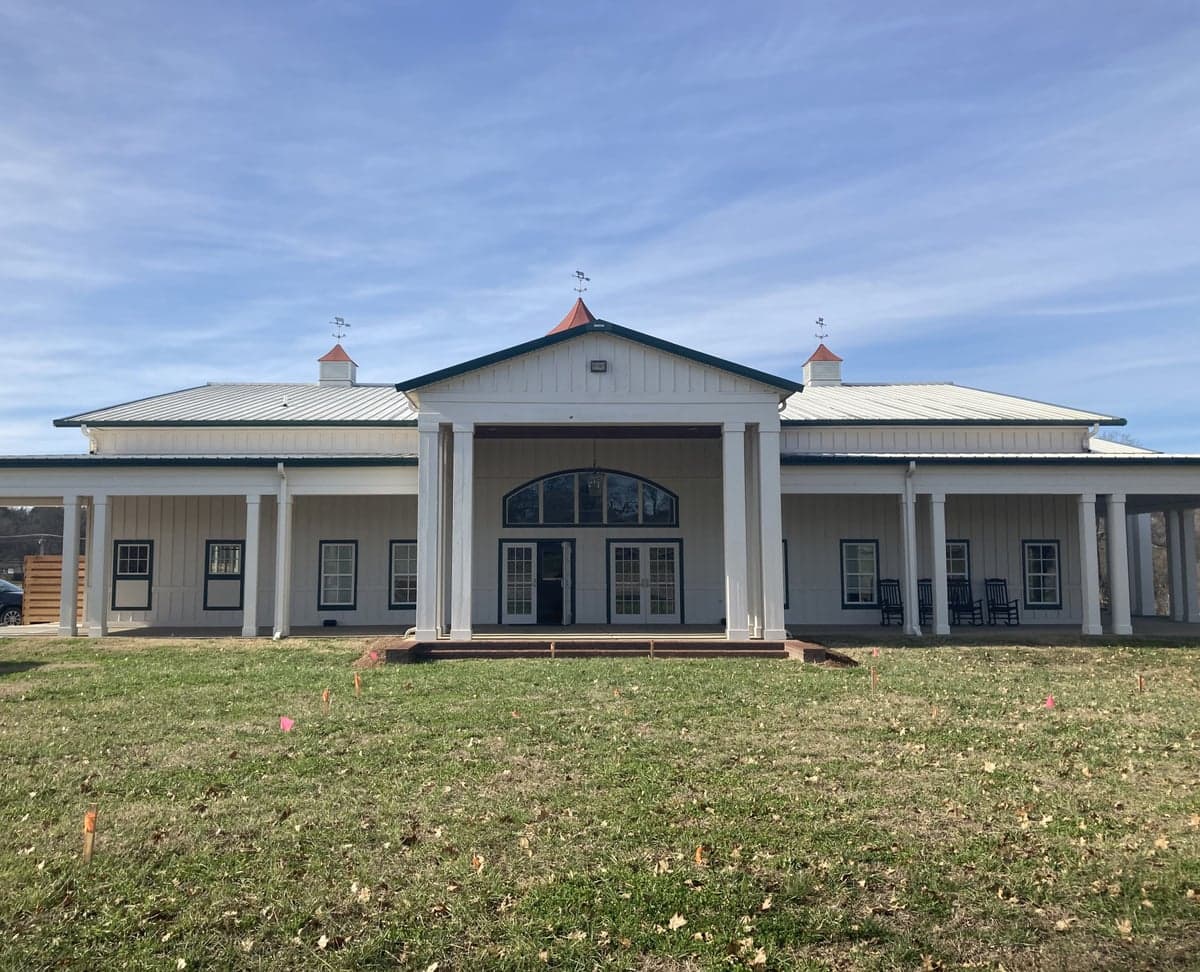
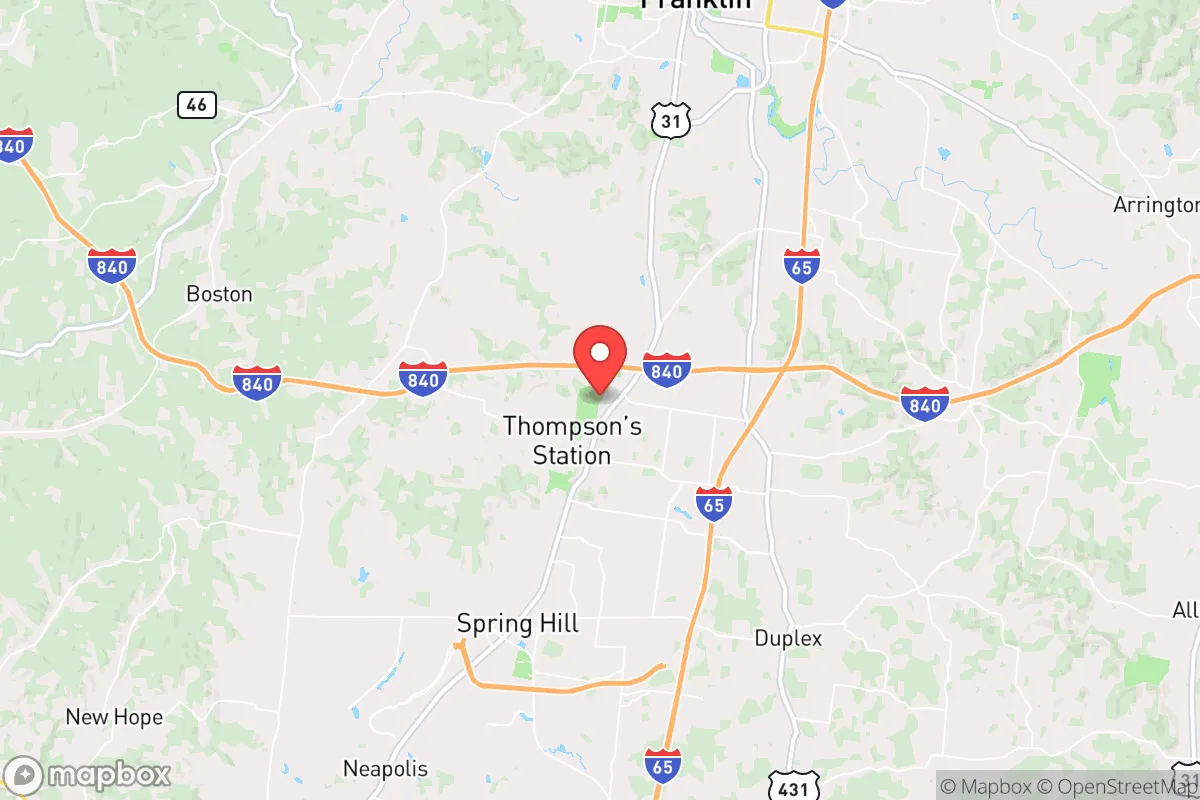
Photo: Wikipedia
Quality of Life in Thompson's Station, TN
A high quality of life with strong walkability, manageable living costs, healthy neighborhood signals, and solid amenity access.
What does Quality of Life tell us?
Quality of Life blends cost of living, nearby amenities, socioeconomic signals, and neighborhood character. City-level scores represent the whole municipality; individual neighborhoods can differ.
What does this tell us?
Quality of Life blends cost of living, nearby amenities, socioeconomic signals, and neighborhood character. City-level scores represent the whole municipality; individual neighborhoods can differ.
Cost of Living
94% above national average
The Real Cost of Living in Thompson's Station, TN for 2026
| Tier | Individual | Family (4) |
|---|---|---|
| Survival | $34k | $64k |
| Comfortable | $116k | $171k |
| Luxury | $189k+ | $293k+ |
| Elite (Top 5%) | $222k+ | $344k+ |
71%
The Area Signal
A metric tracking the socioeconomic signals of the area.
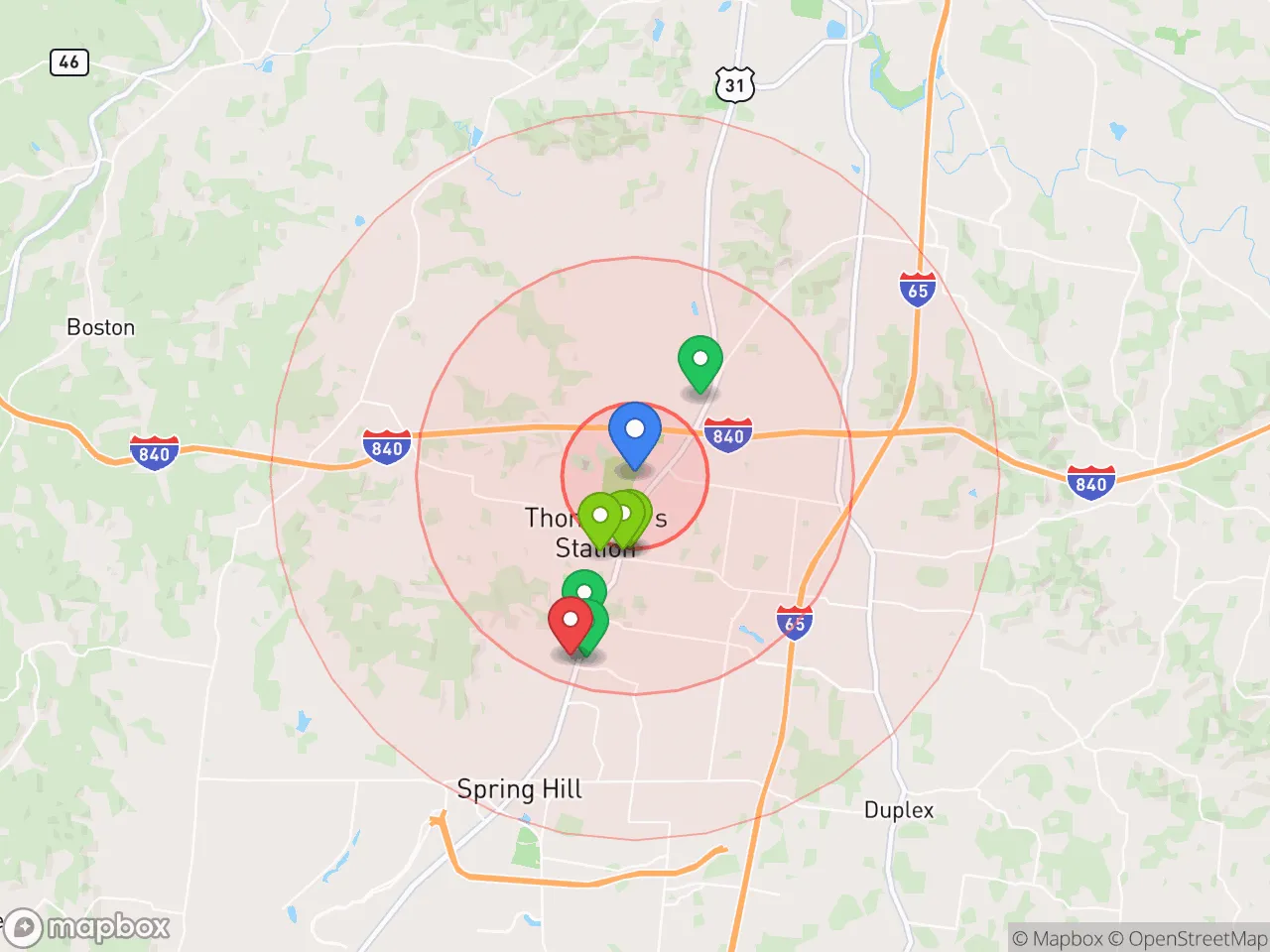
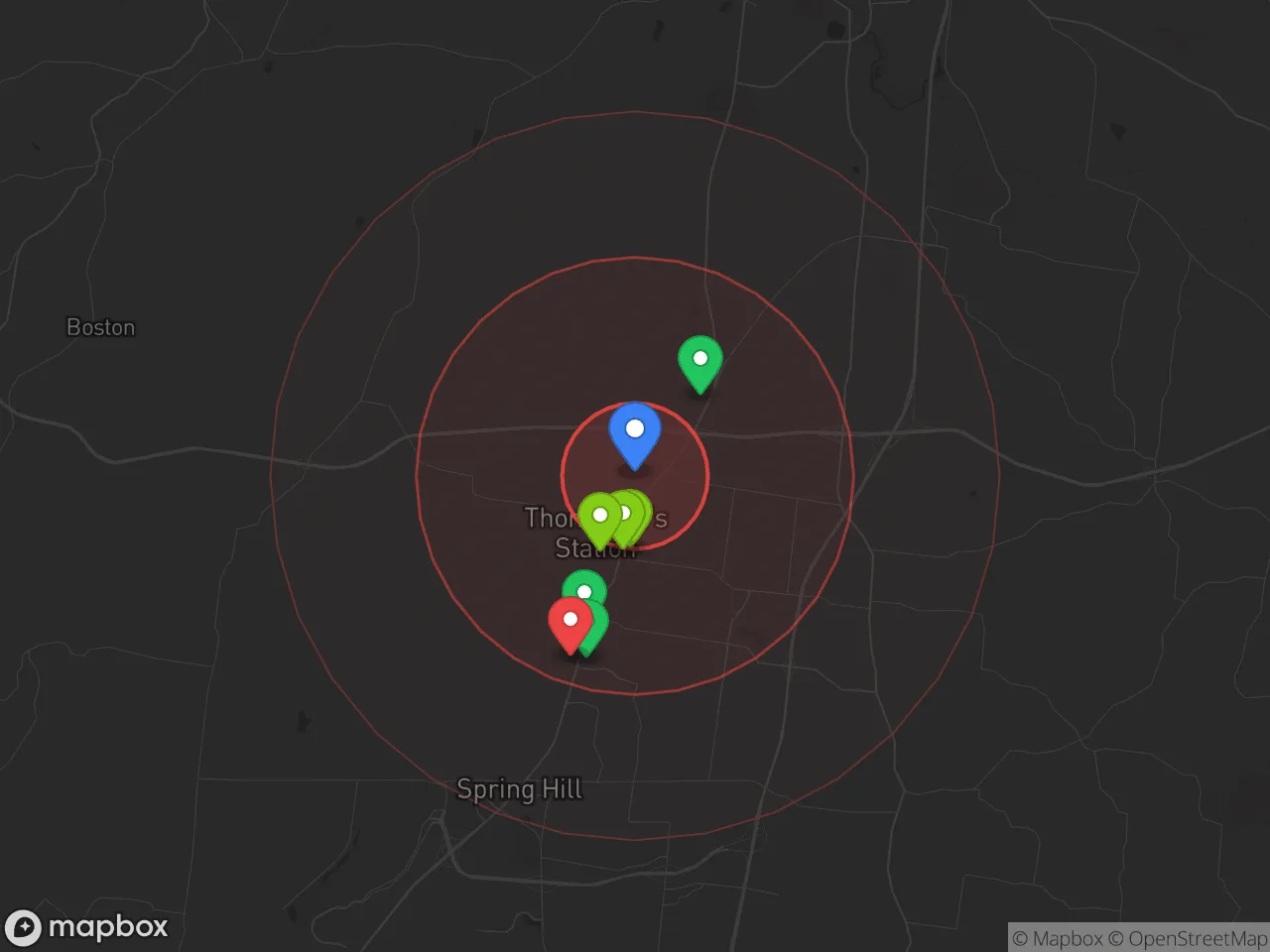
Hobbies
Explore the areaGroceries
0 within 10 miles
Gas
0 within 10 miles
Hospital
0 within 20 miles
Airport
BNA — Nashville International
Post Office
Critical Amenities
Quality-of-Life Analysis
Thompson’s Station is one of the most affluent communities in Middle Tennessee, drawing families and professionals who prioritize space, safety, and top-tier schools over urban proximity. With a cost-of-living index of 194 (nearly double the U.S. average), the town is a deliberate choice for those who can afford a premium suburban lifestyle—typically dual-income households, executives commuting to Nashville, and remote workers seeking a rural feel without sacrificing modern amenities. The population skews younger and more educated than the state average, and the town’s rapid growth since 2010 reflects its reputation as a high-end bedroom community within Williamson County.
How housing costs and affordability compare to Franklin and Spring Hill
Housing is the primary driver of Thompson’s Station’s elevated cost of living. The median home value sits at $598,200, significantly above the national median and roughly 15-20% higher than neighboring Spring Hill, though slightly below the priciest pockets of Franklin. Median rent is $2,124, putting rental options out of reach for many service-sector workers and young renters. For context, a household earning the Williamson County median income of roughly $110,000 would still face a housing-cost burden above the recommended 30% threshold. Compared to Nashville proper, Thompson’s Station offers more square footage and land per dollar, but the trade-off is a longer average commute of 30.2 minutes—a figure that can stretch to 45 minutes during peak hours on I-65. Property taxes are moderate for the region, but homeowners’ association fees and the lack of affordable multifamily housing further narrow the pool of potential residents to those with significant equity or high incomes.
What daily life is like for families: schools, shopping, and recreation
Daily life in Thompson’s Station revolves around its highly rated Williamson County Schools, particularly Thompson’s Station Elementary and Middle School and Independence High School, which consistently rank among Tennessee’s top 10%. The town’s commercial core is limited—a handful of strip centers, a Kroger, and local eateries—so most residents drive 10-15 minutes to Franklin’s Cool Springs area for major retail, dining, and medical services. Recreation centers on the 400-acre Thompson’s Station Park, which features sports fields, walking trails, and a dog park, plus the nearby Natchez Trace Parkway for hiking and cycling. The social rhythm is family-oriented: weekend soccer games, school fundraisers, and neighborhood pool gatherings dominate the calendar. Nightlife is essentially nonexistent, and the town lacks a traditional downtown square, which means residents seeking a walkable, urban-amenity lifestyle will find the area isolating. The community’s growth has also brought traffic congestion on Buckner Road and Thompson’s Station Road, a common complaint among long-time residents.
Thompson’s Station is best suited for upper-middle-class families and remote professionals who value school quality, low crime rates, and large lots over urban convenience or housing affordability. Empty-nesters downsizing from larger homes in Williamson County also find the town appealing for its quieter pace and newer construction. Conversely, singles, renters on a budget, and anyone reliant on public transit will struggle here—the town has no bus service and limited sidewalks. For those who can afford the premium, Thompson’s Station delivers a safe, well-managed suburban environment with strong property appreciation, but it is not a place for those seeking diversity in housing stock, rental options, or a vibrant street-level community life.

Crime in Thompson's Station, TN
Higher crime rates than 58% of comparable U.S. locations.
Violent CrimeViolent Crime Analysis
Property CrimeProperty Crime Analysis
Crime Analysis
Thompson's Station, Tennessee, presents a mixed safety profile for prospective residents. While the town is often perceived as a quiet, family-oriented suburb of Nashville, its reported crime rates demand careful scrutiny. With a violent crime rate of 496.9 per 100,000 residents and a property crime rate of 1,655.8 per 100,000, the data indicates that safety concerns are not negligible and warrant a closer look at local law enforcement and the broader judicial environment in Williamson County.
Crime in context
To understand Thompson's Station's numbers, they must be compared against state and national benchmarks. The national average for violent crime in 2025-2026 is approximately 380 per 100,000, making Thompson's Station's rate of 496.9 roughly 31% higher than the U.S. average. Property crime in the town also exceeds the national average of roughly 1,950 per 100,000, though it sits slightly below that figure at 1,655.8. However, when compared to the Tennessee state average for violent crime (around 670 per 100,000), Thompson's Station fares better. The key concern is that while the town is safer than many parts of the state, it is not as insulated from crime as its rural reputation might suggest, and the presence of a large metro area like Nashville introduces pressures that can affect local safety.
What residents experience
Residents of Thompson's Station typically report feeling safe in their immediate neighborhoods, but the statistical reality is that crime is present. The violent crime category includes aggravated assault, robbery, and rape, with the town's rate being driven primarily by assaults. Property crime, particularly theft from vehicles and residential burglaries, is the most common offense. A significant factor for potential residents to consider is the judicial philosophy in the surrounding region. Williamson County, while traditionally conservative, is adjacent to Davidson County (Nashville), which has elected progressive district attorneys and judges. This ideological approach, which often prioritizes rehabilitation and reduced incarceration, can lead to a "revolving door" for offenders who commit crimes in Thompson's Station but are processed through a system that may be more lenient. This directly impacts public safety by potentially returning repeat property and violent offenders to the streets more quickly, undermining the deterrent effect of prosecution and increasing the risk to victims and the community.
Neighborhood-level variation in Thompson's Station is notable. The newer, gated communities and subdivisions along Lewisburg Pike and near the town's historic core generally report lower incident rates. In contrast, areas closer to the I-65 corridor and the interchange with Highway 31, which see higher traffic and transient populations, experience a disproportionate share of property crimes like vehicle break-ins. Prospective residents should prioritize homes with good lighting, security systems, and off-street parking, and should be aware that the town's proximity to a major metro area with a progressive justice system means that the safety of the community is not solely determined by local police efforts, but also by the broader, more lenient judicial environment that can fail to hold offenders accountable.
* Values derived from national, state, county, city and local statistics and may differ in a specific area. Last updated: 2026-11-14T05:58:22.000Z
Narrative content on this page is AI-generated and may contain mistakes. Verify any details that matter before acting on them.
ReloMaps may earn a commission from affiliate links at no extra cost to you.

