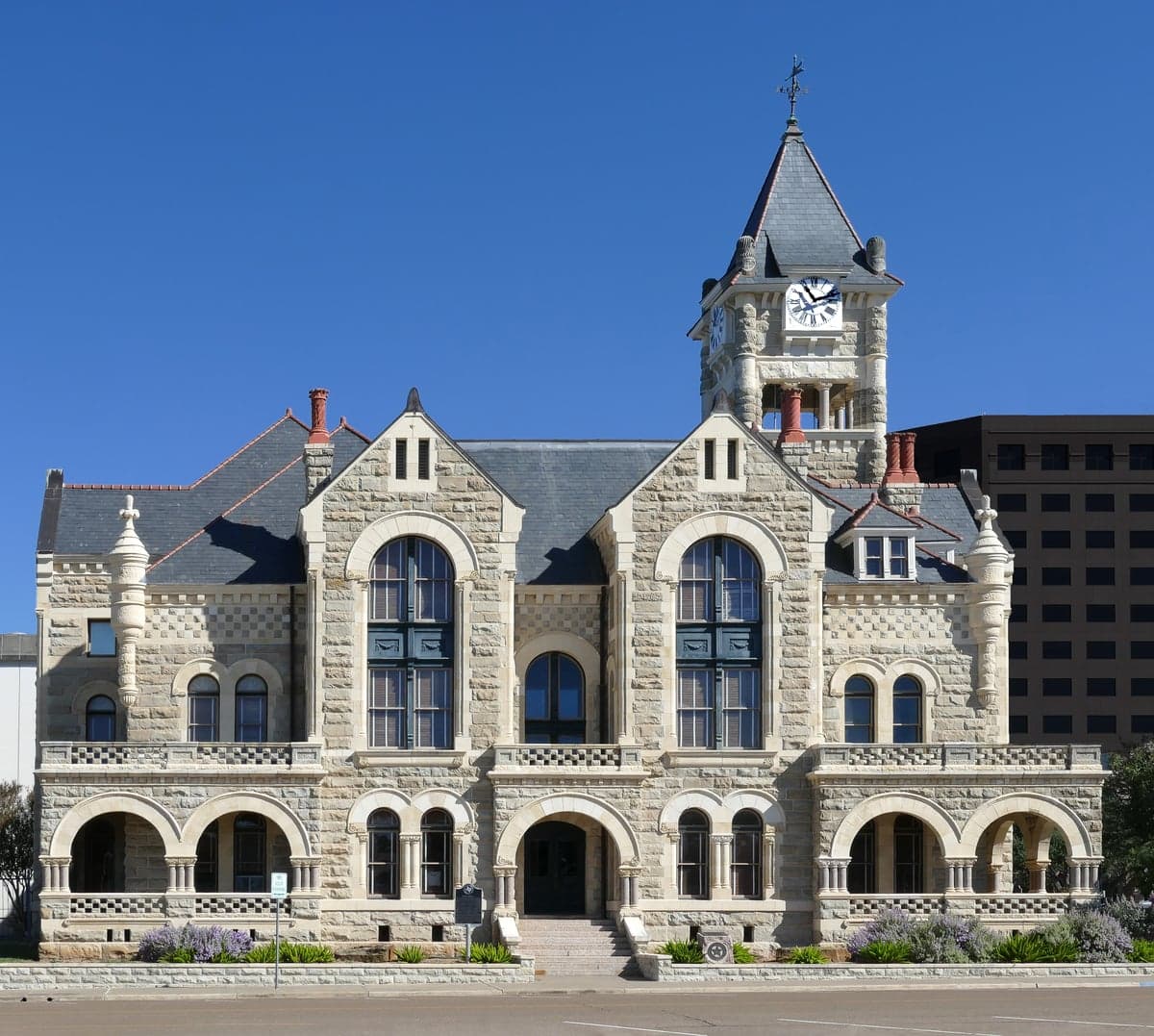
Photo: Wikipedia
Quality of Life in Victoria County
A livable area that tracks near national norms for affordability, walkability, and neighborhood health.
What does Quality of Life tell us?
Quality of Life measures an area by evaluating factors like cost of living, nearby amenities, country club access, airport proximity, socioeconomic signals and neighborhood character. For large states, this is a general average — quality of life can vary dramatically between metro areas, suburbs, and rural communities within the same state.
What does this tell us?
Quality of Life measures an area by evaluating factors like cost of living, nearby amenities, country club access, airport proximity, socioeconomic signals and neighborhood character. For large states, this is a general average — quality of life can vary dramatically between metro areas, suburbs, and rural communities within the same state.
Cost of Living
13% below national average
124%
The Real Cost of Living in Victoria County for 2026
| Tier | Individual | Family (4) |
|---|---|---|
| Survival | $18k | $35k |
| Comfortable | $38k | $56k |
| Luxury | $113k+ | $175k+ |
| Elite (Top 5%) | $133k+ | $206k+ |
Quality-of-Life Analysis
Victoria County offers a broad spectrum of quality-of-life options, from the urban amenities of its seat, Victoria, to the quiet, unincorporated farming communities that dot its flat coastal plains. People drawn here range from young professionals and families seeking affordable city jobs to retirees and agricultural workers who prefer a slower, land-based lifestyle. The county's cost of living sits 28% below the national average (COL index 87), making it one of the more accessible housing markets in South Texas, while commute times average just 22 minutes—well below national norms.
Largest town(s) & population centers
Victoria is the county's only incorporated city and its undisputed hub, home to roughly 62,000 residents—about 80% of the county's population. Daily life here centers around a mix of healthcare (Citizens Medical Center, DeTar Healthcare Systems), petrochemical production (Formosa Plastics, Invista), and regional retail along Navarro Street and the Victoria Mall. The city offers walkable neighborhoods like the historic Old Victoria district alongside suburban subdivisions such as Timber Ridge. Residents have access to a community college (Victoria College) and a growing University of Houston-Victoria campus. While Victoria provides most restaurants, shops, and medical services, it lacks the big-city traffic or nightlife of Houston or San Antonio. Commutes within city limits rarely exceed 20 minutes, and many workers live within a 15-minute drive of major employers.
Smaller towns & rural pockets
Outside Victoria, the county is defined by small unincorporated communities. Bloomington, 12 miles south of Victoria near the Guadalupe River, is a census-designated place of roughly 1,800 residents with a strong rural character—a few churches, a post office, and open farmland. Placedo and Inez are unincorporated clusters of homes and ranches; Inez is known for its annual Czech heritage celebrations. Telferner (population around 800) sits along U.S. Route 59 and has a mix of old ranch families and newer residents seeking lower property taxes. The far southeastern corner, near the Aransas County line, contains sparsely populated coastal prairie used for cattle grazing and hunting leases. None of these rural pockets have their own school districts—children are bused into the Victoria ISD or the Bloomington ISD. Internet connectivity can be limited in the most remote tracts, though Starlink and fixed wireless are expanding.
Cost & lifestyle range
The cost of living varies noticeably across the county. In Victoria, the median home value sits at $197,600 and median rent at $1,151, both well below Texas averages. A three-bedroom home in a newer Victoria subdivision like The Reserve or The Coves typically lists for $220,000–$270,000. In Bloomington or Placedo, comparable homes often sell for 5–15% less—$170,000–$200,000—but with fewer immediate services and longer drives (25–30 minutes) to Victoria's grocery stores and clinics. Property taxes in unincorporated areas are slightly lower due to the absence of city taxes, but residents pay for their own water wells and septic systems. At the high end of the spectrum, a few riverfront properties along the Guadalupe—mostly in the western part of the county—can exceed $400,000. At the low end, older manufactured homes in rural tracts sell for under $100,000. The average commute of 22 minutes holds true for most Victoria residents; those in the far northern or southern rural pockets may face 35–40 minute drives to work.
Victoria County best suits people who want the stability of a small-to-midsize city with access to essential services, coupled with the option of affordable rural living just a short drive away. Families appreciate the low cost of housing and the 20-minute school-to-home commutes. Workers in the oil, gas, and healthcare sectors find a ready job market. Retirees on fixed incomes stretch their dollars farther here than in almost any other region of Texas, provided they are comfortable with a slower pace and hot, humid summers.

Crime in Victoria County
Crime rates similar to the national median for U.S. locations.
Violent CrimeViolent Crime Analysis
Property CrimeProperty Crime Analysis
Crime Analysis
Victoria County, Texas, reports a violent crime rate of 342.3 per 100,000 residents and a property crime rate of 1,780.9 per 100,000, placing it above national averages but below the most dangerous urban centers in the state. The county's safety picture is shaped by a mix of small-town dynamics in communities like Victoria, the county seat, and more rural areas such as Inez and Placedo, where crime rates tend to be lower. However, the presence of a progressive district attorney in the 24th Judicial District, which covers Victoria County, has raised concerns among residents about lenient sentencing and reduced accountability for repeat offenders.
Crime in context
Victoria County's violent crime rate of 342.3 per 100,000 is roughly 15% higher than the national average of 298 per 100,000, but significantly lower than Texas's largest metro areas. For comparison, Houston's violent crime rate exceeds 1,000 per 100,000, while Dallas and San Antonio also report rates well above 600. Property crime in Victoria County stands at 1,780.9 per 100,000, which is about 10% above the national average of 1,620 per 100,000. This places the county in a middle tier among Texas counties—safer than urban hubs like Harris County but riskier than suburban enclaves such as Frisco or McKinney, where property crime rates hover around 1,200 per 100,000. The county's crime index is heavily influenced by incidents in the city of Victoria, which accounts for roughly 85% of all reported offenses.
What residents experience
Residents in Victoria County report property crime as the most common safety concern, with theft, burglary, and motor vehicle theft making up the bulk of incidents. The city of Victoria sees concentrated property crime near commercial corridors like Navarro Street and the Victoria Mall area, while residential neighborhoods in Inez and Placedo experience far fewer incidents. Violent crime, though less frequent, is a serious issue in specific pockets—particularly in central Victoria near the intersection of Houston Highway and Laurent Street, where aggravated assaults and robberies are more common. The progressive policies of the 24th Judicial District's district attorney, who has emphasized diversion programs and reduced incarceration for non-violent offenders, have led to criticism from law enforcement. Victoria Police Department data shows that repeat offenders account for nearly 40% of property crime arrests, a figure some attribute to a justice system that prioritizes rehabilitation over incarceration.
Neighborhood-level variation
Safety varies significantly across Victoria County. The city of Victoria itself is a mixed bag: older neighborhoods near downtown, such as the Historic District, have moderate crime rates, while newer subdivisions on the south side, like those near Victoria East High School, are generally safer. Rural communities like Inez and Placedo report violent crime rates below 100 per 100,000, making them attractive for families seeking lower risk. The county's unincorporated areas, particularly along U.S. Highway 59 and State Highway 185, see occasional drug-related property crime but little violent activity. Residents in these areas often cite the lack of a progressive prosecutor's influence as a factor in maintaining order, as local constables and sheriff's deputies operate with more traditional enforcement approaches. For those considering relocation, neighborhoods in the Victoria West area and the Mission Valley community offer the best safety profiles, while central Victoria demands greater vigilance.
* Values derived from national, state, county, city and local statistics and may differ in a specific area. Last updated: 2026-06-20T15:31:35.000Z
Narrative content on this page is AI-generated and may contain mistakes. Verify any details that matter before acting on them.
ReloMaps may earn a commission from affiliate links at no extra cost to you.

