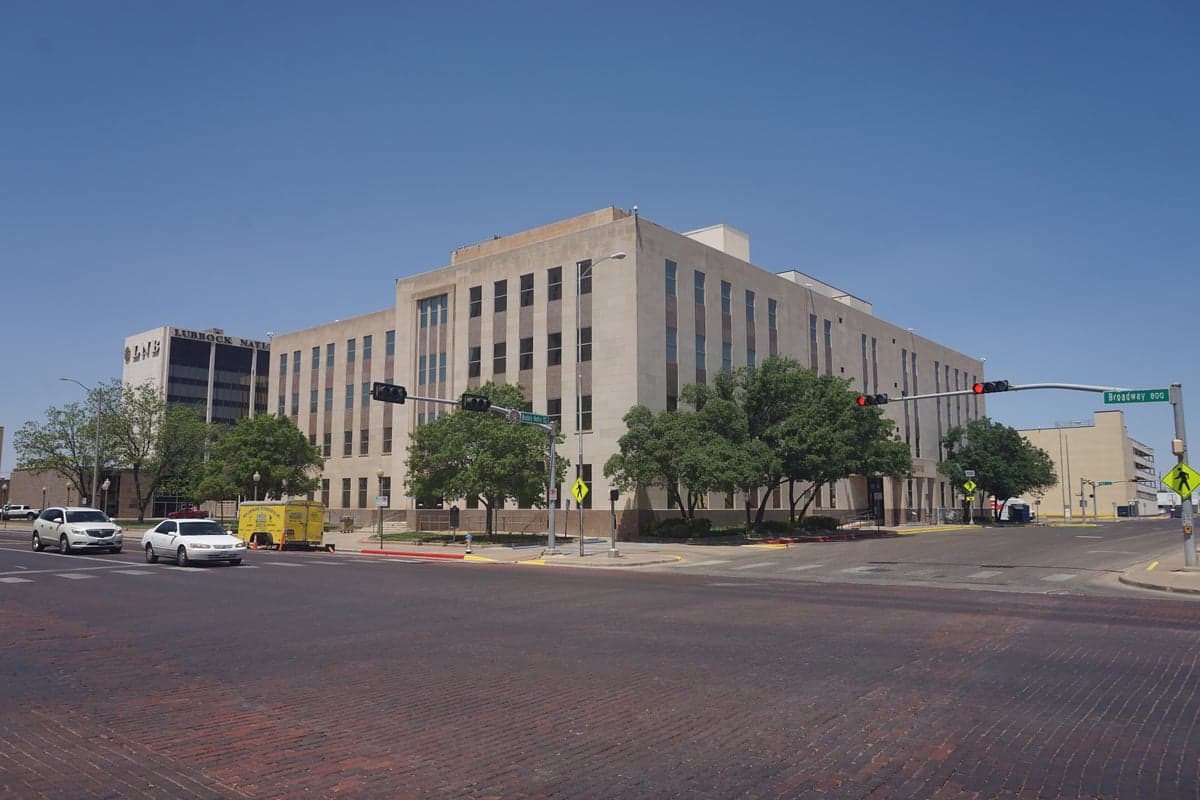
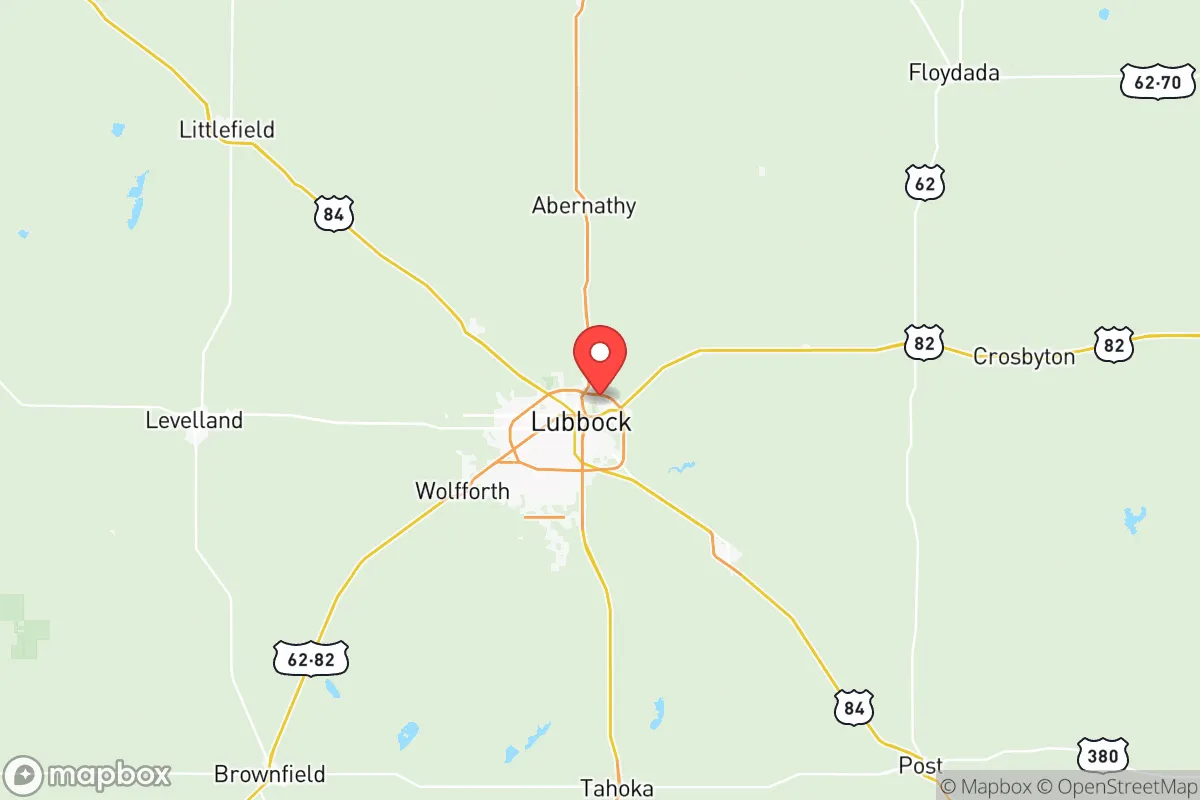
Photo: Wikipedia
Quality of Life in Lubbock County
A livable area that tracks near national norms for affordability, walkability, and neighborhood health.
What does Quality of Life tell us?
Quality of Life measures an area by evaluating factors like cost of living, nearby amenities, country club access, airport proximity, socioeconomic signals and neighborhood character. For large states, this is a general average — quality of life can vary dramatically between metro areas, suburbs, and rural communities within the same state.
What does this tell us?
Quality of Life measures an area by evaluating factors like cost of living, nearby amenities, country club access, airport proximity, socioeconomic signals and neighborhood character. For large states, this is a general average — quality of life can vary dramatically between metro areas, suburbs, and rural communities within the same state.
Cost of Living
13% below national average
111%
The Real Cost of Living in Lubbock County for 2026
| Tier | Individual | Family (4) |
|---|---|---|
| Survival | $18k | $34k |
| Comfortable | $39k | $57k |
| Luxury | $114k+ | $177k+ |
| Elite (Top 5%) | $148k+ | $229k+ |
Quality-of-Life Analysis
Lubbock County, Texas, offers a spectrum of quality-of-life options that range from the urban core of a major regional hub to quiet, unincorporated farming communities, attracting everyone from Texas Tech students and healthcare professionals to ranchers and retirees. The county’s character is defined by the dominance of Lubbock, the “Hub City,” which provides dense amenities and employment, while the surrounding smaller towns and rural pockets offer slower-paced, land-centric living. With a cost of living index of 87 (well below the national average of 100), the county delivers significant financial breathing room, though the lifestyle experience shifts dramatically depending on whether you choose a central neighborhood or a remote acreage.
Largest town(s) & population centers
Lubbock is the county’s sole major city and economic engine, home to roughly 260,000 residents. Daily life here revolves around Texas Tech University, the sprawling Covenant Health and UMC hospital systems, and a growing food-and-arts scene along Broadway and the Depot District. Commute times average a swift 16.9 minutes, making it easy to access work, shopping, and entertainment without the gridlock of larger metros. Neighborhoods range from historic Tech Terrace and the family-friendly Southwest Lubbock subdivisions to newer master-planned communities near the Marsha Sharp Freeway.
Smaller towns & rural pockets
Outside Lubbock, the county includes the small city of Wolfforth (population ~5,000), which has seen steady growth as a bedroom community with its own school district and a quieter, small-town feel. Further south, Idalou and Slaton offer tight-knit communities centered on agriculture and local schools. Unincorporated areas like Ransom Canyon provide scenic lakefront living on the eastern edge of the county, a rare amenity on the South Plains.
Cost & lifestyle range
The county’s median home value of $199,600 and median rent of $1,134 are significantly below national averages, but prices vary by location. In Lubbock’s core neighborhoods near Texas Tech, older homes and rentals are the most affordable, while newer subdivisions in southwest Lubbock and Wolfforth command higher prices. Rural properties in Slaton or Idalou offer the lowest land costs, often with acreage, but trade off proximity to grocery stores and healthcare.
This county suits a broad range of residents: young professionals and academics drawn to Lubbock’s urban energy, families seeking affordable suburban schools in Wolfforth, and those wanting true rural quiet on the plains near Idalou or Ransom Canyon.

Crime in Lubbock County
Crime rates similar to the national median for U.S. locations.
Violent CrimeViolent Crime Analysis
Property CrimeProperty Crime Analysis
Crime Analysis
Lubbock County, anchored by the city of Lubbock, presents a mixed safety profile where property crime rates significantly exceed national averages, while violent crime hovers near the Texas state median. With a violent crime rate of 345.1 per 100,000 residents and a property crime rate of 1,794.2 per 100,000, the county demands careful neighborhood-level research from prospective residents. The overall picture is one where routine property offenses like theft and burglary are the primary concern, while violent incidents remain more geographically concentrated.
Crime in context
Lubbock County's violent crime rate of 345.1 per 100,000 sits roughly in line with the Texas state average, though it is notably lower than major metro hubs like Houston or Dallas. However, the property crime rate of 1,794.2 per 100,000 is significantly higher than both the state and national averages, driven largely by larceny-theft and motor vehicle theft. Smaller communities within the county, such as Idalou and Slaton, typically report lower overall crime rates than the Lubbock city core, while unincorporated areas near Wolfforth and Shallowater benefit from lower population density and fewer opportunistic property crimes.
What residents experience
For daily life, the most common safety concern in Lubbock County is property crime—vehicle break-ins, package theft, and burglary from unlocked homes or sheds. Residents in central Lubbock and areas near Texas Tech University report higher incidences of these offenses, while suburban neighborhoods in South Lubbock and Ransom Canyon experience fewer incidents. Violent crime, while less frequent, is concentrated in specific corridors and is often related to domestic disputes or drug activity rather than random stranger attacks. The Lubbock County District Attorney's office has historically taken a tough-on-crime stance, but like many Texas counties, progressive judicial reforms in recent years have led to concerns about reduced sentences and early releases for repeat property offenders, which frustrates victims and emboldens criminals.
Neighborhood-level variation is pronounced. The safest areas within the county are generally the outer-ring suburbs and rural communities: Buffalo Springs and New Deal report very low violent crime and property crime rates well below the county average. Conversely, areas near the downtown Lubbock corridor and the East Lubbock neighborhoods see elevated crime statistics. Prospective residents should prioritize properties in the southwestern quadrant of Lubbock or in the smaller towns of Abernathy and Roosevelt for the most secure living environment, while remaining vigilant about basic property security measures countywide.
* Values derived from national, state, county, city and local statistics and may differ in a specific area. Last updated: 2026-07-13T23:10:45.000Z
Narrative content on this page is AI-generated and may contain mistakes. Verify any details that matter before acting on them.
ReloMaps may earn a commission from affiliate links at no extra cost to you.

