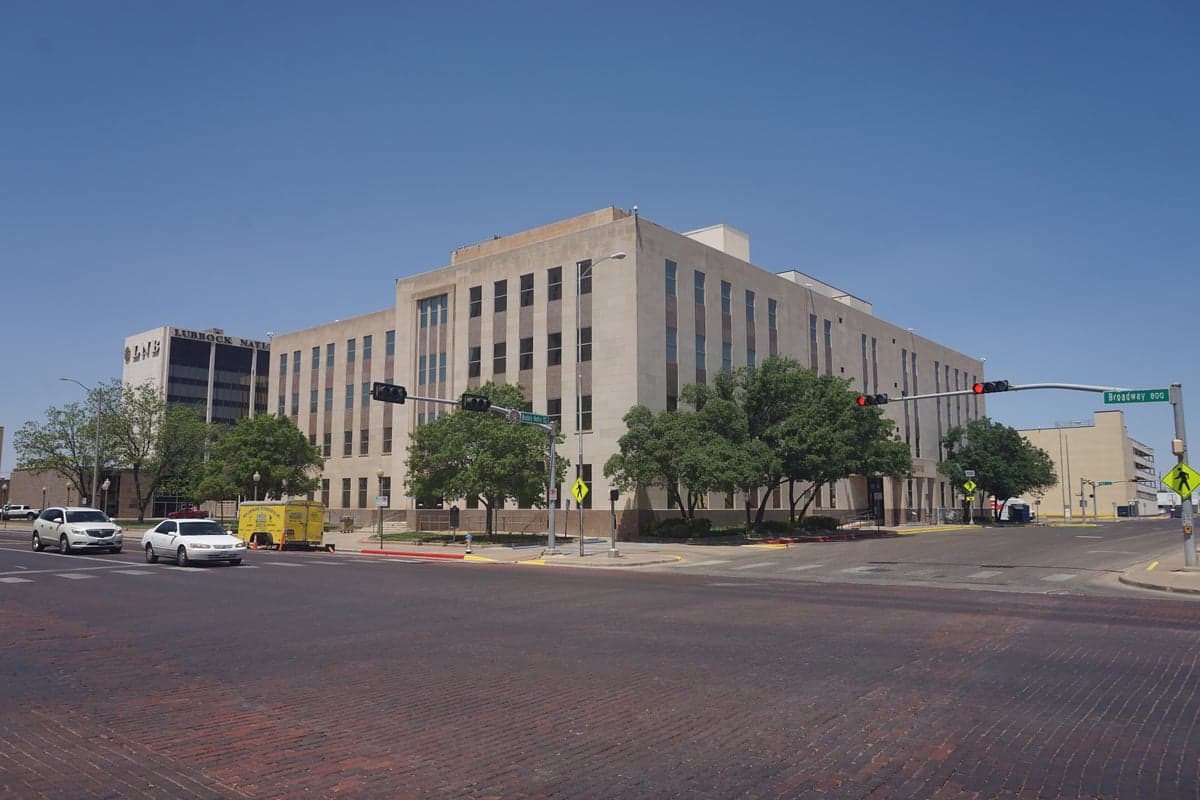
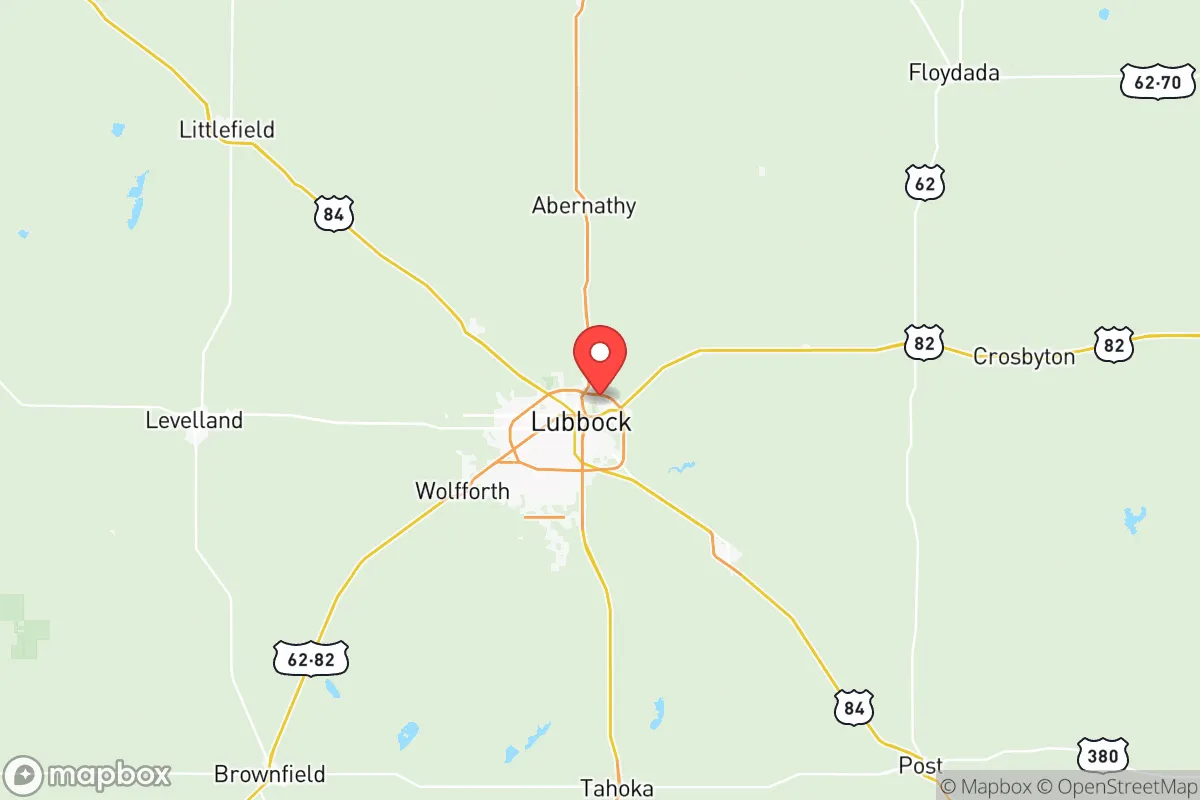
Photo: Wikipedia
Personal Sovereignty in Lubbock County
Viable for self-reliance. Generally workable, though some barriers may limit total independence.
What does Personal Sovereignty tell us?
Personal Sovereignty measures your capacity for self-reliance and independence with minimal government friction. Higher scores mean fewer barriers between you and the way you want to live... but it assumes you have the space you need and good neighbors.
What does this tell us?
Personal Sovereignty measures your capacity for self-reliance and independence with minimal government friction. Higher scores mean fewer barriers between you and the way you want to live... but it assumes you have the space you need and good neighbors.
State Policy
Energy independence: Net exporter (220% of energy produced in-state)
Personal Liberty
Homesteading

Personal Liberty Analysis
Lubbock County offers a notably high degree of personal sovereignty, rooted in Texas’s strong tradition of limited government and individual liberty, making it a compelling destination for those prioritizing autonomy. The county’s regulatory environment is generally light-touch, with local governance in cities like Lubbock, Wolfforth, and Shallowater reflecting a pro-business, low-tax posture that aligns with conservative values. For single individuals and families seeking to maximize personal freedom—whether through self-defense, homeschooling, or self-reliant living—Lubbock County provides a legal and cultural framework that consistently favors individual choice over government oversight.
Tax burden and regulatory posture in Lubbock County
Texas’s absence of a state income tax is a foundational advantage, and Lubbock County amplifies this with relatively low property tax rates compared to other Texas metros. The county’s effective property tax rate hovers around 2.1% of assessed value, slightly below the state average, with no city income tax in Lubbock, Wolfforth, or Idalou. The regulatory posture is decidedly hands-off: there are no county-level zoning ordinances in unincorporated areas, meaning landowners in places like Ransom Canyon or rural stretches near Slaton can build, fence, or operate small businesses with minimal bureaucratic friction. Business permitting in Lubbock is streamlined, with most commercial permits issued within 10 business days, and the county imposes no additional occupational licensing beyond state requirements. This light-touch approach extends to land use—agricultural exemptions are straightforward to obtain for properties over 10 acres, a boon for those seeking to reduce tax liability through ag-exempt status.
Self-defense and gun law specifics in Lubbock County
Lubbock County is deeply embedded in Texas’s permitless carry environment, which allows any law-abiding resident 21 or older to carry a handgun openly or concealed without a license. Local law enforcement, including the Lubbock County Sheriff’s Office and the Lubbock Police Department, publicly support Second Amendment rights, and there are no county-level restrictions beyond state law. In the city of Lubbock, firearms are prohibited in city-owned buildings and parks, but this is a standard state preemption carve-out; the surrounding towns of Wolfforth and Shallowater have no such local ordinances, making them more permissive for daily carry. The county’s gun culture is robust, with multiple indoor and outdoor shooting ranges near Lubbock and in rural areas like Buffalo Springs Lake, and firearm sales are brisk at local dealers such as Sharp Shooters and Lubbock Indoor Range. Stand-your-ground and castle doctrine laws apply fully, and the county’s district attorney has a record of not prosecuting lawful self-defense cases, reinforcing a climate where personal protection is treated as a fundamental right.
Self-reliance and homesteading viability across Lubbock County
Homesteading and off-grid living are viable in Lubbock County, particularly outside the city limits of Lubbock. In unincorporated areas, there are no county building codes or zoning restrictions, allowing residents to install rainwater catchment systems, solar panels, or composting toilets without permits. Lot sizes vary widely: in rural areas near New Deal and Idalou, parcels of 5 to 40 acres are common and affordable, with prices averaging $3,000–$5,000 per acre. Within Lubbock’s city limits, however, the story differs—the city enforces minimum lot sizes of 6,000 square feet for single-family homes and requires permits for accessory structures, limiting intensive homesteading. Wolfforth and Shallowater have more relaxed ordinances, with larger lot options and fewer restrictions on livestock; chickens and goats are permitted on lots over one acre in both towns. Off-grid feasibility is high in the county’s rural pockets, where well water is accessible at depths of 100–200 feet, and solar irradiance is excellent for photovoltaic systems. The county’s agricultural extension office offers resources for small-scale farming, and the local farmers’ market in Lubbock supports direct-to-consumer sales, making self-reliance a practical, not just theoretical, pursuit.
Personal liberties: parental rights, medical autonomy, speech, and property
Parental rights are strongly protected in Lubbock County, with school districts like Lubbock ISD, Frenship ISD (serving Wolfforth), and Shallowater ISD offering robust homeschool support, including access to extracurricular activities and curriculum resources. Medical autonomy is bolstered by Texas’s broad conscientious objection laws, which allow individuals to refuse medical treatments or procedures on religious or moral grounds, and Lubbock County has no local mandates that override these protections. Free speech is vigorously defended; the city of Lubbock has not enacted any local ordinances restricting public assembly or expressive conduct beyond state law, and the county’s political climate is overwhelmingly supportive of First Amendment rights. Property rights are equally strong: eminent domain is rarely exercised, and the county’s appraisal district is known for transparent protest processes. In unincorporated areas, property owners can use their land for nearly any lawful purpose without conditional use permits, a sharp contrast to more regulated counties in Texas. The combination of these protections creates an environment where individuals and families can make deeply personal decisions—about education, healthcare, and land use—with minimal government interference.
Overall, Lubbock County ranks among the more sovereign-friendly areas in Texas, offering a balance of low taxes, permissive self-defense laws, and genuine homesteading opportunities that are increasingly rare in the state’s growing metros. Compared to Travis or Harris counties, where zoning, permitting, and tax burdens are heavier, Lubbock County’s regulatory climate is distinctly hands-off. For those who value personal autonomy as a core lifestyle priority, the county’s mix of rural flexibility and small-city infrastructure—anchored by Lubbock’s amenities but with easy access to the open spaces of New Deal, Idalou, and Ransom Canyon—provides a practical foundation for self-directed living.

* Values derived from national, state, county, city and local statistics and may differ in a specific area. Last updated: 2026-07-13T23:10:45.000Z
Narrative content on this page is AI-generated and may contain mistakes. Verify any details that matter before acting on them.
ReloMaps may earn a commission from affiliate links at no extra cost to you.

