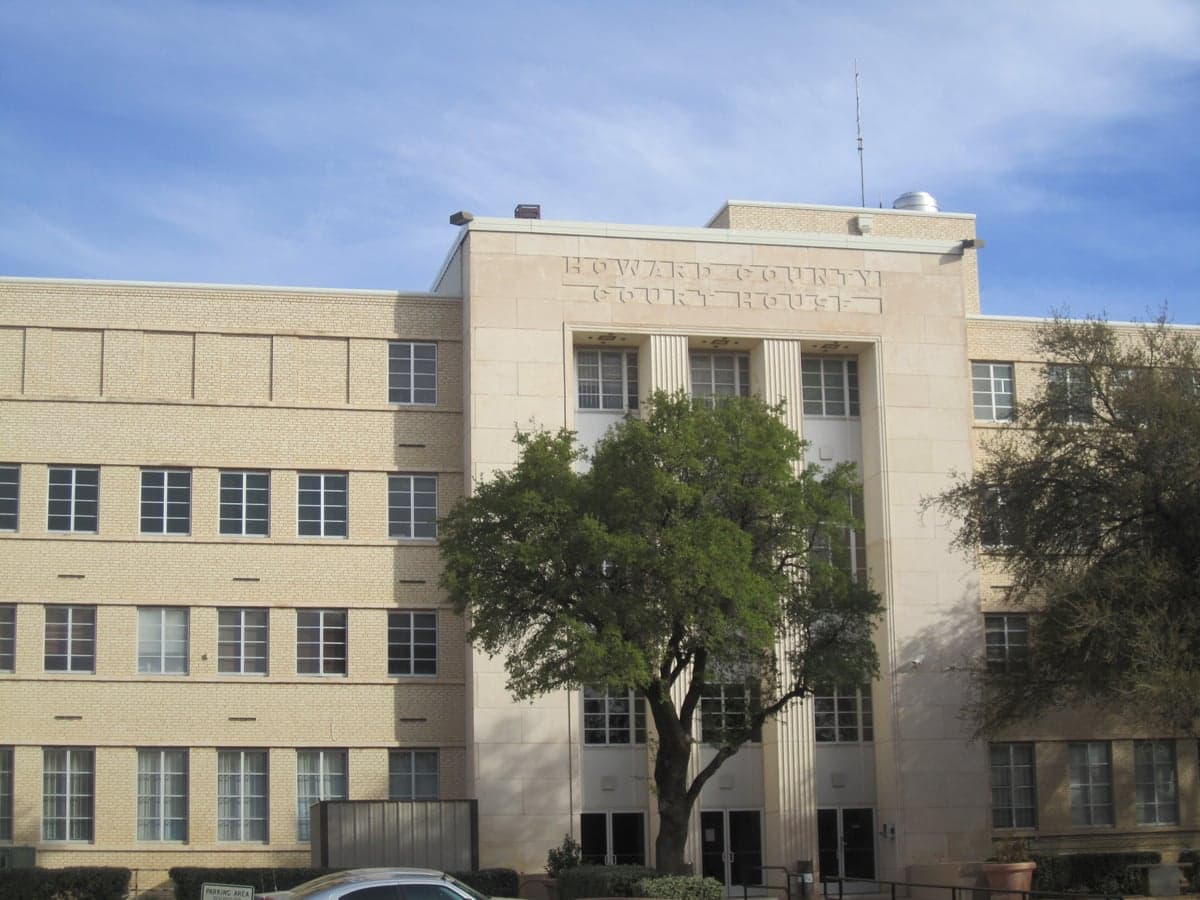
Photo: Wikipedia
Strategic Assessment of Howard County
Strong survivability profile. Good buffer from population centers, with manageable environmental and tactical risks.
What does the Strategic Assessment tell us?
Our Strategic Assessment grades tactical survivability of an area. Major population centers, military targets, fallout zones, natural disasters, and border exposure all drive risk — lower exposure means a more defensible position in a crisis.
This is heavily inspired by Joel Skousen's Strategic Relocation book. Highly recommended you checkout the book ($)What does this tell us?
Our Strategic Assessment grades tactical survivability of an area. Major population centers, military targets, fallout zones, natural disasters, and border exposure all drive risk — lower exposure means a more defensible position in a crisis.
This is heavily inspired by Joel Skousen's Strategic Relocation book. Highly recommended you checkout the book ($)Strategic Pillars

Key Distances
Strategic Assessment Analysis
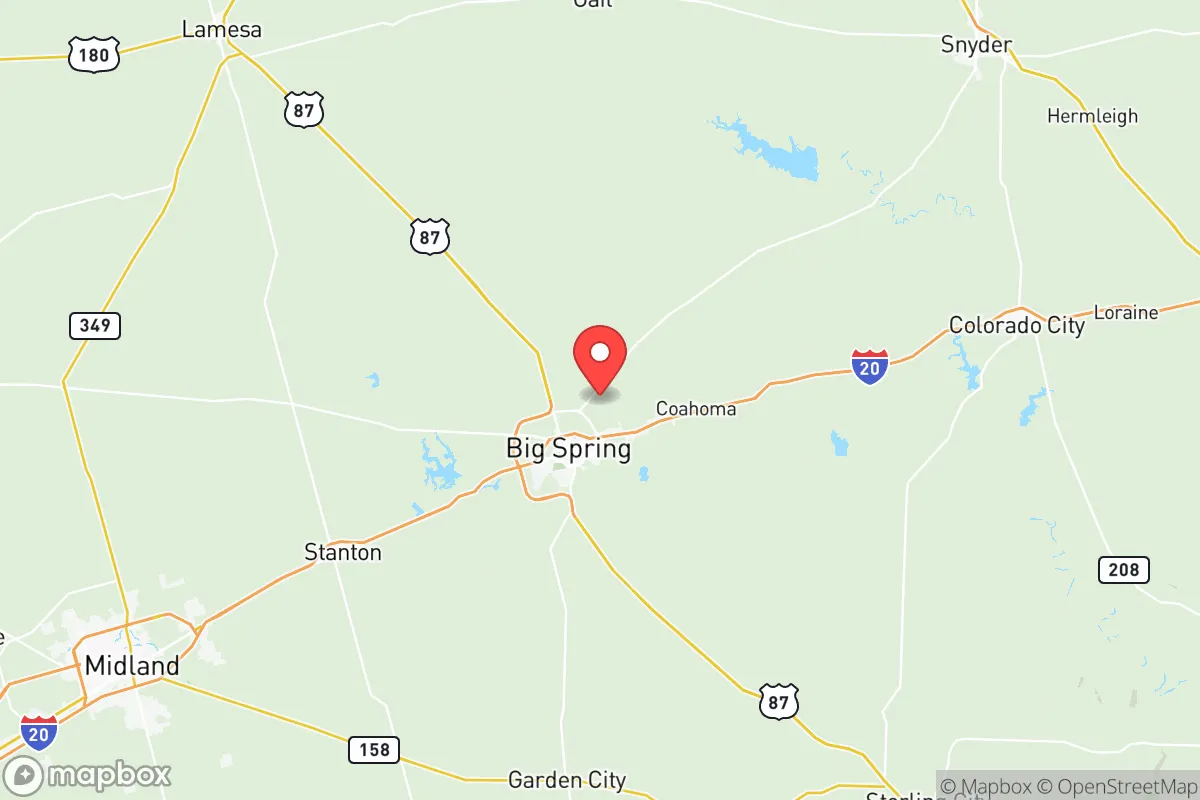
Howard County, Texas, anchored by the county seat of Big Spring, presents a compelling case for relocation-minded individuals and families who prioritize resilience and self-sufficiency without abandoning all connection to modern infrastructure. Its position in the Permian Basin, roughly 30 miles from the eastern edge of the Midland-Odessa metroplex, offers a unique blend of economic stability from oil and gas, a semi-arid climate that reduces many weather-related risks, and a population density low enough to avoid the cascading failure risks of major urban centers. For a reader weighing disaster readiness and long-term strategic positioning, Howard County deserves a serious look—not as a prepper’s bunker, but as a functional, defensible, and resource-rich slice of West Texas.
Geographic position and natural advantages for long-term stability
Howard County sits on the southern edge of the High Plains, where the terrain transitions from flat, windswept prairie to the rolling hills of the Edwards Plateau. This location offers several natural advantages. The semi-arid climate means annual precipitation averages only 18 inches, significantly reducing risks of flooding, hurricanes, and the mold and structural decay common in wetter regions. The area is far from any active fault lines, and tornado activity, while possible, is less frequent and intense than in the classic "Tornado Alley" zones to the north. The county’s elevation—around 2,400 feet above sea level—provides a natural buffer against storm surges and sea-level rise, concerns that plague coastal communities. The local geography also includes the Colorado River of Texas, which flows through the southern part of the county, providing a reliable surface water source that is rare in much of West Texas. This water, combined with the Ogallala Aquifer underlying the region, gives Howard County a distinct water security advantage over many other parts of the state.
Risks, exposures, and proximity to fallout-relevant landmarks
No strategic assessment is complete without a clear-eyed look at vulnerabilities. Howard County’s primary man-made risk stems from its deep integration with the oil and gas industry. The county is dotted with thousands of active and inactive wells, tank batteries, and pipeline infrastructure. A major industrial accident—such as a well blowout, pipeline rupture, or refinery fire—could create localized hazards, though the sparse population means fewer people are directly exposed. The Big Spring Refinery, operated by Delek US Holdings, is a significant landmark: it processes roughly 73,000 barrels of crude oil per day and sits just west of the city. A worst-case scenario at this facility could produce a toxic plume or fire, but prevailing winds from the south-southeast typically carry emissions away from the most populated areas. More broadly, Howard County is approximately 150 miles from the Permian Basin’s most concentrated refinery and chemical corridors, and over 200 miles from the Houston Ship Channel—a major target in any conflict scenario. This distance provides a meaningful buffer from the immediate fallout and chaos that would likely engulf those zones. The county is also roughly 180 miles from Fort Cavazos (formerly Fort Hood), a major Army installation that could become a military target or a focal point for troop movements during a national emergency. While not directly adjacent, this proximity means Howard County could see secondary effects—such as military convoys, refugee flows, or supply chain disruptions—if the base were compromised. Natural risks are minimal: the area experiences occasional drought, extreme heat (summer highs regularly exceed 100°F), and rare hailstorms, but no hurricanes, earthquakes, or wildfires of the scale seen in California or the Pacific Northwest.
Practical resilience for a relocator: food, water, energy, and defensibility
For someone serious about self-sufficiency, Howard County offers a strong foundation. Water is the most critical resource, and the county has multiple layers of supply. The Colorado River provides surface water for irrigation and municipal use, while the Ogallala Aquifer—though declining in some parts of the High Plains—remains a viable groundwater source for those with the means to drill a well. The city of Big Spring operates its own water treatment plant and has a history of investing in water conservation and drought contingency plans. For off-grid living, a properly sited well with a solar-powered pump can provide a reliable, independent water supply. Energy is abundant. Howard County sits in the heart of the Permian Basin, meaning natural gas and oil are literally beneath the surface. Solar potential is excellent, with over 260 sunny days per year, and wind resources are strong—the area is part of the Texas Panhandle wind corridor. A combination of solar panels, a small wind turbine, and a propane or natural gas generator can provide near-total energy independence. The county also has a robust electrical grid connection through the ERCOT system, though winter storms (like the 2021 Uri event) have exposed vulnerabilities in Texas’s isolated grid. For food, the county’s agricultural heritage is a plus. Local farmers and ranchers produce beef, cotton, and some grains. The Big Spring Farmers Market operates seasonally, and the area has several feed stores and agricultural supply outlets. For those willing to garden, the growing season is long (roughly 220 days), though irrigation is essential. Defensibility is a mixed picture. The terrain is mostly flat to gently rolling, offering limited natural cover, but the low population density—roughly 36,000 people in the entire county—means fewer potential threats and more space to establish a secure perimeter. The county’s rural character, with scattered homesteads and ranches, makes it easier to monitor approaches and maintain privacy. However, the lack of natural barriers (mountains, dense forests) means that a determined group could approach from any direction. The local law enforcement presence is modest; the Howard County Sheriff’s Office and Big Spring Police Department are professional but stretched thin over a large area. For a relocator, the key is to choose a property with good sightlines, a reliable water source, and a defensible layout—preferably on a larger parcel away from main highways.
The overall strategic picture for Howard County is one of balanced resilience. It avoids the extreme risks of coastal and urban areas while retaining access to critical infrastructure, jobs, and resources. The oil and gas economy provides a buffer against national economic downturns, and the county’s location—far from major military targets, nuclear power plants, and dense population centers—reduces the likelihood of being caught in a cascading disaster. The trade-offs are real: extreme summer heat, limited cultural amenities, and a conservative social environment that may not suit everyone. But for a family or individual who values preparedness, self-reliance, and a slower pace of life, Howard County offers a solid, defensible base with the resources needed to weather most disruptions. It is not a fortress, but it is a place where a thoughtful relocator can build a genuinely resilient life.

* Values derived from national, state, county, city and local statistics and may differ in a specific area. Last updated: 2026-06-14T23:30:09.000Z
Narrative content on this page is AI-generated and may contain mistakes. Verify any details that matter before acting on them.
ReloMaps may earn a commission from affiliate links at no extra cost to you.

