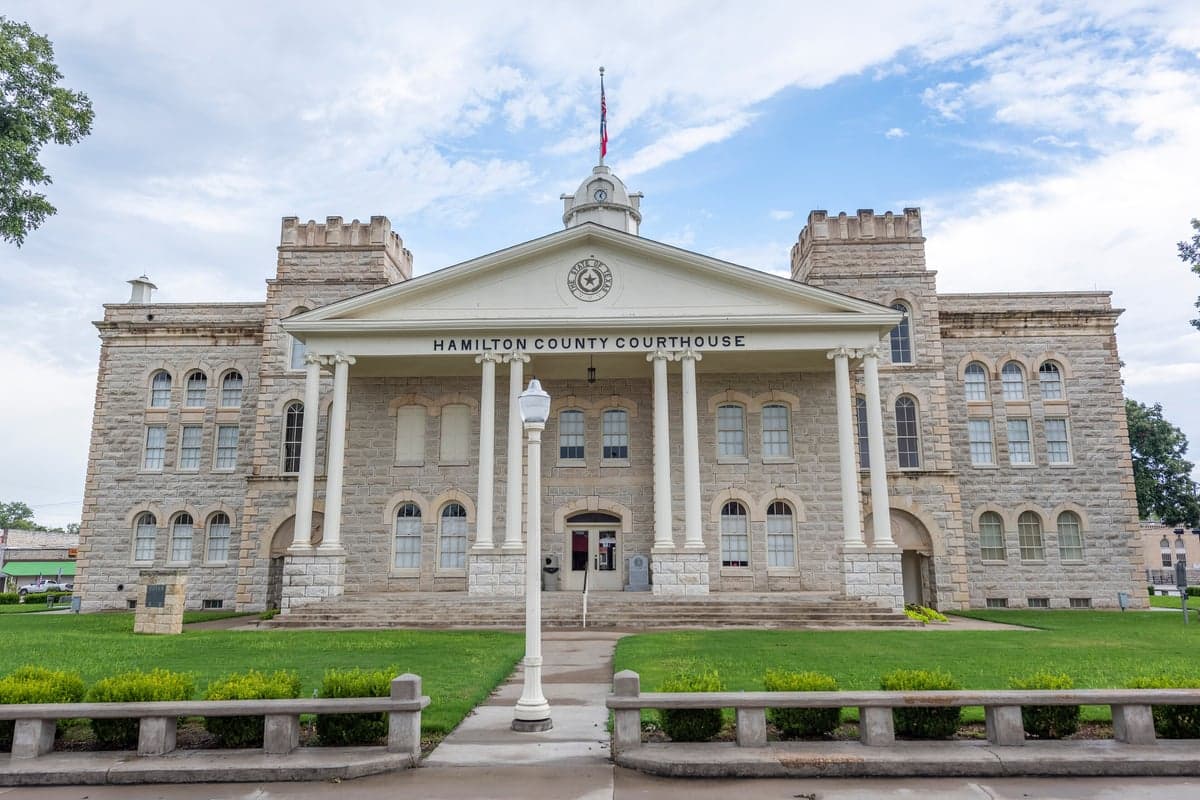
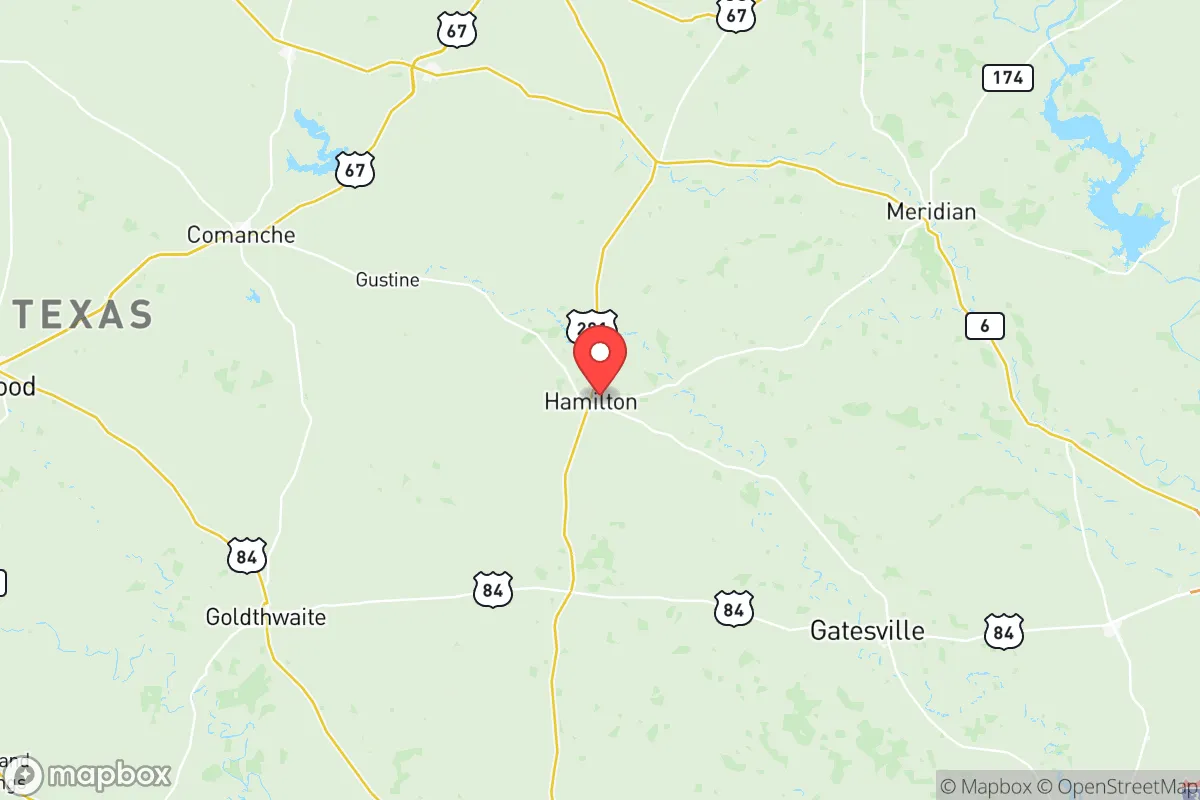
Photo: Wikipedia
Quality of Life in Hamilton County
A livable area that tracks near national norms for affordability, walkability, and neighborhood health.
What does Quality of Life tell us?
Quality of Life measures an area by evaluating factors like cost of living, nearby amenities, country club access, airport proximity, socioeconomic signals and neighborhood character. For large states, this is a general average — quality of life can vary dramatically between metro areas, suburbs, and rural communities within the same state.
What does this tell us?
Quality of Life measures an area by evaluating factors like cost of living, nearby amenities, country club access, airport proximity, socioeconomic signals and neighborhood character. For large states, this is a general average — quality of life can vary dramatically between metro areas, suburbs, and rural communities within the same state.
Cost of Living
39% below national average
145%
The Real Cost of Living in Hamilton County for 2026
| Tier | Individual | Family (4) |
|---|---|---|
| Survival | $14k | $25k |
| Comfortable | $26k | $38k |
| Luxury | $100k+ | $155k+ |
| Elite (Top 5%) | $165k+ | $255k+ |
Quality-of-Life Analysis
Hamilton County, Texas, offers a spectrum of quality-of-life options that range from the modest conveniences of its county seat, Hamilton, to the quiet, unincorporated crossroads of communities like Evant and Pottsville. The county draws a mix of retirees seeking low property taxes, commuters working in larger metros like Waco or Stephenville, and families looking for affordable acreage. With a cost-of-living index of 61 (39% below the U.S. average), a median home value of $124,800, and a median rent of $847, the county presents a stark contrast to the housing pressures found in Texas’s major cities, though amenities thin out rapidly beyond the town limits.
Largest town(s) & population centers
The only incorporated city of significant size is Hamilton, the county seat with a population of roughly 3,000. Daily life here centers on the historic courthouse square, which hosts a handful of locally owned restaurants, a grocery store, and basic retail. The town is home to Hamilton High School and the Hamilton Hospital, a critical access facility that serves the entire county. Commuting patterns are notable: the average commute time in the county is just 19.6 minutes, reflecting that most residents work locally or in nearby small towns rather than enduring long drives to the Dallas-Fort Worth metroplex. Hamilton provides the county’s densest concentration of services—including a public library, a small airport, and a few churches—but lacks big-box retail or a major hospital network, meaning residents drive 30–40 minutes to Stephenville or Gatesville for Walmart or specialty medical care.
Smaller towns & rural pockets
Outside Hamilton, the county is defined by unincorporated communities and crossroads settlements. Evant (population ~400) straddles the Hamilton-Coryell county line and offers a handful of homes, a post office, and a volunteer fire department, but no grocery store or gas station. Pottsville (population ~100) is a rural hamlet with a church and a few scattered homes, surrounded by ranchland and hay fields. Aleman and Shive are little more than historical markers on county roads, with no commercial services. These areas are overwhelmingly residential and agricultural, with residents relying on Hamilton or the neighboring town of Hico for daily needs. The rural pockets are characterized by large lots—often 5 to 20 acres—and a strong do-it-yourself culture, where septic systems, private wells, and propane tanks are the norm.
Cost & lifestyle range
The cost spread within Hamilton County is narrow compared to urban areas, but meaningful differences exist. At the lower end, older homes in the unincorporated areas of Pottsville or Aleman can sell for under $80,000, often requiring significant renovation. Rentals in these pockets are scarce, but when available, they can fall below the county median of $847. At the higher end, newer construction on the outskirts of Hamilton—particularly along Highway 281 and near the Leon River—can reach $200,000–$250,000, offering modern finishes and larger acreage. The lifestyle range is equally stark: in-town Hamilton offers sidewalks, a public water system, and proximity to the county courthouse and school, while rural residents trade those conveniences for privacy, lower property taxes (the county’s effective rate is roughly 1.2%), and the ability to keep livestock or hunt on their own land. Utility costs are a notable factor—rural homes often rely on propane for heating and private wells for water, which can add $150–$300 per month compared to city utilities.
Hamilton County is best suited for those who value affordability, space, and a slower pace over urban amenities and job density. Retirees on fixed incomes can stretch their savings here, especially if they are comfortable driving 30 minutes for medical specialists or shopping. Families who prioritize a small-school environment and low crime rates will find Hamilton’s schools and community safe, though employment options are limited to local government, agriculture, healthcare, and a few manufacturing jobs. Commuters willing to drive 45–60 minutes to Waco or Stephenville can access higher-paying jobs while enjoying rural home prices. The county does not suit those who need walkable neighborhoods, diverse dining, or robust public transit—but for buyers seeking the most affordable entry point into Central Texas real estate, Hamilton County remains one of the region’s best-kept secrets.

Crime in Hamilton County
Crime rates similar to the national median for U.S. locations.
Violent CrimeViolent Crime Analysis
Property CrimeProperty Crime Analysis
Crime Analysis
Hamilton County, Texas, presents a mixed safety picture for prospective residents: its violent crime rate of 346.3 per 100,000 residents sits below the national average, but its property crime rate of 1,798.2 per 100,000 runs notably higher than both state and national benchmarks. The county’s roughly 8,200 residents are spread across small communities like Hamilton, Hico, and Evant, where the character of crime differs sharply from the urban corridors of Dallas or Houston. For families weighing a move to Central Texas, the data suggests a rural area where property offenses—not violent confrontations—are the primary concern.
Crime in context
Hamilton County’s violent crime rate of 346.3 per 100,000 is approximately 10% below the national average of roughly 380 per 100,000, and it tracks closely with the Texas statewide figure of about 340 per 100,000. However, the property crime rate of 1,798.2 per 100,000 is a clear outlier: it exceeds the national average of approximately 1,954 per 100,000 only modestly, but it runs about 15% higher than the Texas average of roughly 1,560 per 100,000. This gap is driven largely by theft and burglary reports in unincorporated areas and along the US-281 corridor, which funnels traffic between Waco and the Hill Country. By contrast, neighboring counties like Bosque and Comanche report property crime rates closer to the state median, making Hamilton County’s elevated figure a local anomaly rather than a regional trend.
What residents experience
In practical terms, the crime data translates to a community where violent incidents are rare but property crimes are a recurring nuisance. The county seat of Hamilton, home to roughly 3,000 residents, accounts for a disproportionate share of reported thefts, largely due to its retail and agricultural supply businesses that attract transient offenders. Hico, known for its tourism and historic downtown, sees occasional burglaries targeting vacant vacation properties, while Evant and the smaller unincorporated communities report minimal activity beyond isolated rural thefts. The Hamilton County Sheriff’s Office, with a staff of roughly a dozen deputies, covers the county’s 836 square miles, meaning response times in outlying areas can stretch to 20 minutes or more. Residents in the county’s 31st Judicial District, which includes Hamilton County, operate under a district attorney whose office handles cases with a conventional, victim-focused approach—a contrast to the progressive prosecutorial policies seen in large metro counties like Harris or Dallas, where reduced bail and diversion programs have drawn criticism for putting repeat offenders back on the street. In Hamilton County, the justice system leans conservative, with an emphasis on prosecution and incarceration for property crimes, which aligns with the preferences of most rural Texas voters.
Neighborhood-level variation within Hamilton County is modest but worth noting. The town of Hamilton itself has a slightly higher crime index than the county average, driven by its commercial density and the presence of the Hamilton Independent School District, which attracts daytime foot traffic. Hico’s crime rate runs roughly 20% lower than the county average, making it the safest of the three incorporated towns, while Evant, straddling the Hamilton-Coryell county line, benefits from its small population and limited commercial activity. For those considering a move, the practical takeaway is straightforward: property crime is the statistical reality, violent crime is rare, and the county’s conservative judicial philosophy means offenders who are caught face meaningful consequences rather than lenient pretrial release.
* Values derived from national, state, county, city and local statistics and may differ in a specific area. Last updated: 2026-10-30T19:29:37.000Z
Narrative content on this page is AI-generated and may contain mistakes. Verify any details that matter before acting on them.
ReloMaps may earn a commission from affiliate links at no extra cost to you.

