Photo: Wikipedia
Strategic Assessment of Bell County
Meaningful friction. Expect exposure to either population pressure, blast zones, or natural disaster risk. Consider buying a retreat property.
What does the Strategic Assessment tell us?
Our Strategic Assessment grades tactical survivability of an area. Major population centers, military targets, fallout zones, natural disasters, and border exposure all drive risk — lower exposure means a more defensible position in a crisis.
This is heavily inspired by Joel Skousen's Strategic Relocation book. Highly recommended you checkout the book ($)What does this tell us?
Our Strategic Assessment grades tactical survivability of an area. Major population centers, military targets, fallout zones, natural disasters, and border exposure all drive risk — lower exposure means a more defensible position in a crisis.
This is heavily inspired by Joel Skousen's Strategic Relocation book. Highly recommended you checkout the book ($)Strategic Pillars

Key Distances
Strategic Assessment Analysis
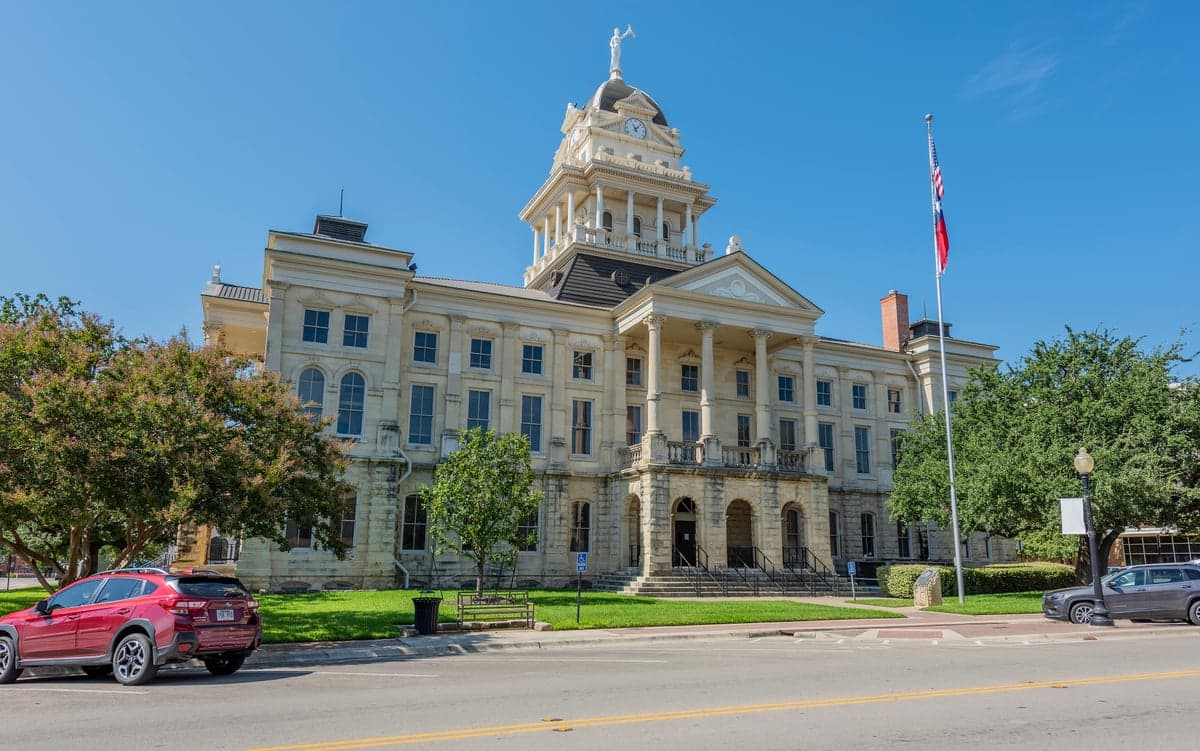
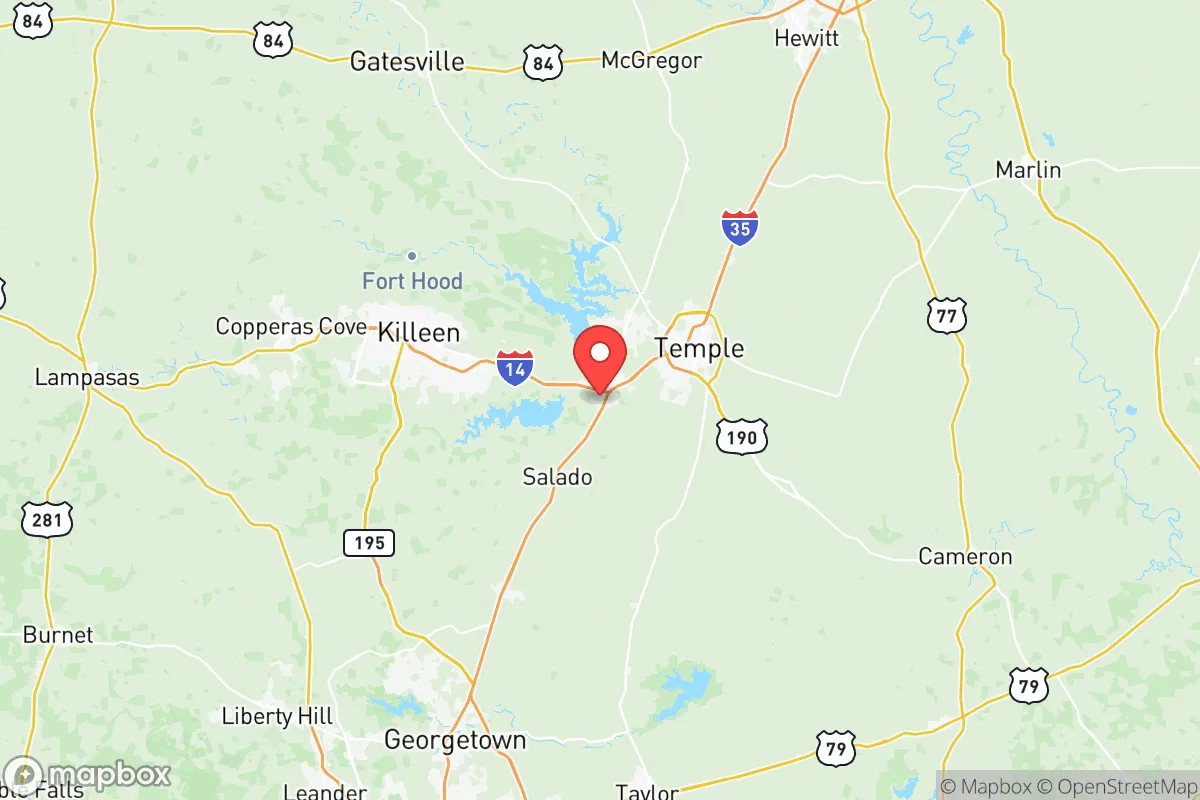
Bell County, Texas, offers a compelling mix of geographic stability and strategic depth that appeals to relocation-minded individuals and families who prioritize resilience and self-sufficiency. Anchored by the cities of Temple, Belton, and Killeen, the county sits squarely in the Central Texas corridor, far enough from the Gulf Coast to avoid the worst of hurricane storm surge, yet close enough to major infrastructure to maintain supply-chain access. Its position along the I-35 corridor provides a direct north-south lifeline, while the presence of Fort Cavazos (formerly Fort Hood) ensures a robust local economy and a population accustomed to preparedness and logistical discipline. For a relocator thinking seriously about disaster readiness, Bell County presents a balanced picture of opportunity and exposure that deserves a close look.
Geographic position and natural advantages for long-term stability
Bell County’s location in the Cross Timbers and Prairies region gives it a moderate climate with fewer extreme weather events than other parts of Texas. The area sits on the Balcones Fault line, but seismic activity is minimal and rarely causes structural damage. The terrain is a mix of rolling hills and open prairie, offering natural drainage and reducing the risk of catastrophic flooding that plagues low-lying areas near the coast. The county is also situated on the Edwards Aquifer, providing a reliable groundwater source that is less vulnerable to surface contamination than river-fed systems. This combination of moderate weather, stable geology, and accessible water makes Bell County a defensible choice for those looking to avoid the most volatile natural disaster zones in the state.
Risks, exposures, and proximity to fallout-relevant landmarks
No strategic assessment is complete without acknowledging the risks. Bell County’s most significant exposure comes from its proximity to Fort Cavazos, one of the largest military installations in the world. While the base is an economic engine, it is also a potential target in a conflict scenario, and its daily operations include live-fire training, ordnance disposal, and heavy vehicle traffic that carry their own risks. Additionally, the county lies roughly 150 miles south of the Dallas-Fort Worth metroplex and about 180 miles north of Houston’s refinery corridor — both are high-value targets in a national security context. The I-35 corridor itself is a critical logistics artery, meaning it could become a chokepoint during evacuation or supply disruption. On the positive side, Bell County is not home to any major chemical refineries, nuclear power plants, or large-scale industrial facilities that would make it a primary target. The risks here are secondary and indirect, stemming from proximity to larger assets rather than hosting them directly. For a relocator weighing fallout scenarios, Bell County offers a middle ground: it is not a zero-risk zone, but it avoids the highest-consequence exposure found in Houston, Dallas, or San Antonio.
Practical resilience for a relocator: food, water, energy, and defensibility
When it comes to day-to-day resilience, Bell County performs well on several fronts. The region is part of the Texas Blackland Prairie, one of the most productive agricultural zones in the state, with ample farmland for local food production. Farmers markets in Temple and Belton are active, and the area supports a growing number of small-scale farms and ranches that cater to the local food movement. Water access is a strong point: the county sits atop the Edwards Aquifer, and surface water is available through the Brazos River basin and Lake Belton, a 12,300-acre reservoir that provides both recreation and a strategic water reserve. Energy infrastructure is reliable, with the county served by the Electric Reliability Council of Texas (ERCOT) grid, which has faced scrutiny but remains functional. For those seeking energy independence, the region’s ample sunshine makes solar a viable supplement, and the rural character of much of the county allows for well drilling and septic systems, reducing dependence on municipal utilities. Defensibility is more nuanced: the open prairie offers long sightlines but limited natural cover, while the rolling hills and scattered woodlots provide some concealment. The presence of Fort Cavazos means a large population with military training and equipment, which could be an asset or a liability depending on the scenario. For a family looking to establish a resilient homestead, Bell County offers a workable balance of resources and access without the extreme isolation that can make self-sufficiency impractical.
The overall strategic picture for Bell County is one of moderate resilience with manageable trade-offs. It is not a remote bunker location, nor is it a high-risk urban center. The county’s strengths lie in its agricultural capacity, water availability, and stable climate, while its weaknesses stem from its position along a major corridor and its proximity to a large military installation. For the relocator who values community infrastructure, economic opportunity, and a reasonable level of preparedness, Bell County represents a solid middle option. It is a place where a family can build a self-sufficient lifestyle without sacrificing access to hospitals, schools, and supply chains. The key is to choose a location within the county that balances proximity to resources with a degree of separation from the most concentrated population centers — think the outskirts of Belton or the rural areas near Rogers rather than the denser parts of Killeen or Temple. With careful planning, Bell County can serve as a long-term base for those who take resilience seriously.

* Values derived from national, state, county, city and local statistics and may differ in a specific area. Last updated: 2026-06-17T20:11:03.000Z
Narrative content on this page is AI-generated and may contain mistakes. Verify any details that matter before acting on them.
ReloMaps may earn a commission from affiliate links at no extra cost to you.

