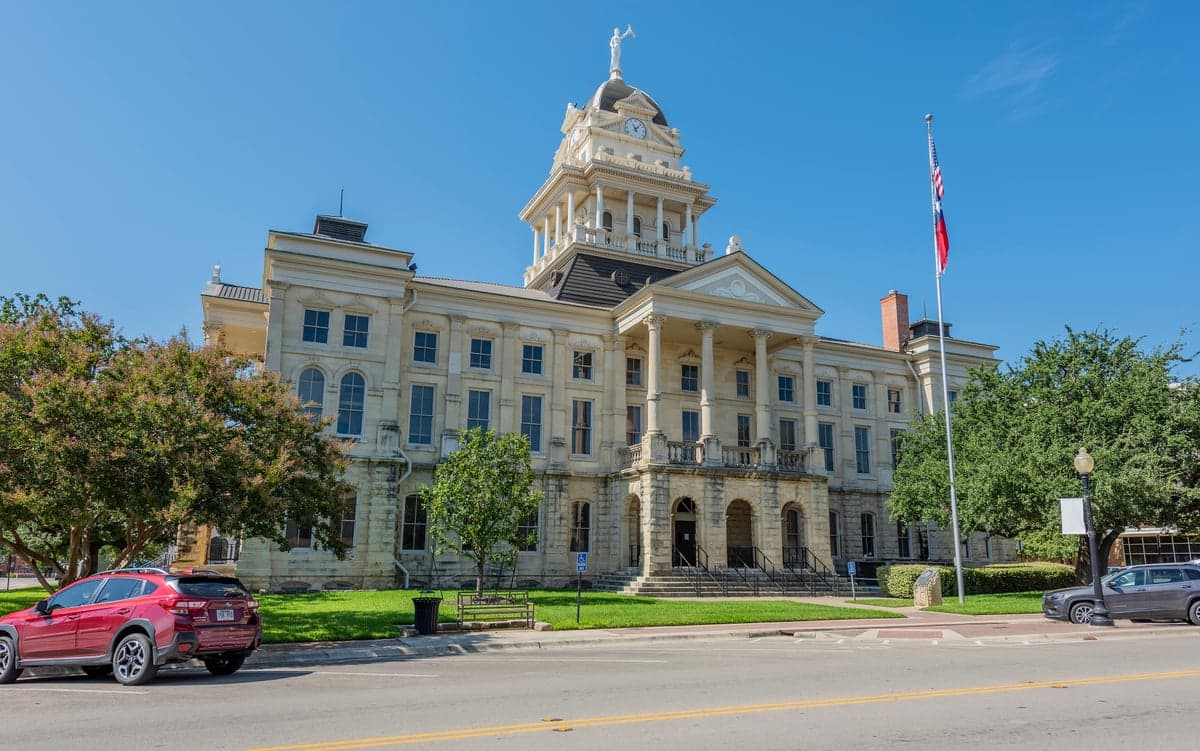
Photo: Wikipedia
Quality of Life in Bell County
A livable area that tracks near national norms for affordability, walkability, and neighborhood health.
What does Quality of Life tell us?
Quality of Life measures an area by evaluating factors like cost of living, nearby amenities, country club access, airport proximity, socioeconomic signals and neighborhood character. For large states, this is a general average — quality of life can vary dramatically between metro areas, suburbs, and rural communities within the same state.
What does this tell us?
Quality of Life measures an area by evaluating factors like cost of living, nearby amenities, country club access, airport proximity, socioeconomic signals and neighborhood character. For large states, this is a general average — quality of life can vary dramatically between metro areas, suburbs, and rural communities within the same state.
Cost of Living
8% below national average
105%
The Real Cost of Living in Bell County for 2026
| Tier | Individual | Family (4) |
|---|---|---|
| Survival | $19k | $35k |
| Comfortable | $43k | $63k |
| Luxury | $119k+ | $185k+ |
| Elite (Top 5%) | $140k+ | $217k+ |
Quality-of-Life Analysis
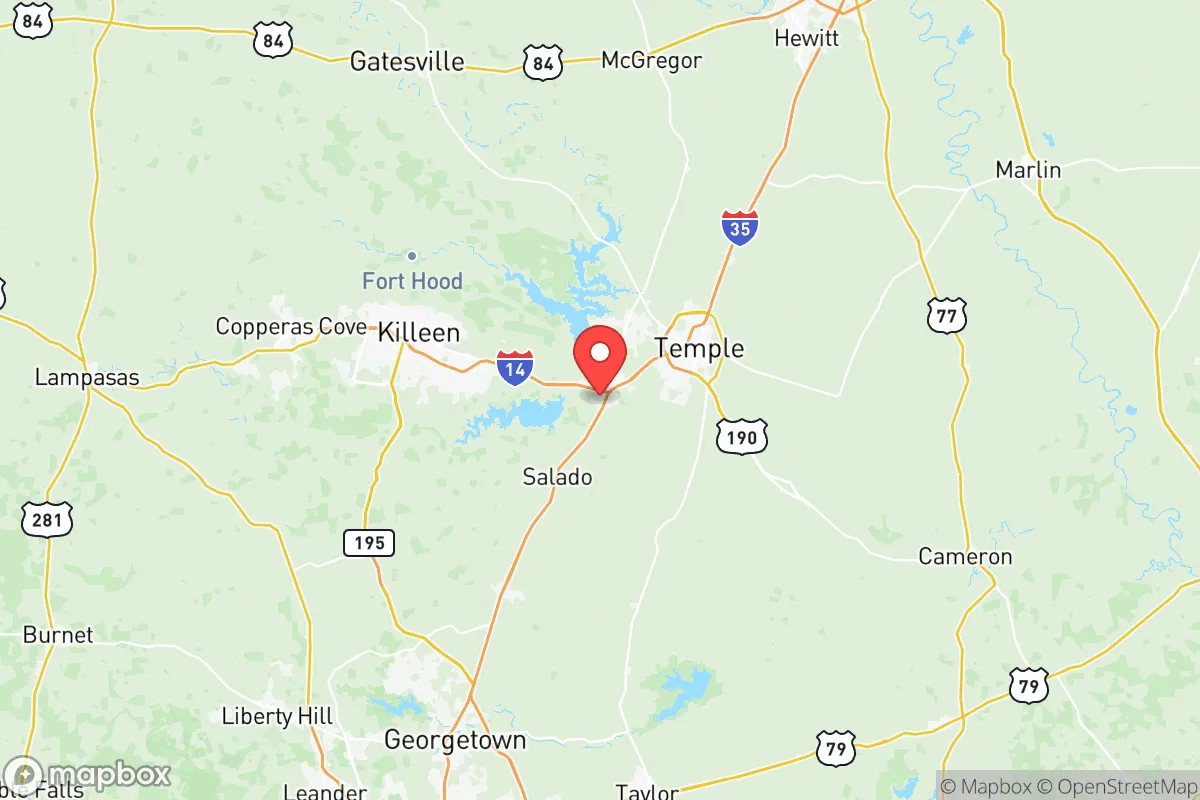
Bell County, Texas, offers a broad quality-of-life spectrum that spans from the dense, amenity-rich urban corridor of Killeen and Temple to the quiet, rural landscapes of communities like Holland and Salado. This diversity attracts a wide range of residents, from active-duty military families and defense contractors seeking convenience and employment to retirees and commuters looking for small-town charm or affordable acreage. The county's character shifts noticeably from the high-traffic commercial zones of Interstate 35 to the open farmlands and historic squares found just a few miles off the main highway.
Largest town(s) & population centers
The county's primary population centers are Killeen, Temple, and Belton. Killeen, home to Fort Cavazos, is the largest city and defines the eastern edge of the county with a fast-paced, military-influenced daily life. Its economy is dominated by defense and service industries, and residents experience a high concentration of retail, dining, and rental housing. Temple, located along I-35, serves as the region's medical and commercial hub, anchored by Baylor Scott & White Medical Center. Daily life here is more suburban and professional, with a growing downtown district and newer master-planned subdivisions. Belton, the county seat, offers a smaller-town feel centered around the historic courthouse square and Lake Belton, providing a mix of lake recreation and local government employment. Commute times across these three cities average 23.4 minutes, reflecting the relatively contained nature of the county's urbanized area despite its population size.
Smaller towns & rural pockets
Beyond the I-35 corridor, Bell County contains several distinct smaller communities. Salado, a historic village along the interstate, is known for its antique shops, art galleries, and the Salado Creek, attracting tourists and residents seeking a walkable, heritage-focused lifestyle. Holland, in the county's rural southwest, is a tight-knit agricultural community with a small school district and a quiet, low-traffic environment. Rogers and Little River-Academy are similarly scaled, offering basic services and a slower pace of life for those who commute to Temple or Killeen. Unincorporated areas like Heidenheimer and Seaton consist largely of farmsteads and acreage properties, where residents trade proximity to amenities for space and privacy. These pockets are where the county's rural character is most pronounced, with gravel roads, livestock operations, and limited public infrastructure.
Cost & lifestyle range
The cost of living in Bell County is well below the national average, with a composite index of 92 (100 = US average), but the range varies significantly by location. At the lower end, Killeen offers the most affordable housing, with a median home value of $221,100 and median rent of $1,168, making it accessible for first-time buyers and military families. Lifestyle here is convenience-oriented, with dense shopping corridors and a 24-hour service economy. At the higher end, Salado and parts of west Temple feature homes in the $400,000–$600,000 range, reflecting demand for historic character or newer luxury subdivisions. Rural properties in Holland or Rogers offer the lowest land costs per acre, but residents face longer drives for groceries, healthcare, and employment. The lifestyle spread is therefore clear: urban convenience and rental affordability in Killeen, suburban stability and medical employment in Temple, historic charm in Salado, and agricultural independence in the county's outer reaches.
Bell County is best suited for residents who value choice and are willing to navigate a trade-off between commute time and space. Military families and shift workers gravitate toward Killeen for its proximity to Fort Cavazos and lower rents, while healthcare professionals and commuters to Austin or Waco often choose Temple or Belton for their balanced amenities. Retirees and remote workers seeking a quieter, more scenic environment find a natural fit in Salado or the rural communities west of I-35. The county's strength lies in offering a viable alternative to the high costs of the Austin metro while maintaining access to its job market and cultural attractions.

Crime in Bell County
Crime rates similar to the national median for U.S. locations.
Violent CrimeViolent Crime Analysis
Property CrimeProperty Crime Analysis
Crime Analysis
Bell County, Texas, presents a mixed safety picture where violent crime rates closely track the national average while property crime rates run significantly higher, creating distinct risk profiles across its communities. The county's overall violent crime rate of 345.1 per 100,000 residents sits just above the national average of approximately 380 per 100,000, but its property crime rate of 1,794.2 per 100,000 substantially exceeds the national figure of roughly 1,950 per 100,000. These countywide averages, however, mask dramatic differences between Bell County's largest city, Killeen, and its smaller, more suburban communities like Harker Heights, Belton, and Salado.
Crime in context
When compared to Texas as a whole, Bell County's violent crime rate is slightly below the state average of approximately 410 per 100,000, placing it in the middle tier of Texas counties for safety. Property crime, however, is a more pressing concern: the county's rate of 1,794.2 per 100,000 is notably higher than the Texas average of roughly 2,200 per 100,000, though still lower than major metropolitan counties like Harris or Dallas. The disparity between violent and property crime rates suggests that while residents face a moderate risk of personal violence, the likelihood of experiencing theft, burglary, or vehicle break-ins is elevated. This pattern is typical of counties with a large military presence—Fort Cavazos (formerly Fort Hood) drives a transient population that correlates with higher property crime volumes, particularly in neighborhoods adjacent to the base.
What residents experience
Daily life in Bell County varies sharply by jurisdiction. Killeen, the county's largest city with over 150,000 residents, accounts for a disproportionate share of both violent and property crime, with rates that can exceed the county average by 20-30% in certain precincts. Residents near the Fort Cavazos gates and along the Rancier Avenue corridor report the highest frequency of vehicle burglaries and package thefts. In contrast, Harker Heights, directly adjacent to Killeen, maintains significantly lower crime rates due to its newer housing stock, higher property values, and more aggressive code enforcement. Belton, the county seat, falls between these extremes: its historic downtown and lakefront areas are generally safe, but the I-35 corridor and areas near the university see elevated property crime. Salado, a small village north of Belton, consistently reports the lowest crime rates in the county, with violent crime nearly nonexistent and property crime limited to occasional tourist-area thefts. Temple, the county's second-largest city, has seen property crime rise along its commercial corridors, though its violent crime rate remains below Killeen's.
Neighborhood-level variation within Bell County is substantial and directly tied to local law enforcement priorities and prosecutorial policies. The Bell County District Attorney's office, led by a conservative prosecutor, maintains a reputation for aggressive prosecution of violent offenders, which helps keep violent crime rates in check countywide. However, the progressive-leaning municipal courts in Killeen have faced criticism for lighter sentencing on property crimes, contributing to higher recidivism for theft and burglary offenses. Residents in the county's unincorporated areas, particularly those served by the Bell County Sheriff's Office rather than city police, report longer response times but lower overall crime incidence. For prospective residents, the safest strategy is to target neighborhoods in Harker Heights, Salado, or the western portions of Belton near Lake Belton, while exercising standard urban precautions in Killeen's central districts and Temple's commercial zones.
* Values derived from national, state, county, city and local statistics and may differ in a specific area. Last updated: 2026-06-17T20:11:03.000Z
Narrative content on this page is AI-generated and may contain mistakes. Verify any details that matter before acting on them.
ReloMaps may earn a commission from affiliate links at no extra cost to you.

