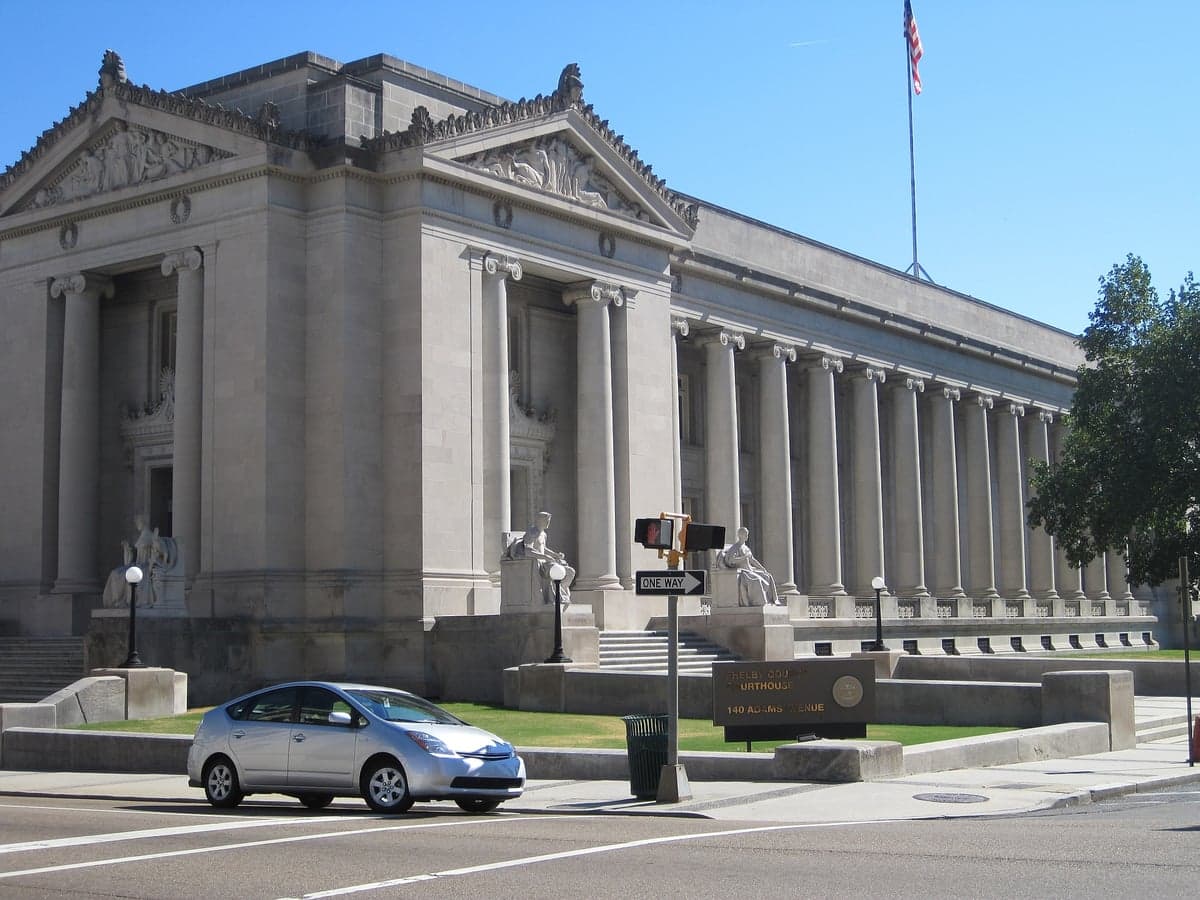
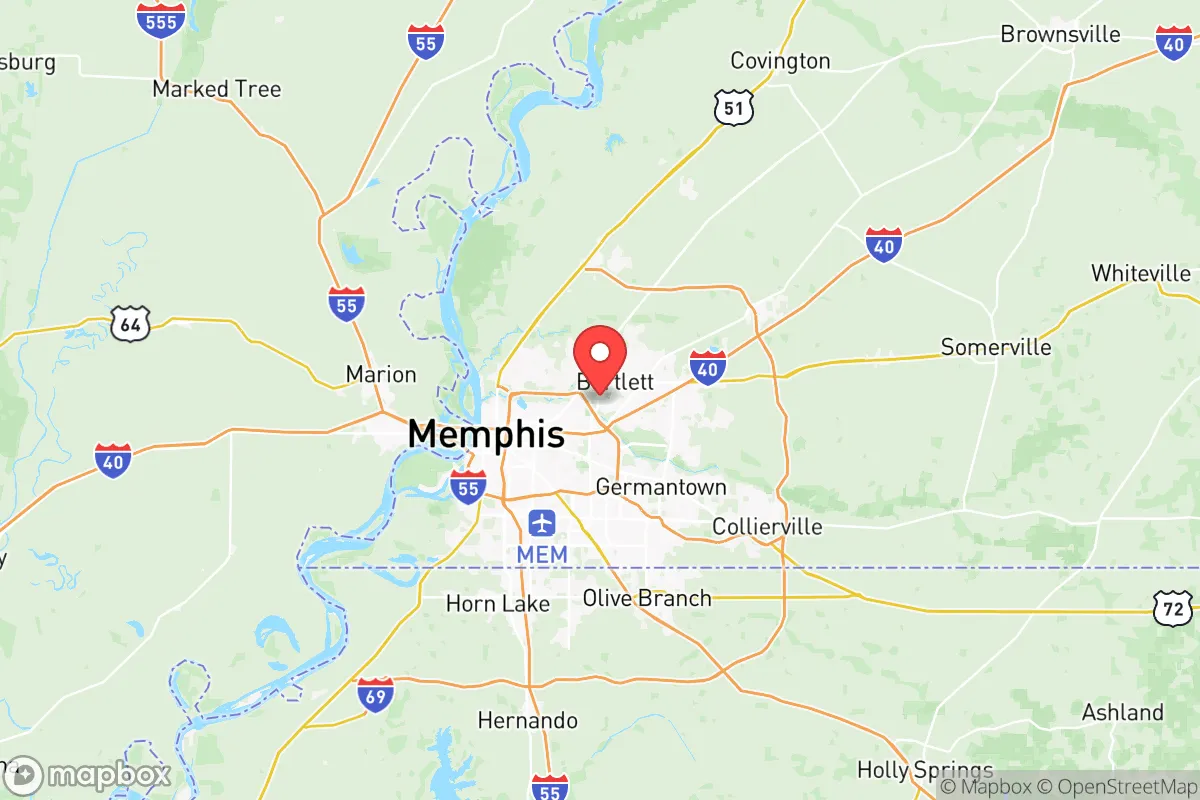
Photo: Wikipedia
Quality of Life in Shelby County
A livable area that tracks near national norms for affordability, walkability, and neighborhood health.
What does Quality of Life tell us?
Quality of Life measures an area by evaluating factors like cost of living, nearby amenities, country club access, airport proximity, socioeconomic signals and neighborhood character. For large states, this is a general average — quality of life can vary dramatically between metro areas, suburbs, and rural communities within the same state.
What does this tell us?
Quality of Life measures an area by evaluating factors like cost of living, nearby amenities, country club access, airport proximity, socioeconomic signals and neighborhood character. For large states, this is a general average — quality of life can vary dramatically between metro areas, suburbs, and rural communities within the same state.
Cost of Living
7% below national average
95%
The Real Cost of Living in Shelby County for 2026
| Tier | Individual | Family (4) |
|---|---|---|
| Survival | $19k | $35k |
| Comfortable | $45k | $66k |
| Luxury | $113k+ | $175k+ |
| Elite (Top 5%) | $163k+ | $253k+ |
Quality-of-Life Analysis
Shelby County, Tennessee, offers a broad quality-of-life spectrum that ranges from the dense, amenity-rich urban core of Memphis to quiet, unincorporated rural pockets, drawing everyone from young professionals and creatives to families seeking suburban schools and retirees looking for land. With a cost-of-living index of 93 (well below the national average of 100), a median home value of $229,700, and a median rent of $1,170, the county provides significant financial breathing room compared to the national median, though lifestyle and commute times vary dramatically depending on which part of the county you choose.
Largest town(s) & population centers
Memphis is the county's dominant population center and economic engine, home to roughly 630,000 residents. Daily life here is defined by a dense urban-suburban mix: historic neighborhoods like Midtown and Cooper-Young offer walkable streets, local music venues, and a thriving food scene, while East Memphis and Cordova provide more conventional suburban strip-mall living with larger homes and chain retailers. The average commute across the county is a manageable 22.5 minutes, but this figure masks real variation — residents in central Memphis often commute under 15 minutes, while those in the far-eastern suburbs may push 30-35 minutes. Germantown (pop. ~40,000) and Collierville (pop. ~52,000) are the county's other major population centers, functioning as affluent, family-oriented suburbs with top-rated public schools, extensive parks systems, and lower crime rates than Memphis proper. Daily life in these towns revolves around highly-rated school districts, community sports leagues, and local shopping centers like the Carriage Crossing mall in Collierville.
Smaller towns & rural pockets
Beyond the suburban ring, Shelby County contains several smaller communities that offer a distinctly quieter, more rural lifestyle. Arlington (pop. ~12,000) sits in the county's northeast corner and feels like a small town despite its proximity to Memphis, with a historic downtown square and large-lot subdivisions. Bartlett (pop. ~60,000) straddles the line between suburb and small town, offering a mix of older ranch homes and newer developments with a strong sense of community identity. Millington (pop. ~10,000) in the north is a working-class town anchored by the Naval Support Activity Mid-South base, giving it a distinct military-community character. Unincorporated areas like Brunswick and Eads in the county's eastern reaches are genuinely rural, with horse farms, acreage properties, and minimal commercial development — residents here often commute 30-40 minutes to Memphis jobs but enjoy privacy and land that is increasingly rare in the metro area.
Cost & lifestyle range
The cost-of-living spread across Shelby County is wide, driven primarily by housing. At the affordable end, Frayser and Raleigh in northern Memphis offer median home values well below the county average of $229,700, often under $150,000, with rents that can dip below $900. These areas provide access to Memphis amenities at the lowest entry cost, though they face higher crime rates and fewer retail options. At the premium end, Germantown and Collierville push median home values above $400,000, with some subdivisions exceeding $600,000, and rents averaging $1,500-$2,000. The lifestyle difference is stark: a family in Collierville might have a 3,000-square-foot home on a quarter-acre lot with top-tier schools and a 25-minute commute, while a single professional in Midtown Memphis might rent a 1,200-square-foot bungalow for $1,200 with a 10-minute commute to downtown offices. Arlington and Eads occupy a middle ground, offering larger lots and rural character at prices between $250,000 and $350,000, appealing to those who want space without the premium of Germantown.
Shelby County best suits people who value choice and trade-offs. Urbanites and creatives thrive in Memphis proper, where cultural density and low housing costs offset concerns about crime and school quality. Families prioritizing schools and safety gravitate to Germantown and Collierville, accepting higher housing costs and longer commutes. Rural-minded residents find their niche in Arlington, Eads, or Millington, where acreage and quiet are affordable. The county's diversity of options — from $900 rentals in Raleigh to $500,000 farmhouses in Eads — means that with realistic expectations about commute times and school performance, most lifestyles can find a fit here.

Crime in Shelby County
Higher crime rates than 58% of comparable U.S. locations.
Violent CrimeViolent Crime Analysis
Property CrimeProperty Crime Analysis
Crime Analysis
Shelby County, Tennessee, which encompasses Memphis and its suburbs, reports a violent crime rate of 496 per 100,000 residents and a property crime rate of 1,653.2 per 100,000. These figures place the county significantly above both the Tennessee state average and the national median, making it one of the more dangerous urban counties in the Mid-South region. While crime is not uniform across the county, the overall safety picture is heavily influenced by conditions in Memphis, which accounts for the majority of the population and the bulk of reported incidents.
Crime in context
Shelby County’s violent crime rate of 496 per 100,000 is roughly 30% higher than the Tennessee state average and more than double the national rate of approximately 380 per 100,000. Property crime at 1,653.2 per 100,000 also exceeds national benchmarks, though the gap is narrower than for violent offenses. For comparison, neighboring counties such as Fayette and Tipton report violent crime rates below 250 per 100,000, underscoring the concentration of crime within the urban core. The disparity is driven largely by Memphis, where progressive district attorney policies and a revolving-door justice system have been criticized for reducing accountability. Suburban jurisdictions like Germantown, Collierville, and Bartlett maintain far lower crime rates, often comparable to or below national averages, due to more conservative prosecutorial approaches and higher per-capita spending on policing.
What residents experience
Residents of Shelby County face a heightened risk of property crimes such as burglary, theft, and motor vehicle theft, with auto theft rates in Memphis ranking among the highest in the nation. Violent crime, including aggravated assault and robbery, is most concentrated in specific Memphis neighborhoods — particularly Frayser, Raleigh, and parts of South Memphis — where poverty and gang activity intersect. In contrast, residents of Germantown report feeling safe walking at night, and Collierville consistently posts violent crime rates below 100 per 100,000. The contrast is stark: a resident in one of these suburbs is roughly five times less likely to experience a violent crime than someone living in central Memphis. Property crime also varies widely; while car break-ins are common across the county, suburban neighborhoods with private security and neighborhood watch programs see far fewer incidents than unmonitored apartment complexes in the city.
Neighborhood-level variation and judicial impact
The most important factor for anyone considering a move to Shelby County is understanding that safety is highly localized. The city of Memphis, under the jurisdiction of a progressive district attorney elected in 2022, has seen a rise in recidivism and a decline in felony conviction rates, which directly correlates with increased street-level crime. Suburbs like Germantown, Collierville, Bartlett, and Arlington operate under separate municipal courts and police departments, and their elected officials take a harder line on prosecution. These communities also benefit from higher property values and stricter zoning, which reduce the concentration of high-crime rental properties. Even within Memphis, neighborhoods such as East Memphis and Midtown offer pockets of relative safety, though they remain vulnerable to spillover crime from adjacent high-crime areas. Prospective residents should examine block-level crime maps and consider commuting patterns, as the safest areas in Shelby County are those furthest from the Memphis city limits and its current criminal justice policies.
* Values derived from national, state, county, city and local statistics and may differ in a specific area. Last updated: 2026-08-23T18:59:44.000Z
Narrative content on this page is AI-generated and may contain mistakes. Verify any details that matter before acting on them.
ReloMaps may earn a commission from affiliate links at no extra cost to you.

