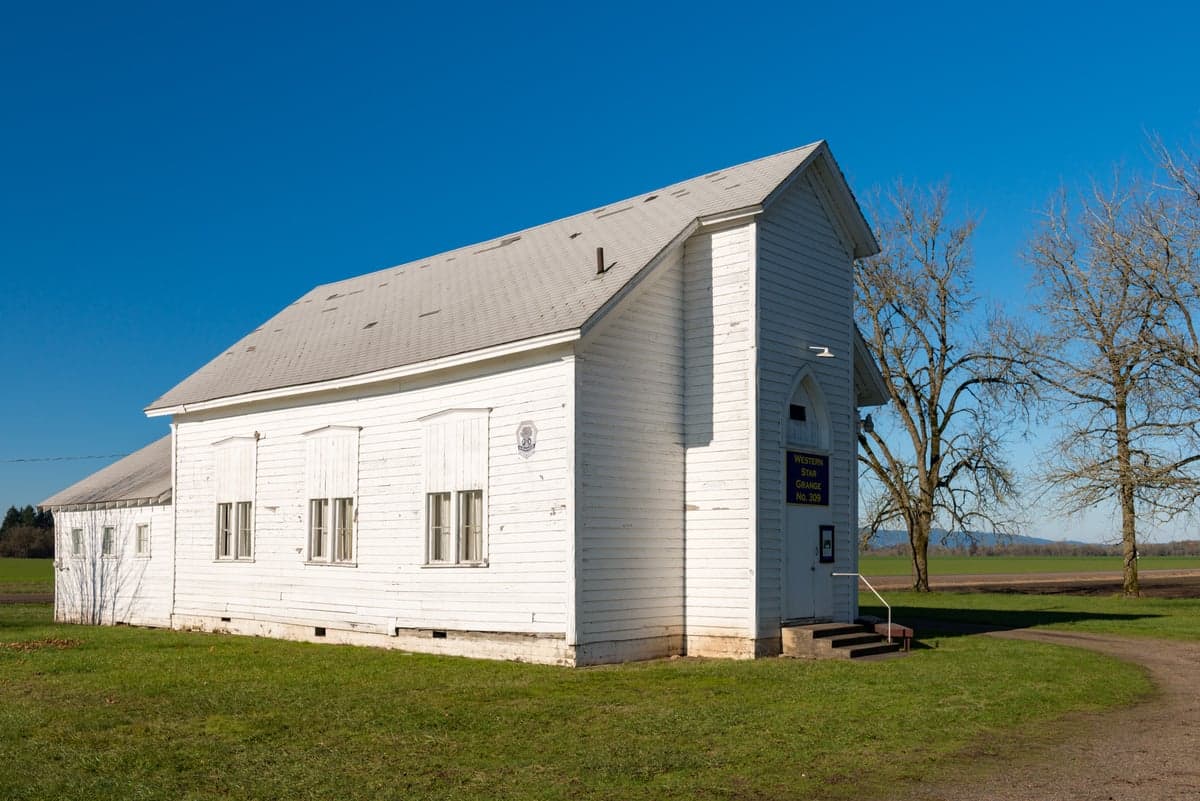
Photo: Wikipedia
Strategic Assessment of Tangent, OR
Workable tactical position. Some exposure to population density or targets, but generally defensible in a crisis.
What does the Strategic Assessment tell us?
Our Strategic Assessment grades tactical survivability of an area. Major population centers, military targets, fallout zones, natural disasters, and border exposure all drive risk — lower exposure means a more defensible position in a crisis.
This is heavily inspired by Joel Skousen's Strategic Relocation book. Highly recommended you checkout the book ($)What does this tell us?
Our Strategic Assessment grades tactical survivability of an area. Major population centers, military targets, fallout zones, natural disasters, and border exposure all drive risk — lower exposure means a more defensible position in a crisis.
This is heavily inspired by Joel Skousen's Strategic Relocation book. Highly recommended you checkout the book ($)Strategic Pillars
Key Distances
Regional Safe Places
Below is our recommended "safe zones" in Oregon and the surrounding area based on our strategic heuristics. For most people, it's unrealistic to live in a “safe zone” full-time due to work, family or other personal reasons. They tend to be more rural. However, many of these areas are perfect for second homes and retreat properties that double as a vacation home or even a short-term rental.


Important Note: For informational purposes only. This does not mean nothing bad ever happens in the green zones. Please use common sense. This is based on public data and modeled with AI. We tried to take a conservative approach but mistakes happen. We update this regularly as new information becomes available.
Solar Generator Recommendations
Backup power matters more here than in safer locations. We've picked three solar generators across budgets and capacity tiers — start with the budget unit if you only need a few essentials, or step up if you want to run a fridge and HVAC for days at a time.
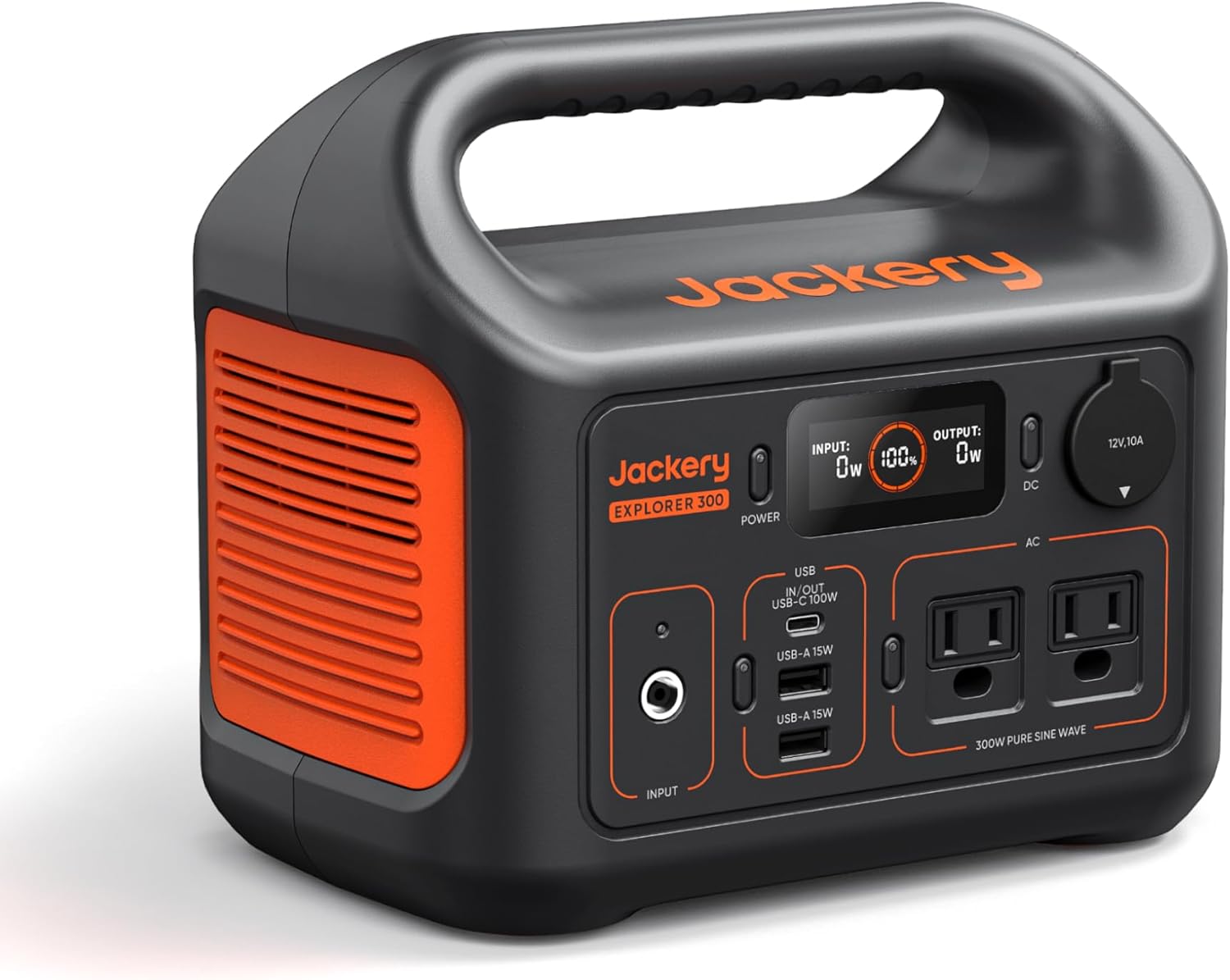
Jackery Portable Power Station Explorer 300
Budget OptionPower on the Go: Weighing only 11 lbs, it's convenient to set up and store with book-sized foldable solar panels

BLUETTI Portable Power Station AC180
Designed for both indoor and outdoor scenarios, AC180 is highly capable as it has a robost capacity and continuous output power.

EF ECOFLOW DELTA Pro Ultra Power Station
Upgraded PickEcoFlow DELTA Pro Ultra is a whole-home energy system designed to grow with your family. Integrated with the Smart Home Panel 2, it scales to meet your evolving energy needs — keeping your home powered, intelligent, and secure through every stage of life.
We earn a commission, at no additional cost to you.
Strategic Assessment Analysis
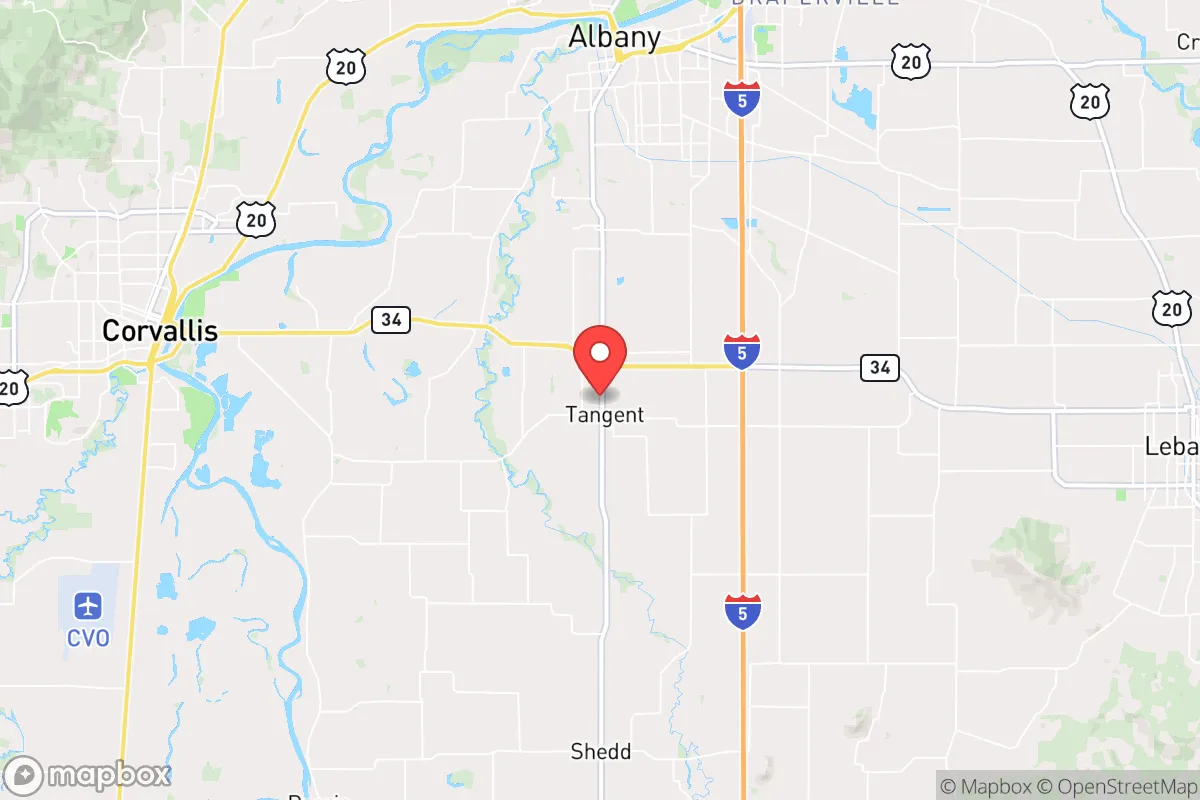
Tangent, Oregon, presents a surprisingly compelling case for the relocation-minded reader prioritizing resilience and self-sufficiency, largely because of what it lacks: density, strategic targets, and major infrastructure chokepoints. Located in Linn County, roughly 20 miles south of Albany and 30 miles southeast of Corvallis, this unincorporated community of fewer than 1,500 people sits at the quiet intersection of Highway 34 and the Willamette Valley floor. Its primary advantage is not dramatic topography but rather a low-profile position within a productive agricultural basin, offering a blend of isolation from urban chaos and practical access to the resources needed for a long-term, prepared lifestyle.
Geographic position and natural advantages for long-term stability
Tangent's location on the eastern edge of the Willamette Valley places it in a zone of moderate climate and fertile soil, two factors that directly support a self-sufficient household. The area receives roughly 40–45 inches of rain annually, concentrated in the cooler months, which provides a reliable water cycle for catchment systems and small-scale agriculture without the wildfire risk endemic to drier parts of the state. The community sits at an elevation of approximately 240 feet, well above any tsunami or coastal surge concerns, and the surrounding terrain is flat to gently rolling—ideal for ground-mounted solar arrays, garden plots, and livestock paddocks. The nearby Santiam and Willamette rivers offer supplementary water sources, though surface water rights in Oregon are regulated and require advance planning. For a relocator, the key natural advantage is the region's capacity to sustain food production without heavy irrigation inputs, a factor that becomes critical in any prolonged disruption scenario.
Risk exposure, proximity to fallout-relevant landmarks, and hazard profile
No resilience assessment of Tangent is honest without addressing the elephant in the valley: proximity to Portland and the I-5 corridor. Tangent lies roughly 80 miles south of Portland, placing it outside the immediate blast or fallout zone for a major urban event, but well within the range of secondary effects—refugee migration, supply chain collapse, and civil disorder. The same highway that provides convenient access to Costco and Home Depot in Albany (20 minutes north) also serves as a primary evacuation and movement corridor for the entire region. In a crisis, Tangent could see significant through-traffic pressure from Portland and Salem evacuees moving south toward Eugene or the California border. Additionally, the area is within 50 miles of the Oregon Department of Energy's radioactive waste storage facility at the Hanford Site (across the Columbia River in Washington), though prevailing winds generally carry fallout eastward, not south into the Willamette Valley. Natural hazard risks are moderate: the Cascadia Subduction Zone poses a genuine earthquake and tsunami threat to the coast, but Tangent's inland position means shaking damage rather than inundation. The real risk is liquefaction in the valley's alluvial soils during a major seismic event, which could disrupt underground utilities and roadbeds. Wildfire risk is low compared to the Cascades foothills, but smoke events from distant fires are increasingly common during late summer.
Practical resilience for a relocator: food, water, energy, and defensibility
Tangent's practical resilience profile is strong for a relocator willing to invest in infrastructure. The area is surrounded by working farms producing grass seed, hazelnuts, berries, and hay, which means local food sourcing is viable even without a large personal garden. The Linn County Soil and Water Conservation District and Oregon State University Extension Service offer resources for new growers, and the local climate supports year-round vegetable production with season extension techniques like hoop houses. Water is the most straightforward resource to secure: annual rainfall is sufficient for roof catchment, and the shallow aquifer in the valley floor means a well can be drilled to depths of 100–300 feet with reasonable yields. Linn County does not require a permit for domestic wells serving a single household, though a water right is needed for irrigation beyond household use. Energy independence is achievable through rooftop solar, with the region averaging 3.5–4.5 peak sun hours per day—adequate for a well-designed off-grid system, especially when paired with battery storage. Natural gas is not available in Tangent; most homes use propane, wood, or electric heat, so a relocator should plan for a backup heating source and a wood supply. Defensibility is a mixed picture. The flat, open terrain offers good lines of sight but limited natural cover, and the lack of a formal town center means no natural gathering point or perimeter. However, the low population density and dispersed settlement pattern reduce the likelihood of targeted attention. A prepared household on a few acres with a fenced perimeter, a well, solar panels, and a root cellar would be far more resilient than a suburban lot in Albany or Corvallis. The nearest hospital is Samaritan Albany General Hospital, 20 minutes north, and the nearest trauma center is in Eugene, about 40 minutes south—acceptable for routine care but a consideration for serious emergencies.
Overall, Tangent offers a strategic sweet spot for the relocator seeking a balance between productive land, moderate climate, and distance from major targets. It is not a bug-out location in the remote mountain sense—it is a working agricultural community where a prepared individual or family can integrate into a functional local economy while maintaining a low profile. The primary vulnerabilities are the I-5 corridor's crisis magnetism and the region's seismic risk, both of which can be mitigated with planning, supplies, and community relationships. For the reader who values practical self-sufficiency over dramatic isolation, Tangent is a strong candidate worth a serious look.

* Values derived from national, state, county, city and local statistics and may differ in a specific area. Last updated: 2026-11-17T00:22:00.000Z
Narrative content on this page is AI-generated and may contain mistakes. Verify any details that matter before acting on them.
ReloMaps may earn a commission from affiliate links at no extra cost to you.

