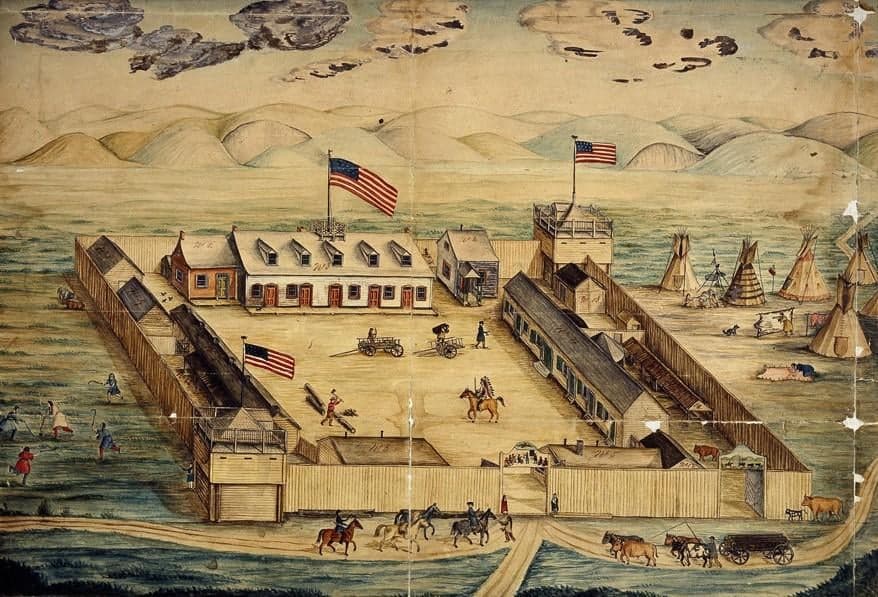
Photo: Wikipedia
Quality of Life in Stanley County
A livable area that tracks near national norms for affordability, walkability, and neighborhood health.
What does Quality of Life tell us?
Quality of Life measures an area by evaluating factors like cost of living, nearby amenities, country club access, airport proximity, socioeconomic signals and neighborhood character. For large states, this is a general average — quality of life can vary dramatically between metro areas, suburbs, and rural communities within the same state.
What does this tell us?
Quality of Life measures an area by evaluating factors like cost of living, nearby amenities, country club access, airport proximity, socioeconomic signals and neighborhood character. For large states, this is a general average — quality of life can vary dramatically between metro areas, suburbs, and rural communities within the same state.
Cost of Living
30% below national average
159%
The Real Cost of Living in Stanley County for 2026
| Tier | Individual | Family (4) |
|---|---|---|
| Survival | $14k | $27k |
| Comfortable | $33k | $49k |
| Luxury | $139k+ | $216k+ |
| Elite (Top 5%) | $167k+ | $260k+ |
Quality-of-Life Analysis
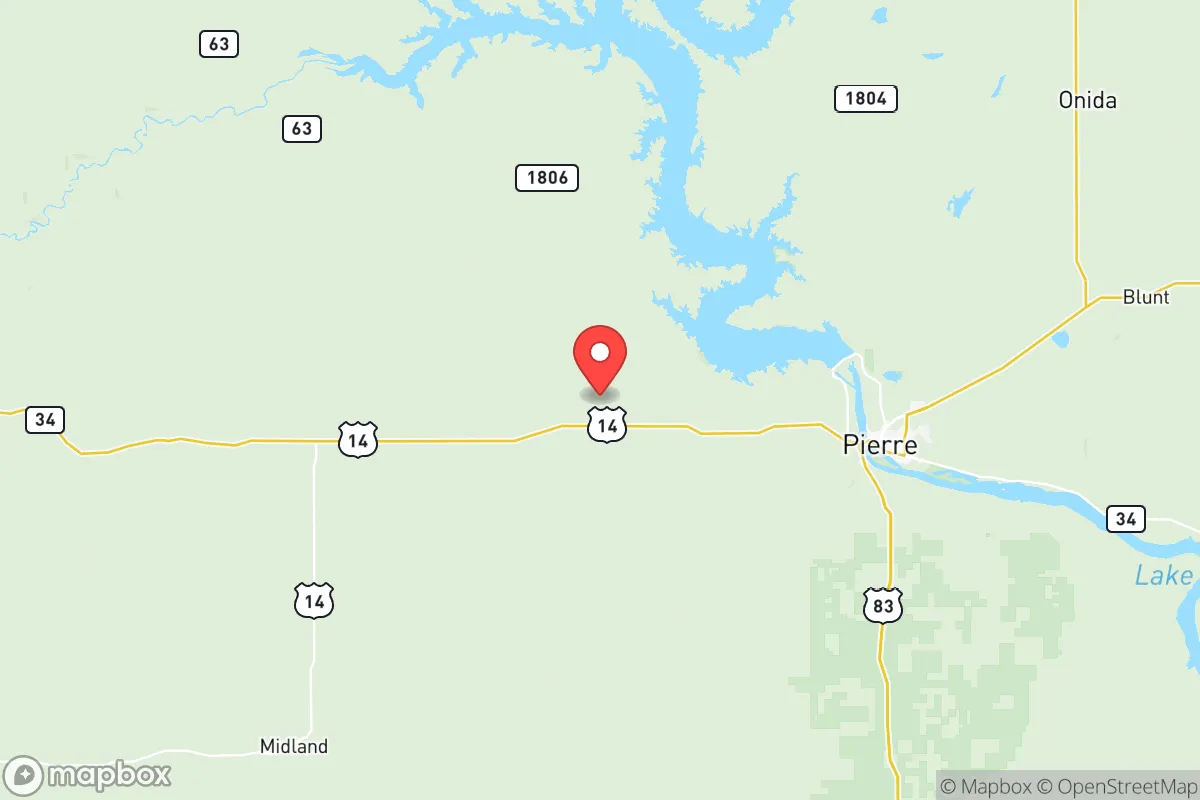
Stanley County, South Dakota, offers a quality-of-life spectrum that ranges from the modest conveniences of its county seat, Fort Pierre, to the wide-open, working-ranch landscapes of its unincorporated rural pockets. The county’s character is defined by its position along the Missouri River and its deep ties to agriculture and outdoor recreation, drawing people who value low costs, short commutes, and a self-sufficient lifestyle. Residents typically fall into two camps: those who want a small-town hub with basic services within walking distance, and those who seek the privacy and space of a ranch or acreage where the nearest neighbor is a mile down a gravel road.
Largest town(s) & population centers
Fort Pierre is the county’s sole incorporated town and its undisputed population center, home to roughly 2,000 of Stanley County’s approximately 3,000 residents. Daily life in Fort Pierre revolves around a compact downtown along the riverfront, anchored by the historic Verendrye Museum and a handful of local eateries and shops. The town serves as the county’s commercial and administrative hub, housing the county courthouse, a K-12 school system, and essential services like a grocery store, hardware store, and medical clinic. Many residents commute the short distance across the Missouri River to Pierre, the state capital, for additional retail, dining, and employment opportunities—a trip that takes less than 10 minutes. The average commute for the county is just 17.6 minutes, reflecting how closely work and home are intertwined here. Fort Pierre’s residential areas are a mix of older homes near the river and newer subdivisions on the town’s outskirts, with most lots offering generous yard space.
Smaller towns & rural pockets
Beyond Fort Pierre, Stanley County is defined by unincorporated communities and vast stretches of ranchland. Hayes, a tiny unincorporated settlement about 20 miles southeast of Fort Pierre, consists of a handful of homes and a grain elevator, serving as a gathering point for the surrounding agricultural community. Milesville, further south near the Jones County line, is little more than a crossroads with a few residences and a church. The county’s rural pockets are dominated by cattle ranches and dryland wheat farms, where homes sit on parcels ranging from 40 to several thousand acres. These areas lack municipal services—no water or sewer lines, no streetlights—and residents rely on wells, septic systems, and propane for heating. The isolation is a feature, not a bug, for those who choose it: the nearest grocery store or school may be a 30-minute drive, but the trade-off is absolute quiet, dark night skies, and the freedom to manage one’s own land.
Cost & lifestyle range
The cost of living across Stanley County is uniformly low, with a countywide cost-of-living index of 70 (100 equals the U.S. average), but the lifestyle and housing options vary significantly. At the lower end of the cost spectrum, rural properties—often older mobile homes or modest ranch houses on large tracts—can be found for well under $100,000, though they typically require significant investment in well and septic maintenance. The median home value in the county is $169,900, and the median rent is $896, figures that are most representative of Fort Pierre’s housing stock. In Fort Pierre, a three-bedroom home on a standard lot might sell for $180,000–$220,000, while a newer custom-built home on an acreage near town can exceed $350,000. Rentals are scarce and tend to be snapped up quickly by state government workers commuting from Pierre. The lifestyle range is stark: Fort Pierre offers sidewalks, a public library, and a city park with river access, while rural residents must drive 20–40 minutes for those same amenities. The county has no hospital (the nearest is in Pierre), no movie theater, and limited dining options, so residents adapt by planning weekly supply runs and embracing home-based recreation like hunting, fishing, and ATV riding.
Stanley County is best suited for people who prioritize financial freedom, outdoor access, and a slower pace over urban convenience. Retirees on fixed incomes, remote workers who value a low mortgage, and ranchers or farmers who need land for their livelihood all find a natural fit here. Families with school-age children tend to cluster in Fort Pierre for the school system and extracurricular programs, while those seeking maximum privacy and minimal regulation gravitate toward the county’s rural sections. The county’s small population and limited turnover mean that newcomers are often noticed and welcomed quickly, but they must also be comfortable with a community where everyone knows everyone and self-reliance is a daily necessity.

Crime in Stanley County
Generally safer than 61% of comparable U.S. locations.
Violent CrimeViolent Crime Analysis
Property CrimeProperty Crime Analysis
Crime Analysis
Stanley County, South Dakota, presents a mixed safety profile with violent crime rates slightly below the national average but property crime rates that exceed both state and national benchmarks. The county, anchored by the city of Fort Pierre and encompassing rural communities such as Hayes and the unincorporated area of Mission Ridge, experiences crime patterns that vary significantly between its small urban core and sparsely populated outlying areas. Understanding these dynamics is essential for anyone considering relocation to this central South Dakota region.
Crime in context
Stanley County’s violent crime rate of 293.3 incidents per 100,000 residents sits below the national average of approximately 380 per 100,000, but above the South Dakota state average of roughly 260 per 100,000. Property crime, however, is a more pressing concern, with a rate of 1,280.6 per 100,000 — significantly higher than both the national average (around 1,954 per 100,000) and the state average (approximately 1,100 per 100,000). The county’s property crime rate is driven largely by theft and burglary, particularly in and around Fort Pierre, which serves as the county seat and primary commercial hub. By contrast, the rural areas near Hayes and the Cheyenne River Reservation border report fewer property crimes but face challenges related to drug-related offenses and domestic disturbances. The 6th Judicial Circuit, which covers Stanley County, has historically taken a moderate approach to sentencing, though recent trends in nearby larger jurisdictions like Pierre (just across the Missouri River in Hughes County) have raised concerns about progressive prosecutorial policies that some residents fear could embolden repeat offenders.
What residents experience
For those living in Stanley County, the day-to-day safety experience is shaped by location and lifestyle. In Fort Pierre, residents report a generally safe environment during daylight hours, with most violent crimes occurring in isolated incidents rather than as part of a broader pattern. However, the property crime rate means that vehicle break-ins, shed burglaries, and theft from construction sites are not uncommon, particularly in areas near the Fort Pierre industrial park and along the Highway 83 corridor. Residents in the more remote areas around Hayes and the Bad River drainage face lower property crime risks but must contend with longer emergency response times — the Stanley County Sheriff’s Office covers over 1,500 square miles with a limited staff. The county’s proximity to the Lower Brule Sioux Tribe reservation also introduces cross-jurisdictional crime issues, with some drug trafficking and stolen property cases originating there. Local law enforcement emphasizes community vigilance, with neighborhood watch programs active in Fort Pierre’s residential subdivisions like the Bluffs and the area around Stanley County High School.
Neighborhood-level variation and judicial concerns
Crime in Stanley County is not evenly distributed. The most concentrated crime activity occurs in Fort Pierre’s downtown commercial district and along the riverfront areas near the Missouri River bridge, where transient populations and bar-related incidents contribute to higher arrest rates. Safer pockets include the newer housing developments on the eastern edge of Fort Pierre and the rural homesteads scattered along the county’s gravel roads. A growing concern among residents is the potential influence of progressive judicial philosophies from nearby Hughes County, where some judges have adopted restorative justice programs that critics argue prioritize offender rehabilitation over public safety. While Stanley County’s own court system has remained relatively conservative, the cross-county flow of cases and shared prosecutorial resources means that repeat property offenders may face lighter sentences than residents would prefer. For families and retirees considering the area, the safest choice is to focus on established neighborhoods with active community associations and to maintain standard security measures — locked vehicles, outdoor lighting, and awareness of suspicious activity — particularly in Fort Pierre’s more accessible areas.
* Values derived from national, state, county, city and local statistics and may differ in a specific area. Last updated: 2026-05-28T01:33:28.000Z
Narrative content on this page is AI-generated and may contain mistakes. Verify any details that matter before acting on them.
ReloMaps may earn a commission from affiliate links at no extra cost to you.

