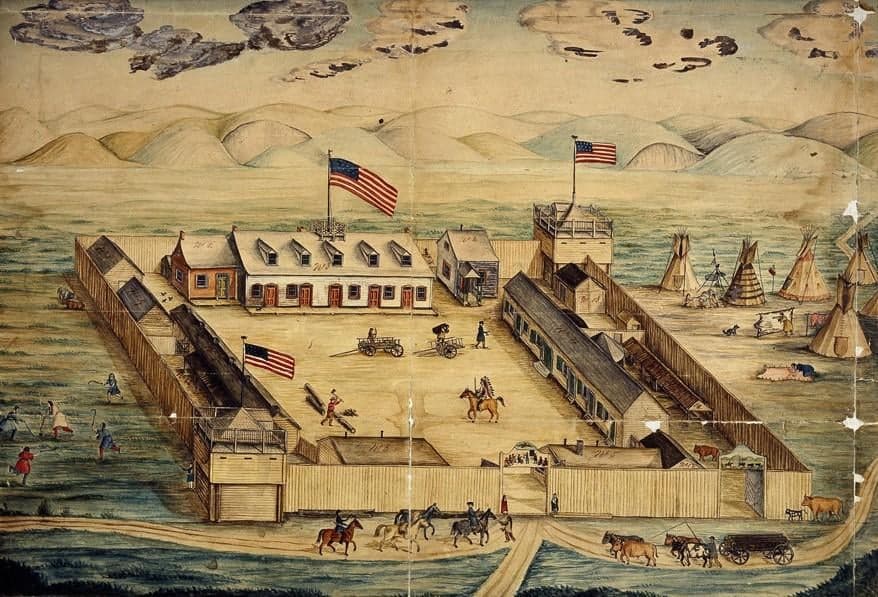
Photo: Wikipedia
Personal Sovereignty in Stanley County
Viable for self-reliance. Generally workable, though some barriers may limit total independence.
What does Personal Sovereignty tell us?
Personal Sovereignty measures your capacity for self-reliance and independence with minimal government friction. Higher scores mean fewer barriers between you and the way you want to live... but it assumes you have the space you need and good neighbors.
What does this tell us?
Personal Sovereignty measures your capacity for self-reliance and independence with minimal government friction. Higher scores mean fewer barriers between you and the way you want to live... but it assumes you have the space you need and good neighbors.
State Policy
Energy independence: Importer (35% of energy produced in-state)
Personal Liberty
Homesteading

Personal Liberty Analysis
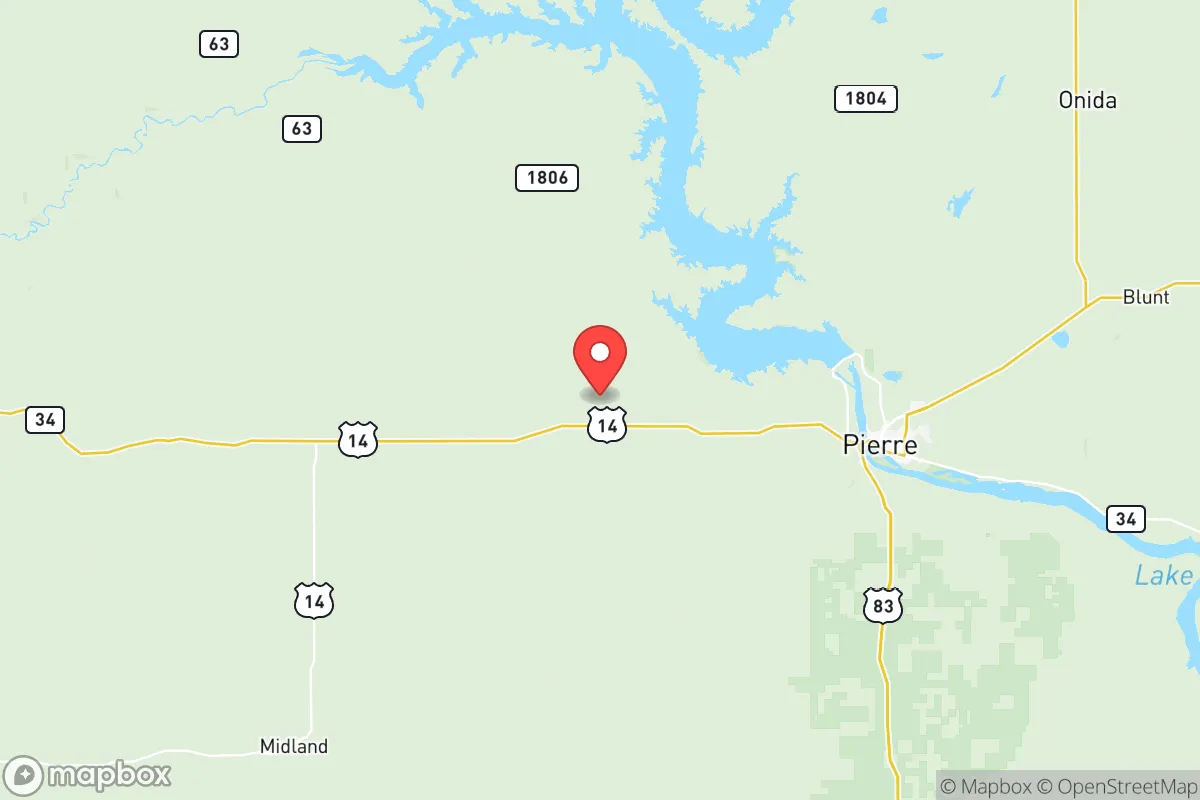
Stanley County, South Dakota, offers one of the strongest personal sovereignty environments in the Upper Midwest, largely because its rural character and low population density create a natural buffer against the kind of government overreach that plagues more urbanized areas. The county seat, Fort Pierre, and its larger neighbor across the Missouri River, Pierre (the state capital), anchor a region where local governance tends to be hands-off, and the state legislature consistently passes laws that prioritize individual liberty over collective mandates. For a single individual or parent looking to minimize friction with state and local authorities, this area represents a strategic choice, though the specific level of autonomy varies between the small-town feel of Hayes and the more isolated, ranch-focused communities like Holabird and Wendte.
Tax burden and regulatory posture: How South Dakota’s no-income-tax model protects your earnings
The most immediate sovereignty advantage in Stanley County is financial. South Dakota has no state income tax, no personal property tax, and no inheritance tax, meaning every dollar you earn stays in your pocket or your family’s. The state’s sales tax sits at 4.5%, with local options adding up to 2% in Fort Pierre and unincorporated areas, but that’s a one-time hit on consumption, not a recurring levy on your labor or assets. Property taxes in Stanley County are among the lowest in the state, averaging around 1.1% of assessed value, and the county assessor’s office is known for reasonable valuations on rural land. Regulatory posture is equally favorable: South Dakota is a right-to-work state, has no state-level occupational licensing for dozens of common trades, and its environmental permitting process for small-scale agriculture or homestead improvements is minimal. The state legislature has actively resisted adopting California-style energy mandates or building codes, so if you want to put up a wind turbine, build a workshop, or start a home-based business in places like Hayes or the unincorporated areas near the Cheyenne River, you’ll face far fewer bureaucratic hurdles than you would in almost any county west of the Missouri.
Self-defense and gun law specifics: Constitutional carry and stand-your-ground in a low-crime county
Stanley County is a constitutional carry jurisdiction, meaning no permit is required to carry a concealed firearm for anyone legally allowed to possess one. South Dakota also has a stand-your-ground law with no duty to retreat, and the state preempts local governments from enacting their own gun ordinances, so Fort Pierre and the county commission cannot impose magazine bans, waiting periods, or registration schemes. The county’s violent crime rate is negligible—typically under 50 incidents per 100,000 residents annually—and property crime is concentrated in a few areas near the capital complex in Pierre, not in the rural stretches. For parents, this means you can teach your children firearm safety without fear of social services interference, and you can keep a loaded weapon in your vehicle or home without worrying about storage mandates. The local sheriff’s office in Fort Pierre is known for a pro-Second Amendment stance, and the nearest gun ranges are within a 20-minute drive. If you’re coming from a state with magazine capacity limits or red-flag laws, the contrast will be immediate and welcome.
Self-reliance and homesteading viability: Lot sizes, zoning, and off-grid feasibility in Stanley County
Homesteading and off-grid living are not just possible in Stanley County—they are the norm for a significant portion of the population. Unincorporated areas have no zoning restrictions on building materials, livestock, or alternative energy systems. You can legally live in a yurt, a shipping container home, or a traditional cabin without a building permit, as long as you meet basic septic and well requirements. Lot sizes vary: in the rural townships around Hayes and Holabird, you can find parcels starting at 5 acres, with many 40- to 160-acre tracts available for under $2,000 per acre. The county does not enforce any minimum square footage for dwellings, and there are no HOA covenants in the unincorporated areas. Off-grid feasibility is high: solar irradiance is decent for the northern plains, and wind resources are excellent, especially on the ridges near the Missouri River breaks. Rainwater collection is legal and unregulated, and the county health department only requires a basic well permit for new construction. The only catch is that the growing season is short (about 130 days), so serious food production requires a greenhouse or cold-frame strategy. But for someone willing to put in the work, Stanley County offers a level of self-reliance that is increasingly rare in the lower 48.
Personal liberties: Parental rights, medical autonomy, speech, and property protections
South Dakota has some of the strongest parental rights laws in the country, including a 2023 statute that prohibits schools from withholding information about a child’s mental, emotional, or physical health from parents without their consent. The state also bans mask mandates, vaccine passports, and any form of COVID-19-related discrimination in public accommodations. Medical autonomy is protected by a 2022 law that prohibits any health care provider from administering a vaccine that has not received full FDA approval to a minor without parental consent, and the state has no mandate for childhood vaccinations to attend public school. Free speech is robust: the state has no hate speech laws, and the county’s public meetings in Fort Pierre are generally respectful of Second Amendment and religious expression. Property rights are protected by a strong eminent domain statute that requires just compensation and a public purpose test, and the county commission has a track record of opposing federal land grabs. For parents concerned about CRT, gender ideology, or medical mandates in schools, the Stanley County School District (which covers Fort Pierre and the surrounding area) is conservative-leaning and responsive to local input.
When you stack Stanley County against other rural counties in the region—say, Tripp County to the south or Dewey County to the north—the sovereignty profile is broadly similar, but the proximity to state government in Pierre gives residents a louder voice in legislative matters. The trade-off is that Fort Pierre has slightly more regulation than the truly remote areas like Wendte or the Cheyenne River bottomlands, but that’s a minor concession. For a prepper or survivalist-minded individual, the combination of no income tax, constitutional carry, minimal zoning, strong parental rights, and a county government that actively resists federal overreach makes Stanley County a top-tier relocation option. The key is to buy land in the unincorporated townships rather than within the Fort Pierre city limits, and to verify well water quality before closing. If you can handle the harsh winters and the isolation, you’ll find a place where the government largely stays out of your life—and that’s the whole point.

* Values derived from national, state, county, city and local statistics and may differ in a specific area. Last updated: 2026-05-28T01:33:28.000Z
Narrative content on this page is AI-generated and may contain mistakes. Verify any details that matter before acting on them.
ReloMaps may earn a commission from affiliate links at no extra cost to you.

