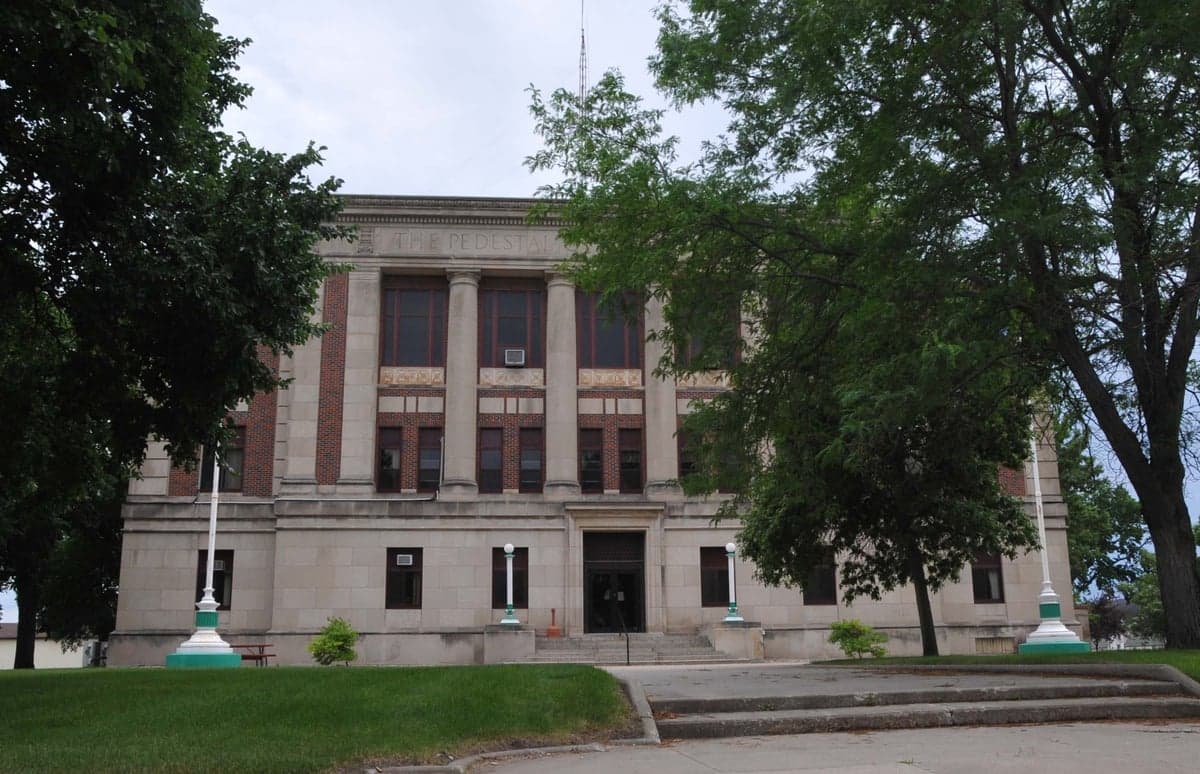
Photo: Wikipedia
Strategic Assessment of Spink County
Deep buffer from population centers and strategic targets. Low natural disaster risk and minimal exposure to border or coastal threats.
What does the Strategic Assessment tell us?
Our Strategic Assessment grades tactical survivability of an area. Major population centers, military targets, fallout zones, natural disasters, and border exposure all drive risk — lower exposure means a more defensible position in a crisis.
This is heavily inspired by Joel Skousen's Strategic Relocation book. Highly recommended you checkout the book ($)What does this tell us?
Our Strategic Assessment grades tactical survivability of an area. Major population centers, military targets, fallout zones, natural disasters, and border exposure all drive risk — lower exposure means a more defensible position in a crisis.
This is heavily inspired by Joel Skousen's Strategic Relocation book. Highly recommended you checkout the book ($)Strategic Pillars

Key Distances
Strategic Assessment Analysis
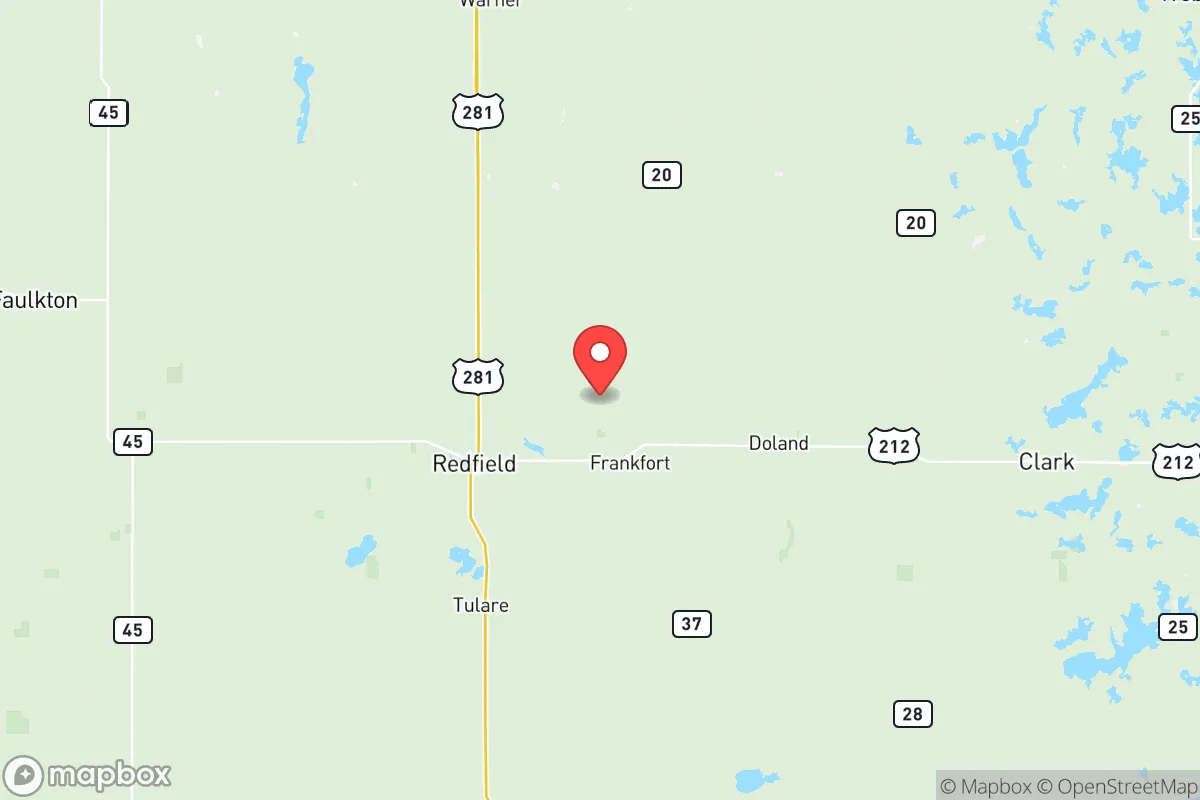
Spink County, South Dakota, offers a compelling strategic position for relocation-minded individuals and families prioritizing resilience, self-sufficiency, and distance from major metropolitan vulnerabilities. Centered around the county seat of Redfield, this largely agricultural region sits in the James River Valley, providing a blend of flat, fertile farmland and small-town infrastructure that supports a quiet, independent lifestyle. Its location roughly 100 miles northeast of Sioux Falls and 150 miles northwest of Minneapolis places it well outside the immediate fallout zones of major population centers, while still offering access to regional supply chains and medical facilities when needed.
Geographic position and natural advantages for long-term stability
Spink County's geography is defined by the James River, which runs north-south through the county, providing a reliable freshwater source that is rare in much of the arid western Dakotas. The county's flat to gently rolling terrain is ideal for agriculture, with rich soils supporting corn, soybeans, and wheat, as well as cattle operations. This agricultural base means local food production is a practical reality, not just a theoretical advantage. The county's position in the central part of the state places it away from the Missouri River corridor's flood-prone zones and the more extreme weather patterns of the western Badlands. Winters are cold and snowy, but the region's low population density—roughly 6,400 residents across 1,504 square miles—means less competition for resources during disruptions. The small towns of Frankfort, Ashton, and Doland serve as local trade hubs, each with grain elevators and basic services that reinforce the county's self-contained character.
Risks, exposures, and proximity to fallout-relevant landmarks
Spink County's primary natural risks are typical of the Northern Plains: severe thunderstorms, tornadoes, blizzards, and occasional drought. The county sits in Tornado Alley's northern fringe, and while destructive tornadoes are less frequent than in Oklahoma or Kansas, they remain a real seasonal threat. Blizzards can isolate rural homes for days, making winter preparedness essential. From a man-made risk perspective, the county's greatest advantage is its distance from high-value targets. There are no major military bases, refineries, or nuclear power plants within Spink County. The closest significant infrastructure includes the Ellsworth Air Force Base near Rapid City, roughly 250 miles west, and the hydroelectric dams on the Missouri River, about 80 miles west. Neither poses a direct fallout risk under most scenarios. The county's agricultural character means no chemical plants or major rail yards handling hazardous materials, though the BNSF Railway line running through Redfield does carry freight, including occasional hazardous cargo. Overall, Spink County's risk profile is dominated by weather, not industrial or military exposure.
Practical resilience for a relocator: food, water, energy, and defensibility
For a relocator serious about self-sufficiency, Spink County offers strong fundamentals. Water access is the county's standout advantage: the James River provides a surface water source, and the underlying Dakota Aquifer supplies reliable groundwater for wells. Most rural properties can drill a well, and many existing homes already have one. Food production is equally robust: the county's agricultural economy means local farmers' markets, direct-to-consumer meat sales, and the ability to grow gardens are all practical. Redfield's annual "Redfield Pheasant Festival" reflects the area's abundant wildlife, including deer and pheasants, which supplement food sources. Energy infrastructure is stable but not redundant: the county is served by Northwestern Energy and several rural electric cooperatives, with power lines running along major roads. Off-grid solar is viable given the region's 200+ sunny days per year, though winter generation requires battery storage. Defensibility is mixed: the open terrain offers long sightlines but limited natural cover, meaning a rural homestead with a good perimeter and line-of-sight is more defensible than a town property. The county's low crime rate—Redfield reports fewer than 10 violent crimes annually—means day-to-day security is less of a concern than in urban areas. However, the dispersed population means emergency response times can be 20-30 minutes in rural areas, so medical self-reliance and a stocked first aid kit are non-negotiable.
The overall strategic picture for Spink County is one of quiet stability rather than dramatic advantage. It is not a prepper's paradise with mountains and remote valleys, but it offers something arguably more valuable for long-term resilience: a functioning agricultural economy, abundant water, low population density, and minimal exposure to national-level threats. The county's small towns provide a social fabric that supports mutual aid without the anonymity of cities. For a family or individual willing to invest in winter preparedness, a well, and a garden, Spink County represents a low-profile, sustainable base that can weather most disruptions without requiring extreme measures. The trade-off is isolation from urban amenities and a harsh winter climate, but for those prioritizing resilience over convenience, this corner of South Dakota warrants serious consideration.

* Values derived from national, state, county, city and local statistics and may differ in a specific area. Last updated: 2026-07-10T20:25:21.000Z
Narrative content on this page is AI-generated and may contain mistakes. Verify any details that matter before acting on them.
ReloMaps may earn a commission from affiliate links at no extra cost to you.

