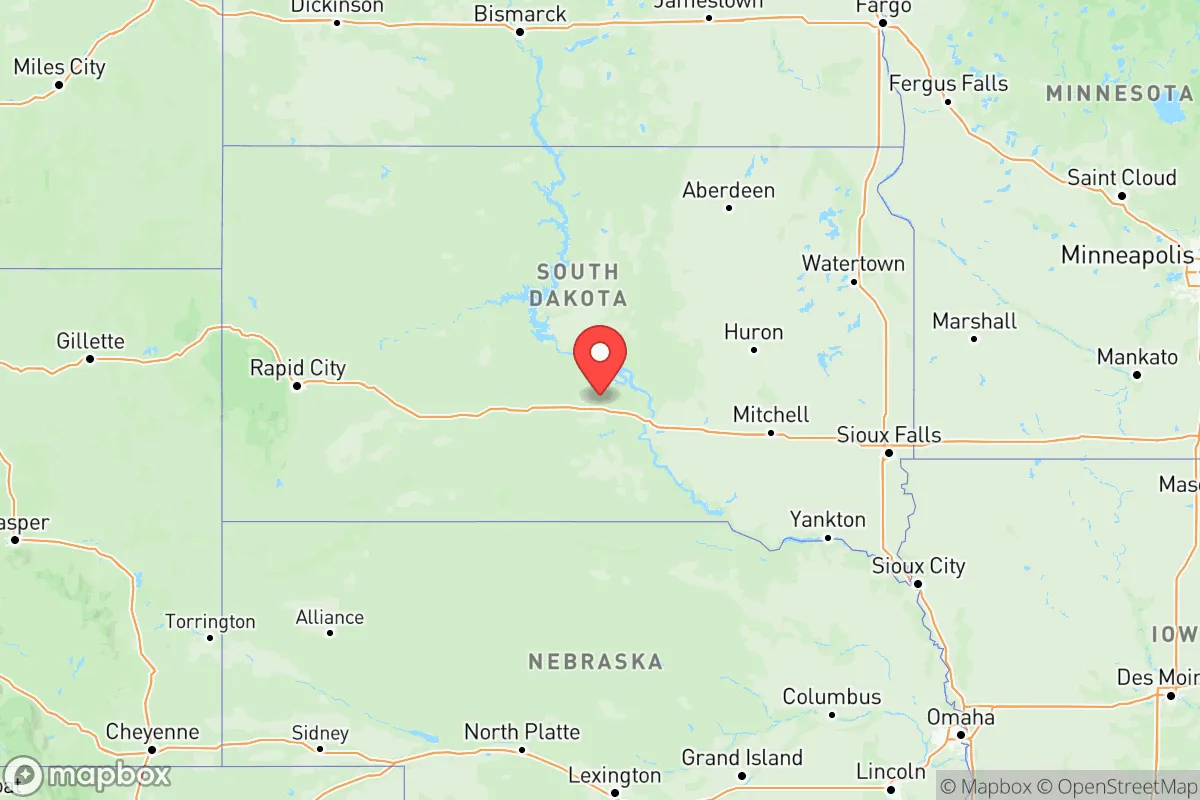
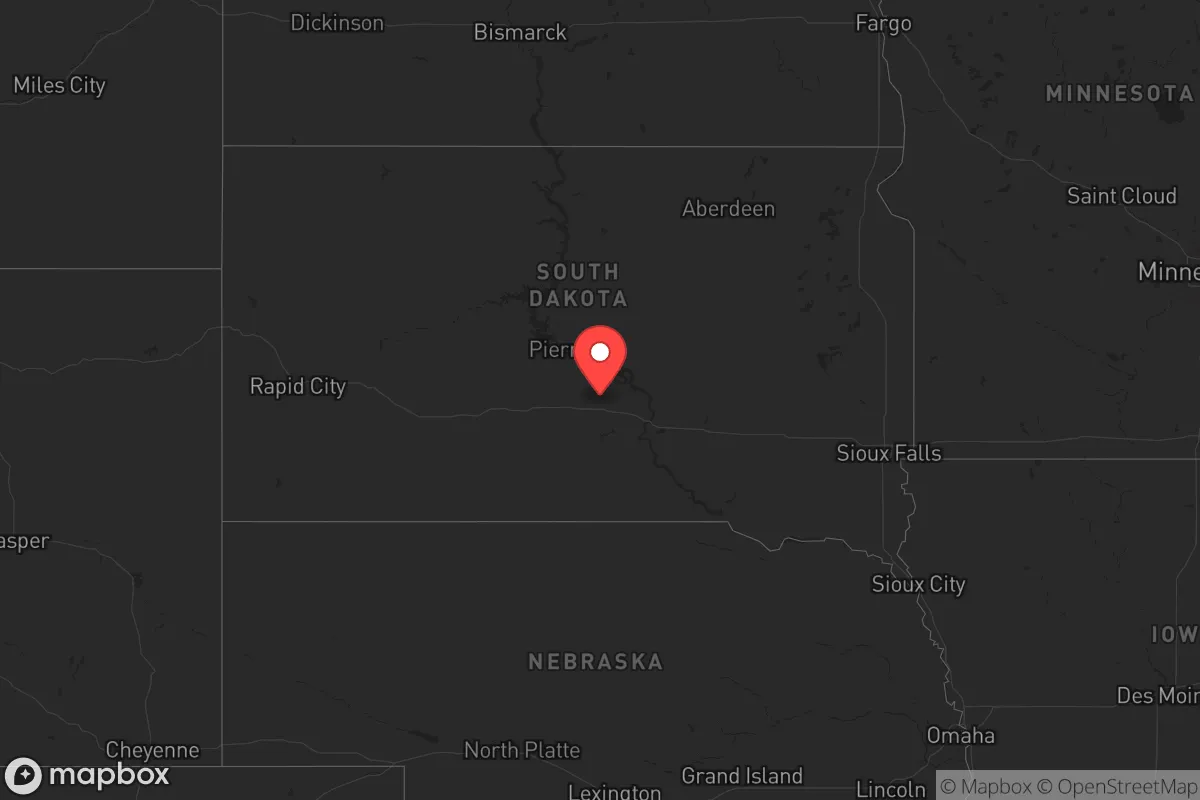
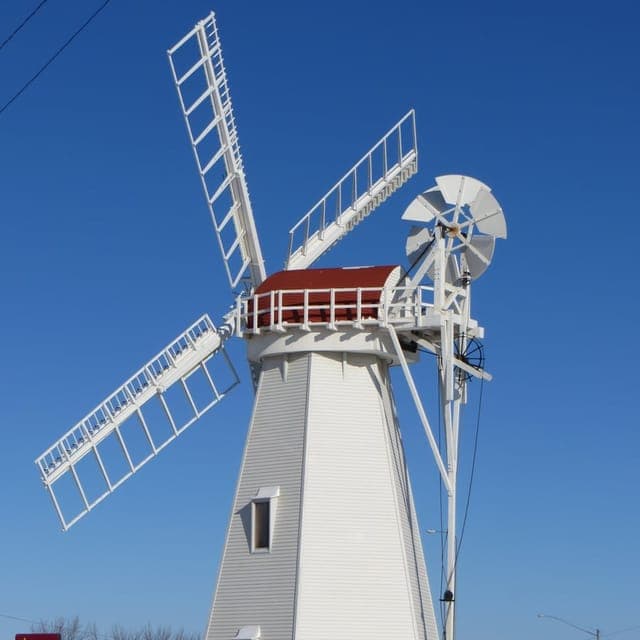
Photo: Wikipedia
Quality of Life in South Dakota
A livable area that tracks near national norms for affordability, walkability, and neighborhood health.
What does Quality of Life tell us?
Quality of Life measures an area by evaluating factors like cost of living, nearby amenities, country club access, airport proximity, socioeconomic signals and neighborhood character. For large states, this is a general average — quality of life can vary dramatically between metro areas, suburbs, and rural communities within the same state.
What does this tell us?
Quality of Life measures an area by evaluating factors like cost of living, nearby amenities, country club access, airport proximity, socioeconomic signals and neighborhood character. For large states, this is a general average — quality of life can vary dramatically between metro areas, suburbs, and rural communities within the same state.
Cost of Living
19% below national average
107%
The Real Cost of Living in South Dakota for 2026
| Tier | Individual | Family (4) |
|---|---|---|
| Survival | $15k | $27k |
| Comfortable | $46k | $68k |
| Luxury | $127k+ | $196k+ |
| Elite (Top 5%) | $149k+ | $231k+ |
Quality-of-Life Analysis
South Dakota offers a remarkably broad spectrum of living environments, from the urban energy of its largest metro to the quiet isolation of the Great Plains, all within a state where the cost of living index sits at 81 (well below the US average of 100). The state’s median home value of $236,800 and median rent of $912 make it one of the more affordable places in the nation, but the experience of living here varies dramatically depending on whether you choose a major metro, a college town, or a remote rural community. The average commute of just 17.6 minutes underscores the state’s generally low-density, low-stress lifestyle, though the trade-offs in amenities and job opportunities differ sharply by location.
Major metros
South Dakota’s two primary urban centers are Sioux Falls and Rapid City, each offering a distinctly different flavor of city life. Sioux Falls, the state’s largest city with a population exceeding 200,000, is the economic engine of the state, driven by finance (including major credit card processing operations), healthcare (Sanford Health and Avera Health are massive employers), and a growing food processing sector. Its vibe is Midwestern modern: a clean, rapidly growing city with a walkable downtown, a strong craft beer scene, and a family-oriented pace that still feels suburban despite its size. Rapid City, the second-largest metro with about 75,000 residents, serves as the gateway to the Black Hills and Mount Rushmore. Its economy leans on tourism, mining, and the military (Ellsworth Air Force Base), and its culture is more rugged and outdoor-focused. If you’re looking for urban living with big-city amenities like a major airport, diverse dining, and professional sports, Sioux Falls is the clear choice; if you want a smaller city with immediate access to world-class hiking and national parks, Rapid City fits better.
Mid-size cities & college towns
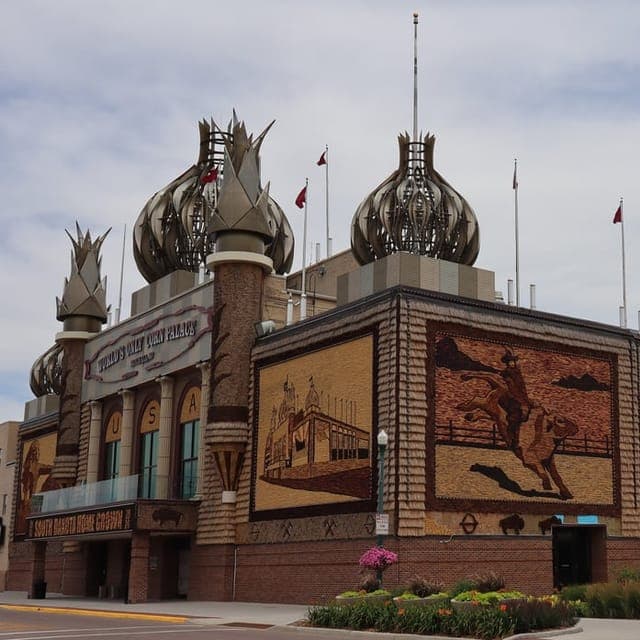
Beyond the two metros, several mid-size cities and college towns offer a balanced mix of opportunity and small-town feel. Brookings, home to South Dakota State University, is a classic college town with a young, educated population, a lively Main Street, and a strong agricultural research and engineering sector. Vermillion, anchored by the University of South Dakota, is smaller and quieter, with a focus on law, medicine, and the arts, plus a scenic location along the Missouri River. Spearfish, at the northern edge of the Black Hills, combines a small-town atmosphere with outdoor recreation (hiking, fishing, skiing at Terry Peak) and a growing tourism and healthcare economy. Mitchell, famous for the Corn Palace, is a regional trade and manufacturing hub with a slower pace and lower housing costs. Watertown and Pierre (the state capital) round out the mid-size tier: Watertown has a strong manufacturing base (including 3M and Terex), while Pierre offers government jobs and a quiet, family-friendly environment on the Missouri River. These cities appeal to professionals, academics, and families who want more space and lower costs than Sioux Falls but still need decent schools, healthcare, and a sense of community.
Small towns & rural areas
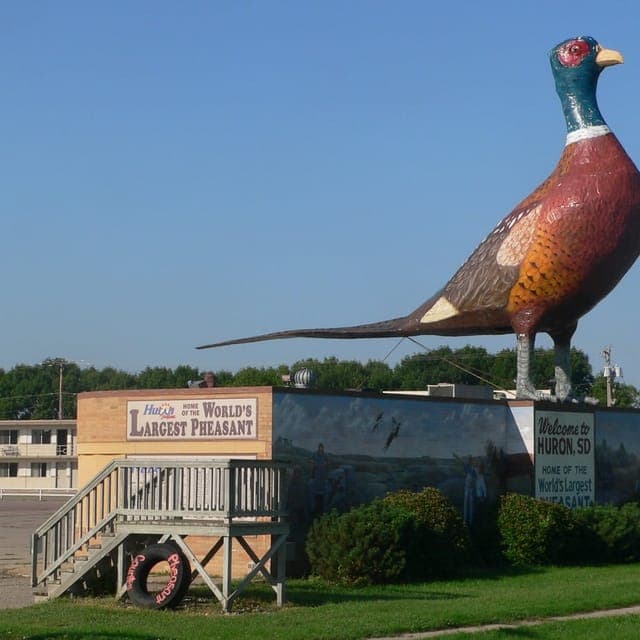
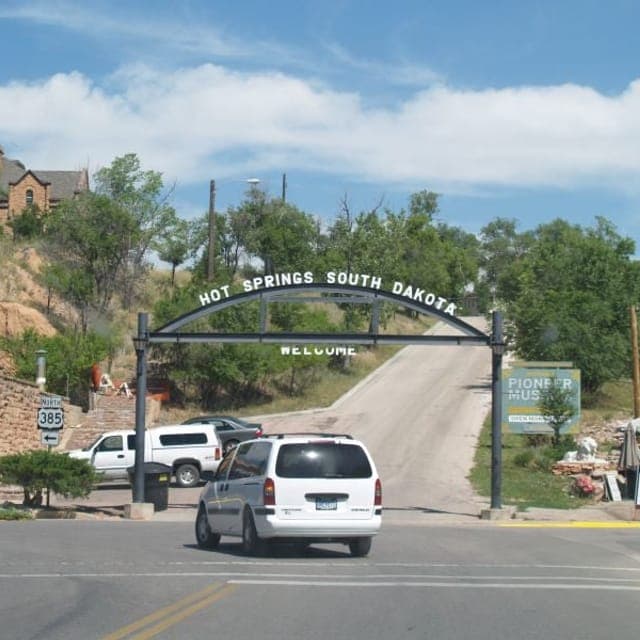
The vast majority of South Dakota’s land area is rural, and the small towns here range from dying prairie hamlets to thriving tourist destinations. Deadwood and Lead in the Black Hills are historic mining towns that have reinvented themselves as gambling and tourism hubs, with Deadwood offering a lively, Old West atmosphere and Lead providing more affordable housing and proximity to ski slopes. Wall, home to the famous Wall Drug, is a tiny town that survives on Route 66-style tourism. In the eastern part of the state, towns like Madison (home to Dakota State University), Yankton (on the Missouri River, with a growing riverfront development), and Huron (the state fair host) offer a quiet, agricultural lifestyle with basic amenities. On the western plains, towns like Sturgis (famous for the motorcycle rally) and Hot Springs (known for its natural springs and VA hospital) provide a slower, more isolated existence. The landscape itself dictates the experience: eastern South Dakota is flat, fertile farmland with dense small-town networks, while western South Dakota is rolling prairie and badlands, with towns often 30-50 miles apart. These areas attract retirees, farmers, remote workers seeking solitude, and anyone who values wide-open spaces and a tight-knit community over career opportunities and urban convenience.
Luxury vs. affordable living
South Dakota’s luxury market is concentrated in a few specific enclaves. Dakota Dunes, a planned community near Sioux Falls, is the state’s wealthiest area, with custom homes on golf courses, low crime, and easy access to both Sioux Falls and Sioux City, Iowa. In the Black Hills, Rapid City’s Skyline Drive and Keystone (near Mount Rushmore) feature high-end mountain homes with stunning views, often priced above $500,000. Brookings and Spearfish also have upscale neighborhoods catering to professionals and retirees. On the affordable end, Pine Ridge Indian Reservation and the surrounding Shannon County area are among the poorest in the nation, with median home values below $50,000 and severe infrastructure challenges. More viable affordable options include Huron, Mitchell, and Watertown, where homes under $150,000 are common and rents often fall below $800. Mobridge and Chamberlain along the Missouri River offer lakefront living at a fraction of the cost of coastal states. The spread is enormous: a luxury home in Dakota Dunes might cost $700,000, while a comparable house in rural Ziebach County could sell for under $60,000.
The practical reality is that South Dakota’s quality-of-life spectrum is defined by trade-offs between opportunity, isolation, and cost. Professionals and families who want jobs, schools, and amenities will gravitate to Sioux Falls or Rapid City, where the cost of living is still 10-15% below the national average. College towns like Brookings and Vermillion offer a vibrant, educated community at a moderate price. Small towns and rural areas provide extreme affordability and solitude but require self-sufficiency and a tolerance for limited services. The state’s low taxes (no state income tax) and low commute times benefit everyone, but the choice of where to live ultimately depends on whether you prioritize economic opportunity, outdoor recreation, or the quiet of the plains.

Crime in South Dakota
Generally safer than 61% of comparable U.S. locations.
Violent CrimeViolent Crime Analysis
Property CrimeProperty Crime Analysis
Crime Analysis
South Dakota is one of the safer states in the Great Plains region, with violent crime rates that fall below the national average, though property crime remains a persistent concern. The state recorded a violent crime rate of 293.6 per 100,000 residents, significantly lower than the U.S. average of roughly 380 per 100,000, while property crime sits at 1,281 per 100,000—slightly above the national figure. Safety varies widely by location, with smaller agricultural communities and suburban enclaves offering markedly lower risk than the state’s larger population centers.
Crime in context
South Dakota’s violent crime rate of 293.6 per 100,000 is roughly 23% below the national average, placing it among the safer states for personal safety. However, the property crime rate of 1,281 per 100,000 exceeds the U.S. median of about 1,200, driven largely by theft and vehicle break-ins in urbanized areas. The state’s overall crime picture is shaped by two contrasting dynamics: rural counties like Harding and Perkins consistently report near-zero violent crime, while the state’s largest city, Sioux Falls, accounts for a disproportionate share of both violent and property offenses. The Minnehaha County judicial district, which includes Sioux Falls, has seen progressive prosecutorial policies in recent years, including diversion programs for property offenders, which critics argue have contributed to repeat offenses and a perception of leniency. In contrast, conservative-leaning districts in Rapid City and Pennington County have maintained tougher sentencing guidelines, though Rapid City itself struggles with above-average rates of aggravated assault and burglary.
What residents experience
For most South Dakotans, daily life feels safe, especially outside the I-29 corridor. Residents in towns like Brookings (home to South Dakota State University) and Spearfish report low fear of violent crime, with most incidents limited to minor theft or vandalism. In Sioux Falls, property crime—particularly car break-ins and package theft—is the most common complaint, with police data showing a 15% rise in larceny since 2020. Violent crime in the city is concentrated in a few neighborhoods near the downtown core and along the Minnesota Avenue corridor, while suburban areas like Harrisburg and Tea see rates comparable to rural hamlets. Rapid City’s west side, near the tribal border, experiences higher rates of domestic violence and alcohol-related assaults, though overall violent crime has declined 8% since 2022. The state’s progressive approach to drug offenses—decriminalizing marijuana possession in some municipalities—has not correlated with a spike in violent crime, but property crime remains a nuisance in college towns and tourist hubs like Deadwood and Hill City.
Neighborhood-level variation
Neighborhood-level safety in South Dakota is largely predictable by income and density. In Sioux Falls, the McKennan and All Saints neighborhoods report violent crime rates below 100 per 100,000, while the Central and Downtown districts see rates above 400 per 100,000. Rapid City’s Meadowbrook and Skyline areas are considered safe for families, with property crime rates half the city average, whereas the North Rapid neighborhood near the fairgrounds has the highest concentration of burglaries and thefts. Rural towns like Vermillion and Madison report violent crime rates below 100 per 100,000, making them among the safest places in the state. For newcomers, choosing a home in a smaller suburb or a rural county with a conservative judicial philosophy—such as Lincoln County (south of Sioux Falls)—offers the best combination of low crime and consistent law enforcement. The state’s lack of a large urban progressive prosecutor’s office outside Minnehaha County means most residents benefit from traditional sentencing practices that prioritize victim restitution and public safety.
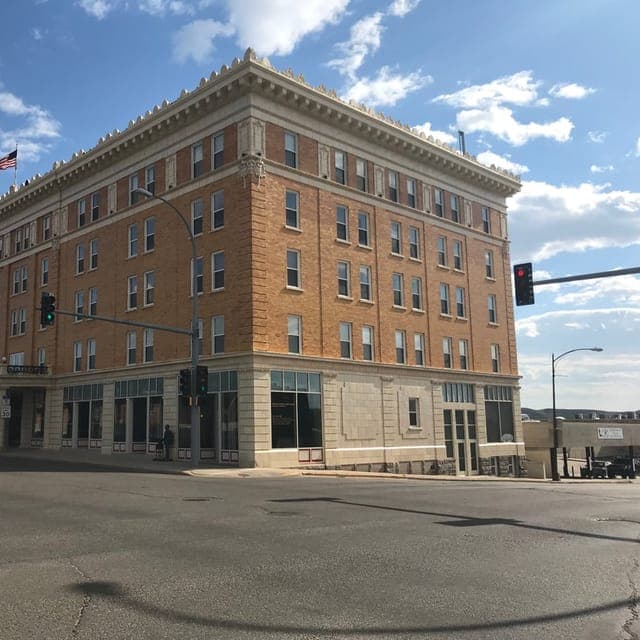
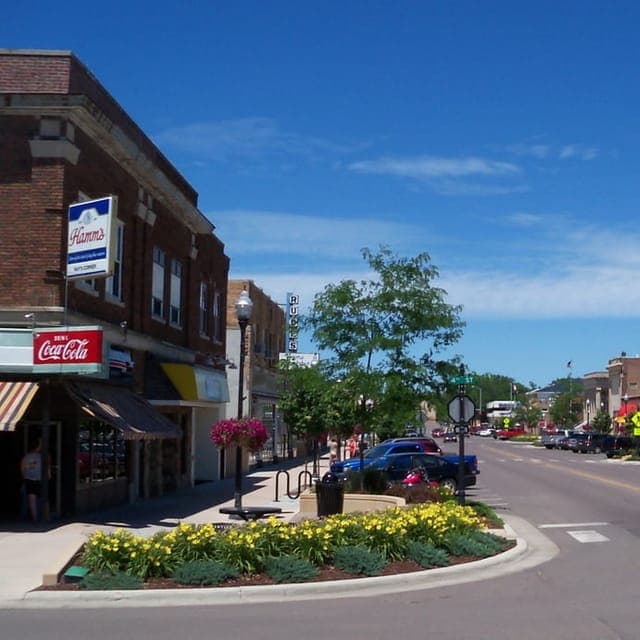
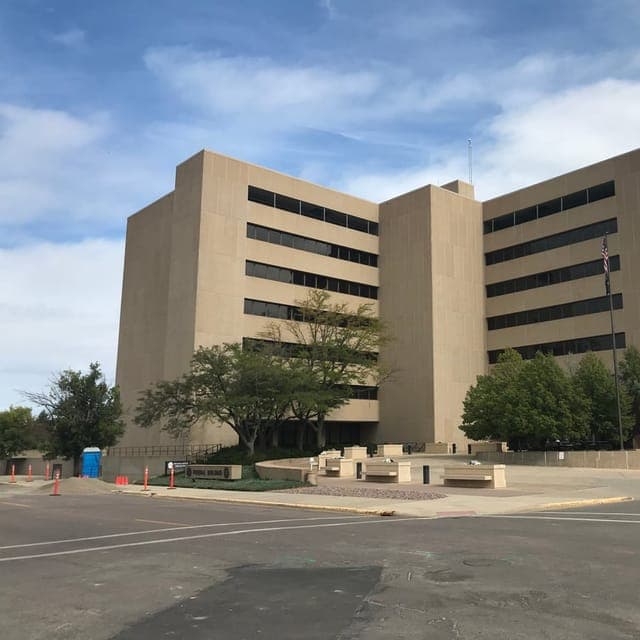
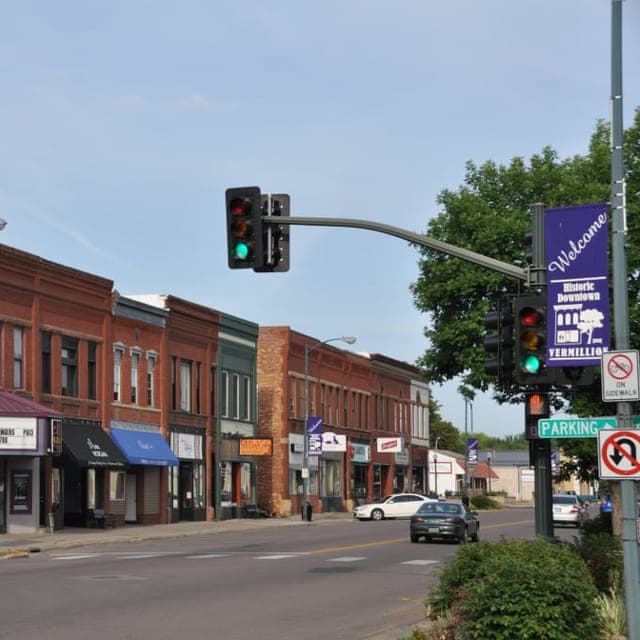
Top Cities for Quality of Life in South Dakota
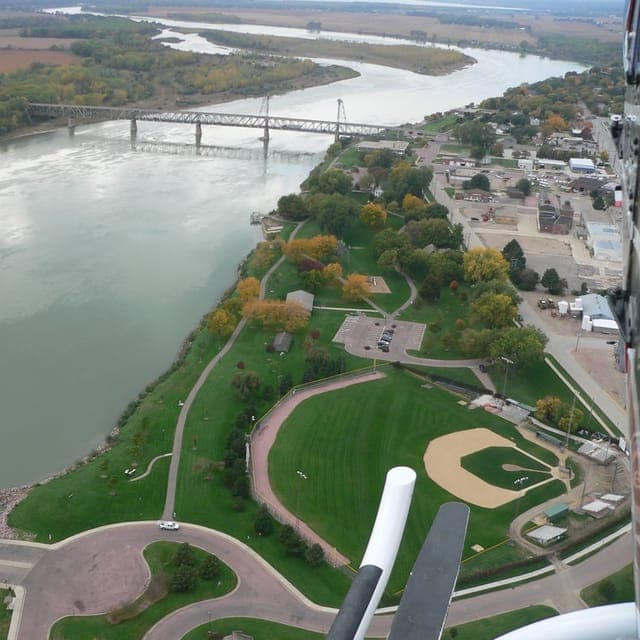
* Values derived from national, state, county, city and local statistics and may differ in a specific area. Last updated: 2026-06-03T06:25:02.000Z
Narrative content on this page is AI-generated and may contain mistakes. Verify any details that matter before acting on them.
ReloMaps may earn a commission from affiliate links at no extra cost to you.

