Photo: Wikipedia
Personal Sovereignty in South Dakota
Viable for self-reliance. Generally workable, though some barriers may limit total independence.
What does Personal Sovereignty tell us?
Personal Sovereignty measures your capacity for self-reliance and independence with minimal government friction. Higher scores mean fewer barriers between you and the way you want to live... but it assumes you have the space you need and good neighbors.
What does this tell us?
Personal Sovereignty measures your capacity for self-reliance and independence with minimal government friction. Higher scores mean fewer barriers between you and the way you want to live... but it assumes you have the space you need and good neighbors.
State Policy
Energy independence: Importer (35% of energy produced in-state)
Personal Liberty
Homesteading

Personal Liberty Analysis
South Dakota offers one of the highest degrees of personal sovereignty in the United States, particularly for individuals and parents who prioritize minimal government interference in daily life. With no state income tax, permissive firearm laws that include constitutional carry, and a regulatory environment that encourages self-reliance, the state consistently ranks among the most free in the nation. While towns like Sioux Falls and Rapid City provide urban amenities with a fraction of the bureaucratic overhead found in coastal metros, the real freedom unfolds in rural areas like Custer County or Belle Fourche, where zoning is razor-thin and off-grid living is not just allowed but typical. For those concerned about federal overreach and the erosion of personal rights, South Dakota represents a strategic relocation option that preserves autonomy across multiple fronts.
How South Dakota’s tax burden and regulatory climate preserve personal autonomy
The financial independence of residents is buttressed by the complete absence of a state personal or corporate income tax. Combined with relatively low property tax rates and a right-to-work environment that limits union-driven mandates, the state leaves more money in your pocket compared to jurisdictions with aggressive income and estate taxes. Even within city limits—Sioux Falls, the largest metro, imposes a modest 2% sales tax—the regulatory posture remains light: no inventory taxes, minimal business licensing, and a state government that consistently opposes new labor or environmental mandates. In more rural pockets like Spearfish or Sturgis, county-level regulations are sparse, meaning homesteaders and small business owners can operate without the layers of permits that plague states like Oregon or Colorado. This tax and regulatory climate is designed to reward productive freedom rather than fund expanding state programs.
Self-defense rights and the state’s firearm laws in detail
South Dakota is among the most pro-Second Amendment states in the country, with a legal framework that firmly prioritizes personal protection over state restriction. Permitless carry for concealed handguns is lawful for residents and non-residents alike, no firearms registration exists, and there are no state-level magazine capacity bans or “assault weapon” prohibitions. The state’s Castle Doctrine and Stand Your Ground statutes explicitly protect the use of deadly force in self-defense without a duty to retreat, including in public spaces. While Sturgis famously hosts the world’s largest motorcycle rally where gun culture is on full display, the same liberties apply in Rapid City and Sioux Falls—though carriers should note that federal buildings (post offices, courthouses) and some tribal lands impose their own rules. For the individual who views a firearm as a core tool of personal sovereignty, South Dakota’s statutes eliminate the bureaucratic hoops found in blue states and enforce a culture of personal responsibility.
Self-reliance and homesteading opportunities: lot sizes, zoning, and off-grid feasibility
For those seeking to disconnect from centralized utilities and build a self-sufficient compound, South Dakota’s rural counties offer extremely favorable conditions. Zoning in unincorporated areas is often minimal to nonexistent—many counties, including Custer County and Butte County (surrounding Belle Fourche), have no building codes for rural construction and no permit requirements for wells, septic systems, or solar arrays. Minimum lot sizes outside municipal boundaries are typically one to five acres, but large-acreage parcels are abundant and affordable, often under $2,000 per acre. Off-grid living is legally straightforward: state law protects the right to harvest rainwater, and net metering policies allow grid-tied solar, but going fully independent is common. In fast-growing areas like Rapid City’s suburban fringe, homeowners’ associations may impose restrictions, but true sovereignty lies in the county zones where you can garden, hunt, compost, and build without asking permission. This makes the western half of the state—especially the Black Hills region—a prime destination for preppers and homesteaders who value self-reliance above municipal convenience.
Parental rights, medical autonomy, and property protections for free individuals
South Dakota has enacted some of the strongest protections for parental authority in education, including laws that allow parents to opt their children out of curriculum materials based on moral or religious objections and to inspect all instructional materials. The state also prohibits any government employee from encouraging a minor to conceal information from a parent regarding their mental health or gender identity—a sharp contrast with the “parental exclusion” policies enacted in states like California. Medical autonomy is similarly respected: COVID-19 vaccine and mask mandates were never enforced statewide, and legislation has been proposed to protect the right to refuse medical procedures without discrimination. Property rights are anchored by a strict eminent domain law that requires public use and just compensation, and there is no state inheritance or estate tax. While Brookings, home to South Dakota State University, leans slightly more progressive in local ordinances, the vast majority of the state—especially Spearfish and Custer—operates under a legal code that views the family and the individual as the fundamental units, not the state.
When measured against the rest of the country, South Dakota stands out as a sovereign stronghold for those who see liberty shrinking everywhere else. The combination of zero income tax, unrestricted gun rights, homestead-friendly zoning, and robust parental autonomy creates an environment where a person can largely control their own life, healthcare choices, and property without permission from bureaucrats. For families and individuals looking to opt out of the increasingly intrusive regulatory and cultural mandates imposed by federal and state governments, the state offers a scale of personal sovereignty that few other regions—except perhaps Alaska or Wyoming—can match.

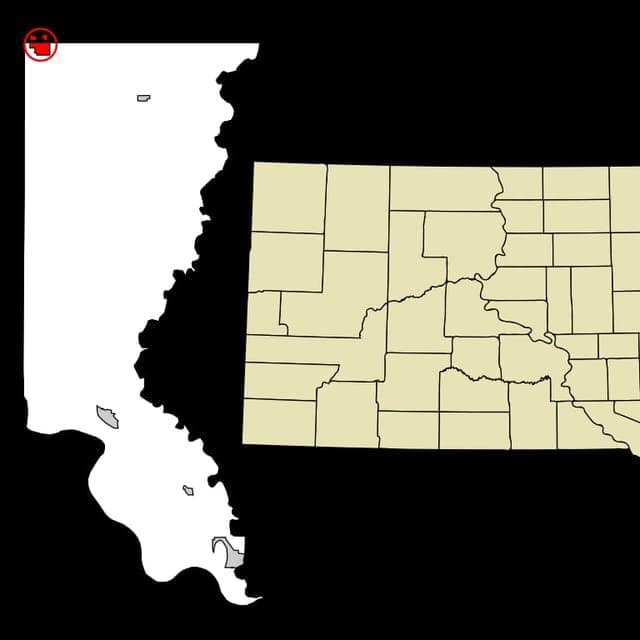
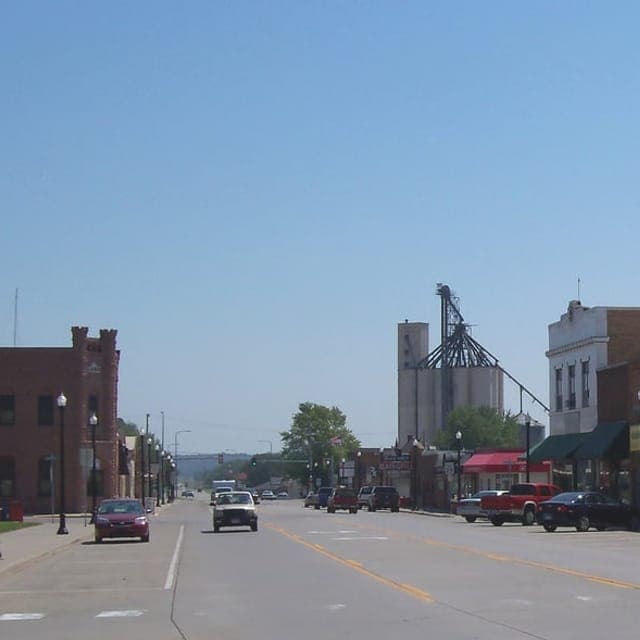
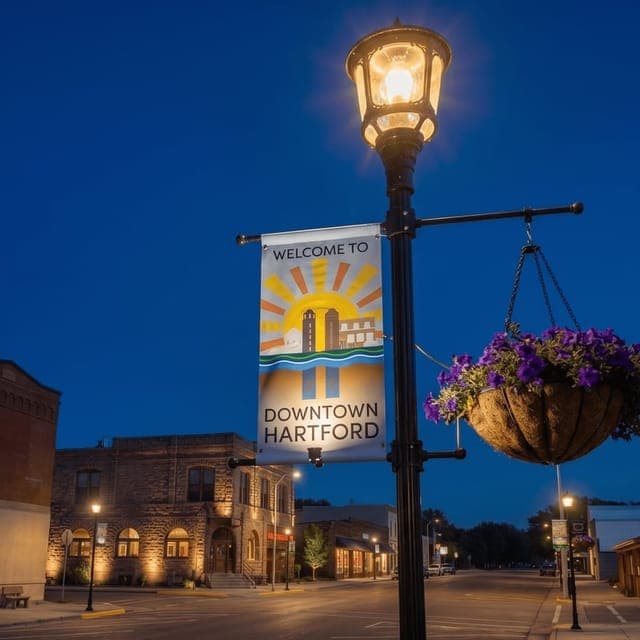
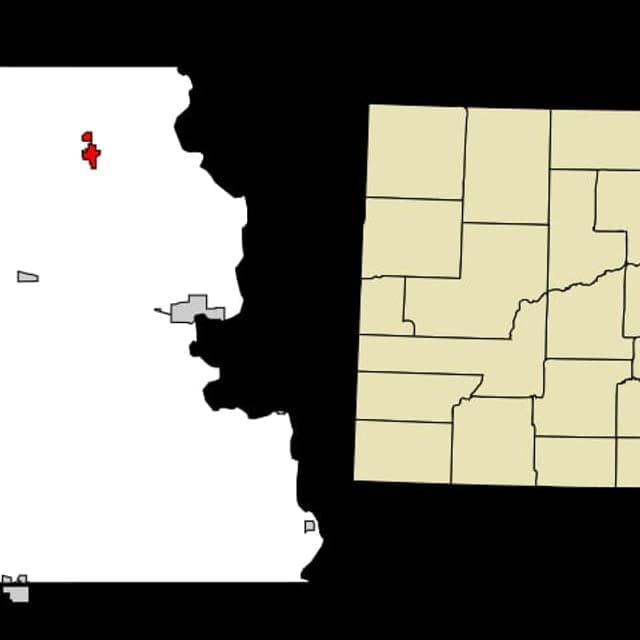
Top Cities for Personal Sovereignty in South Dakota
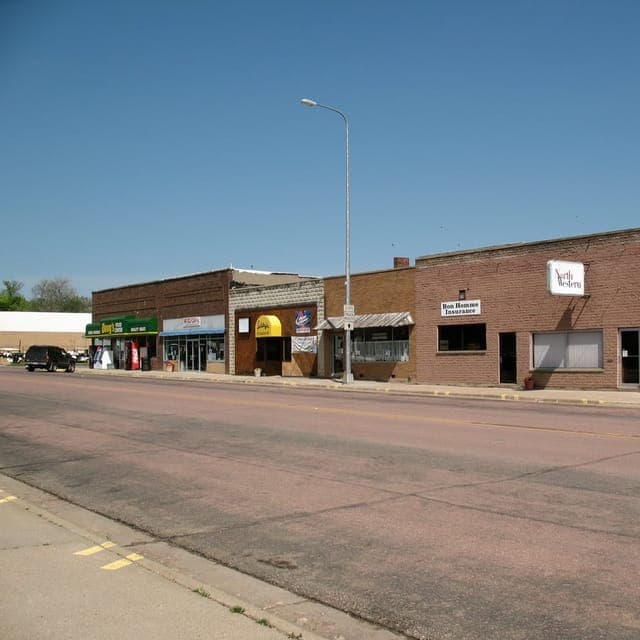
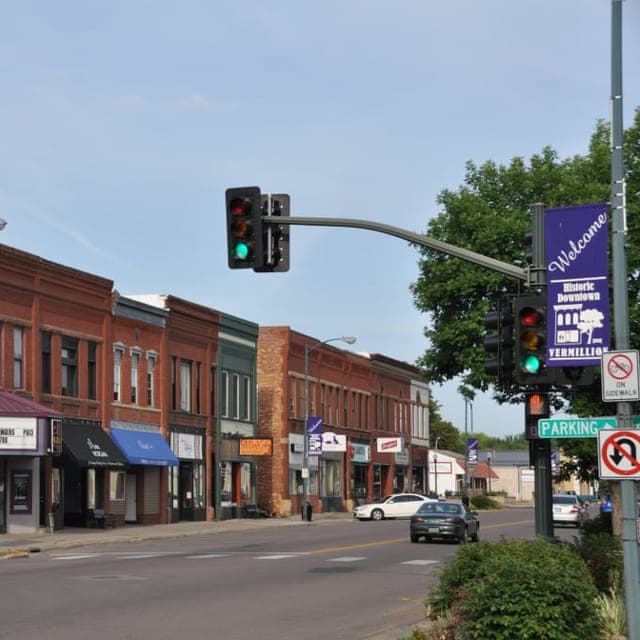

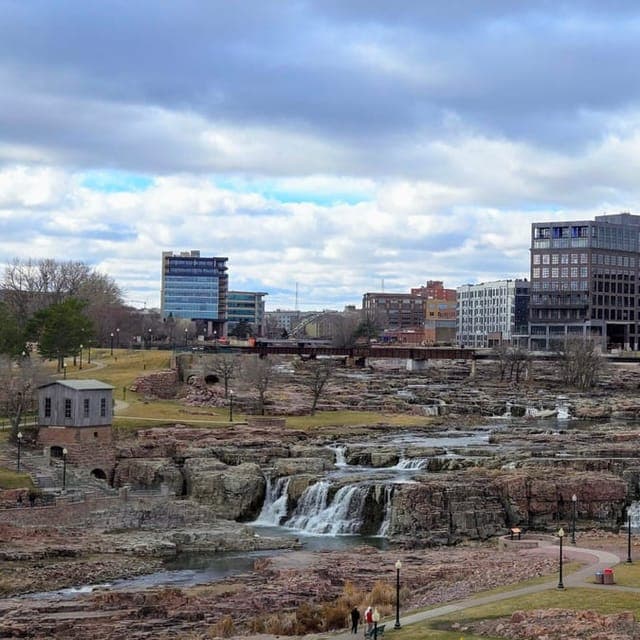

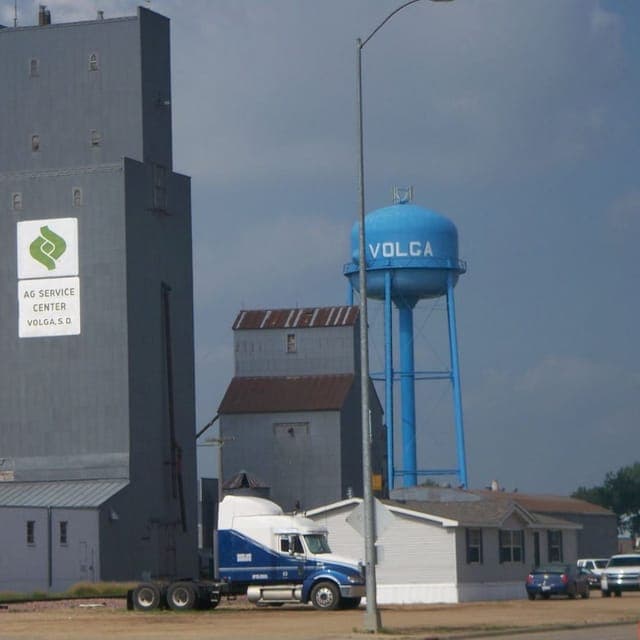
* Values derived from national, state, county, city and local statistics and may differ in a specific area. Last updated: 2026-06-03T06:25:02.000Z
Narrative content on this page is AI-generated and may contain mistakes. Verify any details that matter before acting on them.
ReloMaps may earn a commission from affiliate links at no extra cost to you.

