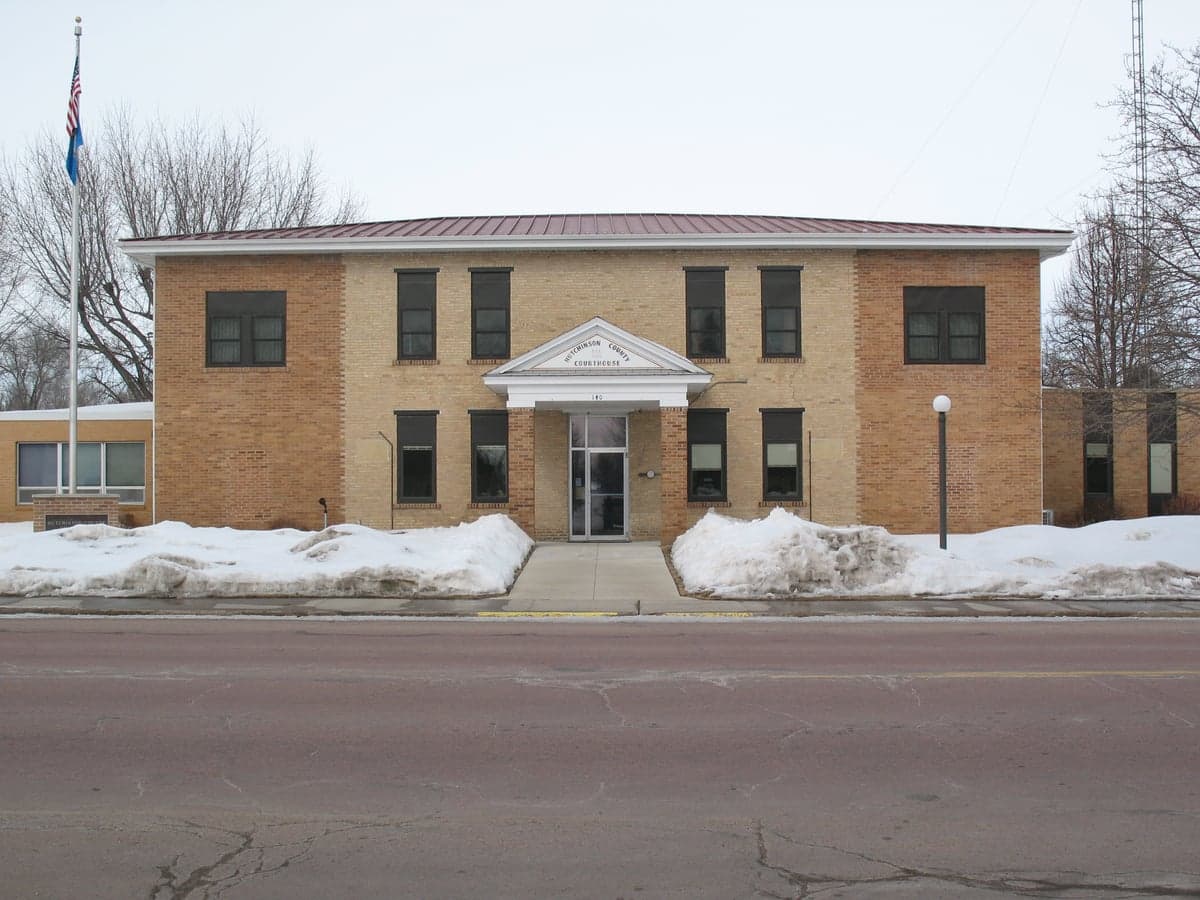
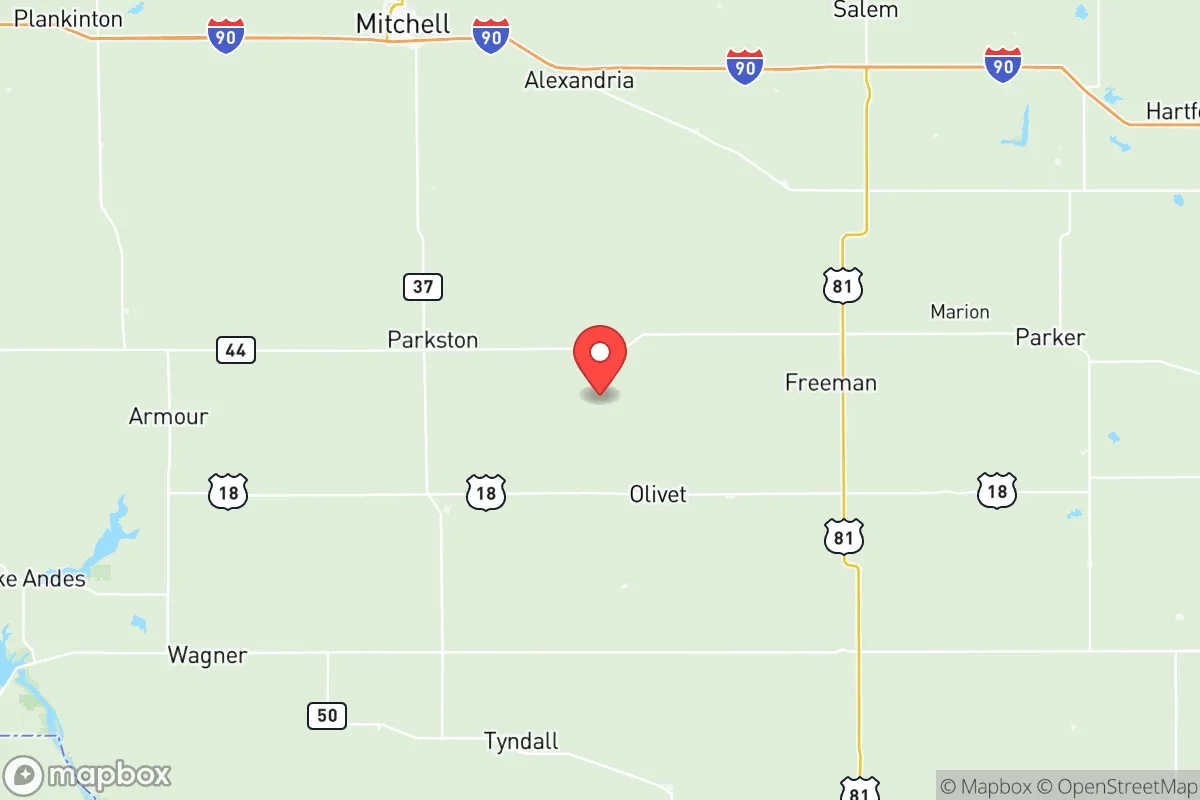
Photo: Wikipedia
Quality of Life in Hutchinson County
A livable area that tracks near national norms for affordability, walkability, and neighborhood health.
What does Quality of Life tell us?
Quality of Life measures an area by evaluating factors like cost of living, nearby amenities, country club access, airport proximity, socioeconomic signals and neighborhood character. For large states, this is a general average — quality of life can vary dramatically between metro areas, suburbs, and rural communities within the same state.
What does this tell us?
Quality of Life measures an area by evaluating factors like cost of living, nearby amenities, country club access, airport proximity, socioeconomic signals and neighborhood character. For large states, this is a general average — quality of life can vary dramatically between metro areas, suburbs, and rural communities within the same state.
Cost of Living
40% below national average
162%
The Real Cost of Living in Hutchinson County for 2026
| Tier | Individual | Family (4) |
|---|---|---|
| Survival | $11k | $21k |
| Comfortable | $31k | $46k |
| Luxury | $119k+ | $184k+ |
| Elite (Top 5%) | $140k+ | $216k+ |
Quality-of-Life Analysis
Hutchinson County, South Dakota, offers a quality-of-life spectrum that ranges from the modest commercial hub of Parkston to the quiet, unincorporated crossroads of Milltown and the open farmlands in between, drawing residents who value low costs, short commutes, and a pace of life that prioritizes community over convenience. The county's character is defined by its agricultural roots and small-town resilience, attracting families seeking affordable homeownership, retirees looking for a slower rhythm, and workers willing to commute short distances for employment in nearby regional centers like Mitchell or Yankton. With a cost-of-living index of 60 (40 percent below the U.S. average), a median home value of $160,500, and a median rent of $714, the county presents a clear trade-off: significant financial breathing room in exchange for fewer big-city amenities and a reliance on personal vehicles for most errands.
Largest town(s) & population centers
Parkston, with roughly 1,500 residents, functions as the county's primary service center, offering the widest array of daily amenities including a grocery store, hardware store, medical clinic, and several dining options. Daily life here revolves around local schools, church activities, and community events like the annual Parkston Threshing Bee, with residents enjoying a walkable downtown core and a strong sense of neighborly connection. Freeman, the county's second-largest town with a population near 1,300, has a distinct character shaped by its Mennonite heritage, visible in its well-maintained historic downtown, the Freeman Academy, and the popular Freeman Farmers Market. Both towns serve as anchors for the surrounding rural population, providing essential services like banks, pharmacies, and auto repair shops that eliminate the need for frequent trips to larger cities.
Smaller towns & rural pockets
Scattered across the county's 814 square miles are smaller communities that offer even deeper quiet and lower housing costs. Dimock (population roughly 150), Kaylor (roughly 100), and Milltown (an unincorporated hamlet) each consist of a handful of homes, a church, and little else in terms of commercial services, making them ideal for those seeking maximum seclusion and minimal property taxes. These pockets are characterized by gravel roads, expansive views of corn and soybean fields, and a population density that means neighbors are often a half-mile or more apart. Residents in these areas typically commute to Parkston, Freeman, or even into neighboring counties for work, with the county's average commute of just 17.5 minutes reflecting the short distances between home and the nearest job or store.
Cost & lifestyle range
The cost-of-living spread across Hutchinson County is narrow by national standards, but meaningful differences exist between the towns and the open countryside. In Parkston and Freeman, median home values hover around the county average of $160,500, with rents near the $714 median, offering buyers and renters a path to housing that is virtually impossible to find in most of the United States. Moving to Dimock or Milltown, home prices can drop to $100,000 or less for a fixer-upper on a large lot, though buyers sacrifice proximity to grocery stores and medical services. At the higher end of the spectrum, newer construction homes on acreages near Parkston or Freeman can reach $250,000 to $300,000, still well below national medians, and offer modern finishes with the same low property tax rates. The trade-off is clear: residents in the smaller communities drive 15 to 25 minutes for most errands, while those in Parkston or Freeman can walk to the post office or grab a coffee without starting a car.
Hutchinson County is best suited for individuals and families who prioritize financial stability, space, and community connection over urban entertainment and career density. Retirees on fixed incomes, remote workers who value a low-stress environment, and young families looking to buy a home without decades of debt will find the county's economics compelling. Those who require frequent air travel, diverse dining, or specialized healthcare should plan for a 60- to 90-minute drive to Sioux Falls or Mitchell, but for residents who value a quiet, affordable, and neighborly life, the county delivers a quality of life that larger metros cannot match.

Crime in Hutchinson County
Generally safer than 61% of comparable U.S. locations.
Violent CrimeViolent Crime Analysis
Property CrimeProperty Crime Analysis
Crime Analysis
Hutchinson County, South Dakota, reports a violent crime rate of 293.7 per 100,000 residents and a property crime rate of 1,283 per 100,000, placing it in a moderate safety tier relative to both state and national averages. While these figures indicate that crime is a present concern, the county’s largely rural character and small-town policing structures in communities like Parkston, Tripp, and Menno often result in lower incident volumes than urbanized areas. However, the county’s proximity to larger jurisdictions and its position within the state’s judicial system—overseen by the Second Judicial Circuit—means that local law enforcement and prosecutorial approaches directly shape day-to-day safety outcomes.
Crime in context
Hutchinson County’s violent crime rate of 293.7 per 100,000 is roughly 20% below the national average of approximately 380 per 100,000, but it sits slightly above the South Dakota statewide average of around 280 per 100,000. The property crime rate of 1,283 per 100,000 is about 15% lower than the national figure of roughly 1,500 per 100,000, yet it aligns closely with the state median. These numbers suggest that while the county is not a high-crime outlier, it is not insulated from regional property crime trends, particularly theft and burglary in unincorporated areas and smaller towns. The county’s crime profile is influenced by its agricultural economy and seasonal population shifts, which can affect reporting and clearance rates. Compared to neighboring counties like Turner or Yankton, Hutchinson shows similar property crime patterns but slightly lower violent crime incidence, likely due to its smaller population centers and limited retail density.
What residents experience
For residents of Parkston and Tripp, daily life is generally quiet, with most police calls involving traffic incidents, minor disputes, or occasional thefts from vehicles or outbuildings. Violent crime is rare but not absent—assaults and domestic incidents account for the majority of reported violent offenses, and these often occur within known social circles rather than as random acts. Menno and Olivet report even lower incident volumes, benefiting from tight-knit populations where suspicious activity is quickly reported. Property crime, particularly burglary of farm equipment and sheds, is a recurring concern in rural stretches between towns, where response times can be longer. The county’s law enforcement is primarily handled by the Hutchinson County Sheriff’s Office, supplemented by municipal police in Parkston and Tripp. The Second Judicial Circuit, which covers Hutchinson and several surrounding counties, has historically taken a moderate approach to sentencing, but residents should be aware that progressive judicial philosophies—emphasizing rehabilitation over incarceration—can lead to shorter sentences and earlier releases for repeat property offenders, potentially increasing recidivism in rural areas where monitoring is less intensive.
Neighborhood-level variation within Hutchinson County is modest but noticeable. Parkston, as the largest town, sees slightly higher crime volumes due to its commercial activity and school population, but its police department maintains a visible presence. Tripp and Menno are generally safer, with crime largely limited to opportunistic theft. The unincorporated areas and smaller hamlets like Kaylor and Milltown experience very low violent crime but remain vulnerable to farm-related property crime. Overall, Hutchinson County offers a relatively safe environment compared to national benchmarks, though residents in outlying areas should take proactive steps to secure property and remain engaged with local law enforcement updates.
* Values derived from national, state, county, city and local statistics and may differ in a specific area. Last updated: 2026-07-17T16:34:51.000Z
Narrative content on this page is AI-generated and may contain mistakes. Verify any details that matter before acting on them.
ReloMaps may earn a commission from affiliate links at no extra cost to you.

