Photo: Wikipedia
Strategic Assessment of South Carolina
Meaningful friction. Expect exposure to either population pressure, blast zones, or natural disaster risk. Consider buying a retreat property.
What does the Strategic Assessment tell us?
Our Strategic Assessment grades tactical survivability of an area. Major population centers, military targets, fallout zones, natural disasters, and border exposure all drive risk — lower exposure means a more defensible position in a crisis.
This is heavily inspired by Joel Skousen's Strategic Relocation book. Highly recommended you checkout the book ($)What does this tell us?
Our Strategic Assessment grades tactical survivability of an area. Major population centers, military targets, fallout zones, natural disasters, and border exposure all drive risk — lower exposure means a more defensible position in a crisis.
This is heavily inspired by Joel Skousen's Strategic Relocation book. Highly recommended you checkout the book ($)Regional Safe Places
Below is our recommended "safe zones" in South Carolina and the surrounding area based on our strategic heuristics. For most people, it's unrealistic to live in a “safe zone” full-time due to work, family or other personal reasons. They tend to be more rural. However, many of these areas are perfect for second homes and retreat properties that double as a vacation home or even a short-term rental.
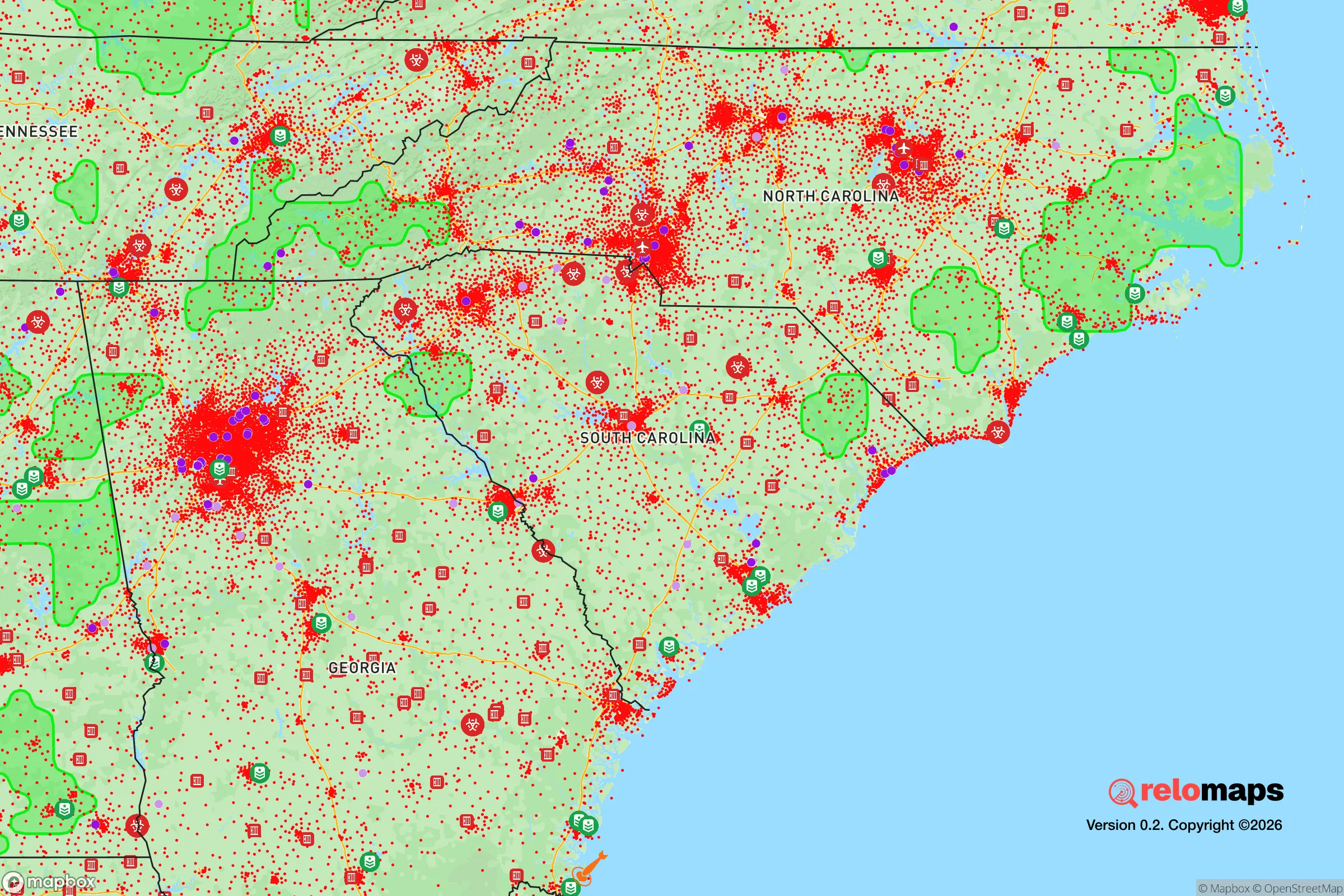
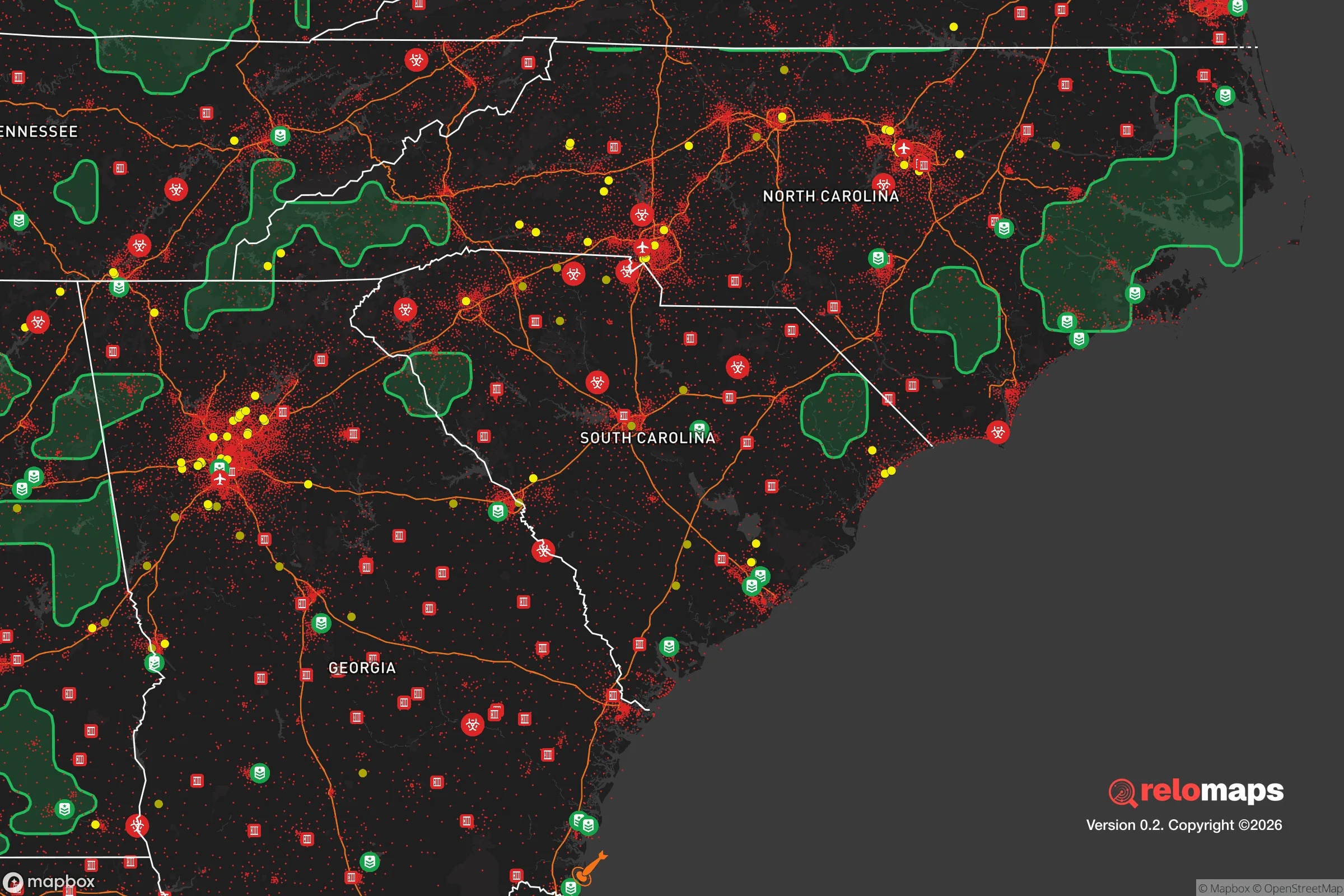


Important Note: For informational purposes only. This does not mean nothing bad ever happens in the green zones. Please use common sense. This is based on public data and modeled with AI. We tried to take a conservative approach but mistakes happen. We update this regularly as new information becomes available.
Solar Generator Recommendations
Backup power matters more here than in safer locations. We've picked three solar generators across budgets and capacity tiers — start with the budget unit if you only need a few essentials, or step up if you want to run a fridge and HVAC for days at a time.

Jackery Portable Power Station Explorer 300
Budget OptionPower on the Go: Weighing only 11 lbs, it's convenient to set up and store with book-sized foldable solar panels

BLUETTI Portable Power Station AC180
Designed for both indoor and outdoor scenarios, AC180 is highly capable as it has a robost capacity and continuous output power.

EF ECOFLOW DELTA Pro Ultra Power Station
Upgraded PickEcoFlow DELTA Pro Ultra is a whole-home energy system designed to grow with your family. Integrated with the Smart Home Panel 2, it scales to meet your evolving energy needs — keeping your home powered, intelligent, and secure through every stage of life.
We earn a commission, at no additional cost to you.
Strategic Assessment Analysis
South Carolina offers a compelling mix of geographic insulation and strategic depth for those prioritizing long-term stability and self-reliance. Its position along the Atlantic seaboard, away from the most congested corridors of the Northeast and the industrial heartland, provides a buffer against the cascading failures that could ripple from major urban or industrial collapse. The state’s resilience is rooted in its moderate climate, abundant natural resources, and a political culture that generally favors local control and individual preparedness, making it a serious contender for relocation in an uncertain future.
Geographic position and natural advantages for long-term security
South Carolina’s geography is its first line of defense. The state is flanked by the Atlantic Ocean to the east and the Appalachian foothills to the northwest, creating a natural funnel that limits large-scale movement from the interior. The Savannah River forms a substantial western boundary, while the Pee Dee River and Santee River systems provide internal water sources and natural barriers. The coastal plain offers fertile soil and a long growing season—ideal for subsistence agriculture—while the Upstate region near Greenville and Spartanburg sits at higher elevation, reducing flood risk and offering more defensible terrain. The Blue Ridge Escarpment in the northwest provides a natural choke point, with few major highways crossing it, meaning any movement from the interior into the state would be funneled through predictable corridors like I-85 and I-26. This makes the Upstate a strong candidate for a retreat location, as it’s far enough from the coast to avoid hurricane storm surge but close enough to benefit from maritime trade if ports remain functional.
Risks, exposures, and proximity to fallout-relevant landmarks
No location is without vulnerabilities, and South Carolina has several that demand attention. The most obvious is the Savannah River Site (SRS), a former nuclear weapons production facility near Aiken that still houses significant radioactive waste and tritium processing. A catastrophic event—whether natural disaster, sabotage, or civil unrest—could render a large radius around SRS uninhabitable for generations. The Charleston metro area, home to the Port of Charleston and a major naval base, is a high-value target for both economic disruption and potential military action. Its dense population and reliance on a single port for supply chains make it a chokepoint that could collapse under pressure. Additionally, the Cooper River bridges are critical infrastructure; their failure would isolate the peninsula. The state also sits in the path of Atlantic hurricanes, with the coastal zone from Myrtle Beach to Hilton Head facing annual storm risk. Storm surge can push 20 miles inland along the low-lying coastal plain, and the 2015 and 2016 “thousand-year” floods demonstrated how quickly infrastructure can fail. For the prepper, the takeaway is clear: avoid the coastal strip within 30 miles of the ocean and maintain a minimum 50-mile buffer from SRS and any major military installation like Fort Jackson near Columbia.
Practical resilience for a relocator: food, water, energy, and defensibility
South Carolina’s practical resilience is strong for those who choose their location wisely. Water is abundant—the state averages over 45 inches of rainfall annually, and the major river systems (Savannah, Santee, Pee Dee, and Edisto) provide surface water that can be filtered or diverted. The Floridan Aquifer underlies much of the coastal plain, offering deep groundwater that is less susceptible to surface contamination. For food, the state is a top producer of peaches, soybeans, corn, and poultry, with small-scale farming still common in the Midlands and Upstate. The long growing season (March through November) allows for multiple crop cycles, and wild game—deer, turkey, and feral hogs—is plentiful in the national forests like Francis Marion National Forest and Sumter National Forest. Energy infrastructure is mixed: the state has nuclear plants (Catawba, Oconee, and V.C. Summer) that are potential targets, but also a growing solar sector and significant biomass potential from its extensive pine forests. For defensibility, the Upstate’s rolling hills and forested ridges offer natural cover and fields of fire, while the coastal plain’s open farmland creates long sightlines. The key is to avoid the I-95 corridor, which runs north-south through the state and is a primary evacuation route—meaning it would be a chokepoint for refugees and looters during a crisis. Instead, focus on secondary roads and communities like Abbeville, McCormick, or Winnsboro, which are off the beaten path but still within a day’s drive of supplies.
The overall strategic picture for South Carolina is one of cautious optimism for the prepared relocator. It offers a rare combination of natural resources, geographic buffers, and a cultural ethos that still values self-sufficiency and community ties. The risks are real—hurricanes, the Savannah River Site, and the vulnerability of Charleston’s port—but they are manageable with smart site selection. Avoid the coastal flood zones, stay clear of major industrial and military targets, and prioritize the Upstate or rural Midlands for a defensible homestead. The state’s political climate, with its emphasis on limited government and Second Amendment rights, aligns well with a conservative prepper mindset. In a world where the next crisis could be economic collapse, civil unrest, or a natural disaster, South Carolina provides a solid foundation—not a perfect fortress, but a place where a determined individual or family can build a resilient life without being constantly on the front lines of chaos.

Top 10 Cities by Strategic Assessment in South Carolina
 1B+
1B+ 2B+
2B+ 3B+
3B+ 4B
4B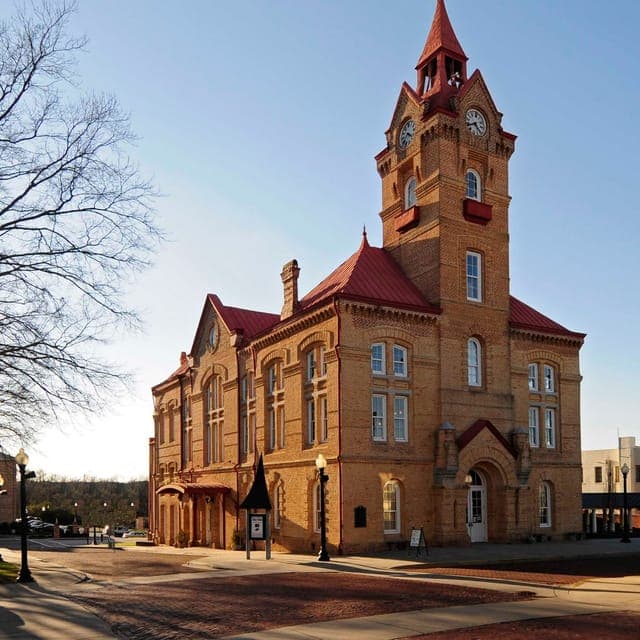 5C+
5C+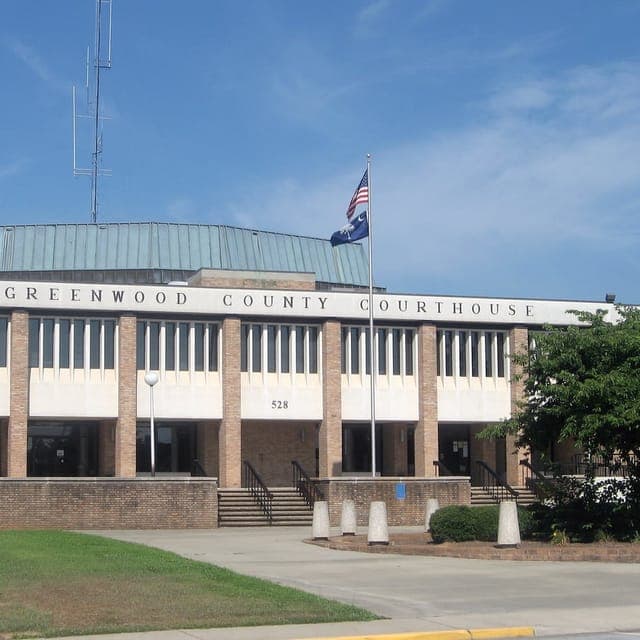 6C+
6C+ 7C+
7C+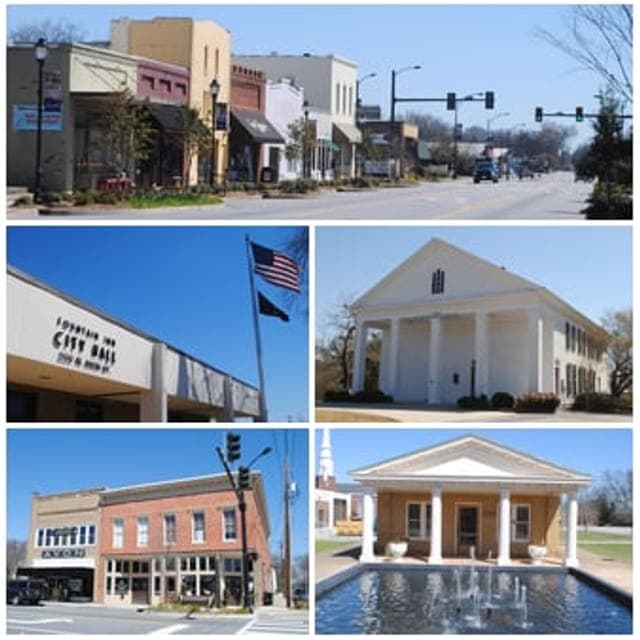 8C+
8C+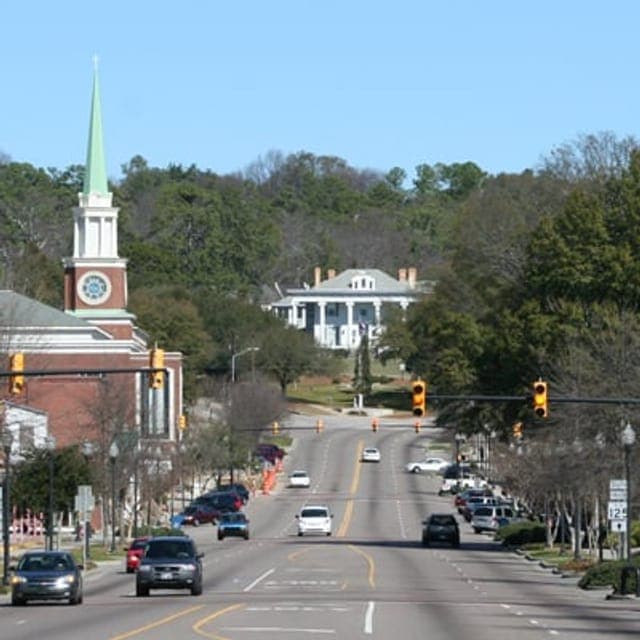 9C+
9C+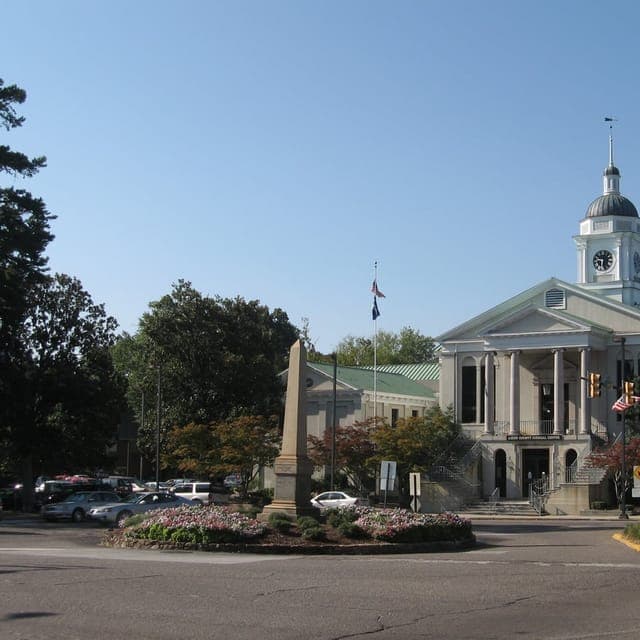 10C+
10C+* Values derived from national, state, county, city and local statistics and may differ in a specific area. Last updated: 2026-04-19T01:41:00.000Z
Narrative content on this page is AI-generated and may contain mistakes. Verify any details that matter before acting on them.
ReloMaps may earn a commission from affiliate links at no extra cost to you.

