Photo: Wikipedia
Political ClimatePolitical Climate in South Carolina
Political Environment in the State
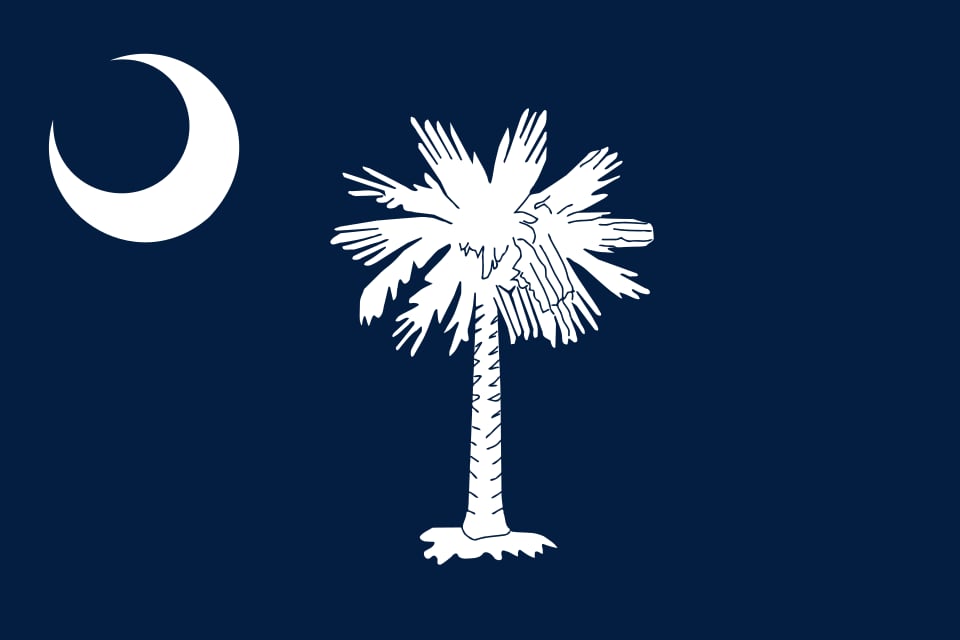
South Carolina is a solidly Republican state with a Cook PVI of R+8, meaning it typically votes about eight points more conservative than the national average in presidential elections. The dominant coalition is a mix of traditional conservatives, evangelical Christians, and a growing number of fiscally conservative transplants from the Northeast and Midwest. Over the past 20 years, the state has shifted from a competitive purple state—where Democrats still held statewide offices as recently as the early 2000s—to a reliably red stronghold, driven largely by suburban growth in the Upstate and Lowcountry and the collapse of the rural Democratic base.
Urban vs. rural divide
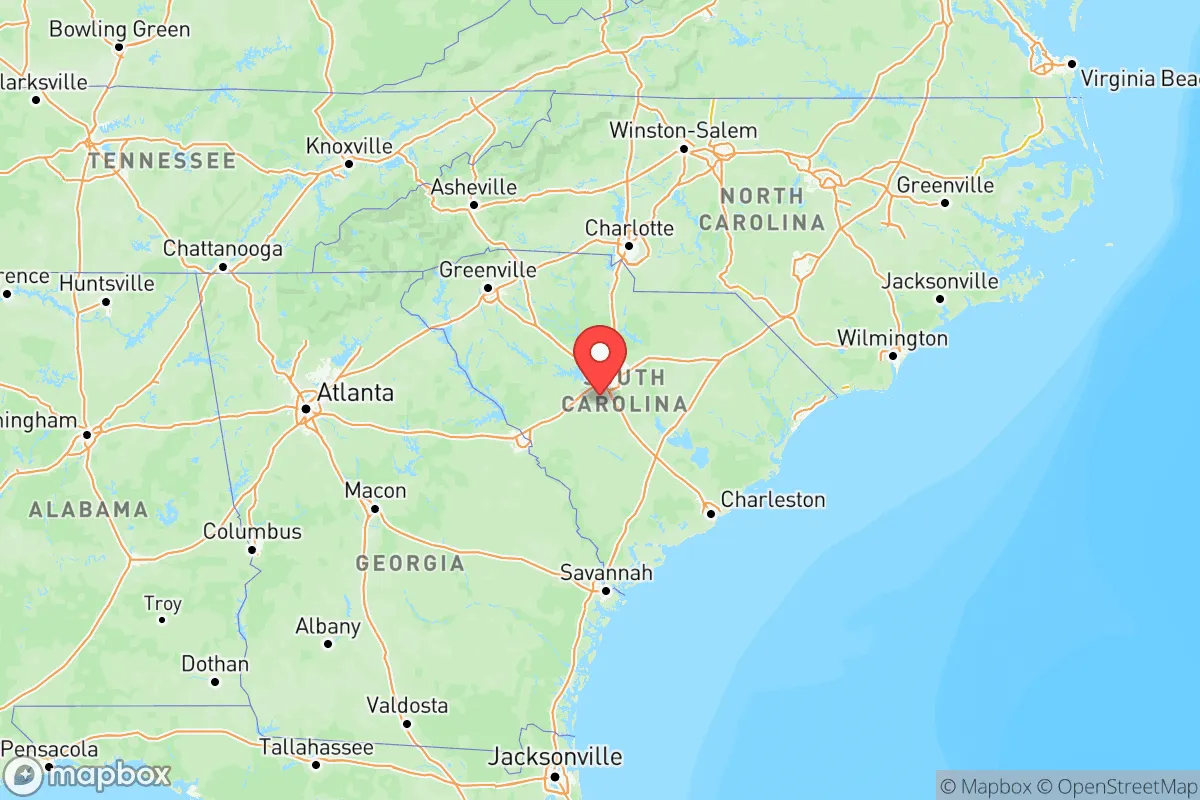
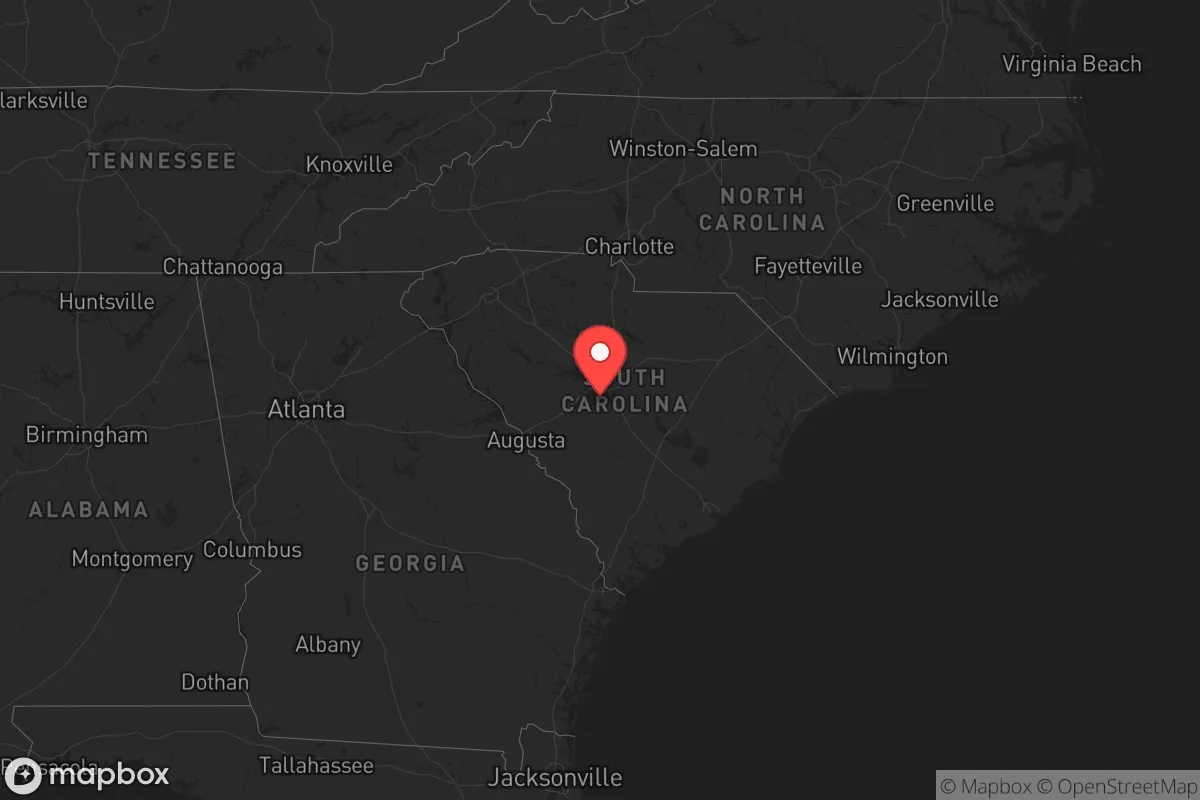
The political map breaks down into three distinct regions. The Upstate—anchored by Greenville, Spartanburg, and Anderson—is the most conservative and fastest-growing area, with Greenville County itself voting about 60% Republican in recent cycles. The Midlands, centered on Columbia (Richland County), is the blue island: Richland County voted 62% for Biden in 2020, driven by the state capital, the University of South Carolina, and a large African American population. The Lowcountry is a mixed bag: Charleston County has trended leftward as transplants and tourism money pour in, flipping from red to purple to light blue over the past decade (Biden won it by 10 points in 2020). Meanwhile, Myrtle Beach (Horry County) and Hilton Head (Beaufort County) remain reliably red, with Horry County voting 60% for Trump. The rural counties—like Allendale, Marlboro, and Williamsburg—are heavily Democratic due to large Black populations, but their populations are shrinking, reducing their electoral weight.
Policy environment
South Carolina’s policy environment is broadly conservative, with a few notable exceptions. The state has a flat income tax that was cut from 7% to 6.2% in 2023, with a path to 6% by 2025—one of the most aggressive tax-reduction schedules in the South. There is no state property tax on vehicles, and property taxes on homes are among the lowest in the nation, capped by a 15% assessment ratio for owner-occupied residences. The regulatory posture is business-friendly: South Carolina is a right-to-work state with no state-level minimum wage above the federal $7.25, and it has one of the lowest unionization rates in the country (around 2%). Education policy is a mixed bag: the state has a robust school choice program (the Education Scholarship Trust Fund Act of 2023) that provides up to $6,000 per student for private school or homeschooling expenses, but public school funding remains low and teacher pay lags the national average. Healthcare is a sore spot: the state did not expand Medicaid under the ACA, leaving roughly 200,000 working poor in the coverage gap, and the certificate-of-need laws for hospitals keep healthcare costs higher than in freer states like Texas or Florida. Election laws are moderately restrictive: voter ID is required, early voting was expanded to two weeks in 2022, and absentee voting requires an excuse (though the excuse list is broad). The state has no automatic voter registration and no same-day registration.
Trajectory & freedom
On the freedom front, South Carolina has been moving in a mixed direction over the past five years. On the positive side for conservatives, the state passed constitutional carry (permitless carry of handguns) in 2024, making it the 29th state to do so. The Parental Rights in Education Act (2023) requires schools to notify parents of any curriculum involving sexual orientation or gender identity and prohibits instruction on those topics in K-5 classrooms—a clear win for parental rights. The state also enacted a six-week abortion ban (the Fetal Heartbeat Act) in 2023, which was upheld by the state supreme court after a brief legal challenge. On the concerning side, the state has seen a creep of government overreach in the name of public health: during COVID, Governor Henry McMaster imposed a state of emergency that lasted over 18 months, and while he never mandated masks statewide, local governments in Charleston and Richland counties imposed their own mandates. More recently, the state has expanded its Certificate of Need (CON) laws for healthcare facilities, which limits competition and keeps medical costs high—a clear infringement on economic freedom. Property rights are generally strong, but the state has a history of using eminent domain for private development (e.g., the Marina District project in Charleston), which has sparked local backlash.
Civil unrest & political movements
South Carolina has a relatively low level of visible civil unrest compared to states like Oregon or New York, but there are flashpoints. The Confederate flag removal from the Statehouse grounds in 2015, following the Charleston church shooting, was a watershed moment that still divides opinion—many rural conservatives saw it as a capitulation to political correctness, while urban liberals saw it as long overdue. The Black Lives Matter protests in 2020 were largely peaceful in Charleston and Columbia, but there were isolated incidents of property damage and clashes with counter-protesters. Immigration politics are less heated than in border states, but there is a growing grassroots movement among conservatives to push for E-Verify mandates for all employers (currently only required for state contractors). The state has no sanctuary cities; in fact, the 2019 Sanctuary Cities Prohibition Act explicitly bans local governments from adopting such policies. Election integrity remains a hot-button issue: the 2020 election saw no major fraud scandals, but the state legislature passed House Bill 3526 in 2021, which tightened absentee ballot procedures and banned ballot drop boxes, citing security concerns. The nullification movement is mostly rhetorical—some local GOP groups have passed resolutions asserting state sovereignty over federal gun laws, but these have no legal force.
Projection
Over the next 5-10 years, South Carolina is likely to remain solidly red but with a growing libertarian-conservative tension. The in-migration from blue states—especially retirees from New York and New Jersey moving to the Lowcountry and Upstate—is accelerating. These transplants tend to be fiscally conservative but socially moderate, which could push the state toward a more Texas-style model: low taxes, light regulation, but less emphasis on social issues like abortion or school prayer. The Hispanic population is growing rapidly (up 40% from 2010 to 2020), concentrated in the Upstate and along the coast, and while they currently lean Democratic, the trend among second-generation Hispanics in the South is toward conservative values on family and economics. The biggest wildcard is the Charleston-Columbia corridor: if Charleston County continues to trend blue and Columbia stays blue, the state could become a North Carolina-style purple within a decade, especially if the GOP fails to moderate on cultural issues. However, the rural counties are emptying out, and the Upstate is booming, so the net effect is likely a slow shift toward a more suburban, less evangelical Republicanism.
Bottom line for a new resident: If you’re moving to South Carolina for freedom from government overreach, you’ll find a state that generally respects your right to live your life—low taxes, strong gun rights, and parental control over education. But don’t expect a libertarian paradise: the state still has CON laws that inflate healthcare costs, a history of COVID-era emergency powers that could be abused again, and a growing urban-rural cultural divide that may lead to more local government friction. Pick your county carefully—Greenville and Spartanburg are the safest bets for a conservative-friendly environment, while Charleston and Columbia are trending in a direction that may feel less welcoming over time.

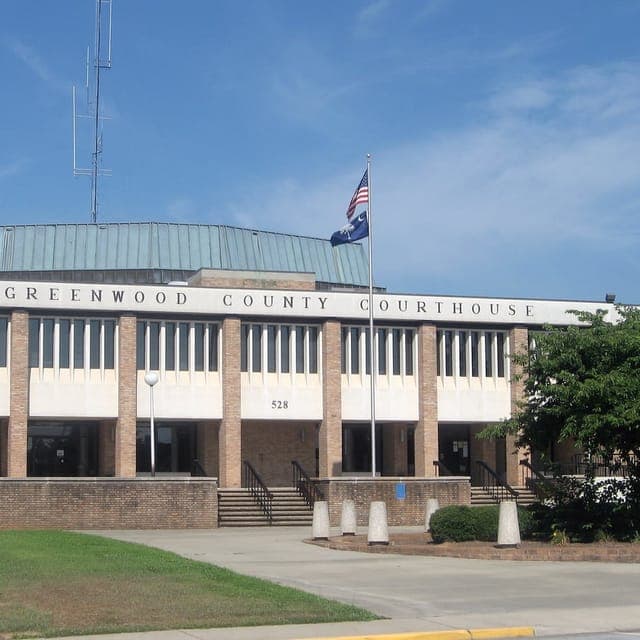
Most Conservative Cities in South Carolina
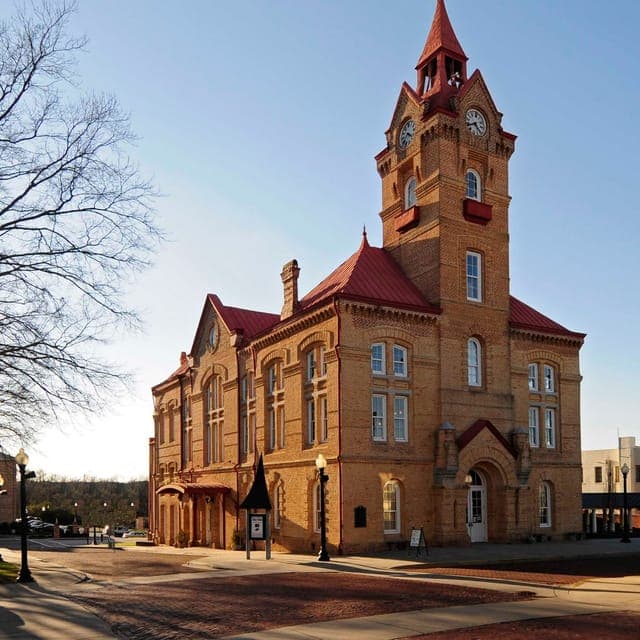
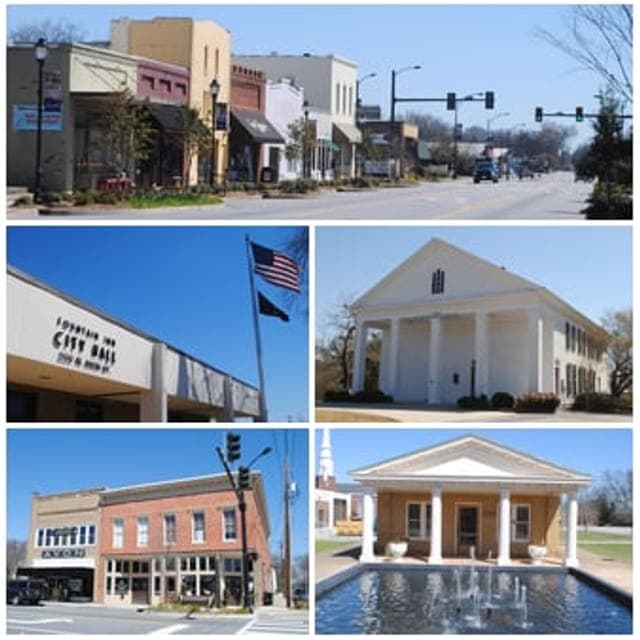
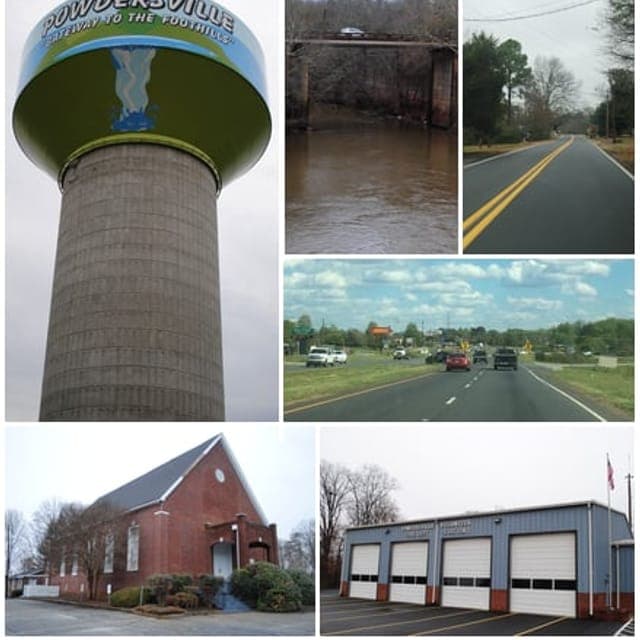
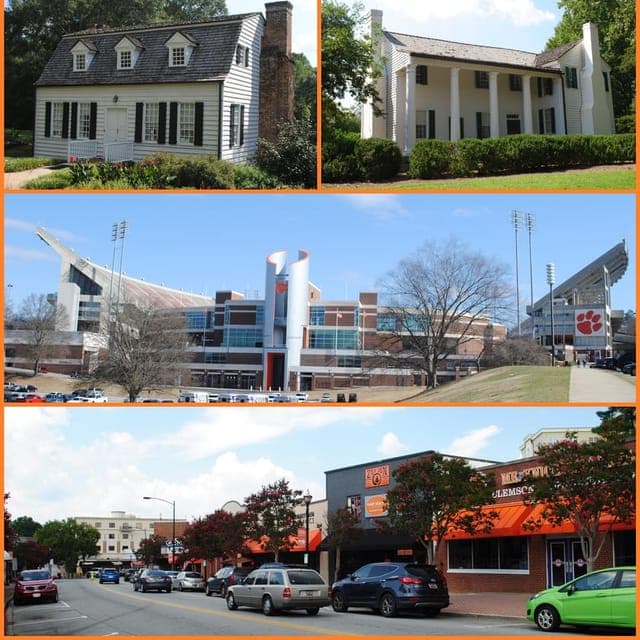
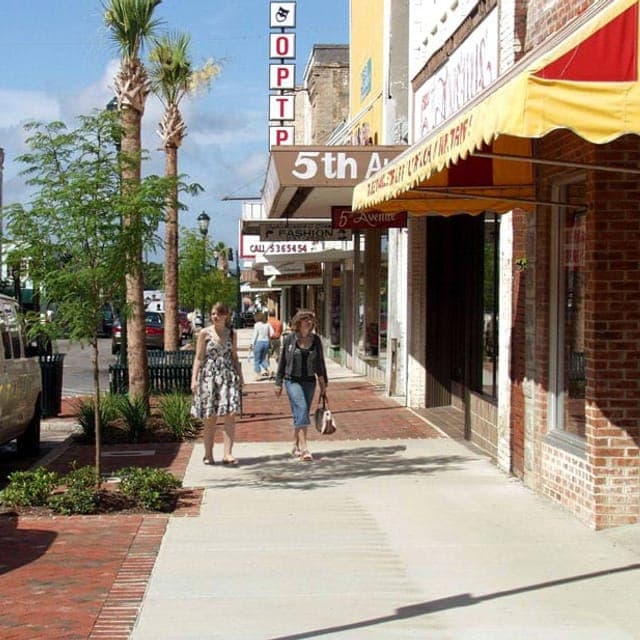
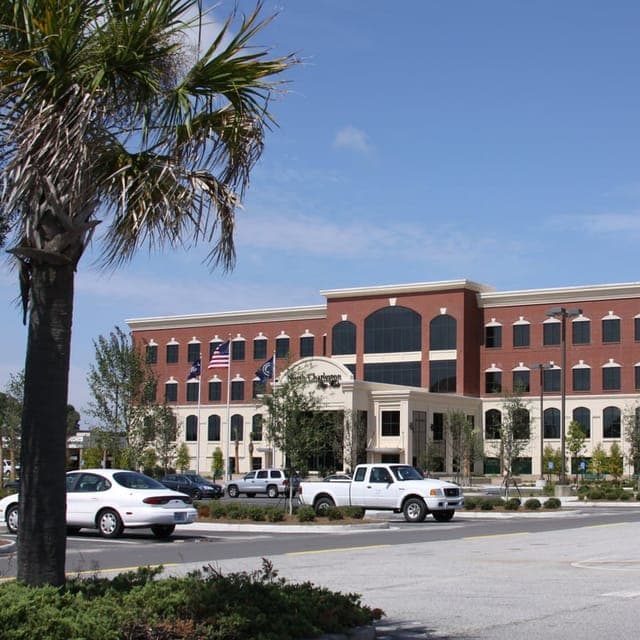
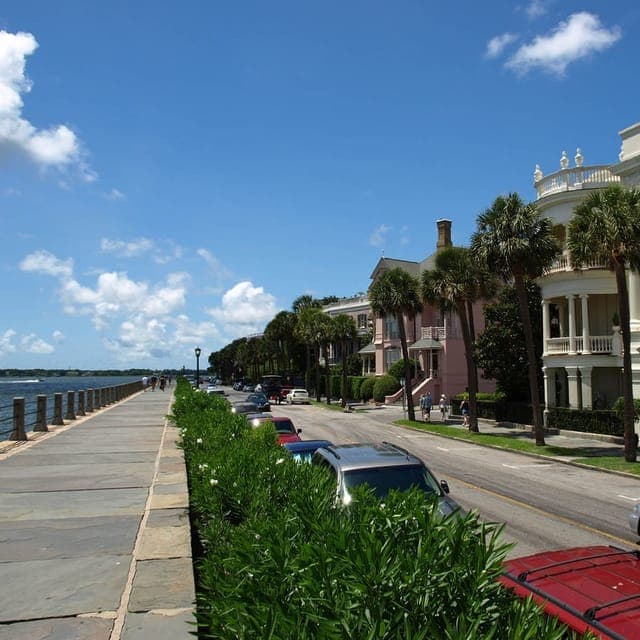
Most Liberal Cities in South Carolina

* Values derived from national, state, county, city and local statistics and may differ in a specific area. Last updated: 2026-04-19T01:41:00.000Z
Narrative content on this page is AI-generated and may contain mistakes. Verify any details that matter before acting on them.
ReloMaps may earn a commission from affiliate links at no extra cost to you.

