 Popular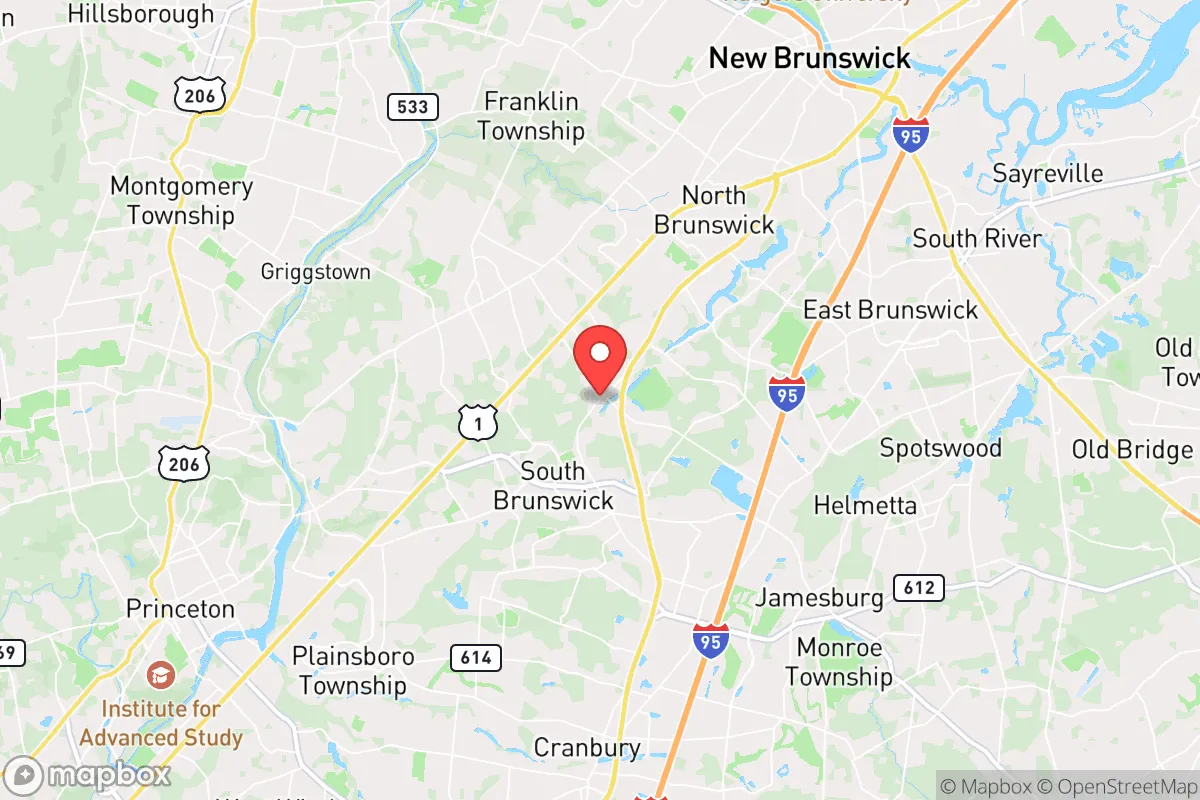
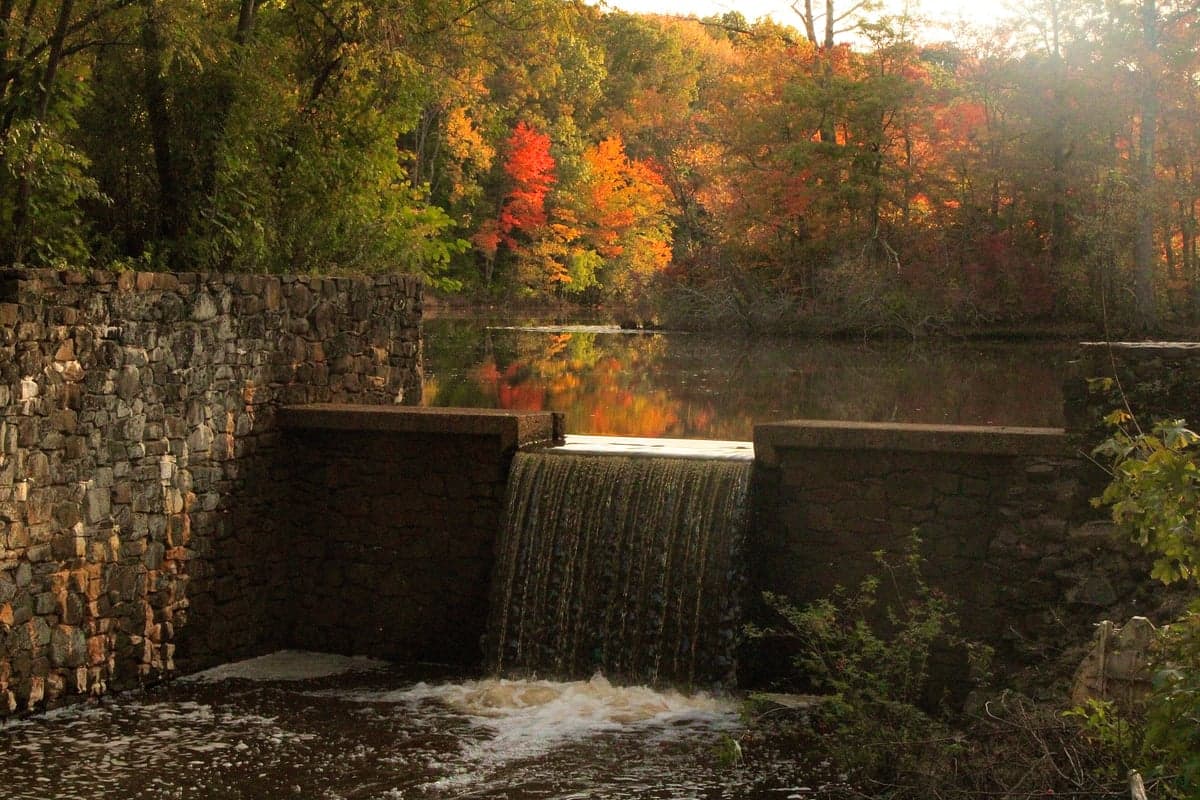
Photo: Wikipedia
Political ClimatePolitical Climate in South Brunswick Township, NJ
District shown is the primary district for this city’s centroid. Cities may span multiple districts.
Local Political AnalysisPolitical Analysis of South Brunswick Township, NJ
South Brunswick Township is a solidly Democratic stronghold, with a Cook Partisan Voting Index (PVI) of D+13, meaning it leans roughly 13 points more Democratic than the national average. That's a full eight points more blue than the state of New Jersey as a whole, which sits at D+5. This hasn't always been the case—I've watched this area shift over the last two decades. Back in the early 2000s, you'd see a lot more split-ticket voting, especially on the school board and town council. But the demographic changes driven by the influx of families working in the pharmaceutical and tech corridors along Route 1, plus the growing commuter population from New York, have cemented a progressive tilt. In recent presidential elections, the Democratic margin here has consistently outpaced the county average, and it's not unusual for local Democratic candidates to run unopposed in November.
How it compares
To understand South Brunswick's politics, look at the neighbors. Head west toward Plainsboro or Princeton, and you'll find similarly deep-blue enclaves with D+20+ PVIs. But drive ten minutes east to Monroe Township or south to Cranbury, and you'll hit more moderate or even Republican-leaning pockets—Monroe's older, more conservative voter base is a stark contrast. The D+13 rating puts South Brunswick squarely in the "safe Democratic" column, but it's not a monolith. The roughly 40% of votes that go Republican in high-turnout years are concentrated in the more rural southwestern corner of the township and among long-time Italian and Polish families who have been here since the farms. The state's D+5 PVI reflects a broader suburban swing, but the gap between South Brunswick and the state average underscores just how much of this town's energy comes from its diverse, educated, and highly engaged voter base—especially around education funding, development, and environmental issues.
What this means for residents
For liberal residents, it means a comfortable majority on the township council, which reliably votes for progressive zoning policies, municipal solar programs, and robust school budgets. The public library and recreation department host forums on diversity and inclusion that are well-attended, and it's rare to see a controversial social issue dominate local Facebook groups beyond the usual school calendar debates. For conservative residents, the reality is more about being a constructive minority. You won't find organized GOP events at the senior center, but you also won't face hostility for having a yard sign—I've seen a few Trump 2024 signs scattered along Route 522, and they didn't get vandalized. The practical effect is that the local political conversation tends to be pragmatic rather than ideological: tax rates, road repairs, and development density matter more than national culture wars. The Republican minority tends to focus on keeping a lid on spending and scrutinizing long-term debt, which shapes the budget in a way that benefits everyone.
Culturally, this means South Brunswick avoids the sharp edges you'll find in places like Franklin Township or Newark. The biggest policy distinction you'll notice is in land use: the town's master plan aggressively pushes for mixed-use, transit-oriented development near the Princeton Junction train station, even when that rankles some of the old families who'd rather see open land stay open. Environmentally, the council has passed some of the stricter plastic-bag bans in Middlesex County, and the municipal electric aggregation program gets high marks. For young families moving here from the city, the political climate feels like a natural extension of their values—safe, green, and well-funded schools. For long-time residents, it's a place that's changed faster than they'd like, but where the conversation still stays civil enough that a difference of opinion doesn't mean a difference of neighbors.

State Political ClimatePolitical Climate in New Jersey
State Political AnalysisPolitical Environment in the State
New Jersey has a solid Democratic lean, reflected in its Cook PVI of D+5, but the state is far from a monolith—it’s a patchwork of deep-blue urban centers, deep-red rural and shore towns, and purple suburbs that have been slowly shifting left over the past 10-20 years. The Democratic coalition is anchored by the dense, diverse populations of Newark, Jersey City, and Paterson, while the Republican base clings to the more rural northwestern and southern counties, like Hunterdon and Cape May. Over the past two decades, the state has moved from a competitive purple state (it voted for George W. Bush in 2000) to a safe blue one, driven largely by demographic change in the suburbs—places like Morris County and Bergen County flipped from red-leaning to reliably blue. For a conservative-leaning relocator, that matters: your vote will be a minority in statewide elections, but local representation varies wildly depending on which town you pick.
Urban vs. rural divide
The political geography is stark. The northern “collar counties” around New York City—Essex, Hudson, Union—are the engine of Democratic dominance, with high turnout among minority voters, union households, and young professionals. Jersey City, for example, voted roughly 80% for Biden in 2020. The Philadelphia suburbs in South Jersey, like Camden County and Burlington County, are also solidly blue, though Burlington has some red pockets. The rural northwest—Sussex County, Warren County—is Trump country, with rural precincts voting 65-70% Republican. The Shore region, particularly Ocean County, is a GOP stronghold where retirees and working-class whites dominate; Toms River is a classic example of a red-leaning suburban town. The Princeton corridor and Montclair area are deep-blue academic/liberal enclaves. The bottom line: where you live in New Jersey determines whether your vote feels like a drop in the bucket or a meaningful contribution.
Policy environment
New Jersey’s policy environment is high-tax, high-regulation, with a heavy state government footprint. The state has a progressive income tax with a top marginal rate of 10.75% on income over $1 million, and property taxes are the highest in the nation—average around $9,500 per year. For a conservative, this is the biggest sticker shock. The state also has some of the strictest gun laws: a 2022 “sensitive places” law bans firearms in parks, libraries, and even private businesses unless the owner explicitly permits them; the state also has a stringent permit-to-purchase system and bans on “assault weapons.” In education, New Jersey spends more per pupil than almost any other state, and the performance is good, but parental rights groups have clashed with districts over curriculum transparency, especially in more liberal Maplewood and South Orange. The state recently codified abortion rights into law and expanded access to gender-affirming care for minors, making it a top destination for those seeking those protections. On voting, the state expanded mail-in balloting to all voters in 2020 and made the change permanent; voter ID is not required to vote in person, which some conservatives see as a concern.
Recent policy direction
The last few years have seen hard shifts left on key liberties. On gun rights, the “Guns in Sensitive Places” law (2022) made it a crime to carry a firearm in a vast number of places—including unless you have a sign explicitly allowing it. This was challenged in court and parts were struck down, but the state continues to appeal. On parental rights, a 2024 law limited school boards’ ability to notify parents of a child’s gender identity without the child’s permission—a flashpoint in conservative towns. On property rights, the state’s “just cause” eviction law (2024) restricts landlords in their ability to end tenancies, which may stabilize costs for renters but tightens rental markets. On medical autonomy, the state expanded Medicaid coverage for abortion and gender-affirming procedures. On taxation, a new “millionaires tax” surcharge in 2023 made the state even less friendly to high earners. On privacy and surveillance, the state passed a privacy law in 2024 that gives consumers more control over personal data, but law enforcement still gets extensive surveillance access under existing drug and wiretap laws. For a conservative, the overall direction is one of increased state control on gun rights and education, balanced by some personal privacy wins.
Civil unrest & political movements
New Jersey has been a stage for some organized activism, but not on the scale of Oregon or New York. The “Blue Wave” protests of 2022-2023 around abortion rights drew thousands in Asbury Park and Princeton. On the right, the “Parents’ Rights” movement has been most vocal in Hunterdon County, where school board meetings saw packed crowds over LGBTQ curriculum. Immigration is a live wire: New Jersey’s “sanctuary state” law (2018) limits cooperation between local police and ICE, which has led to flashpoints in towns like Woodbridge, where local police debated compliance. There have also been occasional election integrity protests—small groups in Ocean County demanded audits after 2020, though no major fraud was found. The most visible organized movement is the New Jersey Second Amendment Society, which has held large rallies at the statehouse in Trenton. For a new resident, you’ll see occasional protests in larger downtowns, but the state is generally stable with political tensions that bubble up at the local level, especially in school districts.
Projection
Look ahead 5-10 years, and New Jersey is likely to get bluer, but not as fast as recent years. The biggest driver is demographic displacement: younger, more diverse people are moving into suburbs that were once red, like Morris County, while older, whiter retirees are either aging in place or leaving for Florida, Texas, or the Carolinas. In-migration from New York City continues to flood the Hudson River waterfront towns, all solidly blue. The state’s high taxes are a brake on that trend—some fiscally conservative households are leaving, which could concentrate the remaining population further left. But there’s also a countercurrent: remote workers from expensive cities are moving to rural Sussex and Salem counties, potentially stabilizing red areas. I expect the D+5 PVI to drift to D+7 or +8 by 2030, meaning statewide races will be safe for Democrats, but local races in the far northwestern and southern corners will remain competitive. For a conservative relocator, you can still find like-minded communities in Sparta, Middletown, or Point Pleasant, but your state-level influence will shrink.
For a new resident, the bottom line is: pick your town carefully. If you’re conservative and prioritize low taxes and gun rights, New Jersey is a tough fit—you’ll pay high rates for services you may not want, and you’ll need to navigate strict gun laws. If you’re liberal, the state offers strong protections on reproductive rights, education funding, and data privacy, but the cost of living is steep. The state is not a battleground, it’s a settled blue state with red islands. You’ll find your tribe in certain towns, but the state government will consistently lean left, so set your expectations accordingly.
* Values derived from national, state, county, city and local statistics and may differ in a specific area. Last updated: 2026-06-30T04:04:47.000Z
Narrative content on this page is AI-generated and may contain mistakes. Verify any details that matter before acting on them.
ReloMaps may earn a commission from affiliate links at no extra cost to you.

