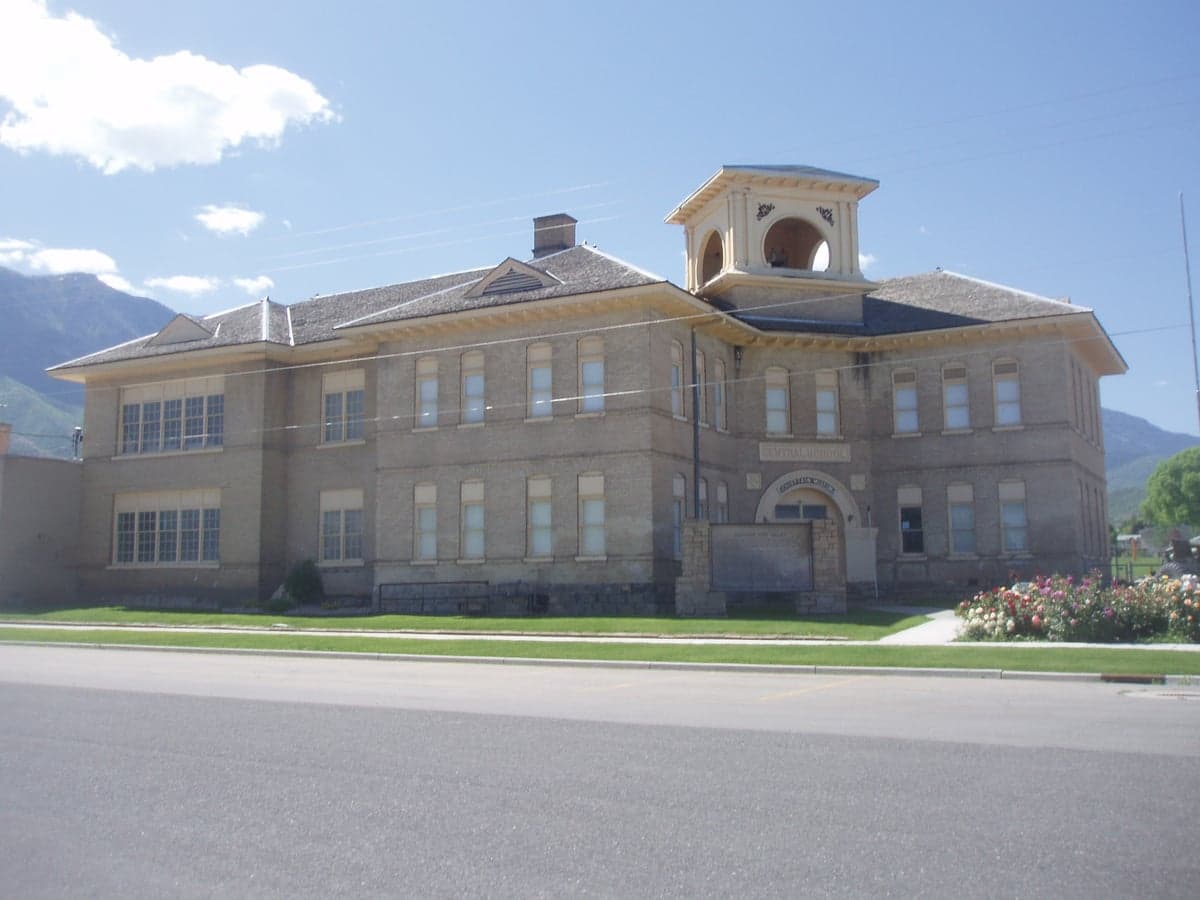
Photo: Wikipedia
Personal Sovereignty in Santaquin, UT
Viable for self-reliance. Generally workable, though some barriers may limit total independence.
What does Personal Sovereignty tell us?
Personal Sovereignty measures your capacity for self-reliance and independence with minimal government friction. Higher scores mean fewer barriers between you and the way you want to live... but it assumes you have the space you need and good neighbors.
What does this tell us?
Personal Sovereignty measures your capacity for self-reliance and independence with minimal government friction. Higher scores mean fewer barriers between you and the way you want to live... but it assumes you have the space you need and good neighbors.
State Policy
Energy independence: Net exporter (108% of energy produced in-state)
Personal Liberty
Homesteading

Personal Liberty Analysis
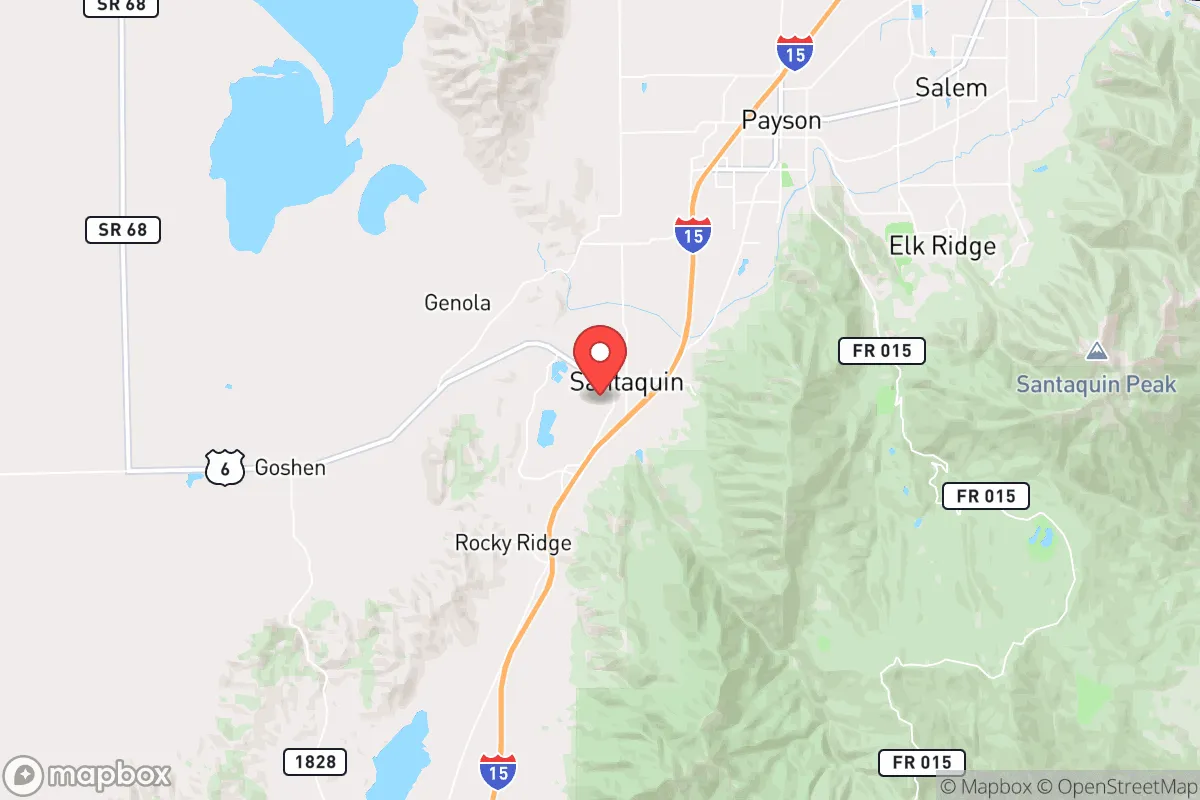
Santaquin, Utah, offers a personal sovereignty environment that is among the strongest in the nation, driven by a state-level commitment to limited government, low taxation, and broad individual liberties. Located in Utah County at the southern end of the Wasatch Front, the city benefits from a regulatory culture that prioritizes local control and personal responsibility, making it a compelling option for those who value autonomy in their daily lives. The combination of a conservative political climate, permissive gun laws, and a landscape that supports self-reliance creates a foundation where residents can exercise significant control over their property, finances, and family decisions.
Tax burden and regulatory posture in Santaquin
Utah’s overall tax burden is among the lowest in the United States, and Santaquin residents directly benefit from this framework. The state levies a flat income tax rate of 4.65% (as of 2025), with no progressive brackets, meaning all earners pay the same percentage. Property taxes in Santaquin are moderate, with the effective rate typically falling between 0.6% and 0.8% of assessed value, depending on the specific school district and municipal levies. This is notably lower than the national average of roughly 1.1%. There is no state-level sales tax on groceries, though prepared food and general goods are taxed at a combined state and local rate of approximately 6.1% to 7.1% in Santaquin. The regulatory environment is light-touch: Utah is a right-to-work state, has no state-level minimum wage above the federal $7.25, and imposes minimal business licensing requirements. Zoning in Santaquin is generally permissive for residential uses, with agricultural and rural zones allowing a wide range of activities without excessive permitting. The city’s planning department is known for straightforward processes, and there is no county-level building code overlay beyond the state’s uniform construction standards. For a resident seeking to minimize government intrusion into financial and property decisions, Santaquin’s tax and regulatory posture is a clear advantage.
Self-defense and gun law specifics in Utah
Utah is a constitutional carry state, meaning that as of 2021, any law-abiding adult 21 or older may carry a concealed firearm without a permit. Santaquin residents enjoy this right fully, with no additional city-level restrictions beyond state law. Open carry is also legal without a permit for individuals 18 and older. The state has a strong preemption law (Utah Code 53-5a-102) that prohibits local governments from enacting their own firearm ordinances, so Santaquin cannot impose magazine capacity limits, assault weapon bans, or waiting periods. Stand-your-ground laws are in effect, with no duty to retreat in any place where a person has a lawful right to be. Use of deadly force is justified if the individual reasonably believes it is necessary to prevent death or serious bodily injury to themselves or another. Utah also has a "castle doctrine" that creates a presumption of reasonable fear of death or great bodily harm if an intruder unlawfully enters a residence. Background checks are only required for purchases from licensed dealers; private sales between individuals are unregulated. For a resident prioritizing self-defense autonomy, Santaquin offers one of the most permissive legal environments in the country, with minimal bureaucratic hurdles to exercising the right to keep and bear arms.
Self-reliance and homesteading viability in Santaquin
Santaquin’s location at the base of the Wasatch Mountains, with a mix of agricultural and residential zoning, makes it a strong candidate for homesteading and self-reliance. The city’s zoning code includes an "Agricultural" (A-1) district that allows for single-family homes on lots as small as one acre, though many properties in the surrounding unincorporated areas of Utah County offer parcels of 5 to 20 acres. Chickens, goats, and other small livestock are permitted in most residential zones with standard setback requirements, and beekeeping is allowed with a simple registration. Off-grid living is feasible but subject to state and county health codes: a private well requires a permit and water rights, and septic systems must meet Utah County standards, which are not overly burdensome. Solar panels are widely used, and net metering is available through Rocky Mountain Power, the local utility. There is no city-level ban on rainwater collection, though Utah law requires a permit for larger cisterns (over 2,500 gallons). The growing season in Santaquin is roughly 150 days, suitable for vegetables, fruit trees, and hay. The city’s water rights are managed through the Central Utah Project, and agricultural water shares are available for purchase. For a family seeking to reduce reliance on external systems, Santaquin provides a realistic path to semi-self-sufficiency without the extreme isolation of more remote areas.
Personal liberties in Santaquin: parental rights, medical autonomy, speech, and property
Utah has a strong legal framework for parental rights, codified in state law (Utah Code 62A-4a-201) that recognizes parents as the primary decision-makers for their children’s education, healthcare, and religious upbringing. Santaquin is part of the Nebo School District, which has a conservative school board that has resisted federal overreach on curriculum and health policies. Parents have the right to opt their children out of any instructional materials or activities they find objectionable. Medical autonomy is broad: Utah does not have a state-level vaccine mandate for adults, and while some employers may require vaccinations, there is no general public health order forcing them. The state passed a law in 2023 (HB 308) prohibiting discrimination based on vaccination status in public accommodations. Regarding speech, Utah is a strong First Amendment state, and Santaquin has no local ordinances restricting signs, leafleting, or public assembly beyond standard time, place, and manner regulations. Property rights are protected by Utah’s strict eminent domain laws, which require a public use finding and just compensation at fair market value. The state also has a "private property rights protection act" that requires government agencies to assess the impact of regulations on property values. For a resident who values personal liberty in family, health, and property decisions, Santaquin’s legal environment is consistently supportive of individual choice over government mandate.
Overall, Santaquin offers a personal sovereignty profile that ranks among the most favorable in the Intermountain West. The combination of low taxes, permissive gun laws, viable homesteading options, and strong protections for parental and property rights creates an environment where residents can live with minimal government interference. Compared to areas like Portland, Oregon, or Denver, Colorado, where regulatory burdens are higher and personal liberties more constrained, Santaquin provides a clear alternative for those prioritizing autonomy. For a single individual or family seeking a community that respects self-reliance and individual decision-making, Santaquin represents a strategic choice that balances access to urban amenities with a genuinely free-market, limited-government ethos.

* Values derived from national, state, county, city and local statistics and may differ in a specific area. Last updated: 2026-11-06T03:22:22.000Z
Narrative content on this page is AI-generated and may contain mistakes. Verify any details that matter before acting on them.
ReloMaps may earn a commission from affiliate links at no extra cost to you.

