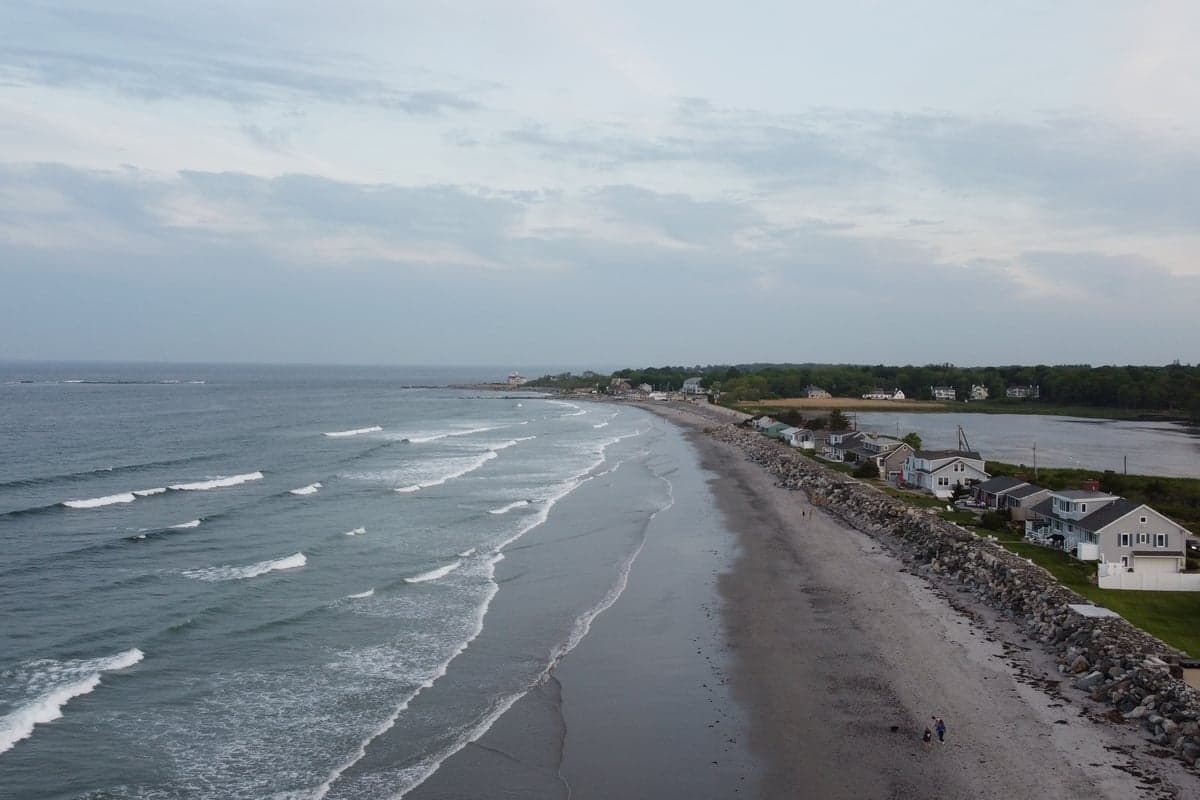
Photo: Wikipedia
Strategic Assessment of Rye, NH
Multiple tactical vulnerabilities. Population density, target proximity, or disaster risk are likely compounding. A retreat property and exit planning is required.
What does the Strategic Assessment tell us?
Our Strategic Assessment grades tactical survivability of an area. Major population centers, military targets, fallout zones, natural disasters, and border exposure all drive risk — lower exposure means a more defensible position in a crisis.
This is heavily inspired by Joel Skousen's Strategic Relocation book. Highly recommended you checkout the book ($)What does this tell us?
Our Strategic Assessment grades tactical survivability of an area. Major population centers, military targets, fallout zones, natural disasters, and border exposure all drive risk — lower exposure means a more defensible position in a crisis.
This is heavily inspired by Joel Skousen's Strategic Relocation book. Highly recommended you checkout the book ($)Strategic Pillars
Key Distances
Regional Safe Places
Below is our recommended "safe zones" in New Hampshire and the surrounding area based on our strategic heuristics. For most people, it's unrealistic to live in a “safe zone” full-time due to work, family or other personal reasons. They tend to be more rural. However, many of these areas are perfect for second homes and retreat properties that double as a vacation home or even a short-term rental.
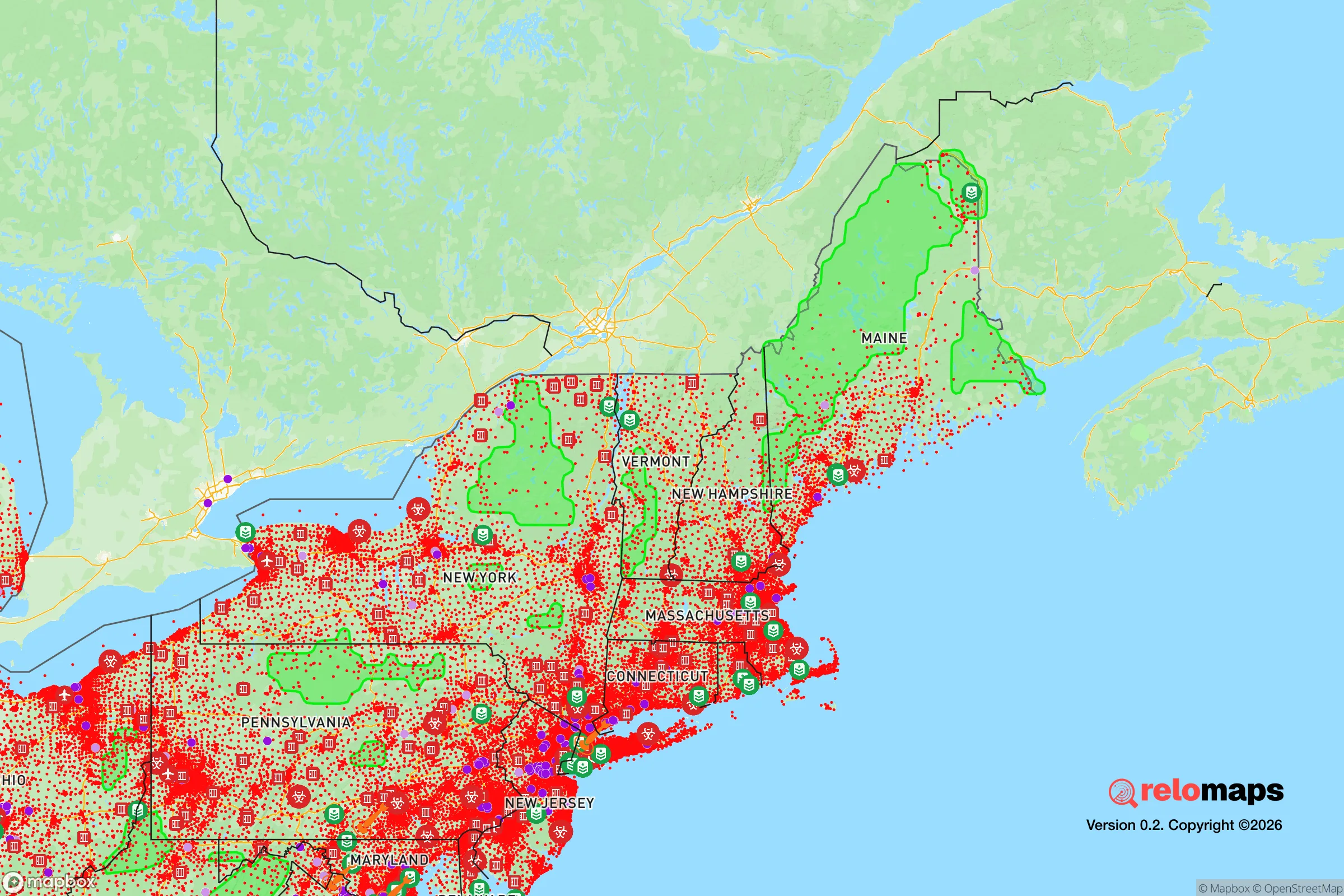
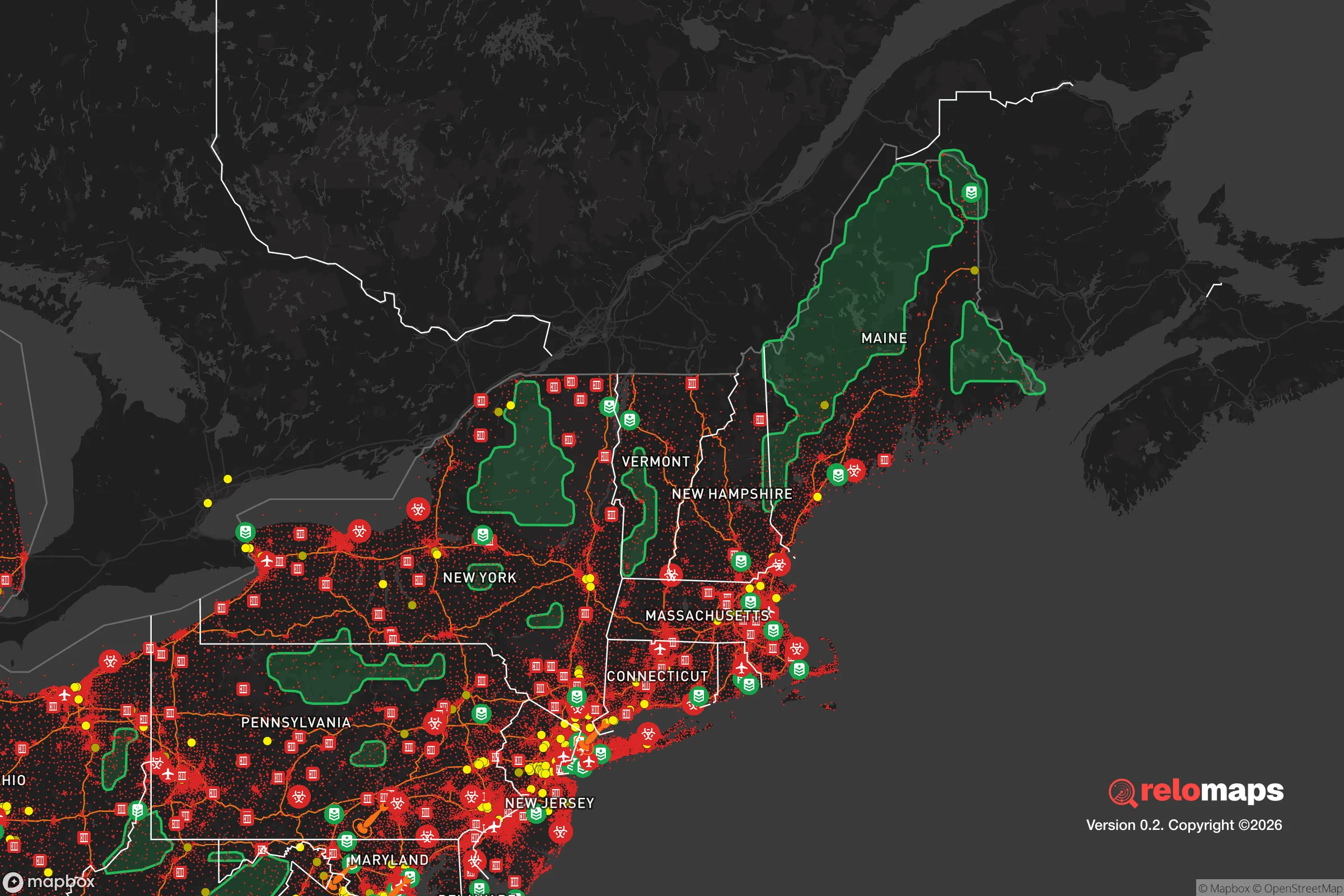


Important Note: For informational purposes only. This does not mean nothing bad ever happens in the green zones. Please use common sense. This is based on public data and modeled with AI. We tried to take a conservative approach but mistakes happen. We update this regularly as new information becomes available.
Solar Generator Recommendations
Backup power matters more here than in safer locations. We've picked three solar generators across budgets and capacity tiers — start with the budget unit if you only need a few essentials, or step up if you want to run a fridge and HVAC for days at a time.
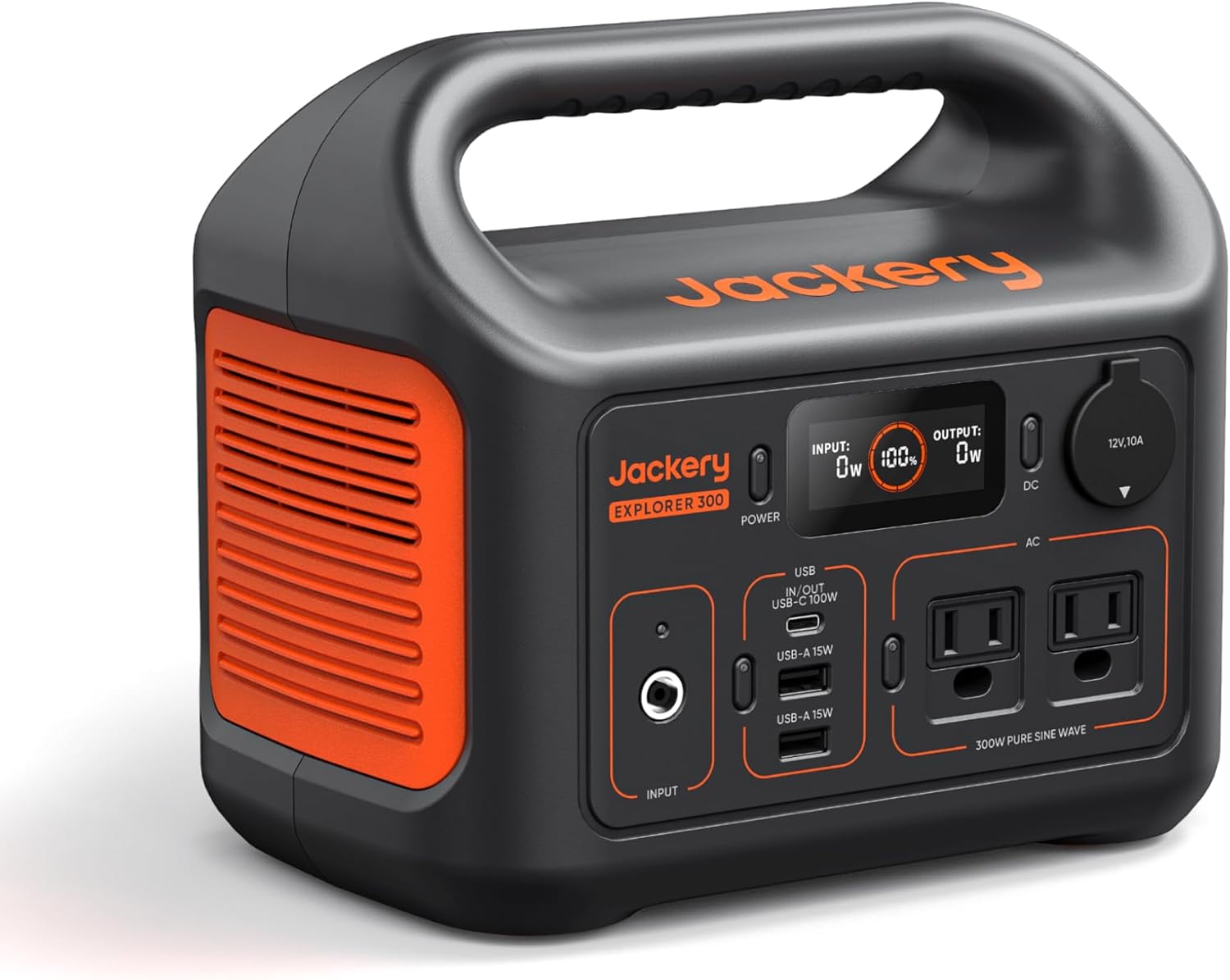
Jackery Portable Power Station Explorer 300
Budget OptionPower on the Go: Weighing only 11 lbs, it's convenient to set up and store with book-sized foldable solar panels

BLUETTI Portable Power Station AC180
Designed for both indoor and outdoor scenarios, AC180 is highly capable as it has a robost capacity and continuous output power.

EF ECOFLOW DELTA Pro Ultra Power Station
Upgraded PickEcoFlow DELTA Pro Ultra is a whole-home energy system designed to grow with your family. Integrated with the Smart Home Panel 2, it scales to meet your evolving energy needs — keeping your home powered, intelligent, and secure through every stage of life.
We earn a commission, at no additional cost to you.
Strategic Assessment Analysis
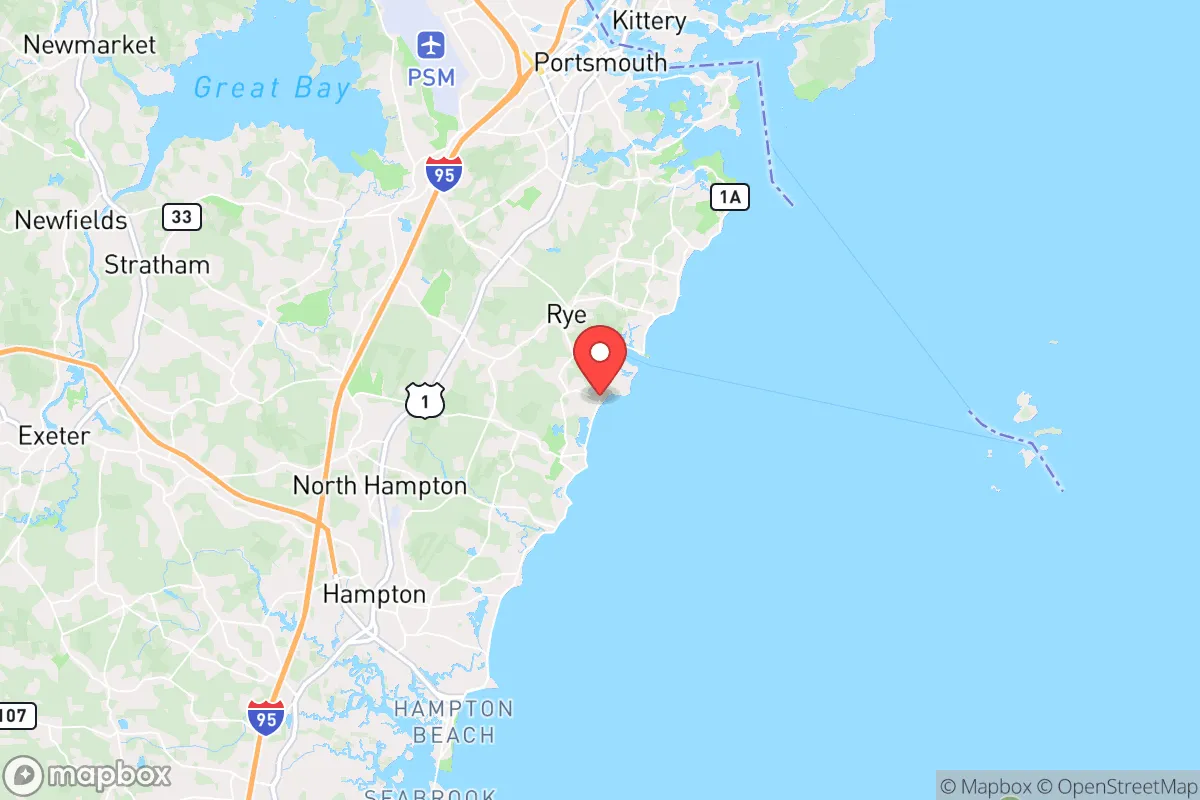
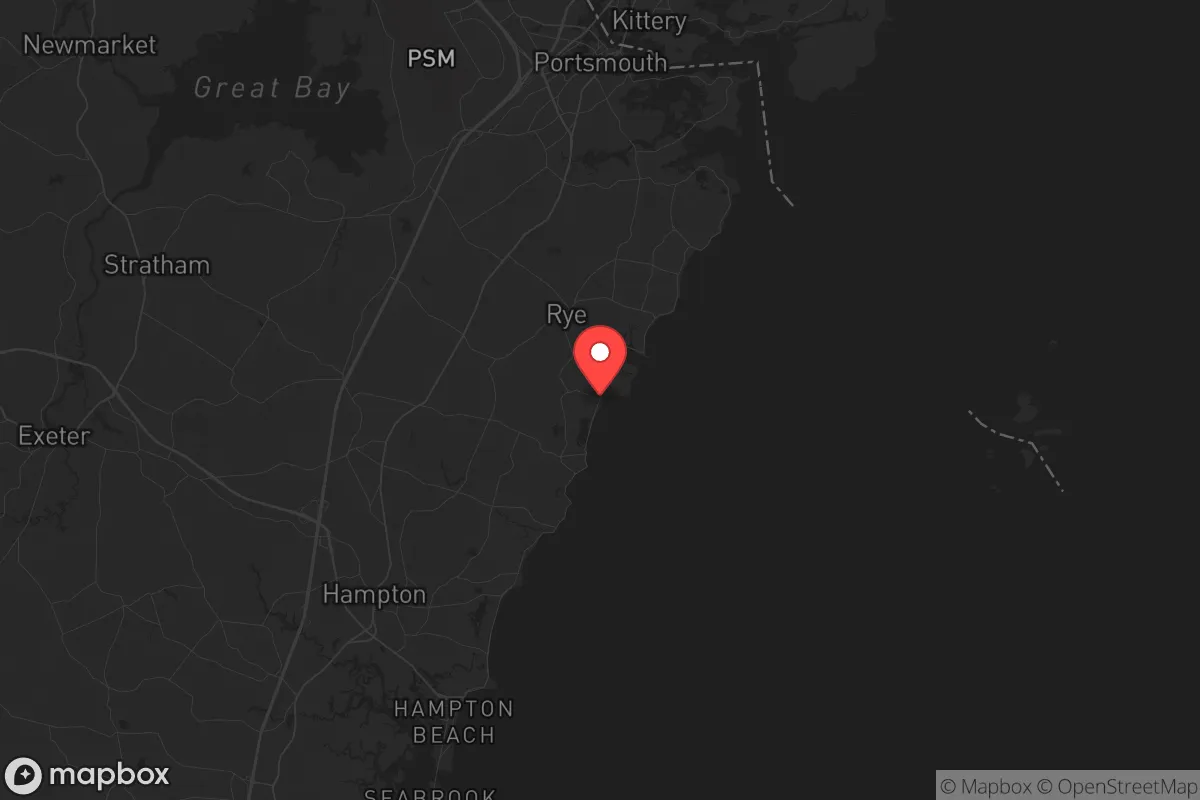
Rye, New Hampshire, is a small coastal town of roughly 5,500 residents that punches well above its weight as a strategic relocation option for anyone serious about resilience and self-sufficiency. Its position on the Atlantic seaboard, roughly 10 miles south of Portsmouth and 60 miles north of Boston, places it in a unique sweet spot: close enough to urban infrastructure for supply chains and medical care, yet far enough from the densest population centers to avoid the worst of a regional crisis. The town’s combination of ocean access, working waterfront, and rural New England character makes it a defensible, resource-rich base for a household that wants to be prepared without living off-grid in the woods.
Geographic position and natural advantages for long-term resilience
Rye’s geography is its primary strategic asset. The town sits on a peninsula-like jut of land bordered by the Atlantic Ocean to the east and south, with the Piscataqua River and Portsmouth Harbor forming its western boundary. This natural water barrier limits approach routes by land, a meaningful defensive consideration if you are thinking about civil unrest or supply chain disruptions. The coastline itself is roughly 10 miles of rocky shore, salt marshes, and sandy beaches, including Odiorne Point State Park, which offers over 300 acres of protected open space. That park is not just recreation—it is a buffer zone and a potential source of wild game, edible plants, and firewood in a prolonged emergency.
The town’s elevation is modest, generally 10 to 50 feet above sea level, but the rocky substrate drains quickly, and there are no major floodplains inland. Unlike many coastal New England towns, Rye does not sit on a barrier island or low-lying delta, so the risk of catastrophic storm surge is localized to the immediate shoreline rather than the town as a whole. The climate is a genuine four-season environment: cold, snowy winters that naturally slow outside threats, and mild summers with low humidity. For a relocator, that means you need serious heating and winterization capability, but it also means food storage is easier—a root cellar or unheated garage can serve as a natural refrigerator for much of the year.
Water is the standout natural advantage. Rye sits atop the bedrock aquifers of the New Hampshire seacoast, and private wells are common throughout the town. Municipal water is available in the denser village areas, but a property with its own well gives you an independent, gravity-fed water source that does not depend on the grid or a treatment plant. The ocean is right there for saltwater use—fishing, flushing, and, with a desalination unit, drinking—though you should plan for a freshwater backup regardless. The nearby Great Bay estuary, about 15 minutes inland, offers additional fishing and shellfish grounds, though you will want to check local contamination advisories after major storms.
Risk exposure and proximity to fallout-relevant landmarks
No honest resilience assessment can ignore Rye’s proximity to significant man-made risks. The most glaring is the Seabrook Nuclear Power Station, located just 6 miles south of Rye’s town line in Seabrook, New Hampshire. The plant is a single-unit, 1,244-megawatt boiling water reactor that has operated since 1990. In a worst-case scenario—a major accident or a targeted attack—Rye sits within the 10-mile emergency planning zone, meaning you would be in the primary plume exposure area for airborne radioactive material. The prevailing winds on the seacoast are from the northwest in winter and southwest in summer, which puts Rye downwind of Seabrook a significant portion of the year. This is not a reason to write off the town, but it is a factor that demands a real plan: potassium iodide supplies, a sealed room protocol, and a pre-planned evacuation route north or west.
Beyond Seabrook, Rye’s proximity to the Boston metropolitan area is a double-edged sword. Boston is a primary target for any adversary looking to cripple the U.S. Northeast—its port, financial district, and Logan Airport are all high-value assets. A nuclear detonation in Boston, roughly 60 miles southwest, would not directly affect Rye with blast or thermal effects, but fallout could drift northeast depending on wind. The more immediate concern is the cascading collapse of the region’s supply chains: Boston is the distribution hub for food, fuel, and medical supplies for all of New England. If Boston is disrupted, Rye’s local stores will empty within days, and the town’s reliance on imported goods becomes a vulnerability. The Portsmouth Naval Shipyard, located on Seavey Island just across the Piscataqua River from Rye, is another potential target—it is one of the Navy’s primary submarine repair facilities, and its loss would be a strategic blow to the U.S. Pacific fleet, making it a plausible military objective.
Natural risks are more manageable but still real. The seacoast is in a moderate hurricane zone; the 1938 Great New England Hurricane and 1991’s Perfect Storm both caused significant coastal damage in Rye. Storm surge from a Category 3 or higher would inundate low-lying areas like Wallis Sands and Jenness Beach, but the town’s interior, including the Rye Center and North Rye areas, sits high enough to stay dry. Winter nor’easters are a more frequent nuisance, bringing coastal erosion, power outages, and road closures. The town’s tree canopy is dense, and ice storms routinely knock out power for days—you should assume a minimum of one multi-day outage per winter and plan accordingly.
Practical resilience for a relocator: food, water, energy, and defensibility
For a household that wants to be genuinely self-sufficient, Rye offers a workable but not effortless path. The growing season is short—roughly 120 days between the last and first frost—but the coastal microclimate moderates temperatures, and you can extend it with cold frames and hoop houses. The town has a strong local food network: the Rye Farmers Market runs seasonally, and nearby Seacoast Growers Association connects you to farms like Brookford Farm in Rollinsford and Heron Pond Farm in South Hampton, both within a 30-minute drive. For long-term storage, you will want to can, freeze, and dry your own produce, as the local soil is sandy and acidic—good for root crops like potatoes and carrots, but you will need to amend it heavily for most vegetables. Hunting and fishing are viable supplements: deer are abundant in the town’s wooded areas, and the Atlantic offers striped bass, bluefish, and mackerel seasonally. You will need a New Hampshire hunting license and to be aware of the town’s discharge ordinances—Rye is a residential community, and firing a rifle on your property is not realistic; a bow or crossbow is the practical option.
Energy independence is achievable but requires upfront investment. The town is served by Unitil for electricity, and outages are common enough that many residents already own generators. Solar is a strong option—Rye gets about 200 sunny days per year, and New Hampshire’s net metering policy allows you to offset your usage, but you will still need battery storage to be truly islanded from the grid. A wood stove or pellet stove is almost mandatory for winter heating resilience; the town allows wood burning, and firewood is readily available from local suppliers like Seacoast Firewood in nearby North Hampton. Propane is the most practical backup for cooking and hot water, and you should size your tank for at least a month of use. For defensibility, Rye’s layout works in your favor: the town is a collection of small neighborhoods connected by a few main roads—Route 1A along the coast and Route 1 inland—which means choke points are easy to establish if you are thinking about community defense. The town’s police force is small, about 15 officers, and the nearest state police barracks is in Greenland, so in a prolonged crisis you should not rely on outside help; a neighborhood watch or mutual aid group is a realistic and prudent step.
The overall strategic picture for Rye is one of qualified strength. You get the defensive advantages of a coastal peninsula, a reliable freshwater aquifer, a working waterfront, and a community that is small enough to know your neighbors but connected enough to access regional resources. The trade-offs are real: the shadow of Seabrook, the supply-chain dependence on Boston, and the winter weather all demand preparation rather than complacency. For a single individual or family willing to invest in a well, solar, a wood stove, and a serious food storage program, Rye is a defensible, livable base that balances access to civilization with the ability to withdraw from it when necessary. It is not a bug-out bunker in the mountains—it is a strategic coastal outpost that rewards planning and punishes neglect.

* Values derived from national, state, county, city and local statistics and may differ in a specific area. Last updated: 2026-10-16T02:09:36.000Z
Narrative content on this page is AI-generated and may contain mistakes. Verify any details that matter before acting on them.
ReloMaps may earn a commission from affiliate links at no extra cost to you.

