
Photo: Wikipedia
Quality of Life in Rye, NH
A high quality of life with strong walkability, manageable living costs, healthy neighborhood signals, and solid amenity access.
What does Quality of Life tell us?
Quality of Life blends cost of living, nearby amenities, socioeconomic signals, and neighborhood character. City-level scores represent the whole municipality; individual neighborhoods can differ.
What does this tell us?
Quality of Life blends cost of living, nearby amenities, socioeconomic signals, and neighborhood character. City-level scores represent the whole municipality; individual neighborhoods can differ.
Cost of Living
83% above national average
The Real Cost of Living in Rye, NH for 2026
| Tier | Individual | Family (4) |
|---|---|---|
| Survival | $28k | $53k |
| Comfortable | $124k | $183k |
| Luxury | $191k+ | $296k+ |
| Elite (Top 5%) | $232k+ | $360k+ |
58%
The Area Signal
A metric tracking the socioeconomic signals of the area.
Hobbies
Explore the areaGroceries
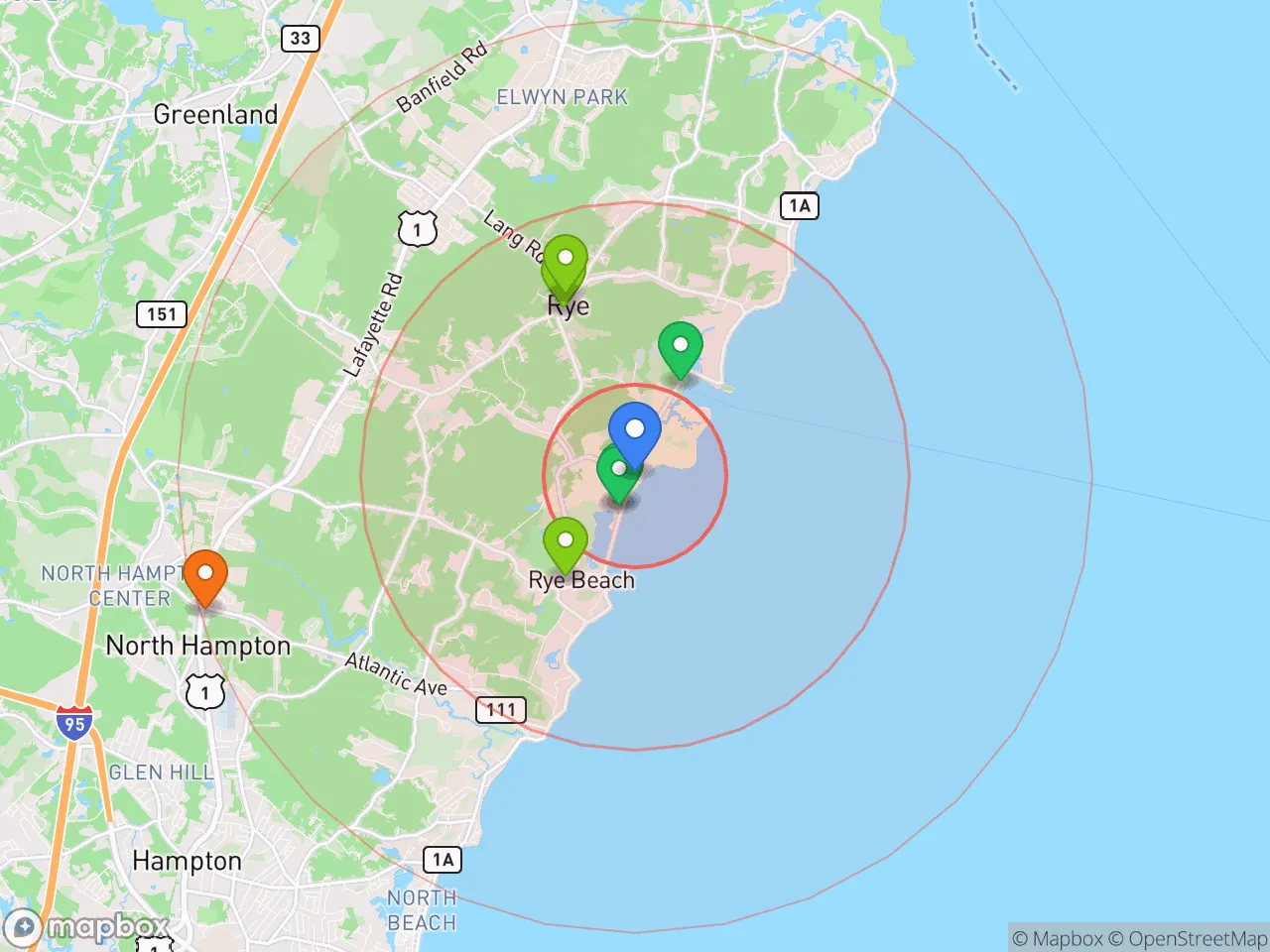
0 within 10 miles
Gas
0 within 10 miles
Hospital
0 within 20 miles
Airport
PDX — Portland International Jetport
Post Office
Critical Amenities
Quality-of-Life Analysis
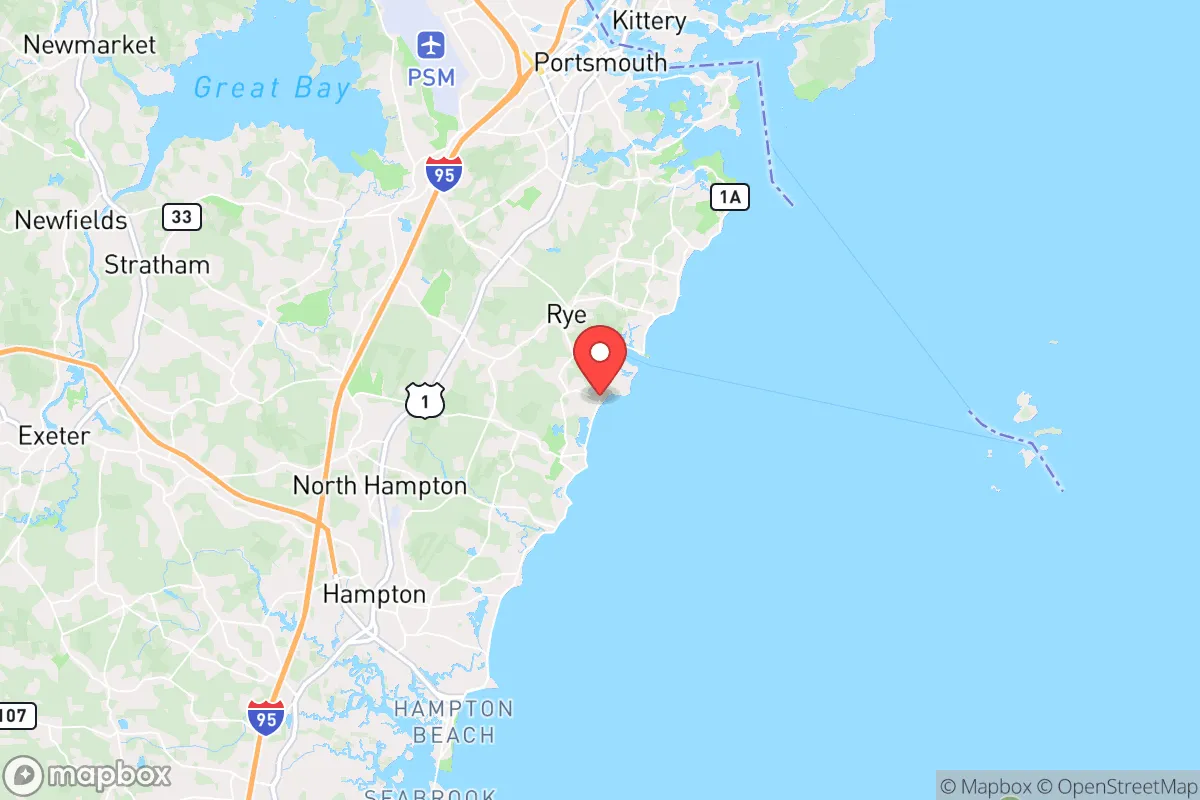
Rye, New Hampshire, is one of the Seacoast’s most affluent communities, with a cost of living index of 183 — 83% above the U.S. average — that places it in the same bracket as Boston’s western suburbs. The town of roughly 5,500 residents is dominated by established professionals, executives, and second-home owners drawn to its 6 miles of Atlantic coastline, including the iconic sandy stretch at Jenness Beach and the rocky ledges of Odiorne Point State Park. This is a community where the median home value of $640,600 and a median household income well above the state average signal a demographic of lawyers, physicians, tech entrepreneurs, and commuters who prioritize coastal access and top-tier schools over urban convenience.
Housing costs and affordability compared to Portsmouth and the Seacoast
Rye’s housing market sits at the premium end of the New Hampshire Seacoast, but it is not the most expensive in the region. The median home value of $640,600 runs roughly 15% higher than nearby Portsmouth (about $555,000) but trails the most exclusive coastal enclaves like New Castle, where median values frequently exceed $1.2 million. For renters, the median rent of $1,778 is surprisingly moderate for the area — only slightly above the national median of $1,650 — though rental inventory is scarce, with most units being single-family homes or in-law apartments rather than purpose-built complexes. The affordability gap is stark: at the current median income, a buyer needs roughly $160,000 in annual earnings to comfortably carry a mortgage on the median-priced home, which effectively prices out teachers, retail workers, and young renters. Compared to Massachusetts’ North Shore communities like Newburyport (median home value ~$720,000) or Rye’s own property tax rate of $12.84 per $1,000 of assessed value, the town offers relative value for affluent buyers but remains one of the least accessible housing markets in New Hampshire for first-time purchasers.
Schools, amenities, and the rhythm of daily life
Daily life in Rye revolves around a tight-knit, outdoors-oriented schedule that shifts with the tides and the school calendar. The Rye School District, which operates Rye Elementary School (K-5) and Rye Junior High School (6-8), consistently ranks among the top 10 districts in New Hampshire by standardized test scores, and most students feed into Portsmouth High School or the regional Seacoast School of Technology. The town’s amenity base is deliberately small — there is no downtown strip, no traffic light, and only a handful of commercial nodes, including the Rye Village Center with its post office, a seasonal farm stand, and the landmark Rye Public Library. Instead, the rhythm is set by the beaches: summer brings lifeguard-staffed swimming at Wallis Sands State Beach and the family-oriented Jenness Beach, while fall and winter shift to coastal walks at Odiorne Point, birdwatching at the Seacoast Science Center, and cross-country skiing on the town’s conservation trails. For groceries, dining, and medical care, residents drive 10–15 minutes into Portsmouth or North Hampton, and the average commute of 22 minutes reflects a workforce split between Portsmouth employers (like the Portsmouth Naval Shipyard across the Piscataqua River in Kittery, Maine) and remote or hybrid roles for Boston-based companies. The town’s recreation department runs youth soccer, lacrosse, and sailing programs, and the Rye Beach Village District manages the seasonal commercial cluster near the water, which includes the popular Rye Harbor Lobster Pound and a handful of surf shops.
Rye is best suited for affluent families, empty-nesters, and remote workers who value coastal solitude, exceptional public schools, and a 20-minute drive to urban amenities over the walkability and nightlife of a city center. It is not a place for budget-conscious renters or those seeking a vibrant downtown — the trade-off is quiet, safety, and natural beauty, with property values that have appreciated steadily at roughly 6–8% annually since 2020. For buyers who can clear the financial bar, Rye offers a quality of life that is hard to match anywhere else on the New England coast.

Crime in Rye, NH
Lower crime rates than 82% of comparable U.S. locations.
Violent CrimeViolent Crime Analysis
Property CrimeProperty Crime Analysis
Crime Analysis
Rye, New Hampshire, is a statistically safe coastal community, with violent crime rates roughly a third of the national average and property crime figures that track closely with the rest of Rockingham County. The town's 2024 reported violent crime rate of 118.4 per 100,000 residents and property crime rate of 825.7 per 100,000 place it well within the safest quartile of New England municipalities, though seasonal tourism and its proximity to Portsmouth introduce some predictable fluctuations.
Crime in context
Rye's violent crime rate of 118.4 per 100,000 is dramatically lower than the national average of approximately 380 per 100,000, and it also undercuts the New Hampshire statewide figure of roughly 200 per 100,000. Property crime in Rye, at 825.7 per 100,000, sits slightly below the national average of about 1,950 per 100,000 and is comparable to neighboring towns like North Hampton and Greenland. The town benefits from being part of Rockingham County, which consistently posts some of the lowest crime statistics in the state, aided by well-funded local police departments and a relatively affluent, year-round residential base.
What residents experience
In practice, Rye residents are far more likely to encounter nuisance-level issues than serious violence. The most common calls to the Rye Police Department involve motor vehicle accidents on Route 1A, bicycle thefts from beach access points, and occasional vandalism during the summer months. Domestic disputes and alcohol-related incidents spike modestly during tourist season, but aggravated assaults and robberies are rare — typically fewer than five per year townwide. Property crime is dominated by unlocked vehicle entries and package thefts, a pattern consistent with affluent bedroom communities across the Seacoast region. Residents should note that the town has no full-time detective bureau; major investigations are referred to the New Hampshire State Police Major Crimes Unit, which can add time to case resolution.
Neighborhood-level variation
Crime in Rye is not evenly distributed. The densest cluster of incidents occurs in the Rye Beach and Jenness Beach areas, where seasonal rentals and public parking attract opportunistic theft, particularly between Memorial Day and Labor Day. The inland residential neighborhoods west of Route 1 — including the Breakfast Hill and Lang Road areas — report almost no violent crime and only sporadic property incidents. The town's year-round population of roughly 5,500 swells to over 15,000 on peak summer weekends, and that 3x population swing is the single most reliable predictor of crime volume. For families weighing a move, the practical takeaway is that Rye's safety record is excellent by any national standard, with the only meaningful caveat being the seasonal uptick in property crimes near the shoreline.
* Values derived from national, state, county, city and local statistics and may differ in a specific area. Last updated: 2026-10-16T02:09:36.000Z
Narrative content on this page is AI-generated and may contain mistakes. Verify any details that matter before acting on them.
ReloMaps may earn a commission from affiliate links at no extra cost to you.

