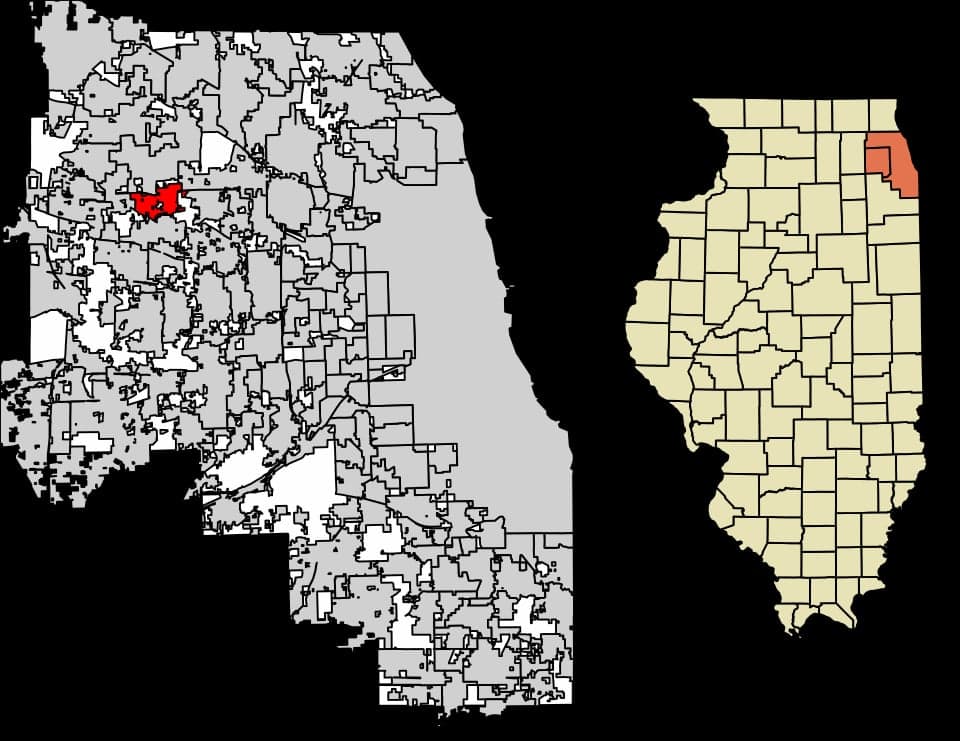
Photo: Wikipedia
Quality of Life in Roselle, IL
A high quality of life with strong walkability, manageable living costs, healthy neighborhood signals, and solid amenity access.
What does Quality of Life tell us?
Quality of Life blends cost of living, nearby amenities, socioeconomic signals, and neighborhood character. City-level scores represent the whole municipality; individual neighborhoods can differ.
What does this tell us?
Quality of Life blends cost of living, nearby amenities, socioeconomic signals, and neighborhood character. City-level scores represent the whole municipality; individual neighborhoods can differ.
Cost of Living
22% above national average
The Real Cost of Living in Roselle, IL for 2026
| Tier | Individual | Family (4) |
|---|---|---|
| Survival | $24k | $45k |
| Comfortable | $62k | $91k |
| Luxury | $155k+ | $240k+ |
| Elite (Top 5%) | $182k+ | $283k+ |
120%
The Area Signal
A metric tracking the socioeconomic signals of the area.
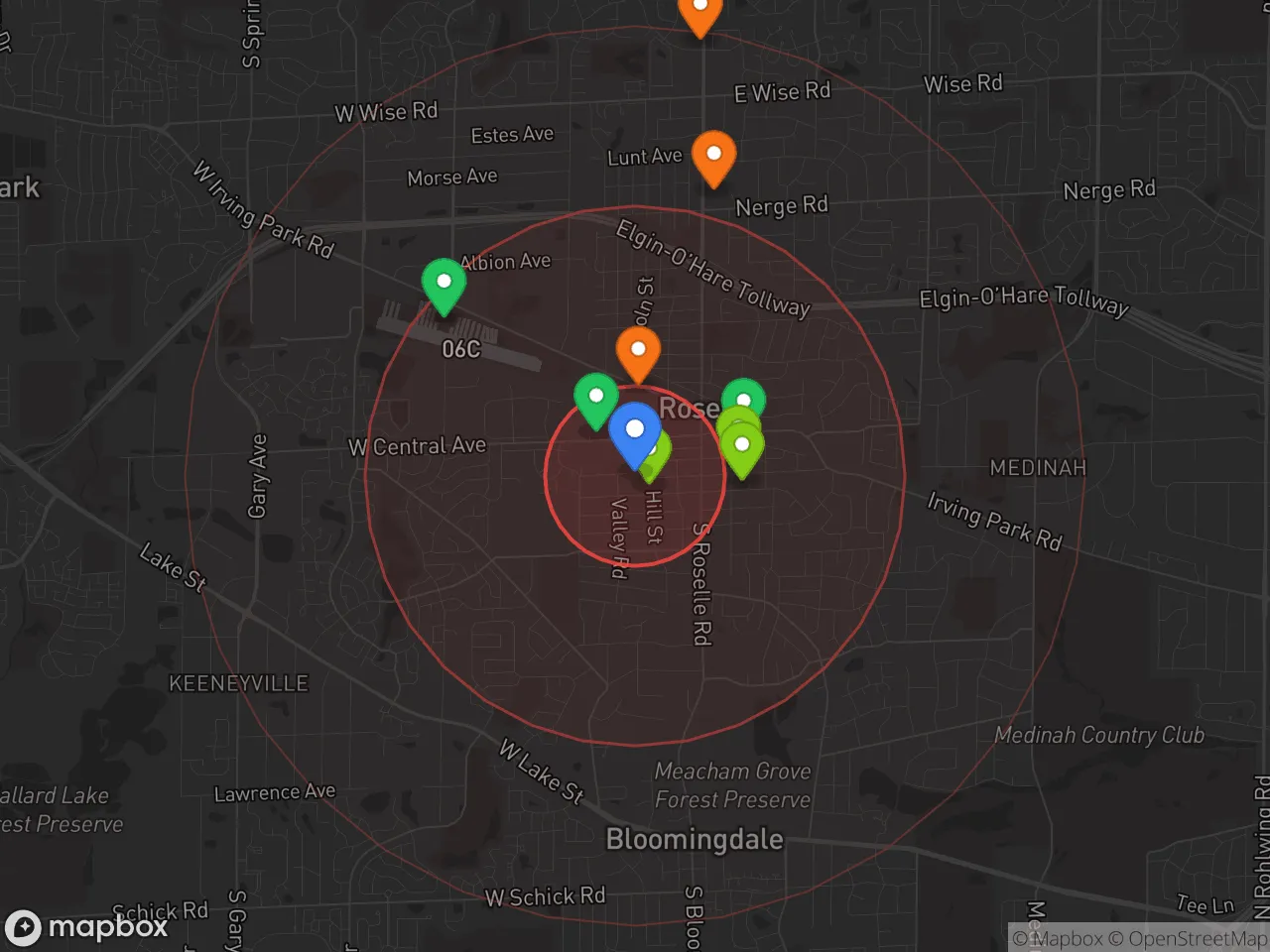
Hobbies
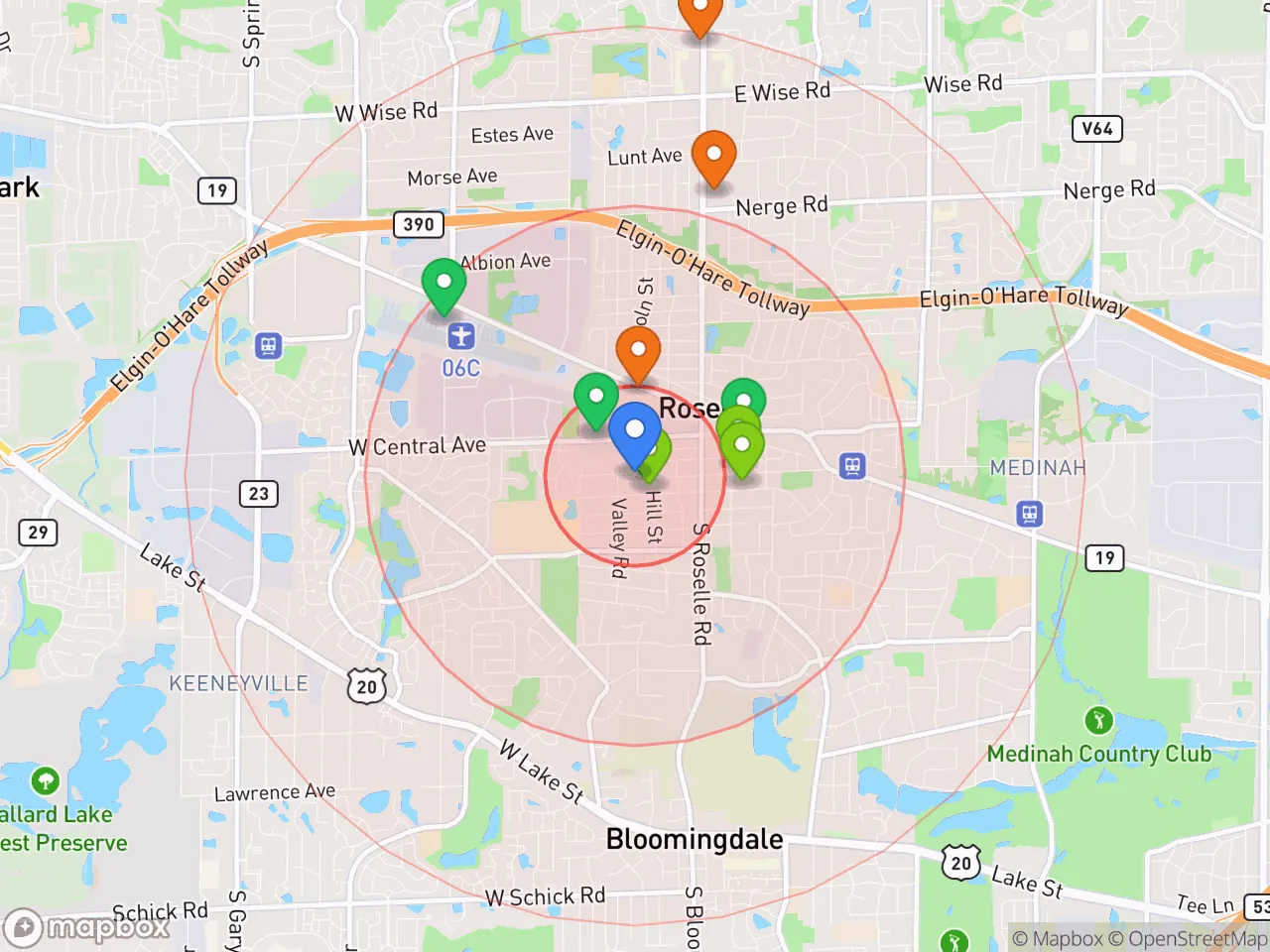
Explore the areaGroceries
0 within 10 miles
Gas
0 within 10 miles
Hospital
0 within 20 miles
Airport
ORD — O'Hare International
Post Office
Critical Amenities
Quality-of-Life Analysis
Roselle, Illinois, is an affluent western suburb of Chicago with a cost of living index of 122, significantly above the national average of 100, reflecting its desirability among professionals and families seeking a balanced suburban lifestyle. The community is characterized by a mix of long-term homeowners and newcomers drawn by strong schools, low crime rates, and convenient access to the city. With a median home value of $318,000 and a median rent of $1,496, Roselle offers a more attainable entry point than pricier neighbors like Schaumburg or Bloomingdale, while still delivering a high quality of life.
Cost of living, housing, and affordability compared to nearby suburbs
Roselle's cost of living index of 122 means everyday expenses—from groceries to utilities—run about 22% higher than the U.S. average, though this is typical for Chicago's western suburbs. The median home value of $318,000 is notably lower than in adjacent Schaumburg ($350,000+) or Itasca ($380,000+), making Roselle a relative value for buyers. Renters face a median of $1,496, which is competitive with nearby Elk Grove Village ($1,550) and cheaper than downtown-focused suburbs like Wheaton ($1,700+). Property taxes in DuPage County average around 2.1% of assessed value, a factor that adds to monthly housing costs but is offset by the area's strong school funding. The average commute of 29.2 minutes is slightly below the Chicago metro average of 33 minutes, aided by Roselle's proximity to Metra's Milwaukee District West Line and I-290, making it feasible for workers commuting to the Loop or O'Hare.
What daily life is like for families: amenities, schools, and local rhythm
Daily life in Roselle revolves around its well-regarded School District 12 (Lake Park High School) and Medinah School District 11, both of which consistently earn above-average ratings on GreatSchools. The village's 10 parks, including the 30-acre Roselle Park District's Lake Park, offer walking trails, sports fields, and seasonal events like the Roselle Summer Concert Series. Retail and dining cluster along Irving Park Road and Lake Street, with staples like the Roselle Commons shopping center and local favorites such as Roselle Pizza and Pita Inn. The town's rhythm is quiet and family-oriented: weekends see youth soccer games at Turner Park, farmers markets at the Roselle History Museum, and commuters catching the 6:45 AM Metra train. For broader amenities, residents drive 10 minutes to Woodfield Mall in Schaumburg or 15 minutes to the Morton Arboretum in Lisle.
Roselle is best suited for families and professionals who prioritize strong public schools, low crime rates (violent crime is 60% below the national average), and a suburban pace with solid transit links. Empty-nesters and retirees also find appeal in the village's quiet neighborhoods and proximity to medical facilities like Alexian Brothers Medical Center in Elk Grove Village. Singles or young professionals may find the social scene limited compared to downtown suburbs like Naperville, but the 29-minute commute to Chicago makes it a viable bedroom community. Overall, Roselle offers a stable, well-resourced environment for those willing to pay a premium for safety, schools, and space.

Crime in Roselle, IL
Lower crime rates than 98% of comparable U.S. locations.
Violent CrimeViolent Crime Analysis
Property CrimeProperty Crime Analysis
Crime Analysis
Roselle, Illinois, reports a violent crime rate of 43.7 incidents per 100,000 residents and a property crime rate of 153.1 per 100,000, figures that are significantly lower than both the national average and the averages for the Chicago metropolitan area. These numbers place Roselle among the safer suburbs in DuPage County, though residents should remain aware that the village’s proximity to Chicago exposes it to regional crime trends influenced by the broader criminal justice environment. The low rates are a positive indicator, but the surrounding context of a large metro area with progressive prosecutorial policies warrants careful consideration for anyone evaluating long-term safety.
Crime in context
Roselle’s violent crime rate of 43.7 per 100,000 is roughly one-eighth the national average of 380 per 100,000 and well below the Illinois state rate of approximately 440 per 100,000. Property crime in Roselle, at 153.1 per 100,000, is also dramatically lower than the national figure of about 1,950 per 100,000. These statistics reflect a community where serious offenses like homicide, robbery, and aggravated assault are rare events. However, as a suburb within the Chicago metropolitan area, Roselle is not insulated from the effects of regional crime policy. DuPage County has historically maintained a more conservative approach to prosecution compared to Cook County, but the influence of progressive district attorneys in nearby jurisdictions—who often prioritize diversion and reduced sentencing—can lead to increased recidivism and the movement of offenders into surrounding communities. This dynamic means that while Roselle’s numbers are excellent today, they are subject to pressure from the broader metro area’s justice system.
What residents experience
Daily life in Roselle is characterized by a strong sense of security, with most crime being property-related rather than violent. The most common incidents include theft from vehicles, package theft, and occasional burglaries, typically concentrated near the Metra train station and commercial corridors like Irving Park Road. Residents report feeling safe walking in their neighborhoods and using local parks, even in the evening. The village’s police department maintains a visible presence and engages in community policing, which helps sustain trust. That said, the progressive criminal justice policies in Cook County—just a few miles east—have been linked to higher rates of car theft and retail crime across the region, and Roselle has not been entirely immune to these spillover effects. For families and retirees, the low violent crime rate is a major draw, but the potential for property crime to rise in tandem with regional trends is a factor to monitor.
Neighborhood-level variation in Roselle is minimal, with most areas experiencing similarly low crime rates. The southeast quadrant, closer to the border with Bloomingdale and the Roselle Road corridor, sees slightly higher property crime due to commercial activity and easier highway access. The western and northern residential sections, particularly those near Lake Park and the Salt Creek Greenway, report the fewest incidents. Overall, Roselle offers a safe environment that is well above average for the Chicago suburbs, but the long-term outlook depends on whether local and county authorities can maintain their current approach to law enforcement amid the pressures of a progressive metro-area justice system.
* Values derived from national, state, county, city and local statistics and may differ in a specific area. Last updated: 2026-11-27T16:00:46.000Z
Narrative content on this page is AI-generated and may contain mistakes. Verify any details that matter before acting on them.
ReloMaps may earn a commission from affiliate links at no extra cost to you.

