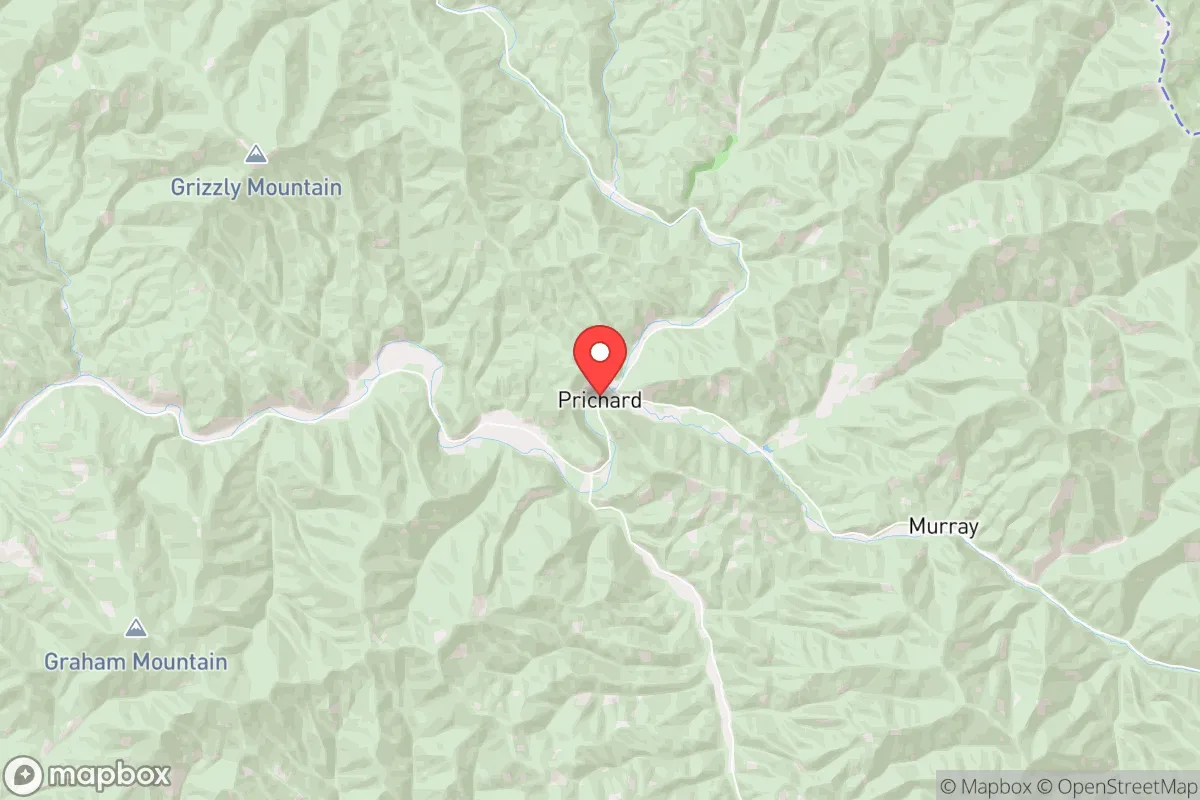
An Unincorporated Community in Shoshone County, Idaho
Find The Best Places To Live
in Prichard
PRO TIP! You can paste a Zillow or Redfin link to get info on that property.
Compare Prichard with another place
What It's Like Living in Prichard, ID
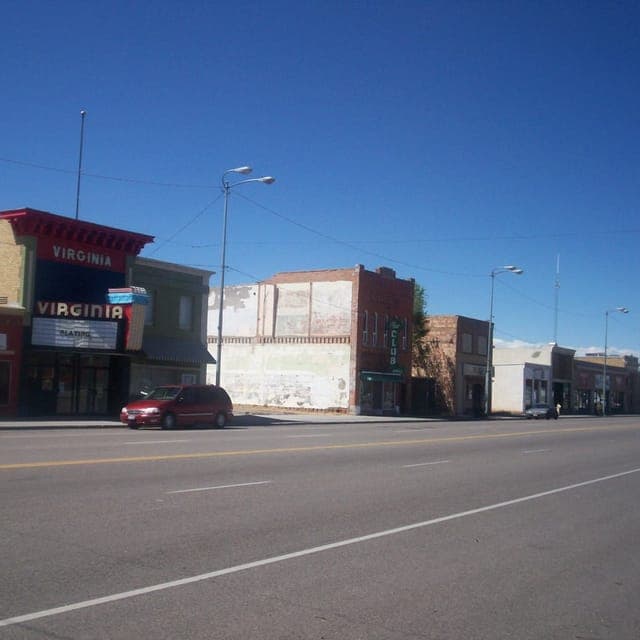
Prichard, Idaho, is the kind of place where the stoplight count is zero and the nearest big-box store is a solid 30-minute drive away. With a population hovering around 4,300, it’s a tight-knit community that feels more like a rural crossroads than a town, where the pace of life is dictated by the seasons and the local diner is the unofficial town hall. If you’re looking for a quiet, affordable slice of the Idaho panhandle where neighbors still wave and the high school football game is the biggest event of the week, Prichard might be your speed.
The Daily Rhythm: Slow, Self-Reliant, and Outdoors-First
Life in Prichard revolves around the land and the clock of the work week. The average commute here is just under 23 minutes, which for a town this rural usually means a drive to jobs in nearby Kellogg, Wallace, or even Coeur d’Alene for those in healthcare, mining, or remote tech work. The median household income sits at $60,483, which goes further here than in most of the country thanks to a cost of living index of 88—12 percent below the national average. That’s the kind of math that lets a family afford a modest home on a single income, and with a median home value of $280,200, first-time buyers aren’t priced out like they are in Boise or Sandpoint.
Weekends are spent on the water or in the woods. The Coeur d’Alene River runs right through the area, and locals spend summer Saturdays floating, fishing for trout, or camping at one of the many Forest Service sites. Winter shifts the rhythm to snowmobiling and ice fishing. There’s no mall, no movie theater, no chain gym—so daily life is built around home projects, outdoor recreation, and community events at the volunteer fire department or the local church. The median age here is 50.3, which tells you this is a place where people come to settle down, not to party. You’ll find more pickup trucks than Priuses, and more potlucks than nightclubs.
Sports, Community, and the Local Identity
High school sports are the heartbeat of Prichard’s social calendar. The local teams—the Prichard Panthers—draw the whole town for Friday night football in the fall and basketball in the winter. It’s not about the level of play; it’s about the community gathering. The gym is packed for rivalry games against Mullan or Wallace, and the booster club’s chili dinner before the game is as much a tradition as the kickoff. There are no pro sports teams within a two-hour drive, so the local kids become the de facto hometown heroes.
The town’s identity is proudly working-class and independent. Only 10 percent of adults hold a college degree, which is well below the national average, but that statistic reflects a culture that values trades, timber, and mining over white-collar credentials. The local bars—places like the Prichard Tavern—are where you’ll hear stories about the old mining days and the year the river flooded Main Street. The biggest annual event is the Prichard River Festival in August, a low-key affair with a barbecue cook-off, live bluegrass, and a rubber duck race on the river. It’s not fancy, but it’s genuine.
What’s There to Do (and What’s Not)
Entertainment in Prichard is mostly self-made. The big draws are the outdoors: the Trail of the Coeur d’Alenes, a paved rail-trail that runs 73 miles through the valley, is a favorite for biking and walking. Hunters come for elk and deer in the fall, and the St. Joe River is a short drive for world-class steelhead fishing. For a night out, most people drive 20 minutes to Kellogg for dinner at a place like the Radio Brewing Company or catch a movie at the historic Roxy Theatre in Wallace. There’s no music venue to speak of, but the local VFW hall hosts the occasional cover band.
On the downside, the isolation can wear on people who crave variety. The nearest Walmart is in Kellogg, and serious shopping means a 45-minute drive to Coeur d’Alene. Restaurants are limited to a handful of diners and bars—there’s no sushi, no Thai, no drive-through coffee stand. The violent crime rate is 219 per 100,000, which is slightly above the national average, but locals will tell you it’s mostly domestic incidents and bar fights, not random street crime. Property crime is the bigger nuisance, so don’t leave your ATV unlocked.
Pros and Cons of Living Here
- Pro: Affordability is the headline. A median home under $300K in a state where the average is pushing $500K is a rare deal, and the low cost of living means your paycheck stretches.
- Con: The job market is thin. Most work is in mining, timber, healthcare, or remote jobs. If you don’t have a job lined up, you’ll likely need to commute.
- Pro: The outdoor access is world-class. You’re minutes from national forest, rivers, and trails that most people only see on vacation.
- Con: Winters are long and gray. Snow can stick from November through March, and the cloud cover can feel oppressive by February.
- Pro: The community is genuine. People look out for each other, and it’s easy to get involved in the fire department, school board, or church.
- Con: Amenities are sparse. No hospital, no urgent care, no gym, no coffee shop. You’ll drive for most services.
Prichard isn’t for everyone. It’s for people who value quiet, space, and self-sufficiency over convenience and nightlife. If you’re the kind of person who likes to know your neighbors, spend weekends on the river, and doesn’t mind a 20-minute drive for groceries, it’s a place where a modest income buys a good life. Just bring a warm coat and a willingness to make your own fun.

Similar small towns to Prichard

* Values derived from national, state, county, city and local statistics and may differ in a specific area. Last updated: 2026-11-18T21:18:25.000Z
Narrative content on this page is AI-generated and may contain mistakes. Verify any details that matter before acting on them.
ReloMaps may earn a commission from affiliate links at no extra cost to you.

