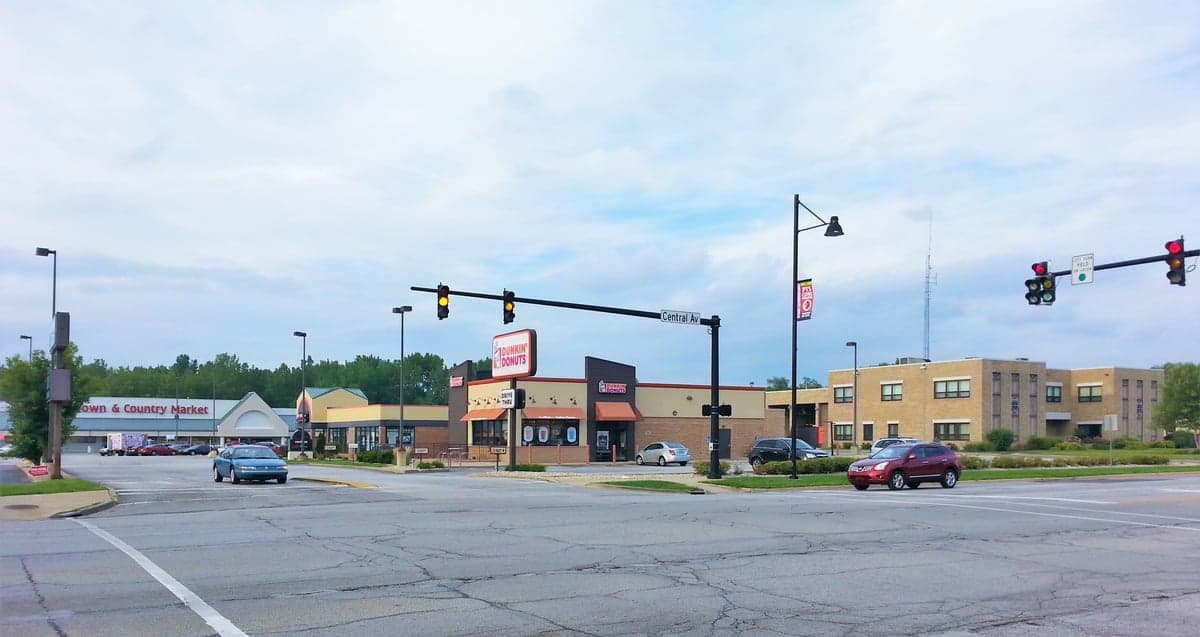
Photo: Wikipedia
Political ClimatePolitical Climate in Portage, IN
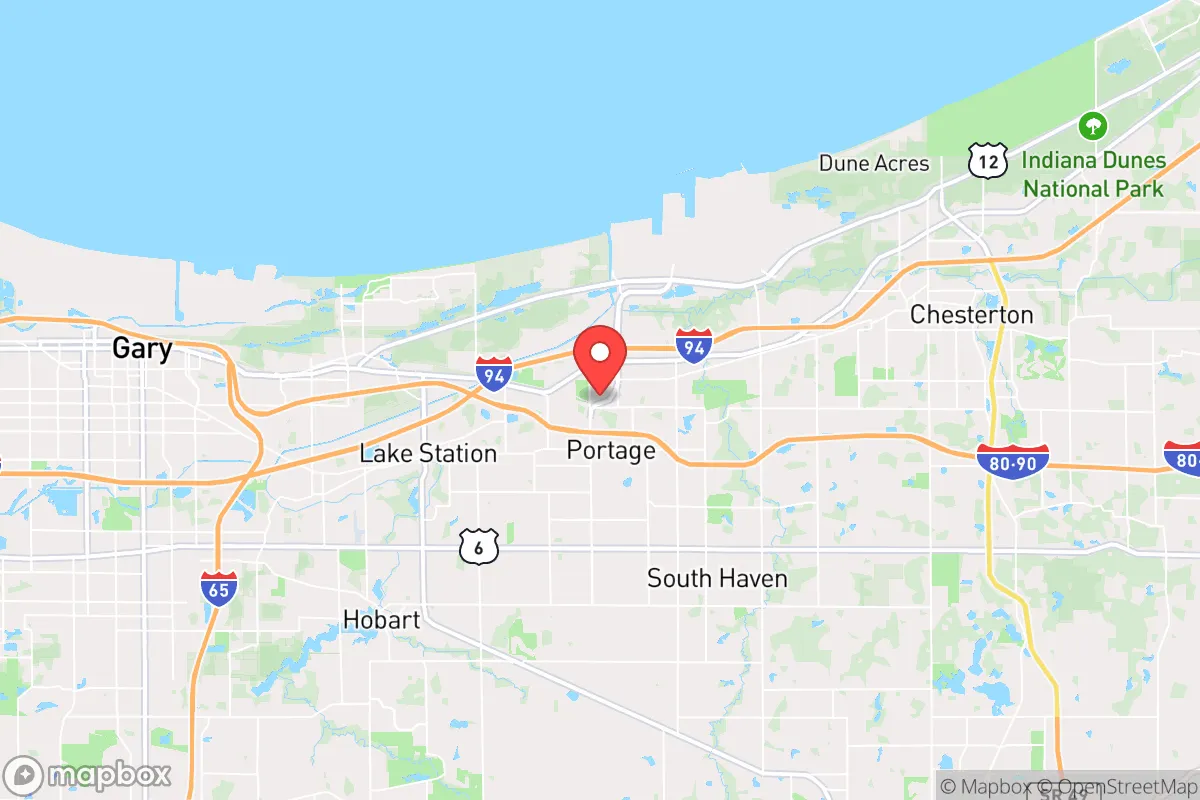
District shown is the primary district for this city’s centroid. Cities may span multiple districts.
Local Political AnalysisPolitical Analysis of Portage, IN
Portage, Indiana, sits in a political gray zone that’s been shifting leftward over the past decade, and if you’ve lived here as long as I have, you’ve felt it. The Cook PVI rating of D+1 tells you it’s a toss-up district on paper, but the reality on the ground is that the local government and school boards have been steadily embracing progressive policies that would have been unthinkable twenty years ago. The city council and mayor’s office have leaned Democrat in recent cycles, and while Portage still has a strong conservative base—especially among the older families who remember when the steel mills were king—the younger transplants from Chicago and the surrounding suburbs are pulling the needle left. It’s not a radical shift overnight, but it’s a slow creep that has a lot of us watching the ballot box a little closer each election.
How it compares
Drive ten miles west to Valparaiso, and you’ll find a reliably red stronghold where the county government still pushes back on state mandates and property tax hikes. Head east to Michigan City, and you’re in a solidly blue area where progressive social programs and higher taxes are the norm. Portage sits right in the middle, but it’s trending toward the Michigan City end of the spectrum faster than most folks realize. The surrounding Porter County as a whole is purple, but Portage itself has become a battleground where school board meetings get heated over curriculum changes and library boards argue over what books belong on the shelves. Compared to Chesterton, which still holds a more traditional, small-town conservative vibe, Portage feels like it’s losing its identity—more government oversight, more zoning restrictions, and a growing appetite for state-level programs that chip away at local control.
What this means for residents
For the average family here, the biggest red flag is how the local government is starting to meddle in things that used to be left to personal choice. Property taxes have crept up as the city funds new public initiatives—bike lanes, community centers, and diversity programs—that sound nice on a brochure but hit your wallet hard. There’s also a growing push for stricter rental regulations and noise ordinances that give the city more say over what you can do on your own property. If you value the freedom to run a small business from your garage, keep a few chickens in the backyard, or just live without a dozen permits, Portage is getting less friendly by the year. The school system has also seen a shift toward more centralized curriculum decisions, which has some parents looking at private or charter options. It’s not a crisis yet, but the trajectory is clear: more government, less personal liberty.
Culturally, Portage still has its blue-collar roots—Friday night football, the annual Popcorn Festival, and a strong union presence from the old U.S. Steel days. But the policy distinctions are becoming sharper. The city council has passed resolutions supporting statewide gun control measures, and there’s been talk of creating a “welcoming city” ordinance that could limit local cooperation with federal immigration enforcement. These aren’t just symbolic gestures; they signal a willingness to prioritize progressive ideology over the traditional values that made this town a safe, affordable place to raise a family. If you’re looking for a community that respects your right to live your own life without the government breathing down your neck, Portage is still okay for now—but keep an eye on the next few election cycles. The direction it’s heading isn’t the one most of us grew up with.

State Political ClimatePolitical Climate in Indiana
State Political AnalysisPolitical Environment in the State
Indiana has been a reliably Republican state for decades, but don’t let the red tint fool you—it’s a deep, complicated shade. The state hasn’t voted for a Democratic presidential candidate since 2008 (when Barack Obama narrowly won it), and since then, the GOP has tightened its grip. Over the last 10-20 years, the shift has been steady: the rural and suburban exodus from the Democratic Party accelerated, while the urban cores of Indianapolis, Gary, and South Bend became more reliably blue. The result is a state where Republicans hold supermajorities in both chambers of the legislature and control every statewide office, but where the margins in the suburbs are getting thinner and the culture war is heating up.
Urban vs. rural divide
The political map of Indiana is a classic tale of two landscapes. The rural counties—think Jasper, Newton, and the entire stretch along the Ohio River—vote Republican by margins of 70% or more. These are the areas where the Second Amendment is a religion, and the local economy still leans on agriculture and manufacturing. On the flip side, the urban centers are Democratic strongholds. Marion County (Indianapolis) alone delivers about 25% of the state’s Democratic votes, and it’s growing more liberal with each election cycle. Lake County (Gary) and St. Joseph County (South Bend) are also deep blue, driven by union legacy, minority populations, and university influence. The real battleground is the suburban ring around Indianapolis—Hamilton County (Carmel, Fishers) was once a GOP fortress, but it’s now trending purple. In 2020, Biden got 42% of the vote there, up from 35% in 2016. That’s the canary in the coal mine for conservatives: the suburbs are drifting left as educated professionals move in from out of state.
Policy environment
Indiana’s policy environment is broadly conservative, but with some notable wrinkles. The state has a flat income tax rate of 3.15% (down from 3.23% in 2023), and the legislature is actively pushing to eliminate it entirely—a major win for fiscal conservatives. Property taxes are low by national standards, and there’s no inheritance tax. On regulation, Indiana is a right-to-work state and a “business-friendly” haven, with minimal red tape for small businesses. Education policy is a flashpoint: the state has one of the most robust school choice programs in the nation, with vouchers and education savings accounts available to nearly all families. That’s a huge draw for parents who want to escape failing public schools. However, the state’s healthcare landscape is mixed. Indiana expanded Medicaid under the HIP 2.0 program, which some conservatives see as a government overreach, but it’s also kept the private insurance market involved. Election laws are solidly conservative: voter ID is required, early voting is limited to 28 days, and the state purges inactive voters regularly. No mail-in ballot expansion here—Indiana kept its pre-COVID rules, which is a relief for those worried about election integrity.
Trajectory & freedom
Indiana is moving in a direction that should please most conservatives, but it’s not a straight line. On the plus side, the state has expanded gun rights significantly. In 2022, Indiana became a constitutional carry state, meaning no permit is needed to carry a concealed handgun. That’s a massive win for Second Amendment advocates. Parental rights got a boost with the 2023 law requiring schools to notify parents of any changes to a student’s health or well-being, including gender identity issues—a direct response to the “don’t say gay” debates. Medical freedom is a mixed bag: the state banned nearly all abortions after 2022 (with narrow exceptions), which is a strong pro-life stance, but it also has a vaccine mandate for healthcare workers that some see as overreach. On the concerning side, the state’s property rights are under pressure from the Indiana Economic Development Corporation, which uses eminent domain aggressively for “economic development” projects. And while the state has no income tax on the horizon, the sales tax is 7% on most goods, which hits low-income families harder. Overall, Indiana is becoming more free on cultural and Second Amendment issues, but the government’s appetite for corporate welfare and eminent domain is a red flag for libertarian-leaning residents.
Civil unrest & political movements
Indiana has seen its share of political flashpoints. The 2020 Black Lives Matter protests in Indianapolis were large and occasionally violent, leading to property damage and a heavy police response. That left a sour taste for many conservatives, who saw it as a breakdown of law and order. On the right, the Indiana Freedom Coalition and local Moms for Liberty chapters have been active in school board meetings, pushing back against CRT and LGBTQ+ curriculum. Immigration politics are relatively quiet—Indiana is not a border state, but there’s a growing tension in Logansport and Goshen, where meatpacking plants have attracted immigrant labor. No sanctuary cities exist in Indiana; in fact, state law prohibits them. Election integrity controversies have been minimal, but the 2020 election saw a few counties (like Allen County) where Trump’s margin was smaller than expected, sparking local audits. The most visible flashpoint for a new resident would be the abortion debate: after the 2022 ban, clinics closed, and pro-life and pro-choice activists clash regularly at the Statehouse. It’s a charged atmosphere, but it’s mostly contained to the capital.
Projection
Over the next 5-10 years, Indiana is likely to stay red, but the margins will shrink. The biggest demographic shift is the influx of people from Illinois and California, who are moving to Hamilton County and the I-69 corridor for lower taxes and housing costs. These newcomers tend to be more moderate or even left-leaning on social issues, which could flip the suburbs. The rural areas will remain deeply conservative, but they’re losing population. The state’s Republican supermajority is safe for now, but the internal fight will be between the establishment wing (pro-business, moderate on social issues) and the populist wing (anti-vax, anti-establishment, pro-gun). If the populists win, expect more battles over school curriculum, vaccine mandates, and property rights. If the establishment holds, the state will continue its slow drift toward a more corporate-friendly, socially moderate conservatism. For a new resident moving in now, expect to find a state that’s still conservative but with a growing progressive undercurrent in the cities and suburbs. The culture war will intensify, but the economic freedom will remain strong.
For a conservative individual or parent considering a move to Indiana, the bottom line is this: you’ll find a state that respects your Second Amendment rights, gives you school choice, and keeps taxes low. But you’ll also need to be engaged—the suburbs are shifting, the urban centers are hostile to conservative values, and the state government is not immune to corporate overreach. If you’re looking for a place where your vote still matters and your voice can be heard, Indiana is a solid bet. Just don’t expect it to stay the same forever. Keep an eye on the school board meetings and the statehouse—that’s where the future is being decided.
* Values derived from national, state, county, city and local statistics and may differ in a specific area. Last updated: 2026-04-24T08:37:28.000Z
Narrative content on this page is AI-generated and may contain mistakes. Verify any details that matter before acting on them.
ReloMaps may earn a commission from affiliate links at no extra cost to you.

