
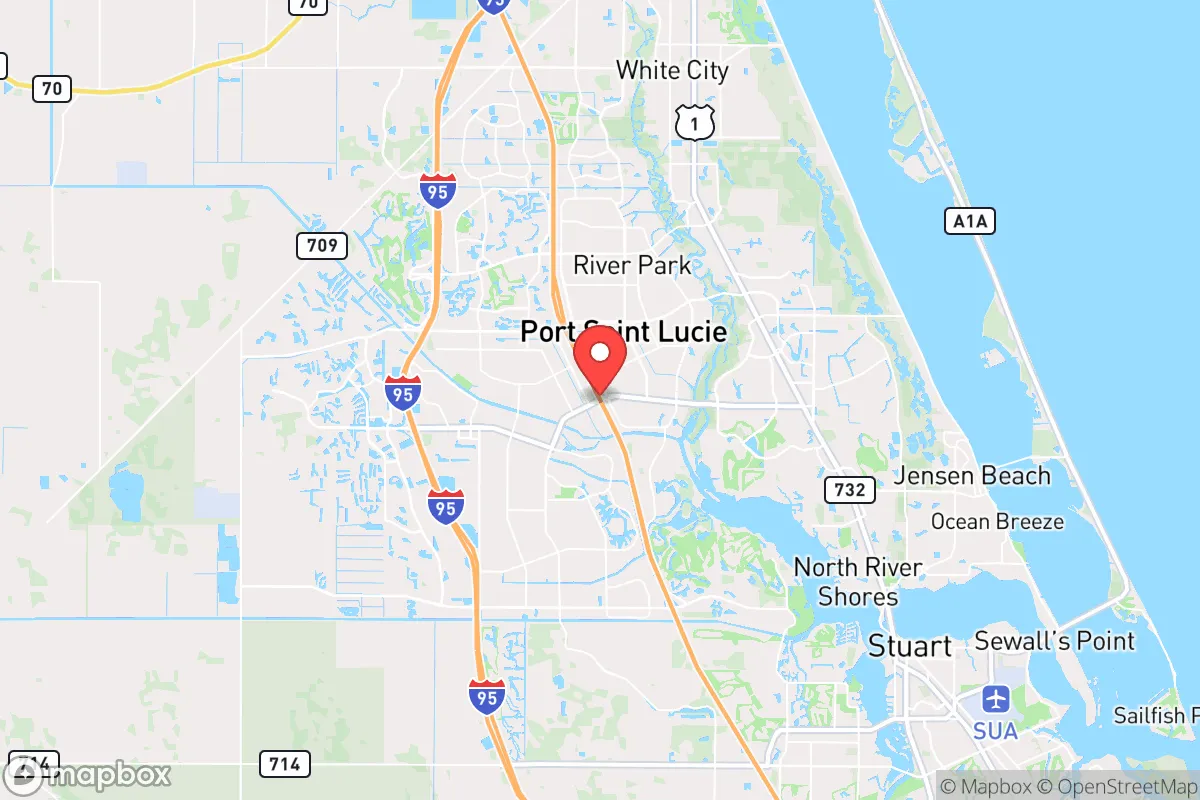
Photo: Wikipedia
Quality of Life in Port Saint Lucie, FL
A high quality of life with strong walkability, manageable living costs, healthy neighborhood signals, and solid amenity access.
What does Quality of Life tell us?
Quality of Life blends cost of living, nearby amenities, socioeconomic signals, and neighborhood character. City-level scores represent the whole municipality; individual neighborhoods can differ.
What does this tell us?
Quality of Life blends cost of living, nearby amenities, socioeconomic signals, and neighborhood character. City-level scores represent the whole municipality; individual neighborhoods can differ.
Cost of Living
38% above national average
The Real Cost of Living in Port Saint Lucie, FL for 2026
| Tier | Individual | Family (4) |
|---|---|---|
| Survival | $28k | $53k |
| Comfortable | $64k | $94k |
| Luxury | $121k+ | $187k+ |
| Elite (Top 5%) | $142k+ | $220k+ |
83%
The Area Signal
A metric tracking the socioeconomic signals of the area.
Hobbies
Explore the areaGroceries
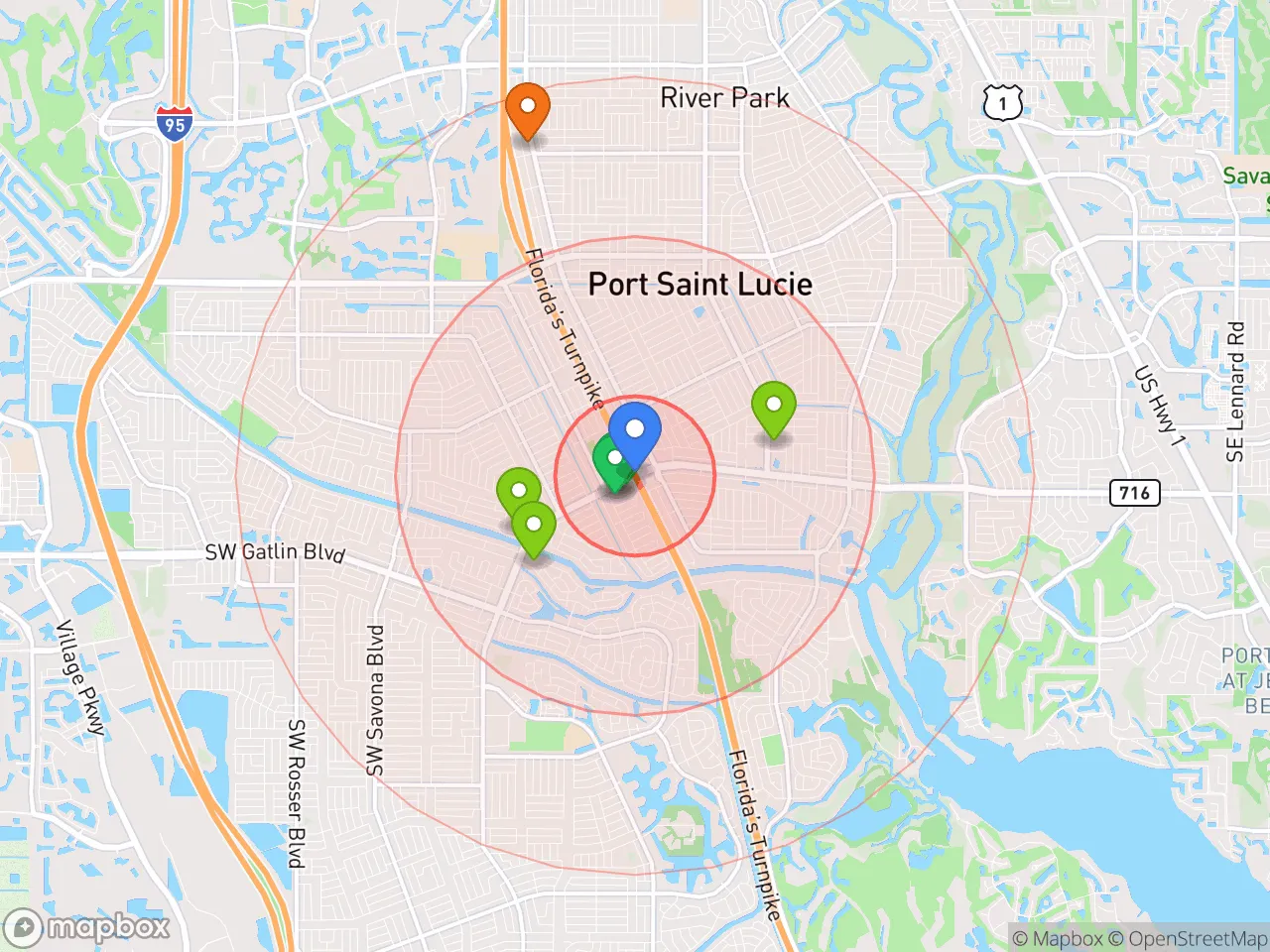
6 within 10 miles
Gas
20 within 10 miles
Hospital
9 within 20 miles
Airport
MCO — Melbourne Orlando International
Post Office
USPS — Port Saint Lucie, FL
Critical Amenities
Quality-of-Life Analysis
Port Saint Lucie sits at a cost-of-living index of 138, well above the national baseline of 100, placing it among the more expensive midsize cities in Florida. The population skews heavily toward retirees and families drawn by the city’s relative quiet compared to coastal neighbors, with a median age of 43.8 and a notable share of residents aged 55 and older. Affluence is moderate but uneven: the median household income hovers around $67,000, yet the city’s rapid growth—population surged past 230,000 in 2025—has created pockets of new construction that cater to higher-income buyers. The result is a community where long-time residents in older neighborhoods coexist with newcomers in master-planned subdivisions, creating a suburban feel that prioritizes space over density.
How housing costs and affordability compare to nearby cities
Housing in Port Saint Lucie is expensive relative to national averages but offers a clear value proposition against pricier coastal hubs. The median home value of $327,700 is roughly 30% lower than in West Palm Beach ($470,000) and 45% lower than in Boca Raton ($595,000), making it a practical choice for buyers priced out of Palm Beach County. Median rent at $1,781 is similarly competitive—about $400 less per month than in Stuart, just 20 miles north. However, the cost-of-living index of 138 means everyday expenses like groceries, utilities, and healthcare run 38% above the U.S. average, which can strain budgets for households earning below the median. Property taxes are moderate for Florida at roughly 1.1% of assessed value, but homeowners’ insurance premiums have climbed sharply since 2020, adding $2,500–$4,000 annually depending on proximity to waterways. For renters, the vacancy rate has tightened to under 5% as of early 2026, pushing lease prices up 8% year-over-year.
What daily life is like for families and retirees
Daily life in Port Saint Lucie revolves around its extensive network of parks, golf courses, and the St. Lucie River, which offers boating and fishing access. The city’s school system, St. Lucie Public Schools, serves roughly 40,000 students and has improved its graduation rate to 88% as of 2025, though it still trails the state average of 91%. Top-rated schools like St. Lucie West Centennial High and Windmill Point Elementary draw families to specific neighborhoods. The average commute of 29.6 minutes is longer than the national average of 26 minutes, largely because many residents drive to jobs in Port Saint Lucie’s own healthcare and retail sectors or commute south to Palm Beach Gardens and Jupiter. Traffic on I-95 and the Florida Turnpike can back up during peak hours, but the city’s grid of boulevards and limited public transit mean most errands require a car. Amenities are spread out: the Tradition Square area offers dining and events, while the Port Saint Lucie Botanical Gardens and the PGA Village golf complex anchor leisure activities. Crime rates are below the Florida average for property crime but slightly above for vehicle theft, with the city’s police department reporting a 12% drop in burglaries since 2022.
Port Saint Lucie works best for those who want Florida’s warm climate and suburban space without the premium price tag of the coast. Retirees on fixed incomes should budget carefully for the high cost-of-living index, while families will find good schools and ample parks if they can absorb the commute. Remote workers and professionals in healthcare or construction will find the strongest job market fit, as the city’s largest employers include Cleveland Clinic Martin Health and the St. Lucie County School District. Anyone seeking walkable urban density or a short commute to Miami or Fort Lauderdale should look elsewhere—this is a car-dependent, spread-out city where quality of life depends on embracing the trade-off between affordability and convenience.

Crime in Port Saint Lucie, FL
Generally safer than 68% of comparable U.S. locations.
Violent CrimeViolent Crime Analysis
Property CrimeProperty Crime Analysis
Crime Analysis
Port Saint Lucie, Florida, reports a violent crime rate of 210.1 incidents per 100,000 residents and a property crime rate of 910.4 per 100,000, placing it below the national average for violent offenses but above the national average for property crime. As a large, rapidly growing city within the Treasure Coast metro area, its safety profile is shaped by both local policing strategies and the broader judicial environment of St. Lucie County, which leans progressive in its prosecutorial and sentencing approaches. This combination creates a mixed picture for residents weighing safety and quality of life.
Crime in context
Port Saint Lucie’s violent crime rate is roughly 40% lower than the U.S. national average of approximately 370 per 100,000, making it safer than many comparably sized Florida cities like Fort Lauderdale or West Palm Beach. However, its property crime rate exceeds the national average by about 15%, driven largely by vehicle break-ins and package thefts in suburban neighborhoods. The city benefits from a dedicated police department with community policing initiatives, but the surrounding St. Lucie County judicial system—characterized by progressive district attorneys who prioritize diversion programs and reduced incarceration for non-violent offenders—raises concerns about recidivism and the practical deterrent effect on property crimes. Residents should be aware that while violent incidents are statistically rare, the lenient treatment of repeat property offenders in the local courts can lead to a frustrating cycle of theft and vandalism.
What residents experience
Daily life in Port Saint Lucie feels generally safe, with most violent crime concentrated in specific apartment complexes and commercial corridors rather than in established single-family subdivisions. The most common safety complaints involve vehicle burglaries from unlocked cars and porch piracy, particularly in neighborhoods near Interstate 95 and the Tradition master-planned community. The city’s rapid population growth—adding over 30,000 new residents since 2020—has strained police response times in outlying areas, though the department maintains a visible patrol presence in high-traffic zones. The progressive judicial philosophy in St. Lucie County means that many property crime arrests result in plea deals or probation rather than jail time, a factor that directly contributes to repeat offenses and undermines the sense of justice for victims.
Neighborhood-level variation is significant. Areas west of I-95, such as the newer developments in St. Lucie West and Tradition, report 30-40% lower crime rates than older neighborhoods east of the interstate, particularly around the Port Saint Lucie Boulevard corridor. Gated communities and HOAs with private security see negligible crime, while rental-heavy zones near U.S. 1 experience higher rates of theft and occasional assaults. Prospective residents should research specific subdivision crime maps and consider that the local justice system’s progressive tilt may amplify risks in areas with already elevated property crime.
* Values derived from national, state, county, city and local statistics and may differ in a specific area. Last updated: 2026-11-08T11:04:56.000Z
Narrative content on this page is AI-generated and may contain mistakes. Verify any details that matter before acting on them.
ReloMaps may earn a commission from affiliate links at no extra cost to you.

