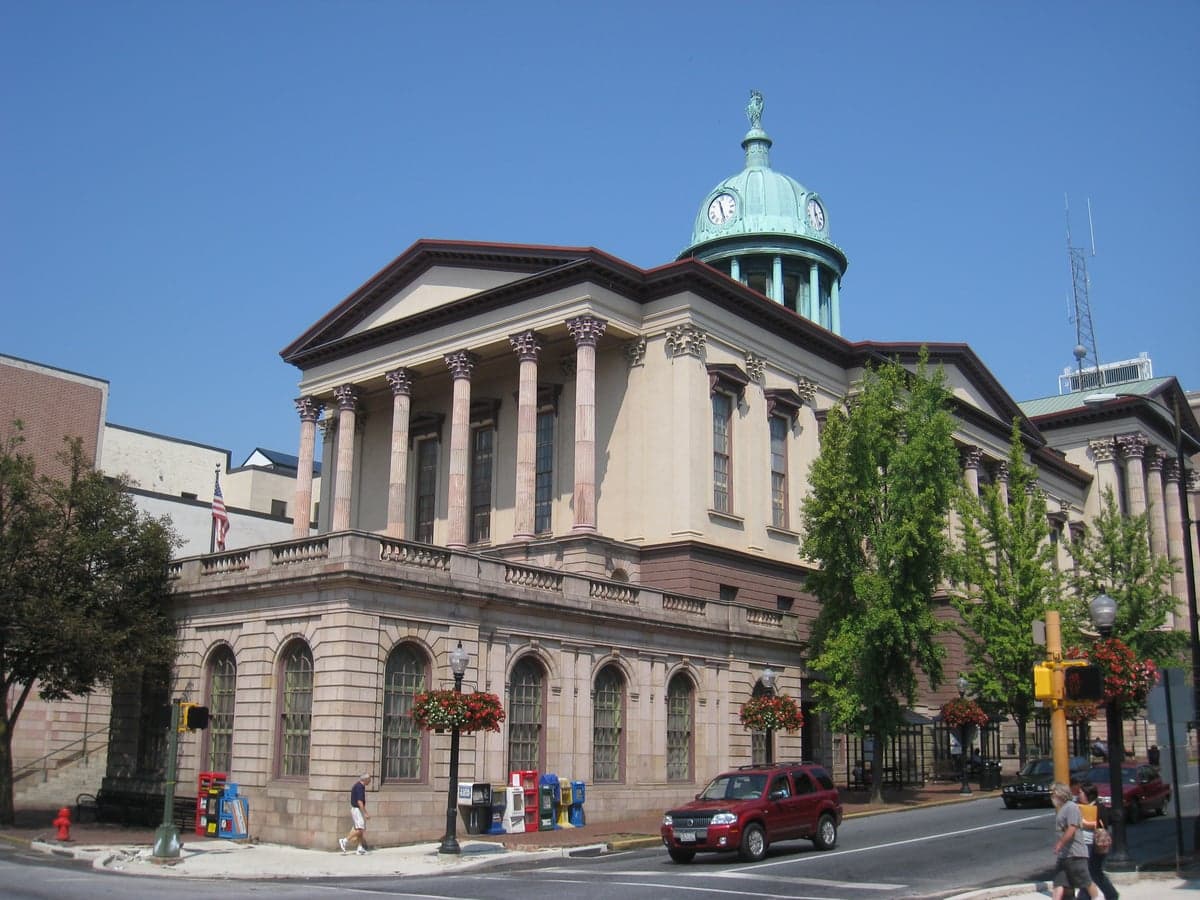
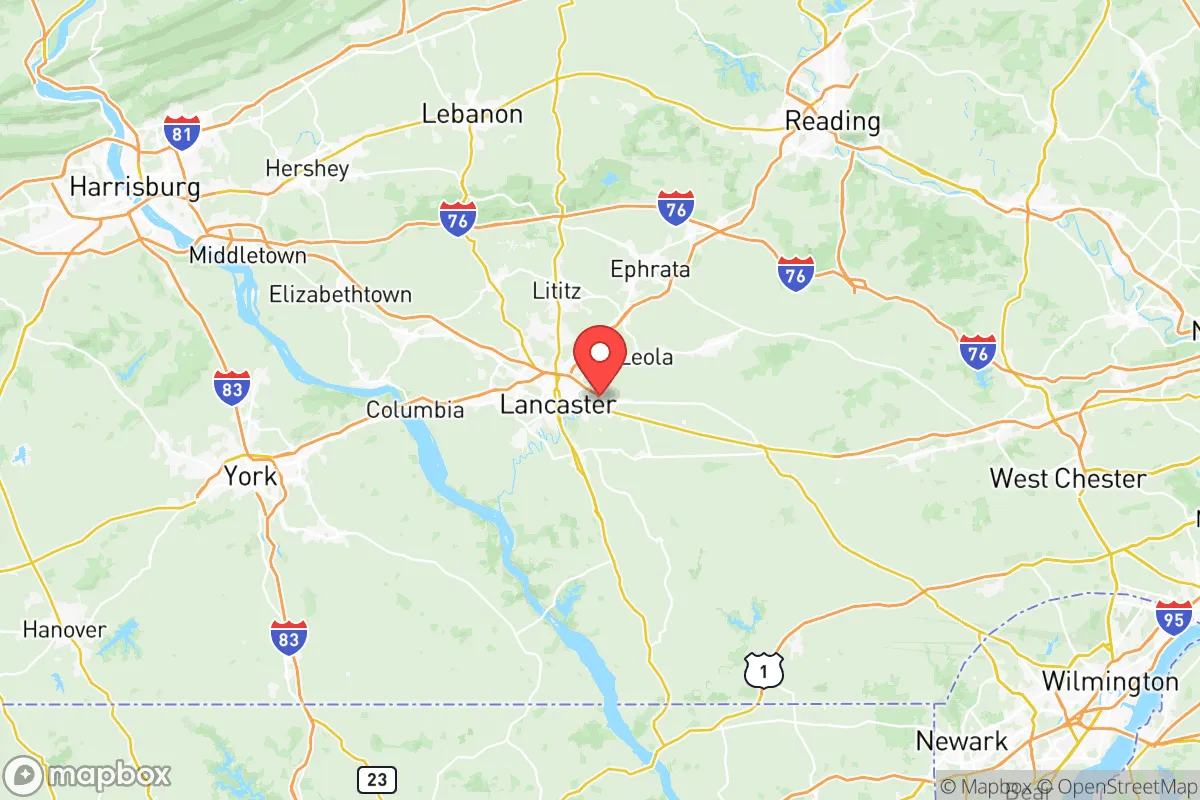
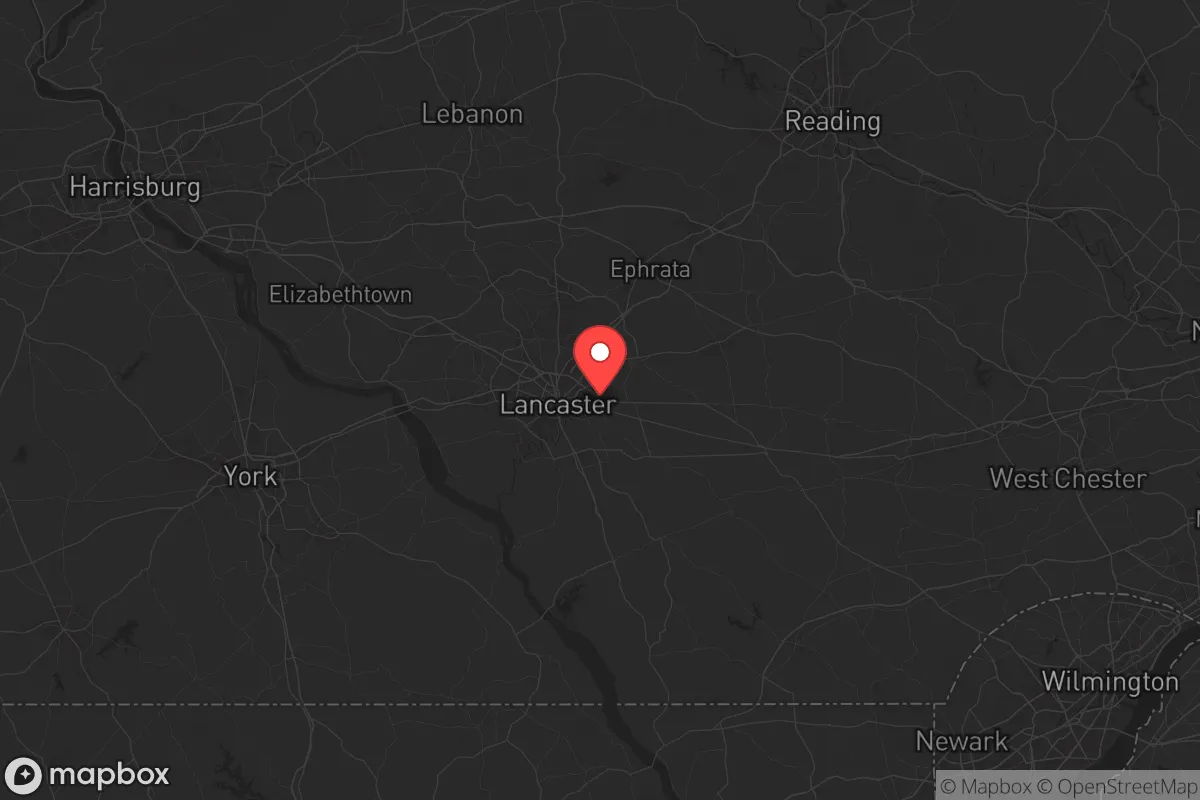
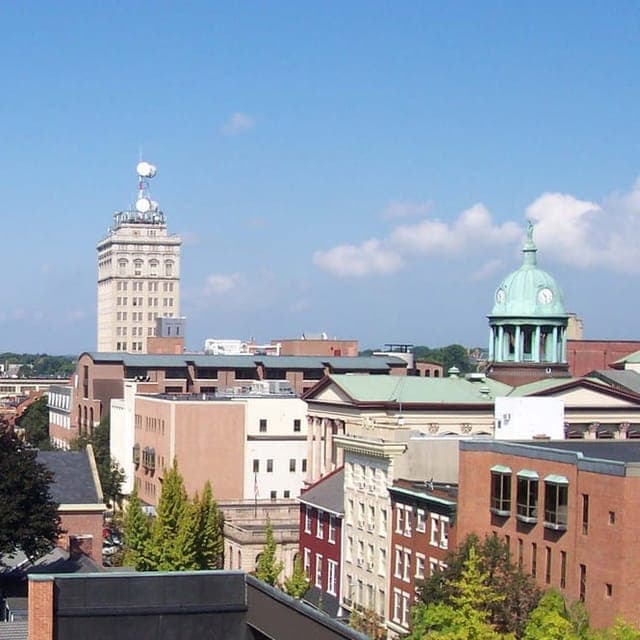
Photo: Wikipedia
Find The Best Places To Live in Lancaster County
PRO TIP! You can paste a Zillow or Redfin link to get info on that property.
Best Places to Live in Lancaster County
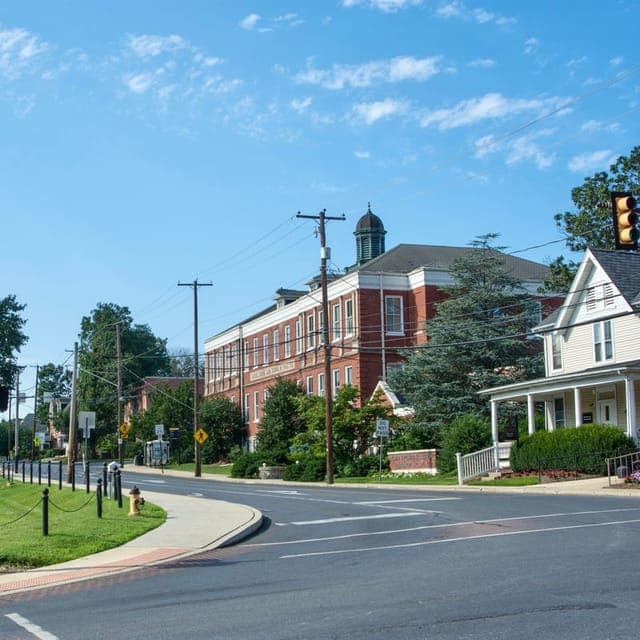
Cities & Towns in Lancaster County
Cities in Lancaster County
What It's Like Living in Lancaster County, PA
Lancaster County is a place where the rural landscape of working farms and Amain buggies meets a surprisingly energetic city center, creating a lifestyle that’s equal parts pastoral quiet and small-city convenience. People here don’t just live in one world—they commute from a farmhouse in Strasburg to a medical office in Lancaster City, or spend Saturday at the Central Market and Sunday at a Mennonite church potluck. The county’s identity is rooted in a deep, practical work ethic and a strong sense of community that makes it feel less like a sprawling suburb and more like a collection of interconnected small towns.
Daily Rhythm: Where City, Town, and Farm Meet
Your daily life in Lancaster County depends heavily on which of the 60 municipalities you call home. In Lancaster City, the rhythm is walkable and café-driven—people grab coffee at Square One Coffee, bike to work, and spend evenings at the Tellus 360 rooftop bar or catching a show at the Warehouse Theatre. Drive 15 minutes south to Quarryville, and the pace changes completely: the main street has a family-run hardware store, and neighbors wave from pickup trucks at the red light. A huge segment of the population—about 31%—holds a college degree, but the cultural divide between the city’s creative types and the rural farming community is still real. The median age is 39.1, which tracks with a county that attracts families (good schools) and emptynesters alike, but not many recent college grads looking for nightlife.
The average commute of about 24 minutes is a genuine perk. It’s short enough that people in Ephrata can work in the city and still be home in time to coach Little League. Traffic exists—especially on Route 30 near Lancaster City and around Park City Center during the holidays—but it's nowhere near the soul-crushing congestion of Philly or even Harrisburg. The real cost of living here is housing: the median home value sits at $279,400, with a cost of living index of 106 (slightly above the US average). That’s still a bargain compared to the Main Line or the Jersey Shore, but locals will tell you that finding a starter home under $250,000 now requires patience or a willingness to look in towns like Columbia or Marietta, where prices are lower but commutes stretch a bit longer.
Sports & Community: From High School Rivalries to Barnstars
Sports in Lancaster County are more about local passion than pro franchises. There’s no major-league team within the county, but the Lancaster Barnstormers (Atlantic League baseball) fill the stadium at Clipper Magazine Stadium on summer nights, and the vibe is pure minor-league fun—cheap tickets, between-inning antics, and a fanbase that actually cares. High school football is a much bigger deal. Manheim Central and Warwick have intense rivalries that fill bleachers on Friday nights, and in towns like Elizabethtown, the football game is the social event of the week. For families, the schools themselves are a major draw: the county’s school districts (especially Hempfield, Manheim Township, and Penn Manor) are well-regarded, and real estate agents often hear "we moved here for the schools" as the top reason.
Beyond organized sports, the local identity is shaped by the county’s Amish and Mennonite heritage. You’ll see barnstars on modern homes as a nod to that tradition, and the Sight & Sound Theatres in Strasburg draw thousands for Bible-based stage productions that feel surprisingly polished. The cultural quirk that stands out most to newcomers: Sundays are genuinely quiet. Many businesses outside the city are closed, and a lot of the county still observes a slower, more family-centered weekend rhythm. It’s endearing if you’re looking for a break from 24/7 commerce, but jarring if you moved here from a city where Sunday brunch is a religion.
What’s There to Do: Festivals, Farms, and Friday Nights
Weekend life revolves around two things: the outdoors and food. The county’s agricultural roots mean farm-to-table isn’t a trend, it’s a heritage. The Lancaster Central Market in the city is the oldest continuously operating farmers market in the country, and it’s packed every Saturday with people grabbing whoopie pies, locally raised beef, and fresh produce. For outdoor recreation, Susquehannock State Park offers stunning overlooks of the Susquehanna River, and the Chiques Rock area near Columbia has solid hiking and mountain biking. The county also boasts a surprising craft beer scene—breweries like St. Boniface in Ephrata and Wacker Brewing in the city have become neighborhood hangouts.
Entertainment options are solid for a county of 555,151 people. The American Music Theatre brings in national touring acts, and the Lancaster Symphony Orchestra fills the Warehouse Theatre. But the most distinctive events are the community festivals: Ephrata’s Fair in late summer, the Lancaster County Art Walk, and the Strasburg Rail Road’s seasonal events that draw families from across the region. The violent crime rate here is 226.5 per 100,000—lower than the national average for similar-sized metro areas, and most of that is concentrated in a few spots in the city. People in Leola or Lititz generally feel very safe letting kids walk to a friend’s house after dark.
Pros and Cons of Living Here
- Pros: Short commute times (under 25 minutes average), good public schools outside the city, housing prices that still feel reasonable for the Northeast, a genuine sense of community, and easy access to both Philly (1.5 hours) and Baltimore (1 hour) for big-city trips. The median income of $83,703 supports a comfortable lifestyle in most of the county.
- Cons: Job market is dominated by healthcare (Lancaster General Health and Penn Medicine) and manufacturing—not strong for tech or remote workers unless you already have a gig. Sundays and evenings can feel dead if you’re used to city energy. The weather is standard Mid-Atlantic: humid summers, gray winters, and a spring that takes its time arriving. Traffic on Route 30 between Lancaster City and Mount Joy is a genuine bottleneck.
The bottom line: Lancaster County is ideal for families and couples looking for a slower, community-grounded life with good schools, short commutes, and a deep sense of place. It’s less suited to singles seeking a vibrant nightlife or tech workers who want a high-paying local job market. The people who thrive here are the ones who appreciate knowing their neighbors, watching the seasons change on a farm field, and being able to get a genuinely great meal without a 45-minute drive.

* Values derived from national, state, county, city and local statistics and may differ in a specific area. Last updated: 2026-07-01T23:49:38.000Z
Narrative content on this page is AI-generated and may contain mistakes. Verify any details that matter before acting on them.
ReloMaps may earn a commission from affiliate links at no extra cost to you.

