Photo: Wikipedia
Strategic Assessment of Berks County
Meaningful friction. Expect exposure to either population pressure, blast zones, or natural disaster risk. Consider buying a retreat property.
What does the Strategic Assessment tell us?
Our Strategic Assessment grades tactical survivability of an area. Major population centers, military targets, fallout zones, natural disasters, and border exposure all drive risk — lower exposure means a more defensible position in a crisis.
This is heavily inspired by Joel Skousen's Strategic Relocation book. Highly recommended you checkout the book ($)What does this tell us?
Our Strategic Assessment grades tactical survivability of an area. Major population centers, military targets, fallout zones, natural disasters, and border exposure all drive risk — lower exposure means a more defensible position in a crisis.
This is heavily inspired by Joel Skousen's Strategic Relocation book. Highly recommended you checkout the book ($)Strategic Pillars

Key Distances
Strategic Assessment Analysis
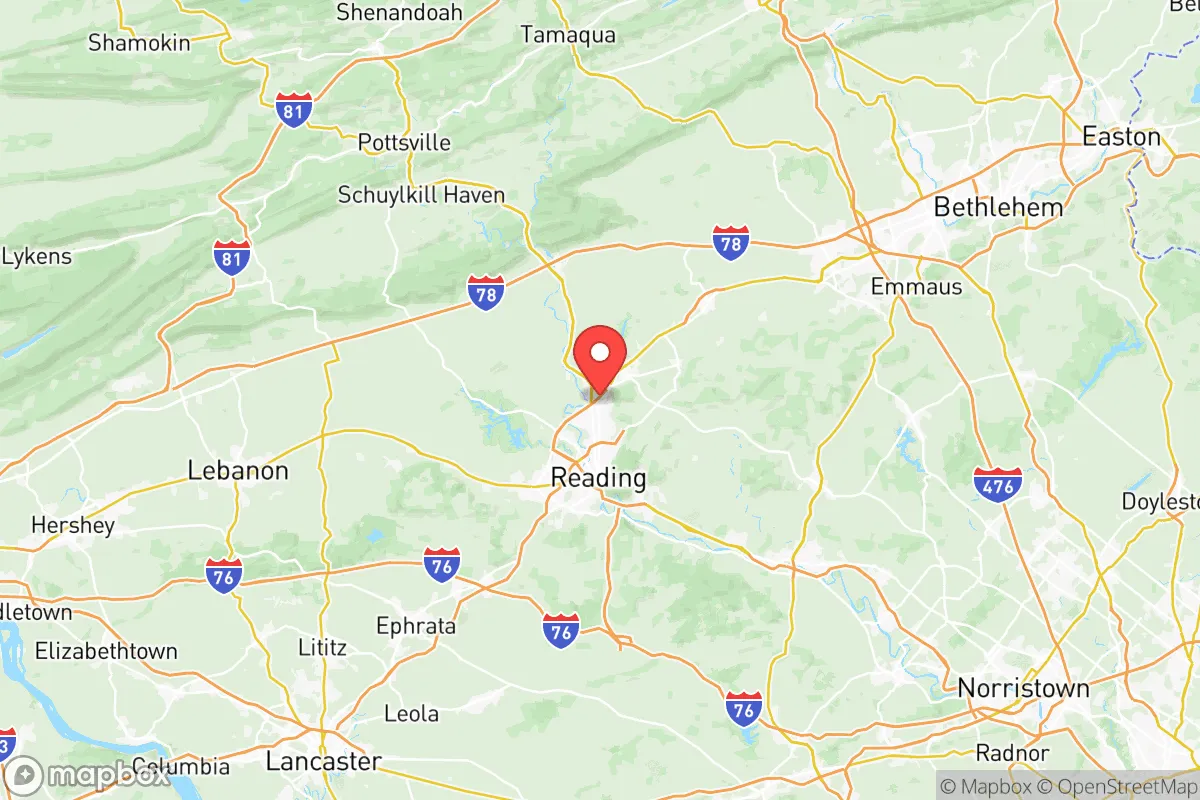
Berks County, Pennsylvania, offers a compelling mix of geographic stability and practical self-sufficiency that appeals to relocation-minded individuals and families with a conservative, preparedness-oriented outlook. Its position in southeastern Pennsylvania, roughly 60 miles northwest of Philadelphia and 90 miles west of New York City, provides a strategic buffer from the densest urban corridors while still granting access to regional infrastructure. The county’s resilience profile is anchored by its diverse topography, agricultural base, and distance from major fallout-relevant targets, making it a viable option for those prioritizing long-term security and local autonomy.
Geographic position and natural advantages for long-term stability
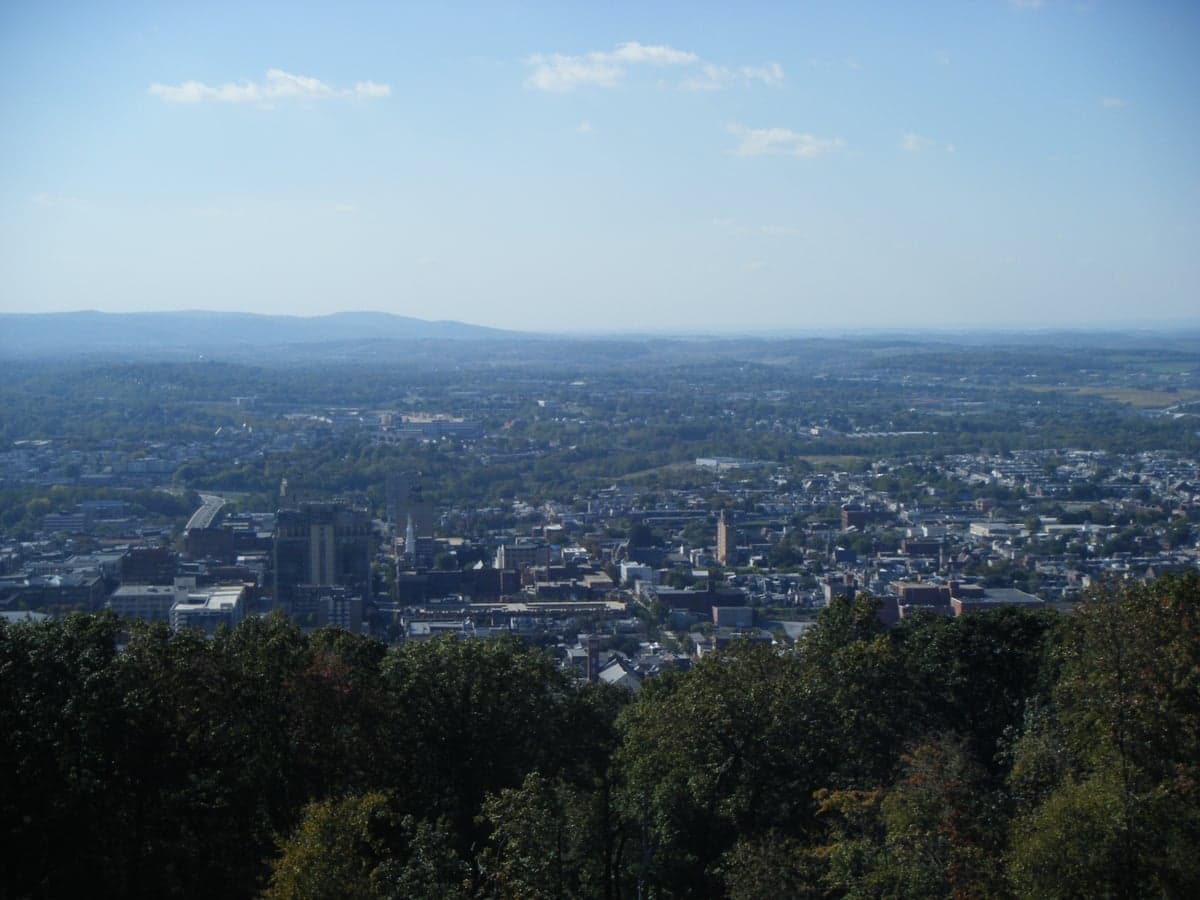
Berks County sits at the transition zone between the Piedmont plateau and the Appalachian Mountains, a landscape that offers both defensive depth and resource abundance. The county’s eastern half, including the city of Reading and its suburbs like Wyomissing and Exeter Township, lies in the fertile Schuylkill River Valley, while the western and northern reaches rise into forested ridges like the Blue Mountain range. This varied terrain provides natural chokepoints and elevated positions that enhance defensibility, especially in the rural townships of Hamburg and Kutztown. The county’s 860 square miles include over 40% agricultural land, with a strong concentration of working farms in the Oley Valley and Bern Township areas. This agricultural base is a genuine resilience asset: local food production is not hypothetical but a daily reality, with dozens of farm stands, CSAs, and the sprawling Kutztown Produce Auction operating year-round. The Schuylkill River and its tributaries, including the Maiden Creek and Tulpehocken Creek, provide reliable surface water sources, while the county’s average annual rainfall of 45 inches supports rain catchment and well-based systems. The region’s moderate climate—with cold winters but no extreme heat or hurricane risk—reduces the likelihood of weather-related infrastructure failures that plague coastal or southern locations.
Risks, exposures, and proximity to fallout-relevant landmarks
No location is without risk, and Berks County’s strategic position comes with specific exposures that a serious relocator must weigh. The most significant man-made risk stems from the county’s proximity to the Limerick Generating Station, a nuclear power plant located just 15 miles southeast of Reading in Montgomery County. While the plant’s safety record is solid, a major incident at Limerick would place much of eastern Berks County within the 10-mile emergency planning zone, with potential fallout patterns extending into the Schuylkill Valley. Additionally, the county lies within 50 miles of the Philadelphia Energy Solutions refinery complex (now largely decommissioned but still a chemical storage site) and the Delaware River industrial corridor, which includes multiple chemical plants and the Paulsboro, New Jersey refinery. These are not direct fallout targets in a conventional sense, but a major industrial accident or terrorist event could produce airborne hazards that drift into the region. On the natural hazard side, Berks County faces moderate flood risk along the Schuylkill River and its tributaries, particularly in low-lying areas of Reading and Birdsboro. The county also sits in a seismically quiet zone, with no significant earthquake history. The primary risk is not a single catastrophic event but the cumulative effect of grid-down scenarios: a prolonged power outage or supply chain disruption would strain the county’s 430,000 residents, especially the 90,000 living in Reading’s urban core, which has higher population density and lower household preparedness levels than the surrounding townships.
Practical resilience for a relocator: food, water, energy, and defensibility
For a family or individual serious about self-sufficiency, Berks County offers a strong practical foundation. The agricultural infrastructure is a standout feature: the county is home to over 1,200 farms, with a heavy emphasis on dairy, poultry, and row crops like corn and soybeans. The Berks County Agricultural Center in Leesport provides extension services, soil testing, and livestock resources that support small-scale farming and homesteading. Water access is generally good, with most rural properties relying on private wells that average 100-300 feet deep and yield 5-15 gallons per minute—sufficient for a household and small garden. The county’s topography also supports micro-hydro and solar energy: the southern slopes of Blue Mountain and the rolling hills of the Oley Valley receive adequate sun for photovoltaic systems, and several small streams offer potential for low-head hydro generation. Defensibility varies by location: the rural townships of Albany Township and Windsor Township offer long sightlines, limited road access, and a dispersed population that makes them harder to target or overwhelm. In contrast, the suburban corridor along Route 222 between Reading and Morgantown is more exposed, with higher traffic volumes and closer proximity to the interstate system. The county’s strong gun culture and high rate of private firearm ownership—consistent with Pennsylvania’s rural tradition—adds a layer of personal security that aligns with the preparedness mindset. Local government is generally small-government oriented, with the Berks County Commissioners and township supervisors maintaining low tax rates and minimal zoning restrictions in unincorporated areas, which facilitates building out a homestead or installing off-grid systems without bureaucratic hurdles.
The overall strategic picture for Berks County is one of balanced opportunity with clear trade-offs. It is not a remote survivalist redoubt—it is a working agricultural region with a functional small-city core, a growing suburban fringe, and a network of tight-knit rural communities. For a relocator who values proximity to medical care, schools, and supply chains but wants a buffer from the vulnerabilities of major metro areas, Berks County hits a practical sweet spot. The county’s resilience is not hypothetical; it is built into the landscape, the local economy, and the culture of self-reliance that persists in its farming communities. The key is choosing the right location within the county—opting for the forested ridges of the north or the farm valleys of the west rather than the floodplain or the suburban sprawl. With deliberate planning, a Berks County property can serve as a defensible, resource-rich base for a family seeking long-term stability in an uncertain future.

* Values derived from national, state, county, city and local statistics and may differ in a specific area. Last updated: 2026-07-27T09:00:14.000Z
Narrative content on this page is AI-generated and may contain mistakes. Verify any details that matter before acting on them.
ReloMaps may earn a commission from affiliate links at no extra cost to you.

