Photo: Wikipedia
Political ClimatePolitical Climate in Park River, ND
District shown is the primary district for this city’s centroid. Cities may span multiple districts.
Inherited from parent state — no local data available.
Local Political AnalysisPolitical Analysis of Park River, ND
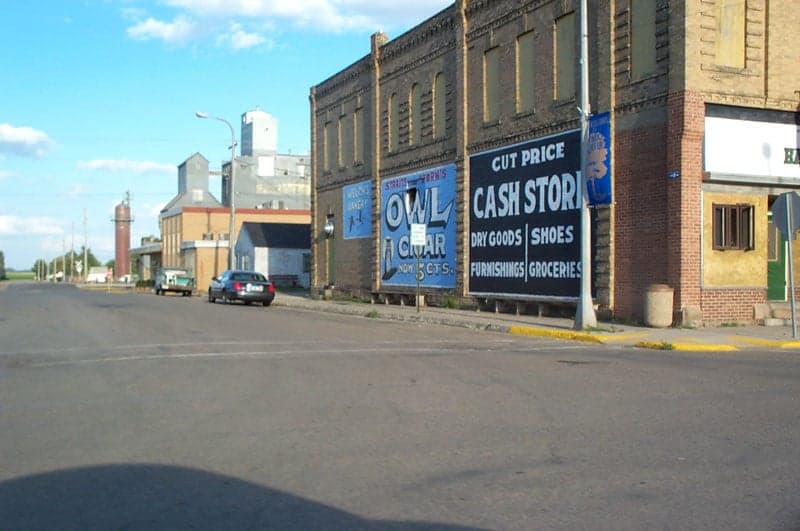
Park River, North Dakota, is about as solidly conservative as small-town America gets, and that’s not changing anytime soon. The Cook PVI of R+18 tells you the math—this area votes Republican by a massive margin, and it’s not just a habit; it’s a way of life rooted in self-reliance, local control, and a deep skepticism of government overreach. If you’ve lived here a while, you’ve watched the surrounding towns like Grafton and Cavalier hold the same line, while places like Grand Forks, an hour south, have drifted a bit more purple with the university crowd. But Park River? It’s stayed true to the old-school values that built the place.
How it compares
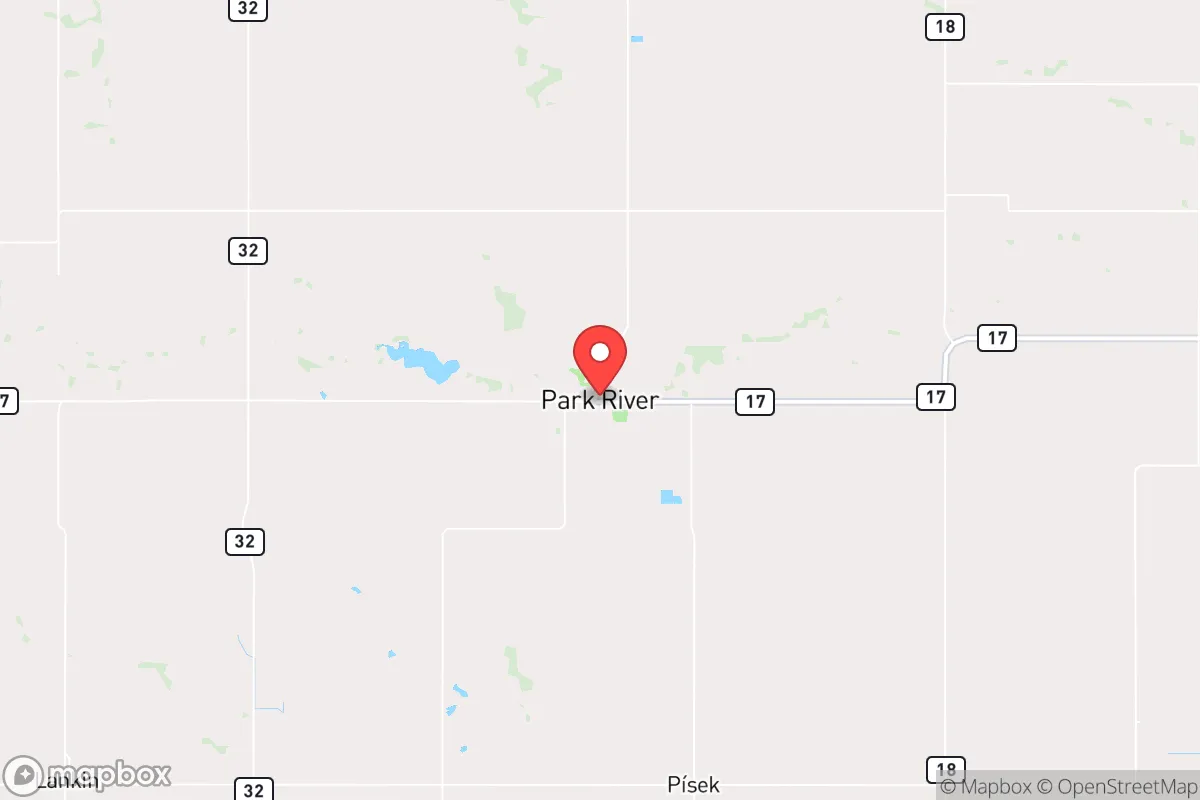
Compared to the rest of Walsh County, Park River is actually a little more conservative than the county average, which already leans hard red. Drive twenty minutes east to Grafton, and you’ll find a similar vibe—hunting, farming, church on Sunday—but Park River feels quieter, more insulated from the outside noise. Head west to Larimore, and it’s the same story: folks here don’t want Sacramento or Washington telling them how to run their land or their lives. The contrast with Grand Forks is stark—that city’s got a growing progressive streak, with bike lanes and diversity initiatives that would get laughed out of a Park River town hall. For a long-time resident, that shift in Grand Forks is a warning sign: once the government starts meddling in local schools or property rights, it’s a slippery slope. Park River’s political climate is a bulwark against that, and most folks intend to keep it that way.
What this means for residents
For the people who live here, the conservative lean means lower taxes, fewer regulations, and a government that mostly stays out of your business. You can hunt on your own land without a dozen permits, and the school board isn’t pushing critical race theory or gender ideology—it’s still focused on reading, writing, and arithmetic. Property rights are respected, and zoning is minimal, so if you want to build a shop in your backyard or keep a few chickens, nobody’s knocking on your door. That said, there’s a growing concern among locals about state-level mandates creeping in—like vaccine requirements or environmental rules that don’t fit a farming community. The long-term worry is that as North Dakota’s population shifts, with younger folks moving to cities or out of state, the rural conservative strongholds like Park River could lose political clout. But for now, the community holds firm, and the R+18 rating reflects a place that votes its conscience—and its conscience says “leave us alone.”
Culturally, Park River stands out for its no-nonsense approach to public life. There’s no city-wide ban on plastic bags or a push for electric vehicle charging stations—those are seen as urban luxuries that don’t belong here. The biggest policy debates you’ll hear about are over road maintenance and school funding, not social experiments. If you’re looking for a place where the government respects your freedom to live as you see fit, without a thousand new rules every year, Park River is a breath of fresh air. Just don’t expect it to change anytime soon—the folks here have a long memory and a short tolerance for overreach.

State Political ClimatePolitical Climate in North Dakota
State Political AnalysisPolitical Environment in the State
North Dakota is one of the most reliably Republican states in the nation, with a political climate that has been solidly conservative for decades. The state hasn't voted for a Democratic presidential candidate since Lyndon B. Johnson in 1964, and in 2024, Donald Trump carried it by over 20 points. The dominant coalition is a mix of rural agricultural interests, energy sector workers from the Bakken oil patch, and a growing population of conservative-leaning transplants seeking lower taxes and fewer regulations. Over the last 10-20 years, the state has actually shifted further right, driven by an influx of people from blue states and a backlash against federal overreach, particularly during the COVID-19 pandemic.
Urban vs. rural divide
The political map of North Dakota is a textbook case of a stark urban-rural split, but with a twist: even the "urban" areas lean conservative. The largest city, Fargo, in Cass County, is the most competitive area politically. Cass County voted for Trump by about 12 points in 2024, down from 18 in 2020, as the city's growing population of younger professionals and university students from North Dakota State University has introduced a slightly more moderate streak. Bismarck, the state capital in Burleigh County, is deeply red, routinely voting +30 points Republican, driven by state government employees and energy industry workers. Grand Forks, home to the University of North Dakota, is also reliably conservative, though the student population can occasionally tip local races closer. The real engine of the state's conservatism is the rural expanse. Williams County, anchored by Williston in the oil patch, is a Republican stronghold where Trump won by over 50 points in 2024. The eastern Red River Valley counties, like Walsh County and Traill County, are also deeply red, driven by farming communities. The only real outlier is Rolette County in the Turtle Mountain region, which leans Democratic due to the large Native American population, but its impact on statewide elections is minimal.
Policy environment
North Dakota's policy environment is a dream for conservatives who value limited government. The state has no personal income tax, a flat corporate income tax rate of 4.31%, and a sales tax capped at 5% (with local options adding up to 2.5%). Property taxes are relatively low, though they vary by county. The regulatory posture is aggressively pro-business, especially in the energy sector, where the state has streamlined permitting for oil and gas extraction. In education, North Dakota has a robust school choice movement, with a new Education Savings Account (ESA) program signed into law in 2023, allowing parents to use state funds for private school tuition, homeschooling, or tutoring. The state also passed a Parents' Bill of Rights in 2023, requiring schools to notify parents of any curriculum changes related to sexuality or gender identity. Healthcare policy is mixed: the state expanded Medicaid under the Affordable Care Act in 2013, a move that still rankles some conservatives, but it has also passed laws protecting conscience rights for medical providers who refuse to participate in abortions or gender transition procedures. Election laws are among the most secure in the nation: North Dakota requires voter ID with a photo, has no same-day registration, and in 2023 passed a law banning ballot drop boxes and limiting mail-in voting to those with a valid excuse. There is no state-level gun control to speak of; the state has constitutional carry (permitless carry) and preempts all local firearm ordinances.
Trajectory & freedom
North Dakota is becoming more free by almost any conservative metric, especially when compared to its neighbors. The most significant recent expansion of liberty was the 2023 passage of Senate Bill 2150, which prohibits any state or local government from enforcing federal gun laws that infringe on the Second Amendment, effectively a state-level nullification of potential future federal bans. The same year, the legislature passed House Bill 1473, which bans any government-mandated vaccine passports or vaccine discrimination by businesses. On parental rights, the Parents' Bill of Rights (House Bill 1405) gives parents explicit authority over their children's education and medical decisions, including the right to opt out of any curriculum they find objectionable. The state also passed a near-total abortion ban in 2023, with exceptions only for rape, incest, and the life of the mother, after the trigger law from 2007 took effect post-Dobbs. On the downside, some conservatives worry about the state's reliance on federal agricultural subsidies and the growing influence of out-of-state money in local politics, but the overall trajectory is toward more personal autonomy and less government overreach.
Civil unrest & political movements
North Dakota has seen its share of political flashpoints, but they are more about resource extraction than culture war battles. The most famous was the Dakota Access Pipeline protests at the Standing Rock Reservation in 2016-2017, which drew thousands of activists from across the country. The protests were largely a left-wing movement, but they also galvanized conservative support for law enforcement and energy independence. In recent years, the state has seen a rise in election integrity activism, with groups like the North Dakota Republican Party pushing for stricter voter ID laws and audits. There have been no major sanctuary city movements; in fact, the state passed a law in 2019 requiring all local law enforcement to cooperate with federal immigration authorities. The Bismarck area has seen small but vocal protests against the abortion ban, but they have not disrupted daily life. The most visible political movement is the Bakken oil boom itself, which has created a libertarian-leaning culture in the western part of the state, where residents are fiercely independent and suspicious of any federal interference. A new resident would notice a strong sense of community self-reliance, with little tolerance for outside agitators.
Projection
Over the next 5-10 years, North Dakota is likely to become even more conservative, driven by two key trends. First, the state is seeing a steady influx of migrants from high-tax, high-regulation states like California, Illinois, and Minnesota, who are drawn by the low taxes and conservative culture. These newcomers tend to be even more conservative than native-born North Dakotans, as they are fleeing progressive policies. Second, the energy sector will continue to anchor the economy, ensuring that the state's political leadership remains focused on deregulation and fossil fuel production. The only wild card is the growing population in Fargo, which could become a more competitive area if it attracts enough moderate professionals. However, even Fargo's growth is unlikely to flip the state blue, as the rural areas will remain overwhelmingly Republican. Expect the state to continue passing laws that expand gun rights, restrict abortion, protect parental rights, and limit federal overreach. A new resident moving in now should expect to find a state that is stable, predictable, and committed to conservative principles for the foreseeable future.
For a conservative individual or family looking to relocate, North Dakota offers a rare combination of low taxes, strong Second Amendment protections, parental control over education, and a culture that values self-reliance over government dependency. The winters are harsh, but the political climate is welcoming. If you're looking for a place where your vote actually counts and your freedoms are respected, this is one of the best bets in the country.
* Values derived from national, state, county, city and local statistics and may differ in a specific area. Last updated: 2026-04-19T09:03:11.000Z
Narrative content on this page is AI-generated and may contain mistakes. Verify any details that matter before acting on them.
ReloMaps may earn a commission from affiliate links at no extra cost to you.

