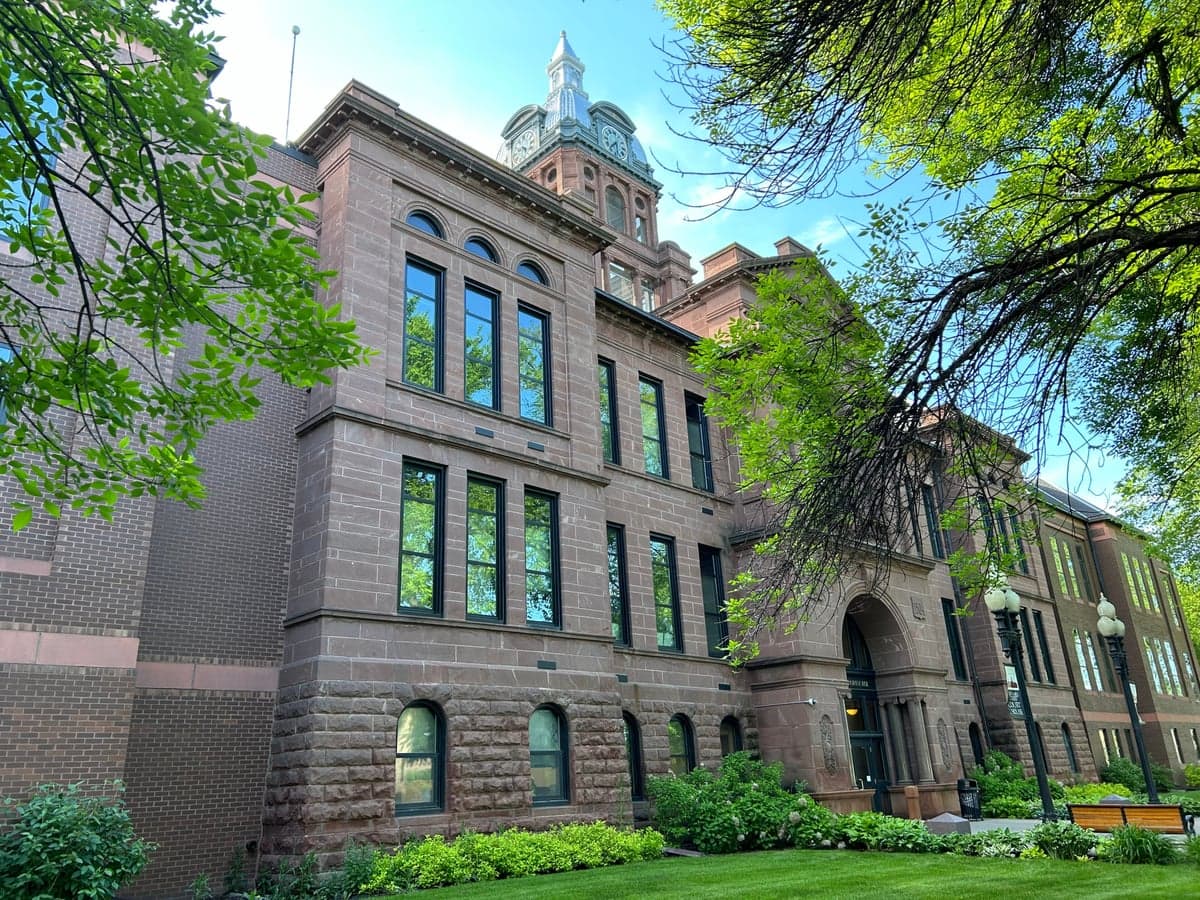
Photo: Wikipedia
Find The Best Places To Live in Cass County
PRO TIP! You can paste a Zillow or Redfin link to get info on that property.
Best Places to Live in Cass County
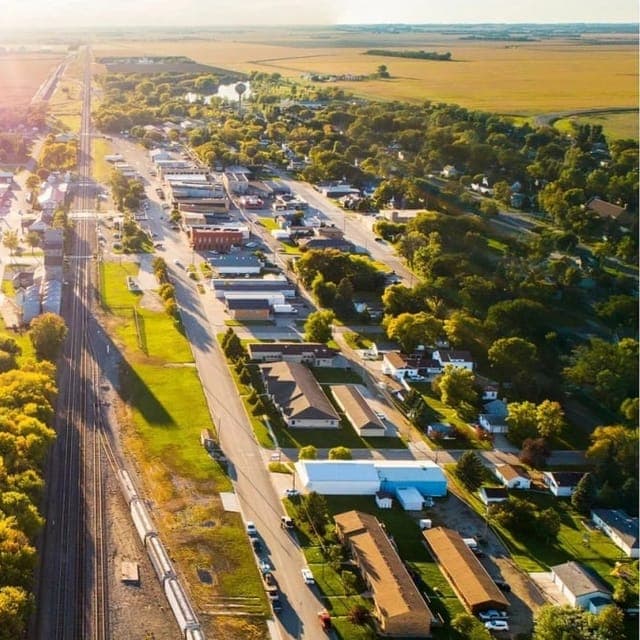
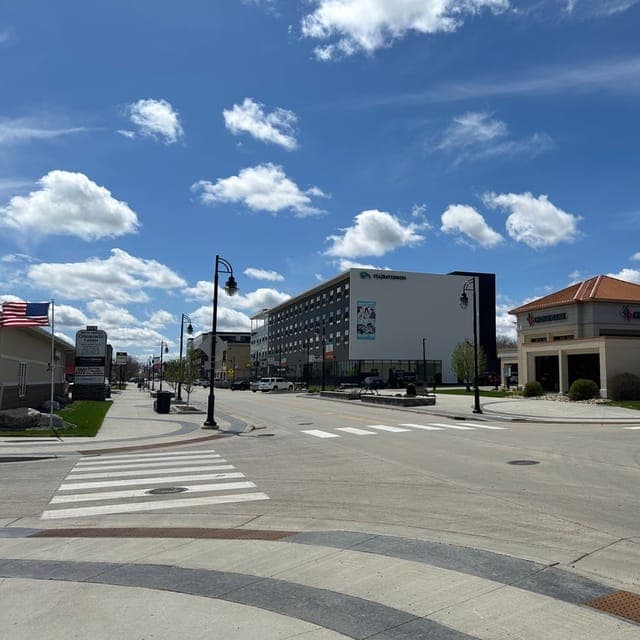
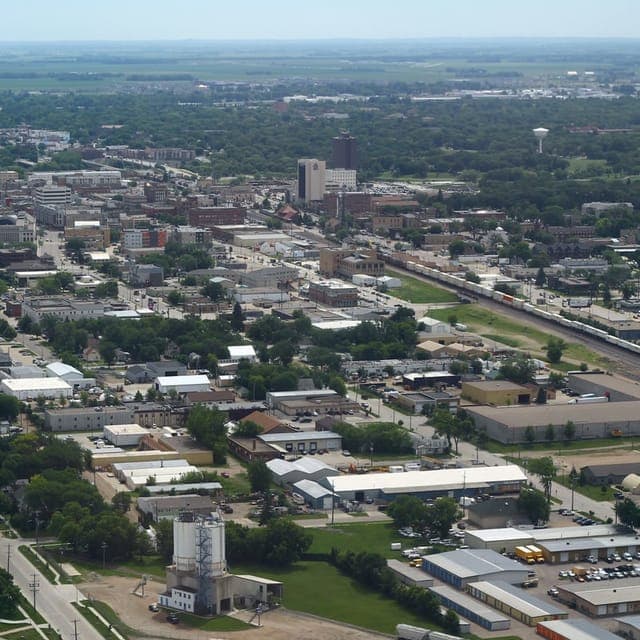
Cities & Towns in Cass County
Cities in Cass County
What It's Like Living in Cass County, ND
Living in Cass County, North Dakota, feels like being part of a region that is quietly, steadily building something impressive. With Fargo as the undeniable hub, the county pulls in people from small towns like Kindred, Harwood, and Horace, creating a mix of urban energy and genuine small-town calm. It’s a place where the median age is just 32.9 and the median household income sits at a healthy $75,023, suggesting a population that is both young and economically stable. The vibe here is less about flashy attractions and more about a grounded, work-hard-play-hard lifestyle that appeals to families and single professionals alike.
The Daily Rhythm: Fargo’s Pull and the Quiet Towns
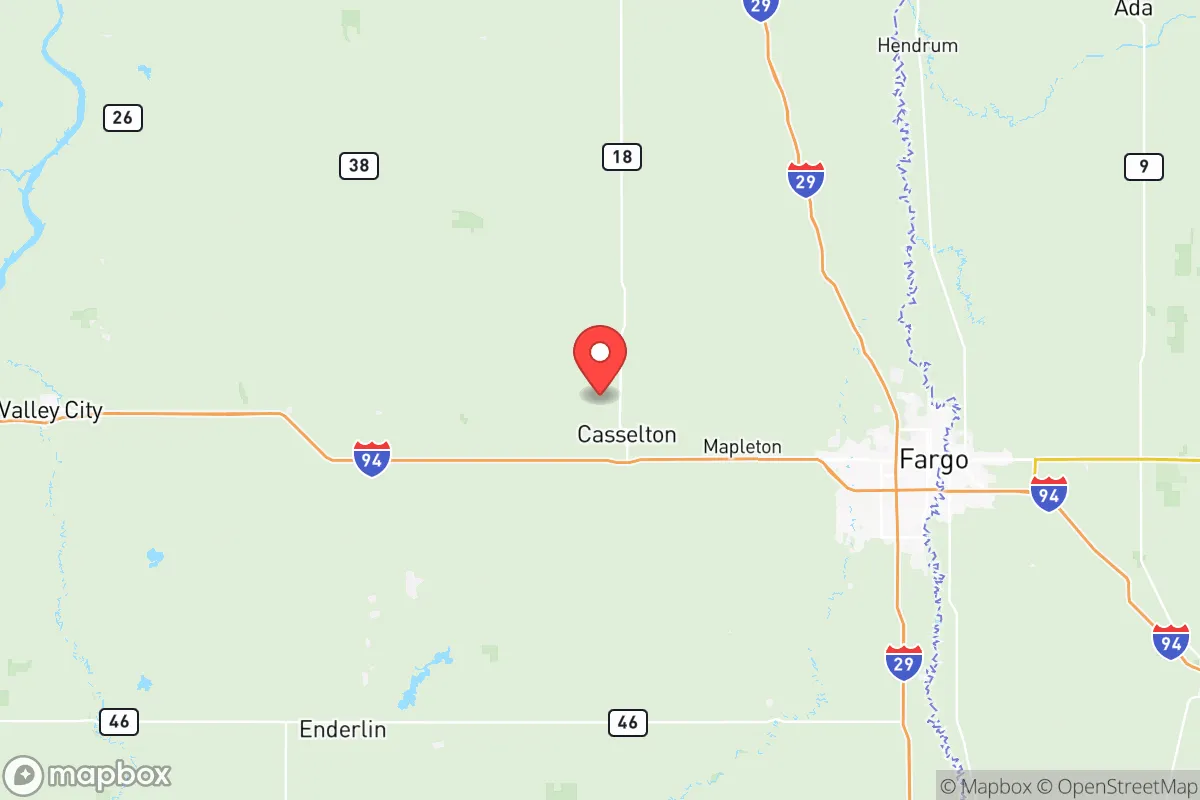
For most people in Cass County, daily life revolves around Fargo. It’s the commercial and social center, where you’ll find the major employers like Sanford Health, Microsoft, and the sprawling North Dakota State University (NDSU) campus. The average commute is a remarkably short 17.5 minutes, which means you can live in a quieter spot like West Fargo or a rural acreage near Mapleton and still be at your desk in Fargo in under 20 minutes. This short drive is a huge quality-of-life win, giving people back hours of their week compared to larger metros.
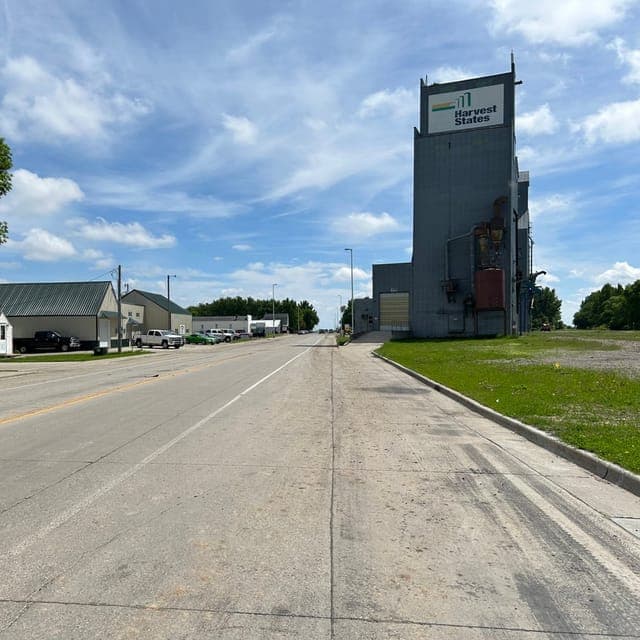
Weekends often involve a trip to the Fargo-Moorhead area for shopping at the West Acres Mall or catching a movie. But the smaller towns have their own rhythm. In Casselton, you’ll find a strong sense of community centered around the high school football games and the annual Casselton Potato Days festival. In Harwood, families appreciate the newer developments and the easy access to the Sheyenne River for kayaking or fishing. The cost of living index sits at 88, well below the national average, which means your paycheck goes further here, especially on housing, where the median home value is a reasonable $284,700.
Sports, Seasons, and the Social Scene
Sports are a serious thread in the county’s fabric. NDSU Bison football is a cultural phenomenon—game days in Fargo are electric, with tailgating that rivals much larger programs. High school sports are also a big deal, especially in towns like Kindred and Horace, where Friday night lights draw the whole community. For pro sports, you’ve got the Fargo-Moorhead RedHawks for baseball and the Fargo Force for junior hockey, both offering affordable, family-friendly entertainment.
When the weather cooperates, outdoor life thrives. The Red River runs through the county, and the Lindenwood Park and Broadway Square in Fargo host concerts, farmers markets, and festivals like the massive Fargo Street Fair. Winters are long and cold—expect snow from November through March—but locals embrace it with ice fishing, snowmobiling, and the annual Fargo Winter Festival. The cold is a real factor, and it’s the primary reason some people decide to leave, but for those who stay, it builds a certain resilience and camaraderie.
Pros and Cons of Living in Cass County
Like any place, Cass County has its trade-offs. Here’s a straightforward look at what residents talk about most:
- Pros: The job market is strong, especially in healthcare, tech, and agriculture. The schools are generally well-regarded, particularly in Fargo, West Fargo, and the smaller districts like Kindred. The low cost of living and short commute times are consistently cited as top reasons people move here. The violent crime rate of 234.1 per 100,000 is slightly above the national average, but most residents feel safe in their neighborhoods, and property crime is more of a concern in specific areas of Fargo.
- Cons: The winter is no joke—bitter cold and heavy snow can last five months. The social scene can feel limited for young singles who aren’t into the bar or college crowd. Dining and entertainment options are growing but still pale in comparison to a major city. Some rural residents feel that Fargo’s growth is pulling resources and attention away from the smaller towns.
One cultural quirk you’ll notice is the strong sense of "Minnesota Nice" blended with a North Dakota work ethic. People are polite but can be reserved with newcomers. Once you’re in, though, the community support is real. Whether it’s a fundraiser for a local family or a volunteer fire department in a town like Arthur, people show up for each other. The county is also home to a growing number of Somali and Sudanese immigrants, adding a layer of diversity that is most visible in Fargo’s schools and restaurants.
For the right person—someone who values economic opportunity, a slower pace, and doesn’t mind bundling up—Cass County offers a solid, unpretentious life. It’s a place where you can buy a home, raise a family, and actually know your neighbors. The trade-off is the weather and a certain quietness, but for many, that’s exactly the point.

* Values derived from national, state, county, city and local statistics and may differ in a specific area. Last updated: 2026-07-12T08:17:42.000Z
Narrative content on this page is AI-generated and may contain mistakes. Verify any details that matter before acting on them.
ReloMaps may earn a commission from affiliate links at no extra cost to you.

