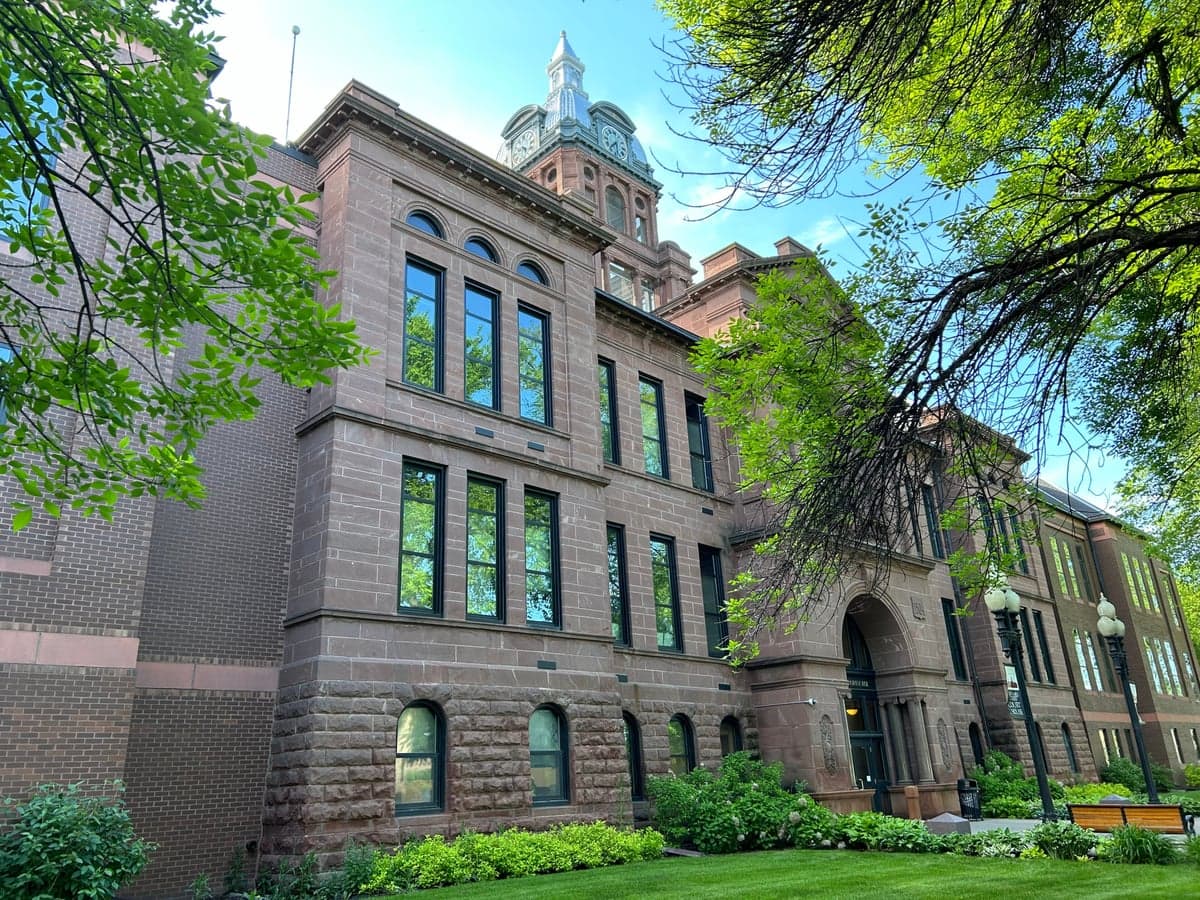
Photo: Wikipedia
Quality of Life in Cass County
A livable area that tracks near national norms for affordability, walkability, and neighborhood health.
What does Quality of Life tell us?
Quality of Life measures an area by evaluating factors like cost of living, nearby amenities, country club access, airport proximity, socioeconomic signals and neighborhood character. For large states, this is a general average — quality of life can vary dramatically between metro areas, suburbs, and rural communities within the same state.
What does this tell us?
Quality of Life measures an area by evaluating factors like cost of living, nearby amenities, country club access, airport proximity, socioeconomic signals and neighborhood character. For large states, this is a general average — quality of life can vary dramatically between metro areas, suburbs, and rural communities within the same state.
Cost of Living
12% below national average
92%
The Real Cost of Living in Cass County for 2026
| Tier | Individual | Family (4) |
|---|---|---|
| Survival | $15k | $28k |
| Comfortable | $55k | $81k |
| Luxury | $136k+ | $210k+ |
| Elite (Top 5%) | $164k+ | $254k+ |
Quality-of-Life Analysis
Cass County, North Dakota, offers a broad quality-of-life spectrum that ranges from the urban energy of Fargo to the quiet agricultural rhythms of its smaller towns and open countryside. The county’s overall cost of living index sits at 88 (12% below the U.S. average), with a median home value of $284,700 and median rent of $930, making it an affordable base for a diverse population. Professionals and students gravitate toward the Fargo metro for its jobs and amenities, while families, retirees, and agricultural workers often prefer the lower density and slower pace of communities like West Fargo, Harwood, or rural townships.
Largest town(s) & population centers
Fargo is the county’s anchor and North Dakota’s largest city, home to roughly 130,000 residents. Daily life here is defined by a robust job market anchored by Sanford Health, North Dakota State University, and a growing tech sector. The city offers a full slate of amenities: shopping at West Acres Mall, dining along Broadway, and cultural venues like the Fargo Theatre and Plains Art Museum. Commute times average 17.5 minutes countywide, and Fargo’s grid street system keeps travel predictable. West Fargo, directly adjacent, has grown rapidly past 40,000 residents and offers newer housing developments, the Sheyenne 9th Avenue corridor for retail, and highly rated schools in the West Fargo Public School District. Both cities provide walkable neighborhoods near downtown Fargo and suburban-style subdivisions farther out, giving residents a choice between urban density and family-oriented sprawl.
Smaller towns & rural pockets
Beyond the Fargo-West Fargo metro, Cass County contains a string of smaller communities that offer a distinctly different lifestyle. Harwood (pop. ~800) sits along the Sheyenne River and is popular with families seeking larger lots and a small-town school experience while still commuting to Fargo. Mapleton (pop. ~1,000) and Argusville (pop. ~500) are unassuming agricultural service towns where grain elevators and church suppers set the social calendar. Casselton (pop. ~2,500) is the largest of the outlying towns, with its own K-12 school system, a historic downtown, and a strong sense of local identity. Further south, Kindred (pop. ~900) and Leonard (pop. ~250) are tight-knit communities where residents often know their neighbors by name. The rural pockets between these towns consist of working farms and acreages, where gravel roads and open fields dominate the landscape and the nearest grocery store may be a 15-minute drive away.
Cost & lifestyle range
The cost-of-living spread across Cass County is relatively narrow but meaningful. At the higher end, Fargo’s newer suburbs—particularly southwest Fargo and parts of West Fargo—have median home values above the county average, with some homes exceeding $400,000. Rent in these areas can push past $1,200 for a two-bedroom apartment. At the lower end, rural townships and smaller communities like Argusville or Leonard offer significantly cheaper housing: older single-family homes can be found for under $200,000, and rental vacancies in small towns often list below $800 per month. Lifestyle differences are more pronounced. In Fargo, residents have access to multiple grocery chains, urgent care clinics, gyms, and entertainment venues within a 10-minute drive. In Harwood or Casselton, the nearest hospital or major retailer may require a 20-minute commute, but residents gain quieter streets, lower property taxes in some townships, and direct access to hunting, fishing, and outdoor recreation along the Sheyenne River or Red River Valley farmland.
Cass County works best for people who want affordable housing and short commutes without sacrificing access to urban jobs and services. Young professionals and students thrive in Fargo’s core, while families and retirees often prefer the balance of small-town life in West Fargo, Harwood, or Casselton. Agricultural workers and those seeking maximum space and privacy will find the rural townships and unincorporated areas to be a practical, low-cost fit. The county’s key strength is that residents can move along this spectrum—from a downtown Fargo apartment to a Casselton farmhouse—without leaving the same school district or job market.

Crime in Cass County
Generally safer than 65% of comparable U.S. locations.
Violent CrimeViolent Crime Analysis
Property CrimeProperty Crime Analysis
Crime Analysis
Cass County, North Dakota, reports a violent crime rate of 234.1 incidents per 100,000 residents and a property crime rate of 1,467.8 per 100,000, placing it above the state average but generally on par with or slightly below national benchmarks for similarly sized metropolitan areas. The county's safety picture is heavily shaped by the dynamics of its largest city, Fargo, which concentrates most criminal activity, while outlying communities like West Fargo, Horace, and Harwood experience significantly lower incident rates. Prospective residents should weigh the trade-off between urban amenities in Fargo and the quieter, lower-crime environments found in the county's smaller towns.
Crime in context
Cass County's violent crime rate of 234.1 per 100,000 is notably higher than the North Dakota state average of roughly 160 per 100,000, but it remains below the national average of approximately 380 per 100,000. Property crime in the county, at 1,467.8 per 100,000, exceeds both the state average (around 1,200) and the national figure (roughly 1,950). The disparity between Cass County and the rest of North Dakota is driven almost entirely by Fargo, which accounts for the vast majority of reported offenses. By contrast, communities such as West Fargo and Dilworth report property crime rates roughly 30-40% lower than Fargo's, while Mapleton and Horace see even fewer incidents. The Cass County Sheriff's Office and the Fargo Police Department collaborate through joint task forces, but the county's overall numbers are pulled upward by Fargo's higher-density neighborhoods and commercial corridors.
What residents experience
Daily safety concerns in Cass County differ sharply depending on location. In Fargo, residents frequently cite property crimes such as vehicle break-ins, bicycle theft, and package theft as routine annoyances, with downtown and areas near North Dakota State University seeing the highest concentration of these incidents. Violent crime in Fargo is largely non-random, often involving disputes between acquaintances or drug-related activity, though occasional stranger assaults do occur. Residents of West Fargo and Harwood report a markedly different experience, with neighborhood watch programs and lower population density contributing to a stronger sense of security. The judicial environment in Cass County is a point of concern for some residents: the county's district courts, particularly in Fargo, have been perceived by some as adopting a more progressive approach to sentencing, with an emphasis on diversion programs and reduced incarceration for non-violent offenders. Critics argue this approach can lead to repeat property crimes and a perception that consequences are insufficient, while supporters point to lower recidivism rates for program participants. For families and retirees, the practical takeaway is that neighborhood selection within Cass County has a substantial impact on daily safety.
Neighborhood-level variation
Within Fargo, crime is not evenly distributed. The downtown core, the area around the NDSU campus, and the southern stretches of the city along I-29 report higher incident rates, while the newer developments in the far south and southwest parts of Fargo see fewer problems. West Fargo has invested heavily in community policing and maintains a notably lower crime profile, making it a popular choice for families. Horace and Harwood, small towns on the county's fringe, report minimal violent crime and property crime rates well below the county average. For those willing to commute, these communities offer a safety profile closer to rural North Dakota than to a metropolitan county. The Cass County Sheriff's Office provides online crime mapping tools that allow prospective residents to compare specific addresses and neighborhoods before making a move.
* Values derived from national, state, county, city and local statistics and may differ in a specific area. Last updated: 2026-07-12T08:17:42.000Z
Narrative content on this page is AI-generated and may contain mistakes. Verify any details that matter before acting on them.
ReloMaps may earn a commission from affiliate links at no extra cost to you.

