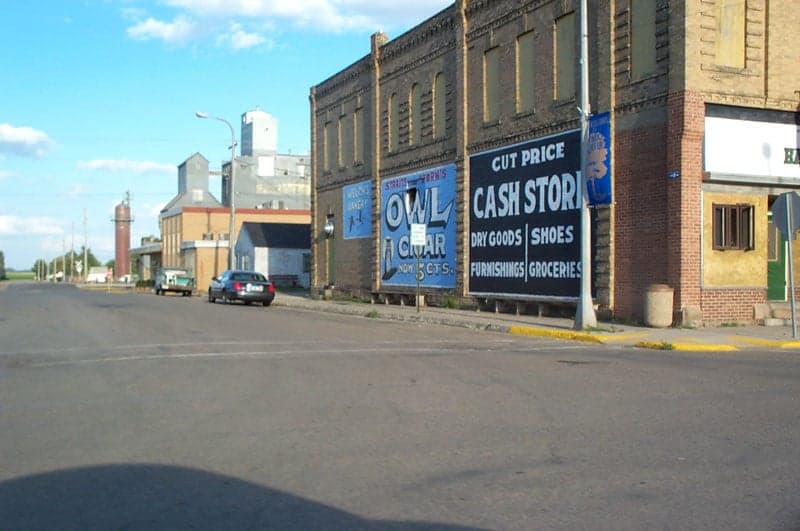
Photo: Wikipedia
Strategic Assessment of Park River, ND
Workable tactical position. Some exposure to population density or targets, but generally defensible in a crisis.
What does the Strategic Assessment tell us?
Our Strategic Assessment grades tactical survivability of an area. Major population centers, military targets, fallout zones, natural disasters, and border exposure all drive risk — lower exposure means a more defensible position in a crisis.
This is heavily inspired by Joel Skousen's Strategic Relocation book. Highly recommended you checkout the book ($)What does this tell us?
Our Strategic Assessment grades tactical survivability of an area. Major population centers, military targets, fallout zones, natural disasters, and border exposure all drive risk — lower exposure means a more defensible position in a crisis.
This is heavily inspired by Joel Skousen's Strategic Relocation book. Highly recommended you checkout the book ($)Strategic Pillars

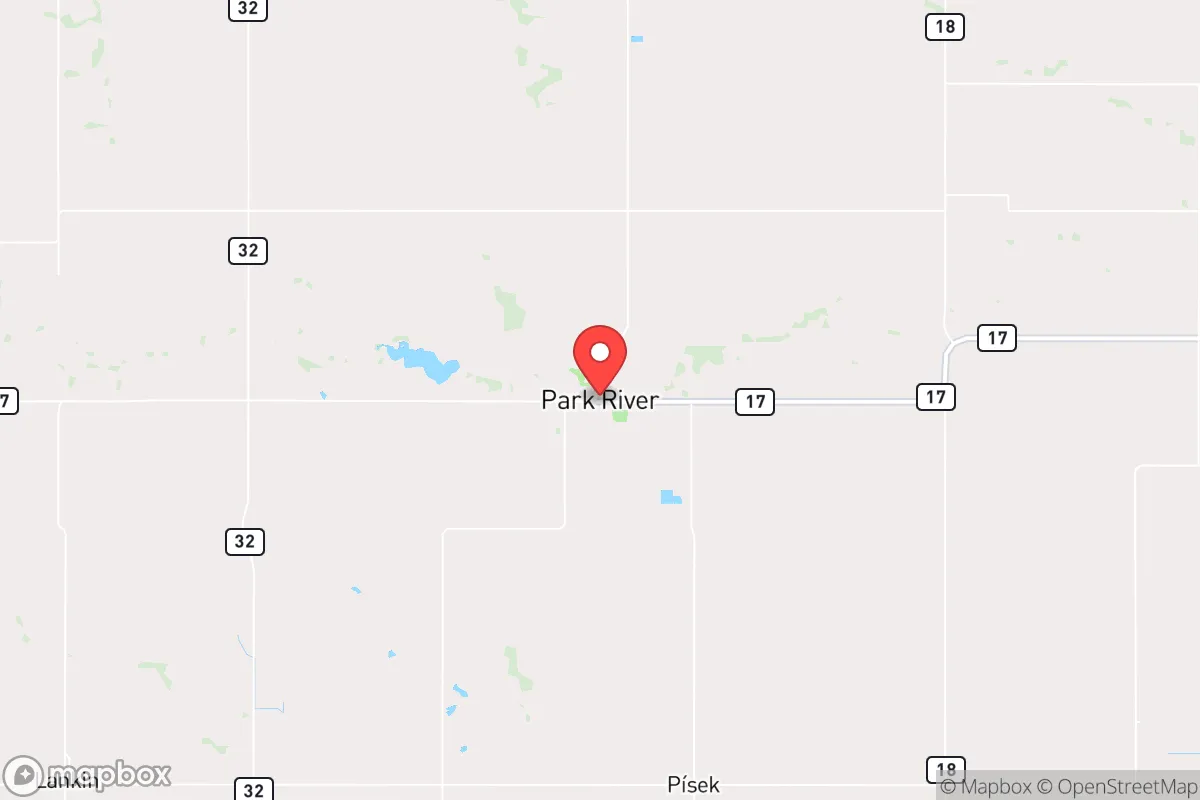
Key Distances
Regional Safe Places
Below is our recommended "safe zones" in North Dakota and the surrounding area based on our strategic heuristics. For most people, it's unrealistic to live in a “safe zone” full-time due to work, family or other personal reasons. They tend to be more rural. However, many of these areas are perfect for second homes and retreat properties that double as a vacation home or even a short-term rental.
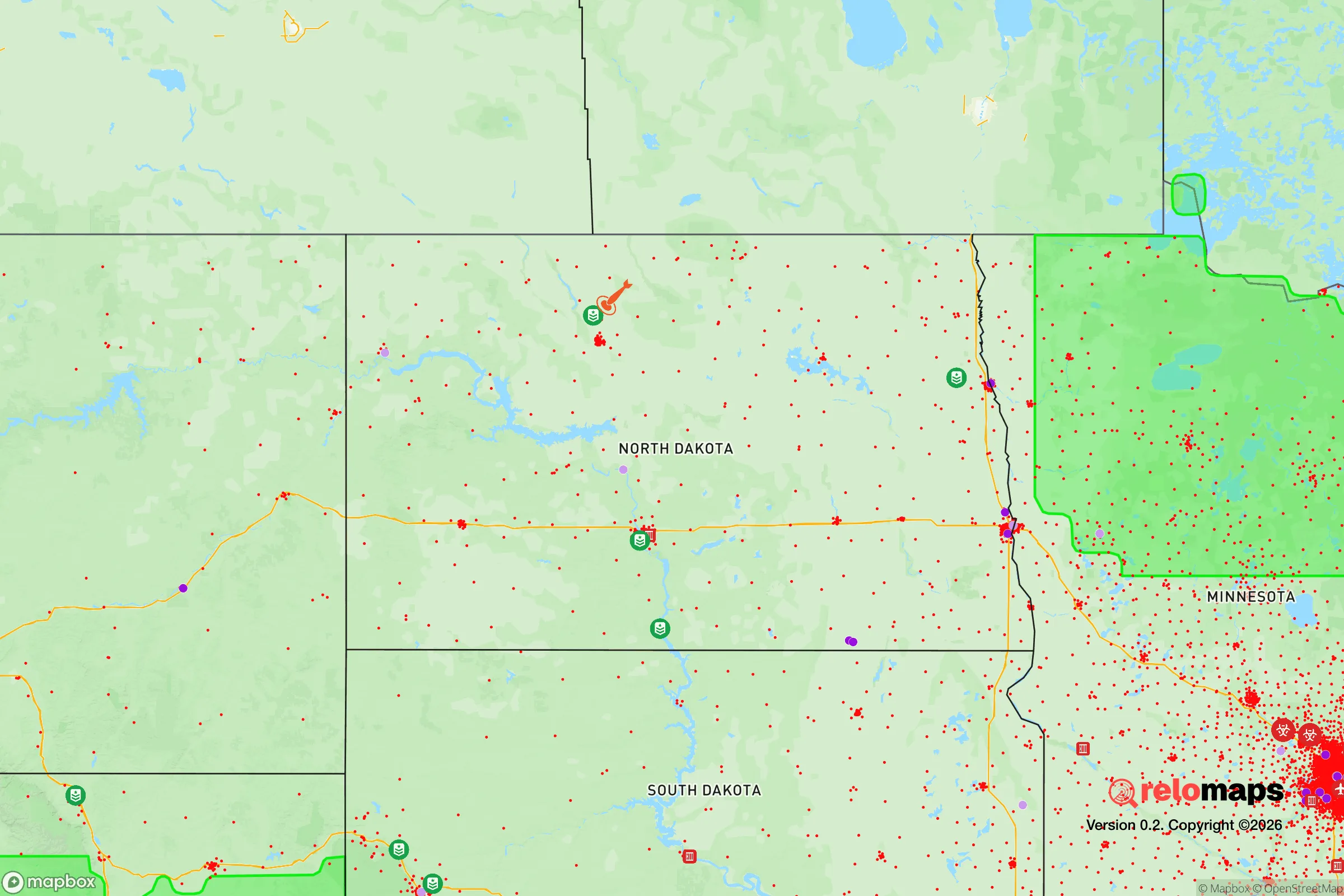
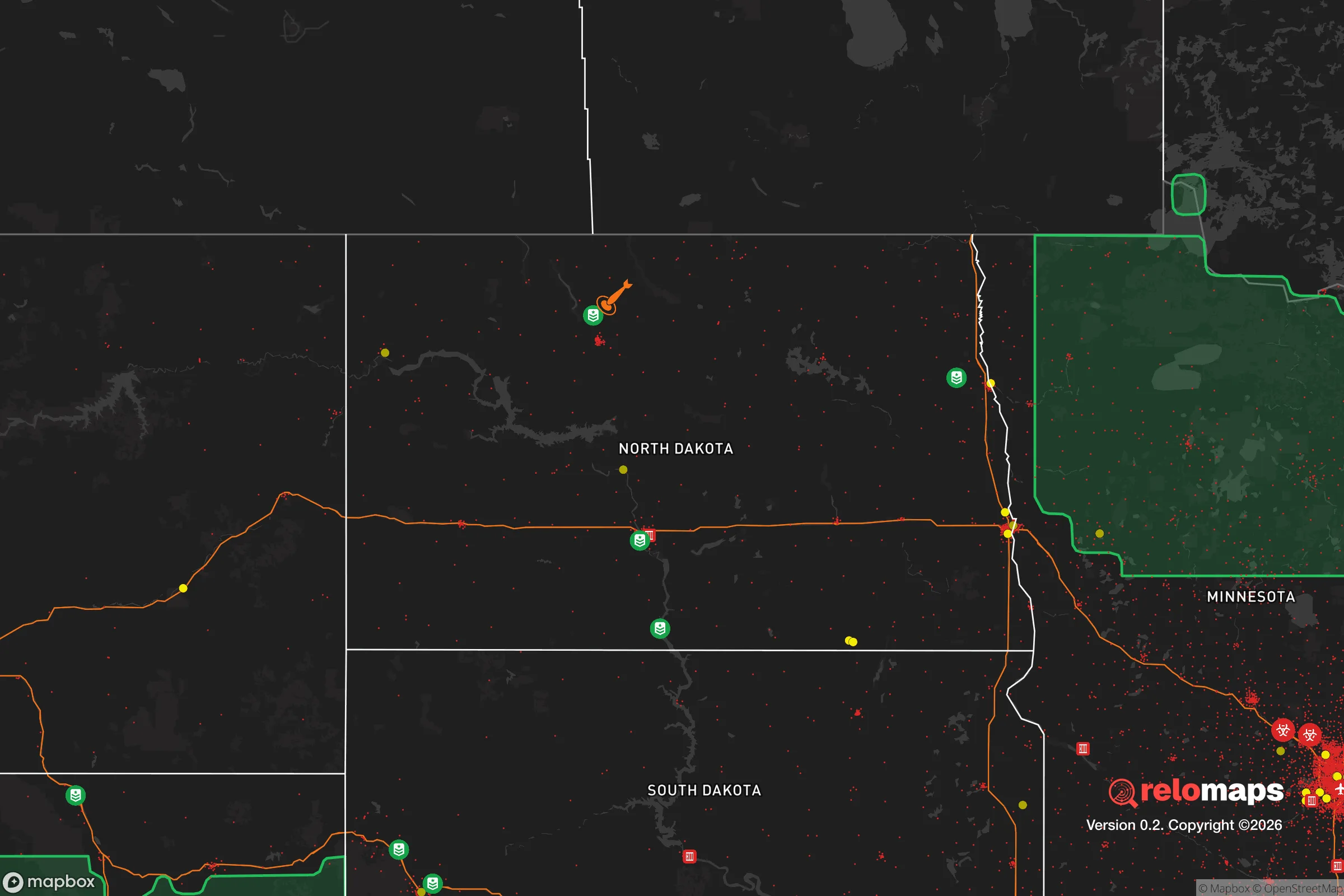


Important Note: For informational purposes only. This does not mean nothing bad ever happens in the green zones. Please use common sense. This is based on public data and modeled with AI. We tried to take a conservative approach but mistakes happen. We update this regularly as new information becomes available.
Solar Generator Recommendations
Backup power matters more here than in safer locations. We've picked three solar generators across budgets and capacity tiers — start with the budget unit if you only need a few essentials, or step up if you want to run a fridge and HVAC for days at a time.

Jackery Portable Power Station Explorer 300
Budget OptionPower on the Go: Weighing only 11 lbs, it's convenient to set up and store with book-sized foldable solar panels

BLUETTI Portable Power Station AC180
Designed for both indoor and outdoor scenarios, AC180 is highly capable as it has a robost capacity and continuous output power.

EF ECOFLOW DELTA Pro Ultra Power Station
Upgraded PickEcoFlow DELTA Pro Ultra is a whole-home energy system designed to grow with your family. Integrated with the Smart Home Panel 2, it scales to meet your evolving energy needs — keeping your home powered, intelligent, and secure through every stage of life.
We earn a commission, at no additional cost to you.
Strategic Assessment Analysis
Park River, North Dakota, offers a strategic resilience profile that is difficult to match in the lower 48, combining extreme geographic isolation with a stable, low-population-density environment that naturally buffers against cascading national crises. Located in Walsh County, roughly 30 miles from the Canadian border and 50 miles northwest of Grand Forks, this town of roughly 1,400 people sits in the fertile Red River Valley, a region that has historically been a breadbasket. For a relocator prioritizing long-term survivability—whether from civil unrest, supply chain collapse, or mass casualty events—Park River’s primary advantage is its position far from major population centers, critical infrastructure targets, and the chaos that accompanies them. The area’s agricultural base, cold climate, and tight-knit community create a foundation for self-sufficiency that is increasingly rare, though not without its own specific risks and trade-offs that must be weighed carefully.
Geographic isolation and natural buffer zones
Park River’s location is its single greatest strategic asset, offering a natural buffer against the fallout of national instability. The town sits in a sparsely populated corridor of the northern plains, with the nearest metropolitan area—Grand Forks, population ~55,000—lying over 40 miles to the southeast. Fargo, the state’s largest city, is roughly 90 miles south, and Minneapolis-St. Paul is over 300 miles away. This distance means that even a major event in those urban centers—a terrorist attack, a grid-down scenario, or civil unrest—would take days to ripple out to Park River, if it ever did. The surrounding landscape is flat, open farmland, which provides excellent visibility and makes approach detection straightforward, a key defensive consideration. The nearby Pembina Gorge and the Turtle River State Forest offer limited but usable cover and resources for those who know how to use them. The Canadian border is a double-edged sword: it provides a potential fallback zone or resupply route, but also means proximity to a national boundary that could be closed or contested in a crisis. For a prepper, the isolation here is a feature, not a bug—fewer people means fewer threats, less competition for resources, and a lower likelihood of being caught in a mass evacuation or panic-driven migration.
Risks, exposures, and proximity to fallout-relevant landmarks
No location is without vulnerabilities, and Park River has specific exposures that a serious relocator must account for. The most significant risk is its proximity to Grand Forks Air Force Base, home to the 319th Reconnaissance Wing and a key hub for Global Hawk drone operations. In a major conflict or national emergency, this base is a high-value target for both kinetic and cyber attacks. While Park River is far enough away to avoid a direct blast zone from a conventional strike, fallout patterns from a nuclear or radiological event could drift northeast or southeast depending on wind, potentially contaminating the area. The base is roughly 40 miles south-southeast, which is within the range of significant fallout in a worst-case scenario. Additionally, the town lies within the Red River Valley, which is prone to catastrophic flooding—the 1997 and 2009 floods were major events, and climate patterns suggest this risk is not diminishing. The flat terrain offers no natural barriers to slow a flood or a chemical plume. On the plus side, there are no major nuclear power plants within 150 miles (the nearest is the Prairie Island plant near Red Wing, MN, over 250 miles away), and no major chemical or industrial facilities that would pose an immediate secondary threat. The primary exposure is military-target related, not industrial.
Practical resilience for a relocator: food, water, energy, and defensibility
For a prepper or survivalist, Park River scores well on the basics of long-term sustainability, but requires upfront investment. Food production is the standout strength: the surrounding farmland produces wheat, soybeans, corn, and sugar beets in abundance, and local farmers are often willing to barter or sell directly. Hunting and fishing are viable—deer, waterfowl, and walleye are plentiful in the area, and the Park River itself offers a modest but reliable water source. Water security is manageable but not automatic: the aquifer in the Red River Valley is shallow and accessible via well, but the water is often high in iron and sulfur, requiring filtration or treatment. Municipal water comes from the Red River, which is vulnerable to contamination from upstream agricultural runoff or a flood event. A private well with a hand pump and a quality filtration system is a must. Energy resilience is a mixed bag: the grid is relatively stable but not hardened against EMP or solar storms. Winters are brutal—average January highs are around 15°F, with wind chills frequently dropping to -30°F—so a backup heating source (wood, propane, or a diesel generator) is non-negotiable. Solar panels are viable in summer but produce poorly in the deep winter months due to short days and heavy snow cover. Defensibility is excellent: the town’s layout is compact, with a single main highway (ND-17) providing the primary access point. The open terrain means any approach is visible for miles, and the small population means everyone knows everyone, making it easy to spot outsiders. There are no major police or military installations nearby that would attract attention, and the local sheriff’s office is understaffed but responsive. For a relocator, the key is to arrive with supplies already in place—local hardware stores and grocery options are limited, and supply chains to the area are thin. Building relationships with neighbors and local farmers before a crisis is the single most important step.
The overall strategic picture for Park River is one of high potential with specific, manageable risks. It is not a perfect redoubt—the flooding risk and proximity to a military target are real concerns that require mitigation—but for someone looking to escape the density and fragility of urban life, it offers a rare combination of isolation, agricultural self-sufficiency, and community cohesion. The conservative values of the area—self-reliance, low taxes, minimal government interference, and a strong local church presence—align well with a prepper mindset. The winters will test your resolve and your gear, but they also serve as a natural filter against casual migration. If you can handle the cold, secure your water and energy, and accept that you are hours from any major hospital or supply hub, Park River provides a foundation for long-term survival that few other locations in the continental United States can match. The key is to act now, while the area remains affordable and the community is still welcoming to newcomers who respect the land and the people.

* Values derived from national, state, county, city and local statistics and may differ in a specific area. Last updated: 2026-04-19T09:03:11.000Z
Narrative content on this page is AI-generated and may contain mistakes. Verify any details that matter before acting on them.
ReloMaps may earn a commission from affiliate links at no extra cost to you.

