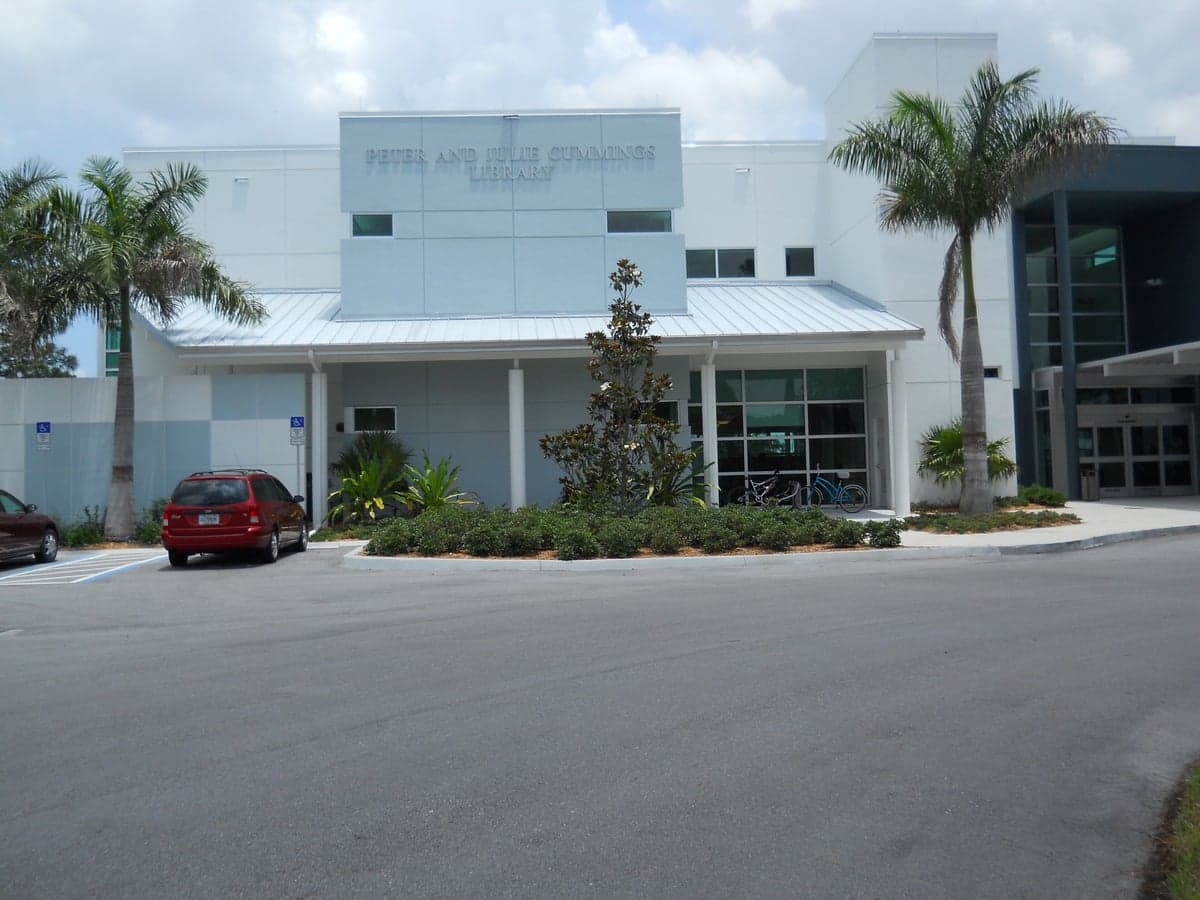
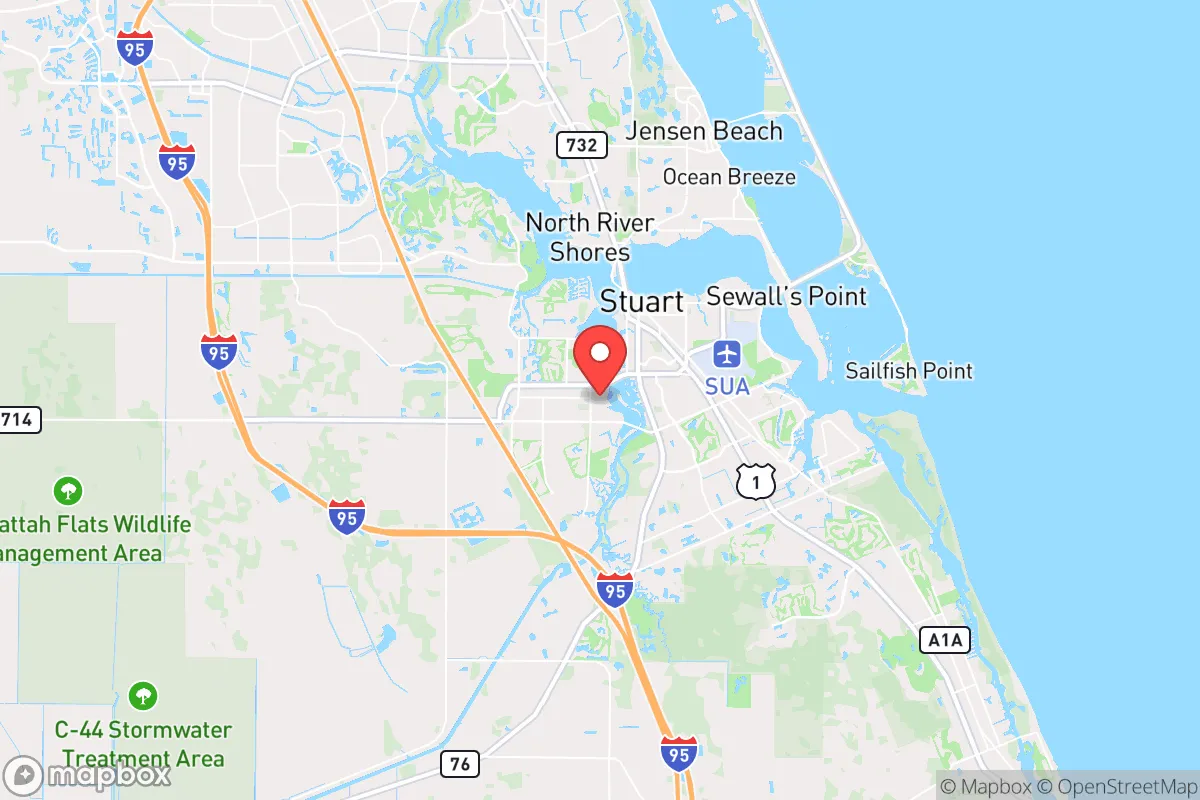
Photo: Wikipedia
Quality of Life in Palm City, FL
A high quality of life with strong walkability, manageable living costs, healthy neighborhood signals, and solid amenity access.
What does Quality of Life tell us?
Quality of Life blends cost of living, nearby amenities, socioeconomic signals, and neighborhood character. City-level scores represent the whole municipality; individual neighborhoods can differ.
What does this tell us?
Quality of Life blends cost of living, nearby amenities, socioeconomic signals, and neighborhood character. City-level scores represent the whole municipality; individual neighborhoods can differ.
Cost of Living
77% above national average
The Real Cost of Living in Palm City, FL for 2026
| Tier | Individual | Family (4) |
|---|---|---|
| Survival | $31k | $59k |
| Comfortable | $103k | $152k |
| Luxury | $213k+ | $330k+ |
| Elite (Top 5%) | $256k+ | $397k+ |
77%
The Area Signal
A metric tracking the socioeconomic signals of the area.
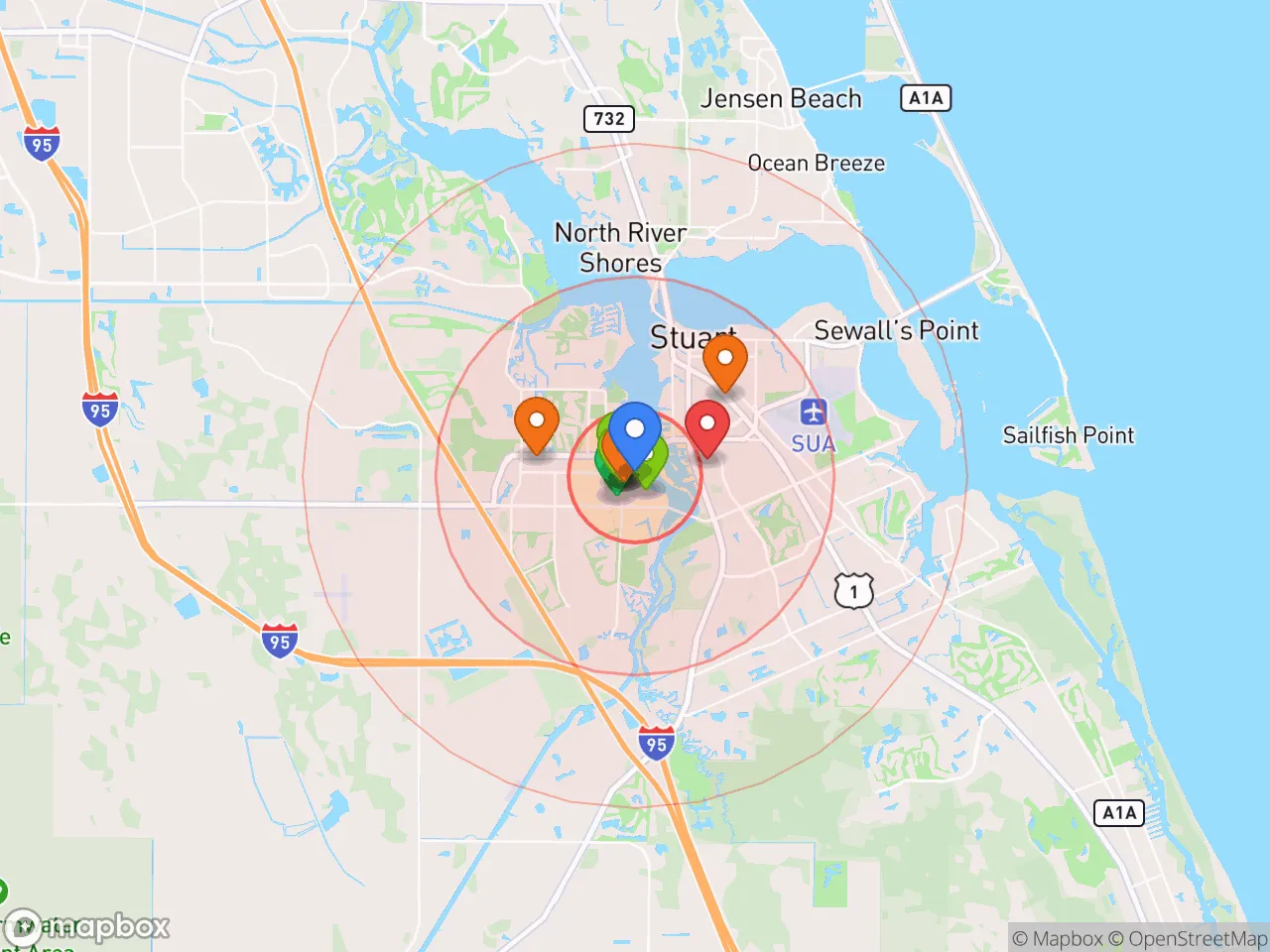
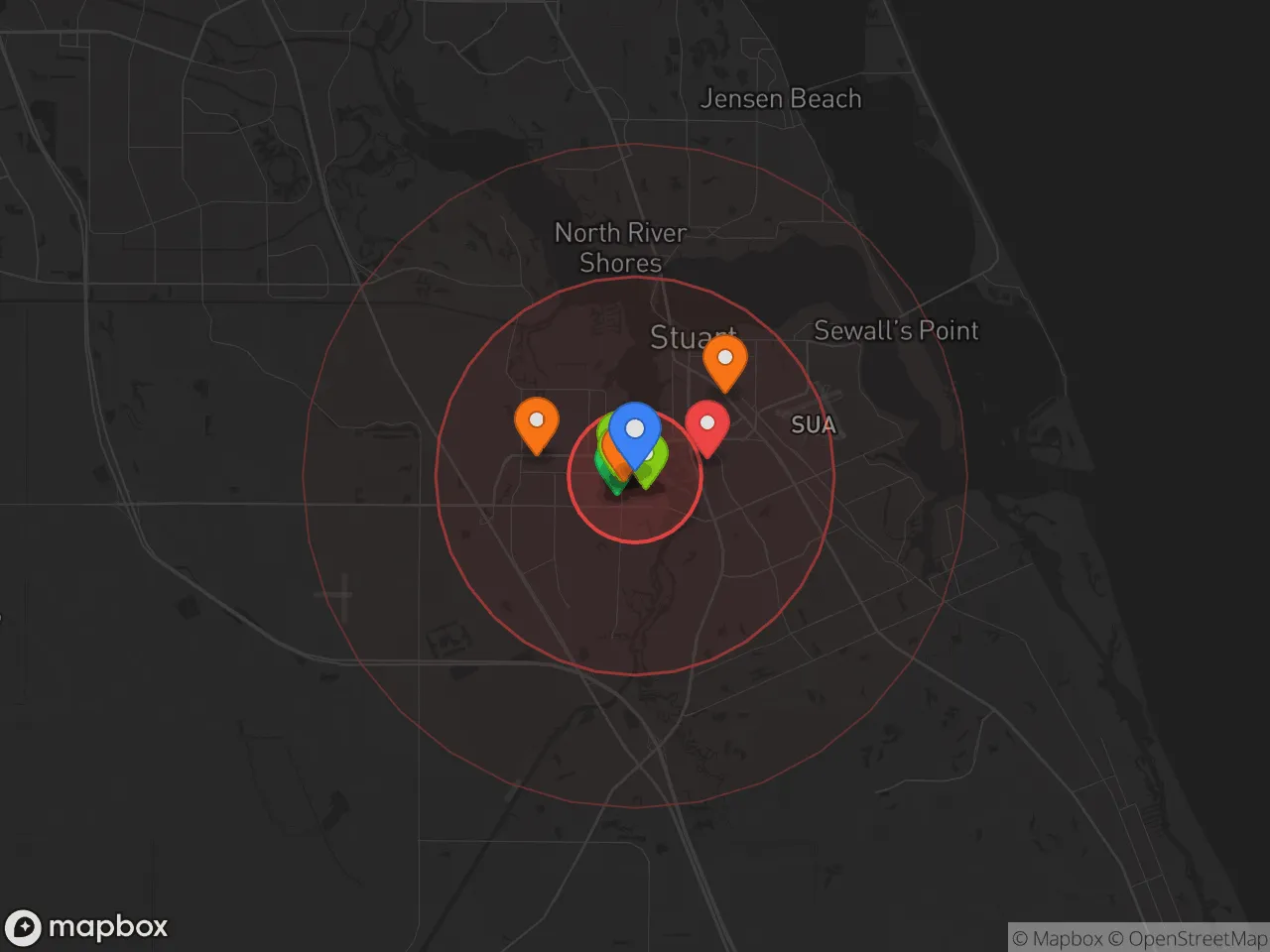
Hobbies
Explore the areaGroceries
6 within 10 miles
Gas
20 within 10 miles
Hospital
11 within 20 miles
Airport
MCO — Melbourne Orlando International
Post Office
USPS — Palm City, FL
Critical Amenities
Quality-of-Life Analysis
Palm City, Florida, is an affluent unincorporated community in Martin County that attracts families, retirees, and professionals seeking a quieter, more polished alternative to the hyper-development of Port St. Lucie or the seasonal crush of Stuart. With a cost of living index of 177 — well above the national average of 100 — the area signals a premium lifestyle supported by higher incomes, newer housing stock, and a deliberate pace that prioritizes space and safety over urban convenience. The typical resident is a homeowner, likely commuting to Stuart, Jupiter, or West Palm Beach, and values the area’s low crime rates, strong public schools, and proximity to the St. Lucie River and Atlantic beaches.
Cost of living, housing prices, and how Palm City compares to nearby towns
Palm City’s cost of living is roughly 77% higher than the U.S. average, driven almost entirely by housing. The median home value sits at $532,100, significantly above the national median of roughly $350,000 and notably higher than neighboring Port St. Lucie (where the median is closer to $400,000). Renters face a median monthly rent of $1,965, which is about $300–$400 more than comparable rentals in Port St. Lucie or Fort Pierce. However, Palm City remains less expensive than coastal Stuart or Jupiter, where waterfront properties routinely exceed $800,000. The trade-off for this premium is newer construction — many homes were built after 2000 — larger lot sizes (often half-acre or more), and access to top-rated Martin County schools. Property taxes in Martin County average about 0.85% of assessed value, slightly below the Florida median, which helps offset the higher purchase price for long-term owners.
Daily life, local amenities, and what makes the area family-friendly
Daily life in Palm City revolves around its suburban infrastructure: strip-mall plazas with Publix, CVS, and chain restaurants, plus a handful of local eateries like Dolphin Bar & Shrimp House on the river. The community lacks a true downtown, but residents drive 10–15 minutes to Stuart’s historic district for dining, arts, and the Stuart Farmers’ Market. The average commute of 28.8 minutes reflects the reality that many residents work outside Palm City — in Stuart (12 minutes), Jupiter (25 minutes), or West Palm Beach (40 minutes). The area is a magnet for families because of Martin County’s public school system, which consistently ranks among Florida’s top 10 districts. Schools like Palm City Elementary and Hidden Oaks Middle School earn A ratings, and Martin County High School offers strong IB and AP programs. Outdoor amenities include the Palm City Athletic Club, the St. Lucie River Waterfront Park with boat ramps and walking trails, and quick access to Bathtub Reef Beach in Stuart. The rhythm is slow and predictable — morning school drop-offs, afternoon sports practices, weekend boating or golf — with little nightlife beyond a few wine bars and casual grills.
Palm City is best suited for buyers who prioritize school quality, low crime, and spacious suburban living over walkability, nightlife, or urban energy. It works well for families with school-age children, remote workers who need a quiet home office, and retirees who want a newer, single-story home near the water without the tourist density of coastal towns. Renters will find the market tight and expensive, but homeowners benefit from steady appreciation — Martin County values have risen roughly 8–10% annually since 2020. Those who thrive here are comfortable with a car-dependent lifestyle, value predictability, and are willing to pay a premium for a community that feels insulated from the faster growth and congestion of areas just to the north and south.

Crime in Palm City, FL
Generally safer than 68% of comparable U.S. locations.
Violent CrimeViolent Crime Analysis
Property CrimeProperty Crime Analysis
Crime Analysis
Palm City, Florida, presents a notably safe environment compared to both state and national benchmarks, with violent crime rates significantly below the national average. The community's overall safety profile is strong, though property crime rates, while still lower than many neighboring areas, warrant attention from prospective residents. This unincorporated community in Martin County benefits from a conservative local justice system that prioritizes public safety and victim's rights, a stark contrast to the more progressive, offender-focused policies seen in nearby large metro areas like West Palm Beach and Fort Lauderdale.
Crime in context
Palm City's violent crime rate of 209.9 incidents per 100,000 residents is roughly 40% lower than the national average of approximately 380 per 100,000, and well below the Florida state average of about 380 per 100,000. Property crime, at 909.6 per 100,000, is also lower than the national average of roughly 1,950 per 100,000, though it is closer to the Florida state average. These figures place Palm City among the safer communities in the Treasure Coast region. The contrast with larger metro areas is stark: nearby West Palm Beach, for example, reports violent crime rates exceeding 700 per 100,000, a direct consequence of progressive prosecutorial policies that emphasize diversion and reduced sentencing over public protection.
What residents experience
Residents of Palm City typically describe a low-fear environment where violent crime is rare and often isolated to domestic incidents rather than random attacks. The most common concerns involve property crimes such as theft from vehicles, package theft, and occasional burglaries, particularly in areas near major roadways like SW Martin Highway and US-1. Martin County's judicial approach—characterized by tough-on-crime sentencing, strong support for law enforcement, and limited use of cashless bail—means that offenders face real consequences. This stands in direct opposition to the policies in many South Florida metro counties, where progressive district attorneys have implemented no-cash-bail policies and reduced prosecution for theft and drug offenses, leading to higher recidivism and emboldened criminal activity.
Neighborhood-level variation is modest but worth noting. The gated communities and waterfront properties along the St. Lucie River and in areas like Palm City Farms experience the lowest crime rates, while the more accessible, older subdivisions near the intersection of High Meadow Avenue and SW Martin Highway see slightly higher property crime. Overall, the community's strong homeowners' associations, active neighborhood watch programs, and a sheriff's department that maintains a visible presence contribute to a sense of security that is increasingly rare in Florida's larger, more progressive jurisdictions.
* Values derived from national, state, county, city and local statistics and may differ in a specific area. Last updated: 2026-09-28T20:45:33.000Z
Narrative content on this page is AI-generated and may contain mistakes. Verify any details that matter before acting on them.
ReloMaps may earn a commission from affiliate links at no extra cost to you.

