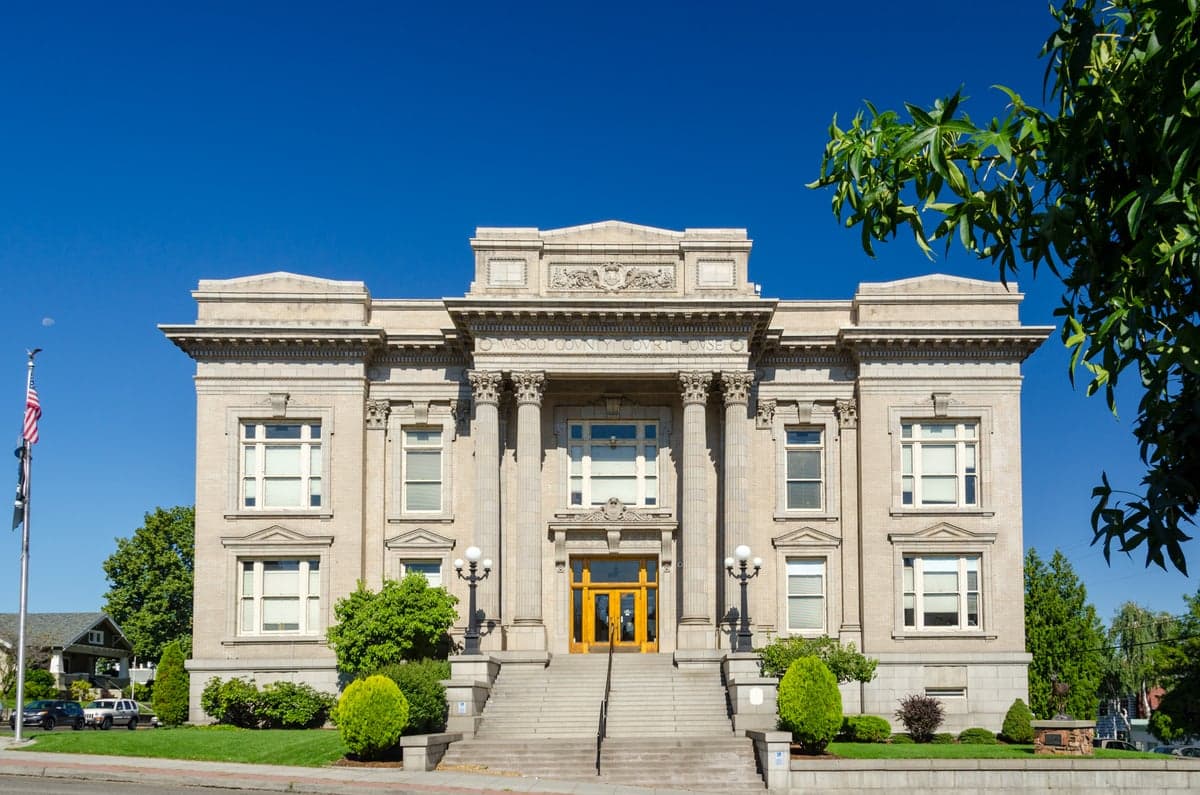
Photo: Wikipedia
Quality of Life in Wasco County
A livable area that tracks near national norms for affordability, walkability, and neighborhood health.
What does Quality of Life tell us?
Quality of Life measures an area by evaluating factors like cost of living, nearby amenities, country club access, airport proximity, socioeconomic signals and neighborhood character. For large states, this is a general average — quality of life can vary dramatically between metro areas, suburbs, and rural communities within the same state.
What does this tell us?
Quality of Life measures an area by evaluating factors like cost of living, nearby amenities, country club access, airport proximity, socioeconomic signals and neighborhood character. For large states, this is a general average — quality of life can vary dramatically between metro areas, suburbs, and rural communities within the same state.
Cost of Living
2% below national average
67%
The Real Cost of Living in Wasco County for 2026
| Tier | Individual | Family (4) |
|---|---|---|
| Survival | $16k | $29k |
| Comfortable | $65k | $95k |
| Luxury | $115k+ | $178k+ |
| Elite (Top 5%) | $154k+ | $238k+ |
Quality-of-Life Analysis
Wasco County, Oregon, offers a quality-of-life spectrum that spans from the historic Columbia River hub of The Dalles to remote high-desert homesteads and tight-knit agricultural hamlets, attracting everyone from tech-remote workers and river recreationists to orchard farmers and retirees seeking solitude. The county’s character shifts dramatically over its 2,400 square miles: the eastern edge hugs the Columbia River Gorge with its wind sports and tourism economy, while the southern and western reaches roll into wheat fields, pine-dotted plateaus, and canyonlands. People drawn to Wasco County typically fall into two camps—those who want walkable riverfront living with services, and those who prize land, privacy, and a slower pace far from stoplights.
Largest town(s) & population centers
The Dalles, the county seat and only incorporated city of significant size, anchors daily life for roughly 16,000 residents. Located along Interstate 84 and the Columbia River, The Dalles offers a compact downtown with grocery stores, medical facilities (Mid-Columbia Medical Center), a community college campus, and the region’s largest employer, Google’s data center. Daily life here is car-light by rural Oregon standards—many errands are within a 10-minute drive, and the Riverfront Trail provides a paved walking and biking corridor along the Columbia. The city’s historic core along Second Street hosts breweries, a farmers market, and the Columbia Gorge Discovery Center. Housing stock ranges from early-1900s craftsman bungalows near downtown to newer subdivisions on the city’s west side. The Dalles is the county’s only place with a full-service grocery store, a hospital, and a high school with over 800 students, making it the default hub for the entire county.
Smaller towns & rural pockets
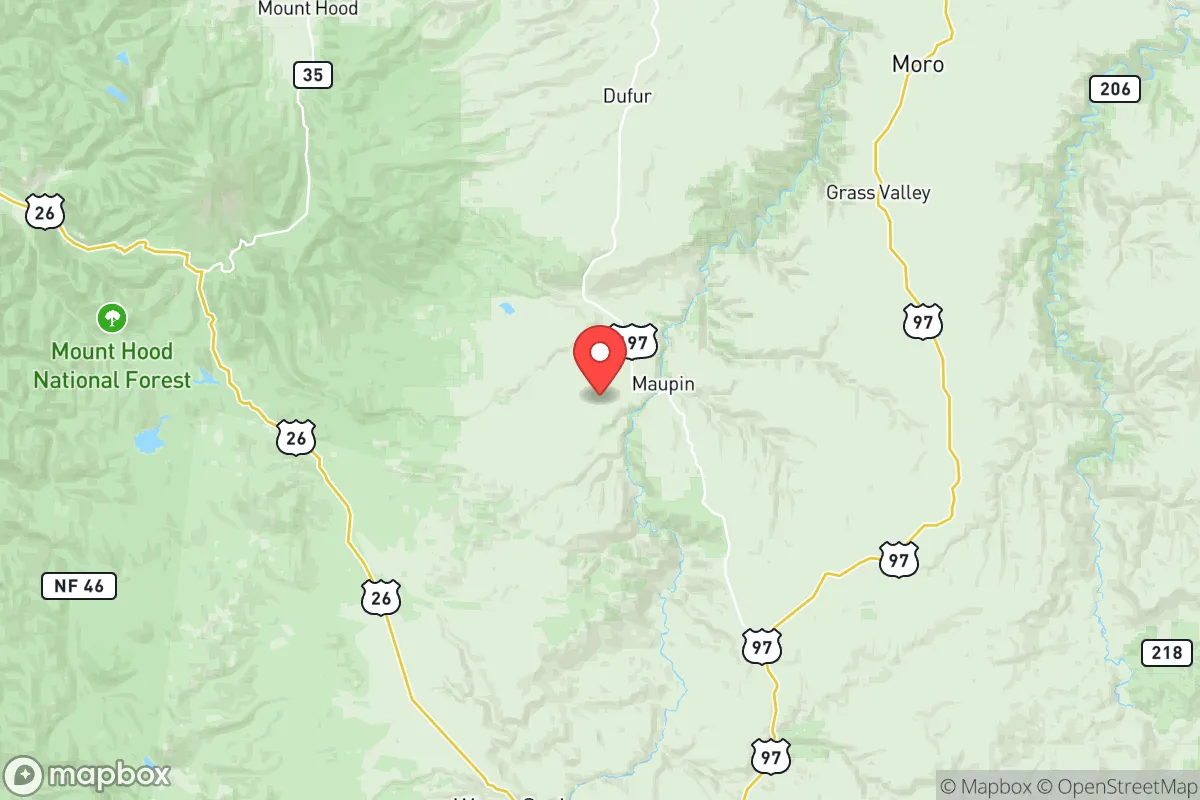
Beyond The Dalles, Wasco County’s smaller communities each have distinct identities. Mosier, a former railroad town of about 450 people, sits 10 miles west along the Columbia River and has become a haven for artists, cyclists, and wine-country transplants—its tiny downtown includes a popular bakery, a tasting room, and a post office, but no full grocery store. Dufur, 12 miles south of The Dalles on Highway 197, is an agricultural service town of roughly 600 residents with a grain elevator, a historic main street, and the Dufur School (K–12, about 200 students). Maupin, 45 miles south on the Deschutes River, is a whitewater rafting destination of about 420 people, with seasonal tourism driving its economy and a handful of outfitters, a general store, and a brewery. Unincorporated areas like Tygh Valley, Wamic, and Pine Grove are true rural pockets—clusters of homes and farms with no commercial services, where residents commute 20–40 minutes to The Dalles for work and supplies. The far southern reaches near Shaniko (population under 30) are high desert ranchland, with properties measured in sections and the nearest gas station 30 miles away.
Cost & lifestyle range
Wasco County’s cost of living index of 98 (100 = U.S. average) masks a wide internal spread. At the affordable end, rural properties in Tygh Valley or Wamic can be found for under $250,000 for a fixer-upper on an acre, with median county rent at $978—well below Portland’s median. The Dalles sits near the county median home value of $332,500, though newer construction in west The Dalles can exceed $450,000. Mosier is the county’s priciest pocket: limited inventory and scenic river views push median home values above $500,000, and the town has no rental market to speak of. Lifestyle trade-offs are stark: in The Dalles, residents enjoy a 15-minute average commute of 18.7 minutes, same-day Amazon delivery, and a public library; in Maupin, the commute to work is often zero (many work in tourism), but the nearest urgent care is 45 minutes away. Rural residents in Pine Grove or Shaniko trade convenience for acreage—a $300,000 budget can buy 20 acres with a manufactured home, but the drive to a grocery store is 30–40 minutes each way. Utility costs also vary: city water and sewer in The Dalles run about $120/month, while rural properties rely on wells and septic, with upfront drilling costs of $10,000–$20,000.
Who thrives in Wasco County? The Dalles suits families and professionals who want a walkable small city with schools, healthcare, and a short commute, plus weekend access to the Gorge’s hiking and windsurfing. Mosier attracts remote workers and retirees willing to pay a premium for river views and a tight-knit creative community. Dufur and Maupin appeal to people who value local schools and outdoor recreation over shopping and dining variety. The far rural reaches of Tygh Valley, Wamic, and Shaniko are best for those who prioritize land, privacy, and self-sufficiency—and who are comfortable with long drives for basic errands. The county’s diversity of settings means that a single county can feel like three different worlds, all within an hour’s drive of each other.

Crime in Wasco County
Crime rates similar to the national median for U.S. locations.
Violent CrimeViolent Crime Analysis
Property CrimeProperty Crime Analysis
Crime Analysis
Wasco County, Oregon, reports a violent crime rate of 311.9 per 100,000 residents and a property crime rate of 2,137.9 per 100,000, placing it above the national average for both categories. The county’s overall safety picture is heavily influenced by its largest city, The Dalles, which accounts for the majority of reported incidents, while smaller communities like Maupin, Dufur, and Mosier experience significantly lower crime volumes. Travelers and new residents should be aware that crime is not evenly distributed, with rural areas and smaller towns offering a markedly safer day-to-day environment.
Crime in context
Wasco County’s violent crime rate of 311.9 per 100,000 is approximately 12% higher than the national average of roughly 280 per 100,000 and notably above Oregon’s state average of around 290 per 100,000. The property crime rate of 2,137.9 per 100,000 is about 30% higher than the national average of 1,954 per 100,000 and significantly exceeds the Oregon state average of roughly 1,800 per 100,000. The Dalles, as the county seat and economic hub, drives these elevated figures, with the majority of aggravated assaults, burglaries, and motor vehicle thefts concentrated in its downtown and adjacent residential corridors. In contrast, the unincorporated areas and towns like Maupin (population ~420) and Dufur (population ~620) report crime rates that are a fraction of the county average, often with zero violent crimes in a given year.
What residents experience
Residents in The Dalles frequently cite property crime—particularly theft from vehicles and break-ins—as the most common safety concern, with many incidents occurring in the central business district and near the I-84 corridor. The Wasco County District Attorney’s office, operating under Oregon’s progressive criminal justice framework, has faced criticism from local law enforcement for policies that prioritize diversion and reduced sentencing for non-violent offenders. This approach, while intended to reduce incarceration, has led to repeat property crime offenders cycling through the system with minimal consequences, a pattern that frustrates business owners and homeowners alike. In smaller towns like Mosier (population ~430) and Tygh Valley, residents report a strong sense of community watch and low tolerance for criminal activity, with local sheriffs’ deputies maintaining a visible presence. The contrast is stark: a resident of Dufur may go years without a crime incident, while a resident of The Dalles’ west side may experience multiple property crimes within a single year.
Neighborhood-level variation within Wasco County is pronounced. The Dalles’ west side and downtown core see the highest concentrations of both violent and property crime, driven by transient populations and proximity to the interstate. The east side of The Dalles, including the Chenowith area, reports moderate crime levels, while the rural communities of Maupin, Dufur, and Mosier consistently rank among the safest in the county. For those considering relocation, the choice of town within Wasco County can mean the difference between living in an area with crime rates comparable to a mid-sized city versus one that rivals the safest rural counties in Oregon. The progressive judicial philosophy in the county’s court system, which emphasizes rehabilitation over punishment, has been a point of contention for residents who feel it undermines public safety, particularly in the more densely populated areas where crime is most concentrated.
* Values derived from national, state, county, city and local statistics and may differ in a specific area. Last updated: 2026-07-18T10:18:01.000Z
Narrative content on this page is AI-generated and may contain mistakes. Verify any details that matter before acting on them.
ReloMaps may earn a commission from affiliate links at no extra cost to you.

